
In the contemporary landscape of global marketing, few entities have achieved the level of “soft power” and brand recognition comparable to Muay Thai. While traditionally recognized as the “Art of Eight Limbs”—a combat sport utilizing fists, elbows, knees, and shins—Muay Thai has transcended its origins as a battlefield martial art to become a powerhouse in the global lifestyle, fitness, and entertainment sectors.
To understand what Muay Thai is today, one must look past the physical exchange in the ring and analyze it through the lens of brand strategy. It is a masterclass in how cultural heritage can be distilled into a corporate identity that resonates across borders, languages, and socio-economic demographics. This article explores the branding mechanics that have transformed a localized Thai tradition into a multi-billion-dollar global industry.
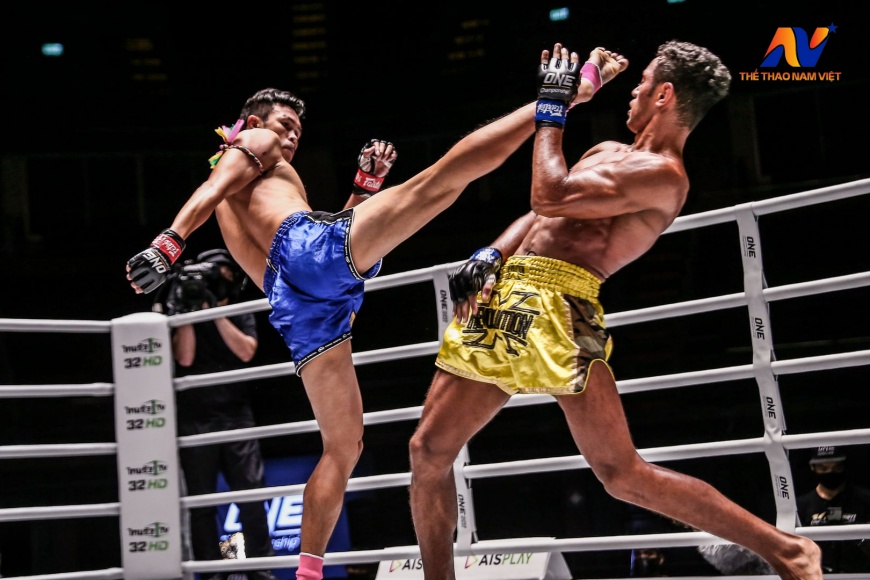
The Cultural Core: Defining the Muay Thai Identity
The foundation of any enduring brand is its origin story. In the world of marketing, authenticity is a currency that cannot be manufactured; it must be cultivated. Muay Thai’s brand identity is inextricably linked to the history of the Thai people, providing a narrative of resilience, spirituality, and national pride.
Heritage as a Competitive Advantage
In a saturated market of fitness modalities—from CrossFit to Brazilian Jiu-Jitsu—Muay Thai differentiates itself through its deep historical roots. The brand is positioned not just as a workout, but as a lineage. Every time a practitioner wraps their hands or enters a ring, they are participating in a story that dates back centuries to the Sukhothai Dynasty. This historical weight provides a “premium” feel to the brand. When consumers choose Muay Thai, they aren’t just buying a gym membership; they are buying into an ancient warrior ethos. This is a classic example of using heritage as a competitive advantage to create a “moat” around the brand that newer, trendier fitness fads cannot replicate.
The Symbolism of Ritual and Uniform
Brand consistency is often achieved through visual cues. Muay Thai utilizes specific symbols—the Mongkhon (headband), the Pra Jiad (armbands), and the Wai Kru Ram Muay (ritual dance)—to create a unique visual identity. These elements serve as the “logo” and “packaging” of the sport. For a brand strategist, these rituals are more than just tradition; they are touchpoints that reinforce brand loyalty and create a sense of exclusivity and belonging among practitioners. The distinct aesthetics of Muay Thai gear, characterized by vibrant colors and Thai iconography, have allowed the brand to penetrate the fashion and lifestyle markets, making the “Muay Thai look” instantly recognizable worldwide.
Scaling the Niche: How Muay Thai Conquered the Global Wellness Market
A significant challenge for any niche brand is “crossing the chasm” from a specialized audience to the mainstream. For decades, Muay Thai was perceived as a brutal, fringe activity. However, a strategic shift in brand positioning has allowed it to pivot toward the massive global wellness and boutique fitness markets.
Transcending the Ring: From Combat to Lifestyle
The rebranding of Muay Thai from a “blood sport” to a “high-intensity functional fitness” solution is one of the most successful pivots in recent sports history. By de-emphasizing the “fighting” aspect and highlighting the “training” aspect, the brand opened itself up to a much larger demographic, including women, children, and white-collar professionals.
This lifestyle transition was facilitated by the rise of “Muay Thai for fitness” programs. In cities like New York, London, and Tokyo, Muay Thai gyms are no longer dark, gritty basements; they are high-end, aesthetic spaces that mirror the branding of luxury spas or tech hubs. This shift in environmental branding has allowed the sport to command premium pricing and attract a consumer base with high discretionary income.
The Role of Social Media in Visual Storytelling
The global expansion of the Muay Thai brand has been hyper-accelerated by digital storytelling. The sport is inherently “Instagrammable.” The explosive nature of the strikes, the sweat-drenched training sessions in tropical Thai locales, and the rhythmic sound of shins hitting pads provide perfect content for short-form video platforms.
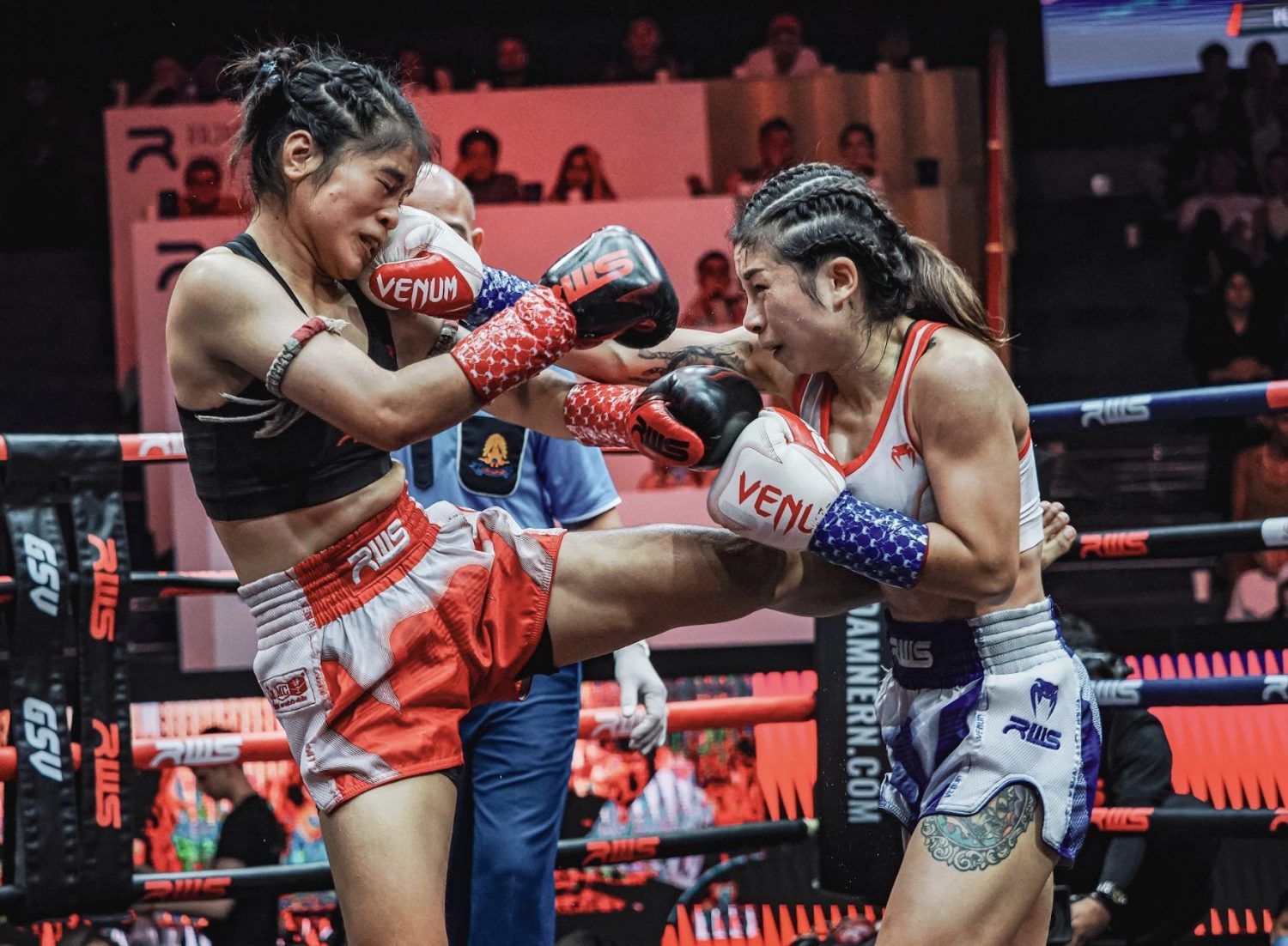
By leveraging influencers and professional fighters who double as content creators, the brand has maintained a constant presence in the digital consciousness. This organic marketing strategy has created a global community where a practitioner in Brazil can feel a direct brand connection to a camp in Phuket. The “vibe” of Muay Thai—raw, disciplined, and exotic—is its most marketable digital asset.
Strategic Monetization: Building a Business Around the “Art of Eight Limbs”
A brand’s strength is ultimately measured by its ability to generate value. The Muay Thai ecosystem has matured into a sophisticated network of licensing, tourism, and media rights that sustain its global presence.
Licensing and Standardization
For a brand to scale, there must be a level of consistency in the product. While Muay Thai was historically decentralized, recent years have seen a push toward standardization. Organizations are working to create unified grading systems and instructor certifications. From a brand management perspective, this is equivalent to creating a franchise manual. It ensures that “Muay Thai” delivered in a gym in Sydney meets the brand expectations of a consumer who has seen the sport on television. This standardization allows for the mass-market proliferation of Muay Thai-branded equipment, apparel, and digital training apps, creating multiple revenue streams.
Tourism Branding: The “Muay Thai Pilgrimage”
One of the most unique aspects of the Muay Thai brand is its integration with national tourism. The Thai government has strategically used Muay Thai as a pillar of its “Soft Power” initiative. This has created a “destination brand” where thousands of practitioners travel to Thailand annually for “training holidays.”
This is an elite form of brand engagement; consumers are not just buying a product, they are traveling across the world to immerse themselves in the brand’s birthplace. This “Muay Thai Pilgrimage” supports a massive infrastructure of gyms, hotels, and specialized retail, proving that a well-managed cultural brand can drive significant macroeconomic impact.
Personal Branding in Combat Sports: The Fighter as an Influencer
In the modern era, the strength of a corporate brand is often bolstered by the personal brands of its leading figures. In Muay Thai, fighters are no longer just athletes; they are the primary brand ambassadors who humanize the sport and drive engagement.
Narrative Arc and Fan Engagement
Successful Muay Thai promotions, such as ONE Championship, have mastered the art of “athlete branding.” They move away from the traditional “tough guy” trope and instead focus on the fighters’ backstories—their struggles, their families, and their contributions to their communities. This narrative-driven branding creates an emotional connection with the audience. When fans follow a fighter like Rodtang or Buakaw, they are engaging with a human brand story. This emotional investment translates into higher viewership, merchandise sales, and social media engagement, which in turn increases the overall value of the Muay Thai brand.
Cross-Industry Collaborations
The maturity of the Muay Thai brand is evident in its increasing number of cross-industry collaborations. We now see Muay Thai aesthetics in high-fashion runways and fighters appearing in major motion pictures and global advertising campaigns for non-endemic brands (such as energy drinks, tech, and automotive). These collaborations serve as “brand endorsements” from other sectors, validating Muay Thai’s status as a mainstream cultural force rather than a niche sporting activity.

Conclusion: The Future of the Muay Thai Brand
Muay Thai is far more than a system of physical combat; it is a sophisticated, multi-dimensional brand that has successfully navigated the complexities of global expansion. By leaning into its authentic heritage while simultaneously pivoting toward modern wellness and digital storytelling, it has secured a unique position in the global marketplace.
As the brand continues to evolve, the challenge will be maintaining the delicate balance between commercial scalability and cultural authenticity. However, the blueprint is clear: by treating tradition as an asset and the practitioner as a lifestyle consumer, Muay Thai has built a brand identity that is as resilient and powerful as the “Eight Limbs” it represents. For businesses and brand strategists in any industry, the rise of Muay Thai offers a compelling case study on how to turn local culture into a global legacy.
aViewFromTheCave is a participant in the Amazon Services LLC Associates Program, an affiliate advertising program designed to provide a means for sites to earn advertising fees by advertising and linking to Amazon.com. Amazon, the Amazon logo, AmazonSupply, and the AmazonSupply logo are trademarks of Amazon.com, Inc. or its affiliates. As an Amazon Associate we earn affiliate commissions from qualifying purchases.