
In the competitive landscape of the global maritime industry, few names command as much respect and curiosity as MSC Cruises. To the casual observer, MSC Cruises is a fleet of gleaming white vessels traversing the Mediterranean, the Caribbean, and beyond. However, from a strategic branding perspective, the answer to “what is MSC Cruises” is far more complex. It is the world’s largest privately held cruise line, a subsidiary of the Mediterranean Shipping Company (MSC) Group, and a masterclass in how a family-owned cargo giant successfully pivoted into a dominant consumer brand.
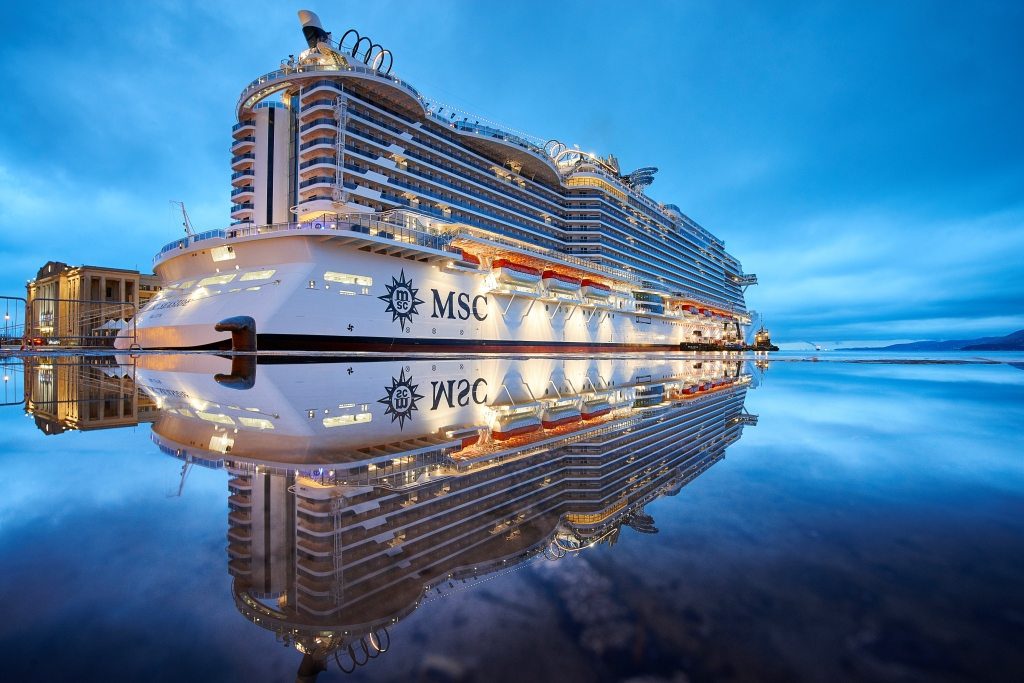
By examining the brand through the lenses of corporate identity, market positioning, and strategic expansion, we can uncover how MSC Cruises transformed from a regional player into a global powerhouse that challenges industry titans like Carnival and Royal Caribbean.
The Heritage of Excellence: Defining the MSC Corporate Identity
The identity of MSC Cruises is inextricably linked to its parent company’s heritage. Unlike many of its competitors, which are publicly traded entities answerable to shareholders, MSC Cruises remains under the private ownership of the Aponte family. This unique corporate structure has profound implications for its brand strategy, allowing for long-term vision over short-term quarterly gains.
From Cargo Roots to Leisure Luxury
The MSC brand began in 1970 as a one-ship cargo operation. The transition into the cruise sector in the late 1980s was not merely a diversification of assets; it was a carefully orchestrated brand extension. The company leveraged its logistical expertise in global shipping to build a foundation for a passenger service that emphasized reliability and scale. Today, the MSC logo—a compass rose—serves as a visual metaphor for the brand’s origins: a commitment to navigating the world’s oceans with precision.
The Mediterranean Aesthetic as a Brand Pillar
At the heart of the MSC Cruises brand is its “Mediterranean Soul.” While competitors often lean into a North American “fun ship” or “action-packed” identity, MSC has cultivated an image of European sophistication. This is reflected in everything from the interior design of the ships—featuring Swarovski crystal staircases and Italian marble—to the culinary offerings and the multilingual atmosphere onboard. By positioning itself as the “European cruise experts,” the brand appeals to a demographic seeking a more cosmopolitan and elegant experience than the typical mass-market cruise.
Strategic Market Positioning: Competing in a Crowded Horizon
In the brand world, positioning is about owning a specific “space” in the consumer’s mind. MSC Cruises has navigated a middle ground between the budget-friendly mass market and the ultra-luxury segment, a strategy that has allowed it to capture a vast and diverse audience.
The “Ship Within a Ship” Concept: The MSC Yacht Club
One of the most significant branding innovations in the cruise industry is the MSC Yacht Club. This “ship within a ship” concept is a sub-branding masterstroke. It allows MSC to market to the affluent traveler who desires exclusivity, 24-hour butler service, and private lounges, while still benefiting from the amenities of a mega-ship. Strategically, this allows the MSC brand to compete simultaneously with premium lines like Celebrity Cruises and luxury lines like Silversea, without diluting its core value proposition of being an accessible, grand-scale operator.
Bridging the Gap Between Mass Market and Premium Luxury
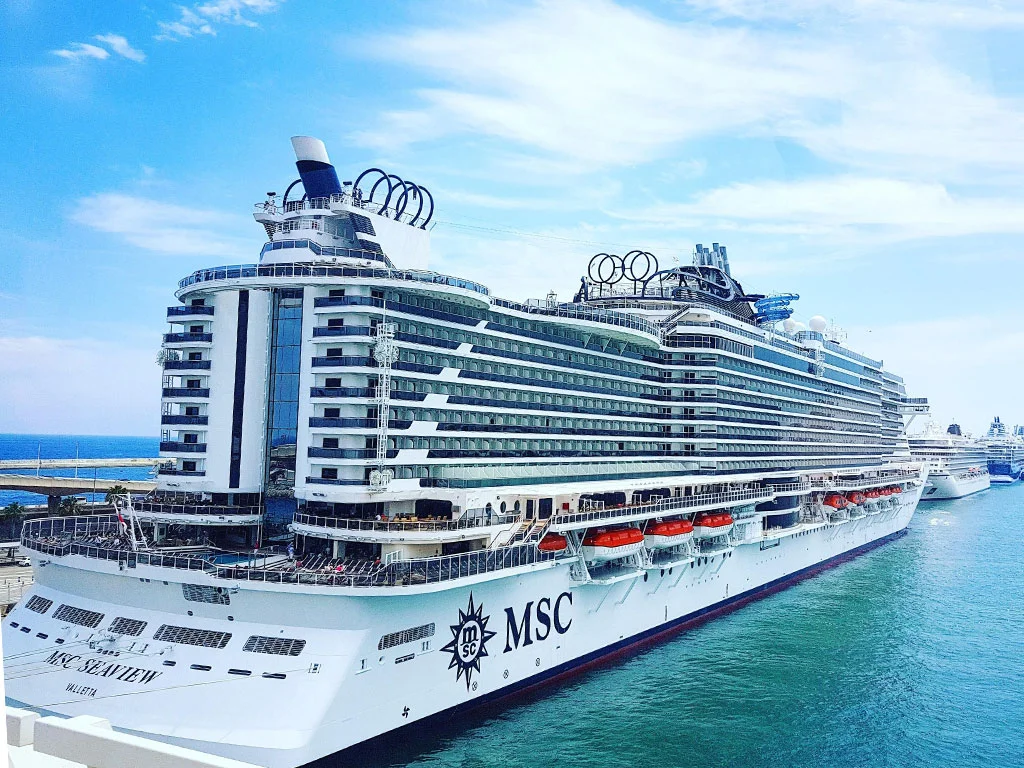
The brand’s positioning is further reinforced by its fleet expansion strategy. By building “World Class” and “Seaside Class” vessels, MSC has ensured that its physical brand assets are the newest and most modern in the industry. This focus on “newness” serves as a powerful marketing tool. In the cruise industry, the ship is the destination; by consistently launching ships that are architectural marvels, MSC reinforces a brand image of innovation and forward-thinking luxury.
The Omni-channel Marketing and Sensory Strategy
A brand is not just what people see; it is what they feel, hear, and even smell. MSC Cruises has invested heavily in sensory branding to create a cohesive and memorable experience that begins long before a passenger boards a ship and lingers long after they depart.
Sensory Branding: The Scent and Sound of MSC
One of the most subtle yet effective elements of the MSC brand strategy is the use of a signature scent throughout its fleet. This olfactory branding ensures that the moment a guest steps into the atrium, they are greeted by a familiar, high-end fragrance that triggers brand recognition. Similarly, the brand’s musical identity—characterized by live classical music and international flair—distinguishes it from the pop-centric atmosphere of its competitors. These sensory cues work together to build a “brand world” that is distinctively MSC.
Global Expansion Through Localized Marketing
While the core of the brand remains European, MSC’s marketing strategy is impressively localized. To penetrate the North American market, the brand adjusted its communication style, emphasizing its private island, Ocean Cay MSC Marine Reserve, and tailoring its onboard entertainment to suit American tastes. This ability to maintain a consistent global brand identity while adapting the “voice” of the brand for specific regions is a key driver of its rapid market share growth. It showcases a brand that is confident in its roots but flexible in its execution.
Brand Sustainability and the Future of Corporate Responsibility
In the modern era, a brand is judged by its impact on the planet. For a cruise line, this is a significant challenge. MSC Cruises has integrated sustainability into its brand core, recognizing that the future of its business depends on the health of the oceans it traverses.
The Blue Planet Narrative
The MSC Foundation serves as the philanthropic arm of the brand, focusing on marine conservation and disaster relief. By highlighting these efforts, MSC is not just engaging in “greenwashing”; it is building brand equity through corporate social responsibility. The restoration of Ocean Cay from an industrial sand-mining site to a flourishing marine reserve is a tangible brand story that resonates with environmentally conscious travelers. It transforms the brand from a consumer service into a steward of the environment.
Long-term Brand Equity through Technological Innovation
The launch of LNG-powered (Liquefied Natural Gas) ships like the MSC World Europa represents the brand’s commitment to “Future-Proofing.” From a brand strategy perspective, this positioning as an industry leader in green technology is vital. It appeals to a younger demographic—Millennials and Gen Z—who prioritize sustainability in their purchasing decisions. By being at the forefront of maritime technology, MSC ensures that its brand remains relevant and respected in an increasingly scrutinized industry.

Conclusion: The Enduring Power of the MSC Brand
When we ask “what is MSC Cruises,” we are essentially asking how a family-owned shipping company became a symbol of global leisure and luxury. The answer lies in a disciplined brand strategy that honors its Mediterranean heritage while relentlessly pursuing innovation.
Through the “Ship Within a Ship” exclusivity of the Yacht Club, a sophisticated sensory marketing approach, and a pioneering commitment to environmental sustainability, MSC Cruises has built a brand that is both aspirational and accessible. As the company continues to expand its fleet and enter new markets, its core identity—a blend of European elegance and global ambition—remains its most valuable asset. MSC Cruises is no longer just a cruise line; it is a global lifestyle brand that has successfully navigated the transition from the world of logistics to the world of dreams.
aViewFromTheCave is a participant in the Amazon Services LLC Associates Program, an affiliate advertising program designed to provide a means for sites to earn advertising fees by advertising and linking to Amazon.com. Amazon, the Amazon logo, AmazonSupply, and the AmazonSupply logo are trademarks of Amazon.com, Inc. or its affiliates. As an Amazon Associate we earn affiliate commissions from qualifying purchases.