
In the realm of modern technology, the concepts of motion and force have migrated from the pages of classical physics textbooks into the core architecture of our digital world. While Isaac Newton defined these principles through three laws of motion, today’s software engineers, roboticists, and AI researchers define them through algorithms, sensory feedback loops, and real-time simulations. Understanding what motion and force represent in a technological context is essential for grasping how everything from triple-A video games to autonomous delivery drones operates.
In tech, motion is not merely the change in position of an object; it is a data stream calculated at 120 frames per second. Force is not just a push or a pull; it is a vector quantity processed by physics engines to determine how virtual and physical systems interact. This intersection of classical mechanics and digital innovation forms the foundation of the modern technological landscape.
The Digital Physics of Reality: Motion and Force in Game Engines and Simulations
The most visible application of motion and force in the tech sector is within the sophisticated physics engines that power modern software. Whether it is a flight simulator used to train commercial pilots or a high-octane video game, the digital representation of physical laws is what creates immersion and functional utility.
Rigid Body Dynamics and Force Vectors
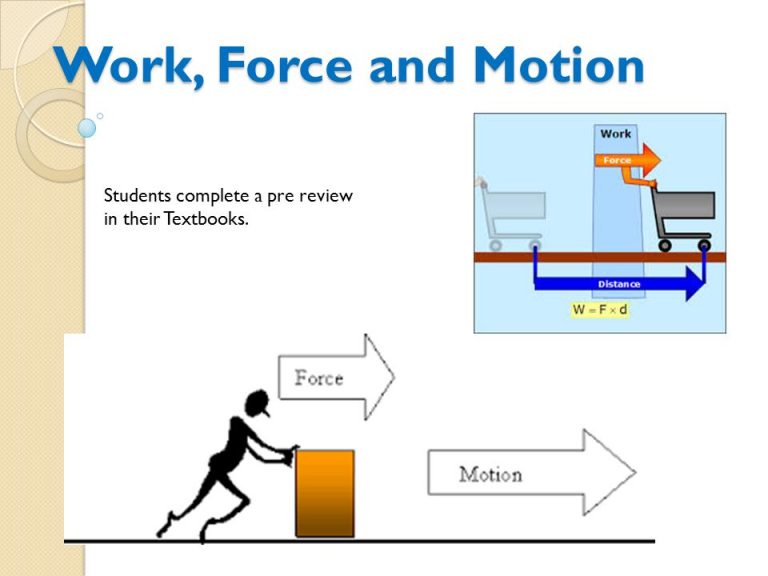
At the heart of engines like Unreal Engine 5 and Unity lies the concept of rigid body dynamics. In these environments, every object is assigned a mass and a set of physical properties. When a developer applies a “force” to a digital object, the engine calculates the resulting acceleration based on the object’s mass—mirroring Newton’s Second Law ($F=ma$).
In a gaming context, this means that a grenade explosion doesn’t just trigger an animation; it calculates a radial force that pushes every nearby object outward. The “motion” observed is the result of complex vector math, where the direction and magnitude of the force are processed in real-time. This level of computational physics allows for emergent gameplay, where the environment reacts predictably and realistically to the player’s actions.
Collision Detection: The Boundary of Virtual Force
Motion is meaningless in a digital space if objects can pass through one another without interaction. This is where collision detection comes into play. Force is simulated at the point of contact. When two virtual objects collide, the engine must calculate the “impulse”—a high force applied over a short period—to determine how those objects bounce, break, or stop.
Modern engines have moved beyond simple “hitboxes” to complex mesh-based collisions. This allows for microscopic calculations of force distribution. For instance, in automotive safety simulations, engineers use these digital forces to predict how a car’s frame will crumple during an impact, saving millions of dollars in physical testing and significantly advancing passenger safety.
Motion Control and Force Feedback in Robotics and Automation
While software simulations handle virtual motion, the field of robotics deals with the application of force in the physical world. For a robot to move, it must translate electrical energy into mechanical motion, a process that requires precise management of torque and resistance.
The Role of Actuators and Sensors
In robotics, motion is facilitated by actuators—the “muscles” of the machine. These components convert signals into movement. However, moving is only half the battle; the robot must also understand the force it is exerting. This is where force-torque sensors come in.
Consider a robotic arm in a manufacturing plant. If it is programmed to pick up a glass bottle, it must exert enough force to maintain a grip (overcoming gravity) but not so much that it shatters the object. This delicate balance is achieved through closed-loop feedback systems. The “force” here is a monitored variable that the computer adjusts thousands of times per second to ensure the motion remains fluid and the interaction remains safe.
Haptic Technology: Simulating Force for the Human Touch
One of the most exciting frontiers in tech is haptic feedback, which seeks to simulate the sensation of force for human users. From the “Taptic Engine” in iPhones to the advanced haptic suits used in VR, this technology uses motion to trick the human brain into feeling force.
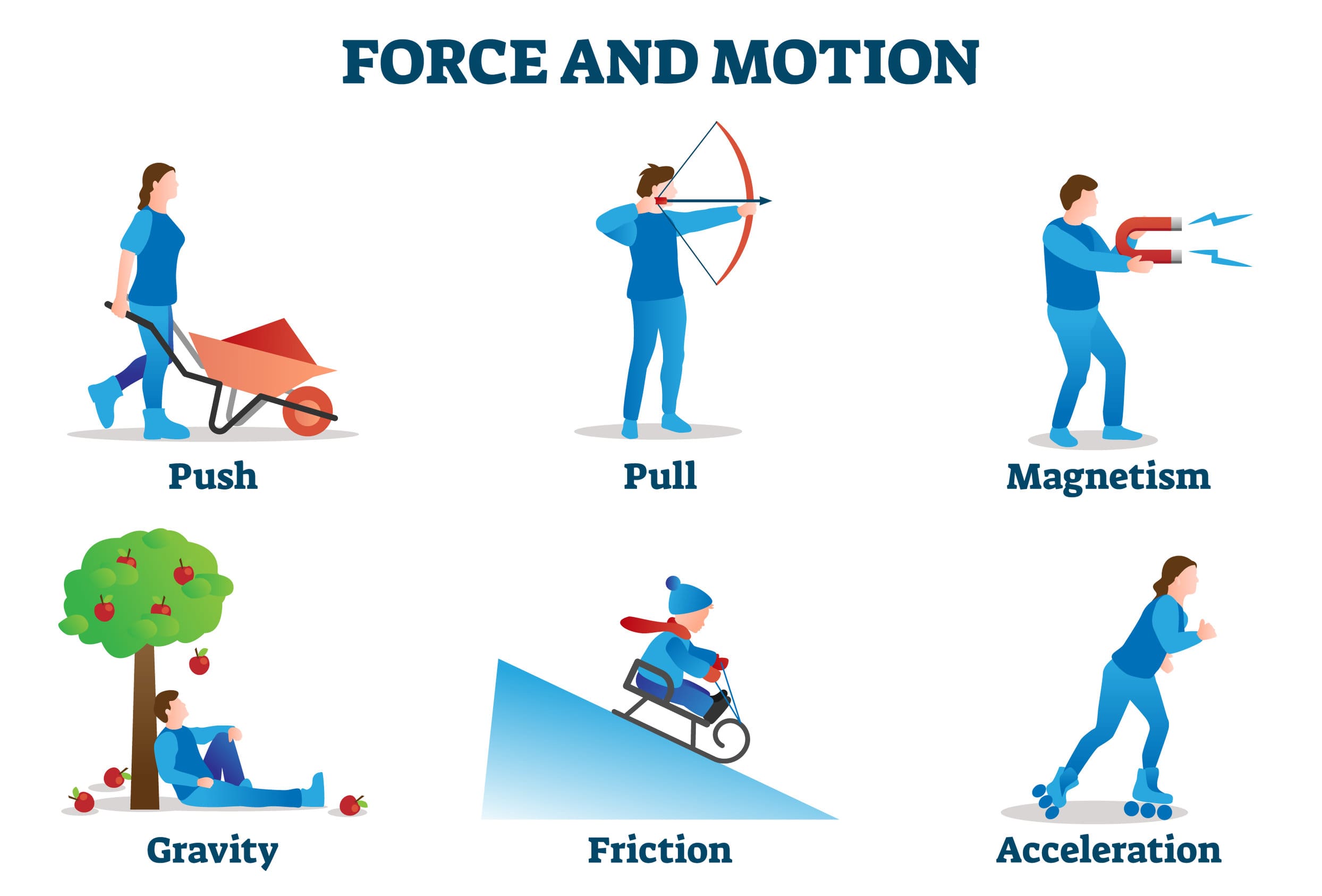
In robotic surgery, haptic technology is a game-changer. A surgeon operating a remote console can “feel” the resistance of the tissue they are cutting. The robotic system measures the force at the scalpel tip and translates that back into motion in the surgeon’s controller. This bidirectional flow of motion and force data allows for a level of precision that was previously impossible, bridging the gap between digital teleoperation and physical sensation.
The Influence of AI on Predictive Motion Modeling
Artificial Intelligence has fundamentally changed how we calculate and execute motion. Traditional physics engines rely on “deterministic” models—if you know the input force, you can calculate the exact motion. However, in complex, real-world environments, AI is needed to handle the variables that deterministic math cannot easily solve.
Machine Learning in Kinematics
Kinematics is the study of motion without considering the forces that cause it. In AI, “Inverse Kinematics” (IK) is used to determine how a multi-jointed system (like a human body or a robot arm) should move to reach a specific point. AI tools now use reinforcement learning to “teach” digital characters or robots how to move naturally.
Instead of a programmer manually coding every joint rotation, the AI is given a goal—such as “walk across this uneven terrain”—and a set of physical forces (gravity, friction). Through millions of iterations in a simulated environment, the AI learns the optimal motion patterns. This technology is currently being used to develop more agile bipedal robots and more lifelike animations in the film and tech industries.
Autonomous Systems: Navigating the Physical World
For autonomous vehicles and drones, understanding motion and force is a matter of digital security and safety. An autonomous car must constantly calculate the “momentum” of surrounding objects. Momentum, the product of mass and velocity, defines how much force would be involved in a potential collision.
Using Computer Vision and LiDAR, the vehicle’s AI calculates the motion vectors of pedestrians, cyclists, and other cars. It then applies “braking force” or “steering torque” to avoid accidents. This is physics operating at the speed of light—interpreting the laws of motion through silicon chips to make split-second decisions that protect human life.
Motion Design in UI/UX: The Psychology of Force in Digital Interfaces
Motion and force aren’t restricted to heavy machinery or complex simulations; they are also integral to the apps we use every day. In User Interface (UI) and User Experience (UX) design, “motion” refers to the transition of elements, while “force” is represented by the perceived weight and inertia of those elements.
Tweening, Easing, and Functional Animation
When you swipe a notification away on your smartphone, it doesn’t just disappear; it slides off the screen with a certain acceleration. This is “motion design.” Tech companies use “easing functions” to simulate the effects of force and friction. An element that stops instantly feels “robotic” and jarring, whereas an element that slows down gradually feels “natural” because it mimics the real-world effect of friction.
Creating Intuitive User Experiences Through Kinetic Feedback
The goal of using motion and force in UI is to provide the user with a mental model of how the software works. For example, the “pull-to-refresh” gesture used in many apps utilizes a simulated tension. As you pull down, the resistance seems to increase, simulating a physical spring. When you let go, the “snap back” motion signals that the action has been triggered. By applying these physical metaphors to digital pixels, designers create interfaces that are intuitive and satisfying to use.
The Future of Motion and Force: From Quantum to Metaverse
As we look toward the future, the tech industry is pushing the boundaries of how motion and force are computed. In the development of the Metaverse, the challenge is to create a persistent world where the laws of physics are consistent across different platforms. This requires “Physics as a Service,” where cloud servers calculate complex forces and stream the resulting motion to low-power devices like VR headsets.
Furthermore, the rise of quantum computing promises to revolutionize materials science by simulating motion and force at the molecular level. This could lead to the creation of new materials with specific “force-resistance” properties, such as lighter, stronger alloys for spacecraft or more efficient batteries.
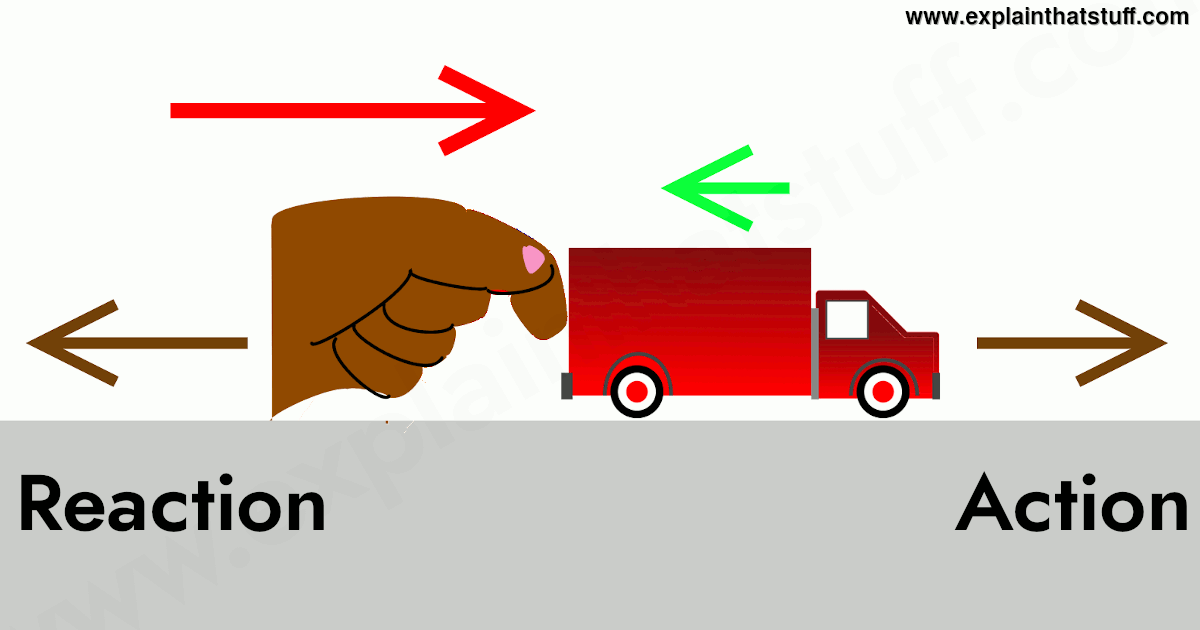
In conclusion, “motion and force” in the tech sector represent the bridge between the abstract world of code and the physical reality of our existence. Whether it is the subtle slide of an app icon, the powerful stride of a humanoid robot, or the complex trajectory of a self-driving car, these fundamental principles of physics are being redefined by technology every day. As our tools become more sophisticated, our ability to simulate, manipulate, and utilize motion and force will only continue to expand, driving the next generation of digital and mechanical innovation.
aViewFromTheCave is a participant in the Amazon Services LLC Associates Program, an affiliate advertising program designed to provide a means for sites to earn advertising fees by advertising and linking to Amazon.com. Amazon, the Amazon logo, AmazonSupply, and the AmazonSupply logo are trademarks of Amazon.com, Inc. or its affiliates. As an Amazon Associate we earn affiliate commissions from qualifying purchases.