
For many, the dream of homeownership is a cornerstone of financial stability and personal fulfillment. Yet, the path to achieving this dream often involves navigating complex financial instruments, the most significant of which is typically the mortgage. Far more than just a loan, a mortgage is a sophisticated financial agreement that can profoundly impact an individual’s financial landscape for decades. Understanding its intricacies is not merely advisable; it is essential for making informed decisions, securing favorable terms, and ultimately realizing the ambition of owning a home.
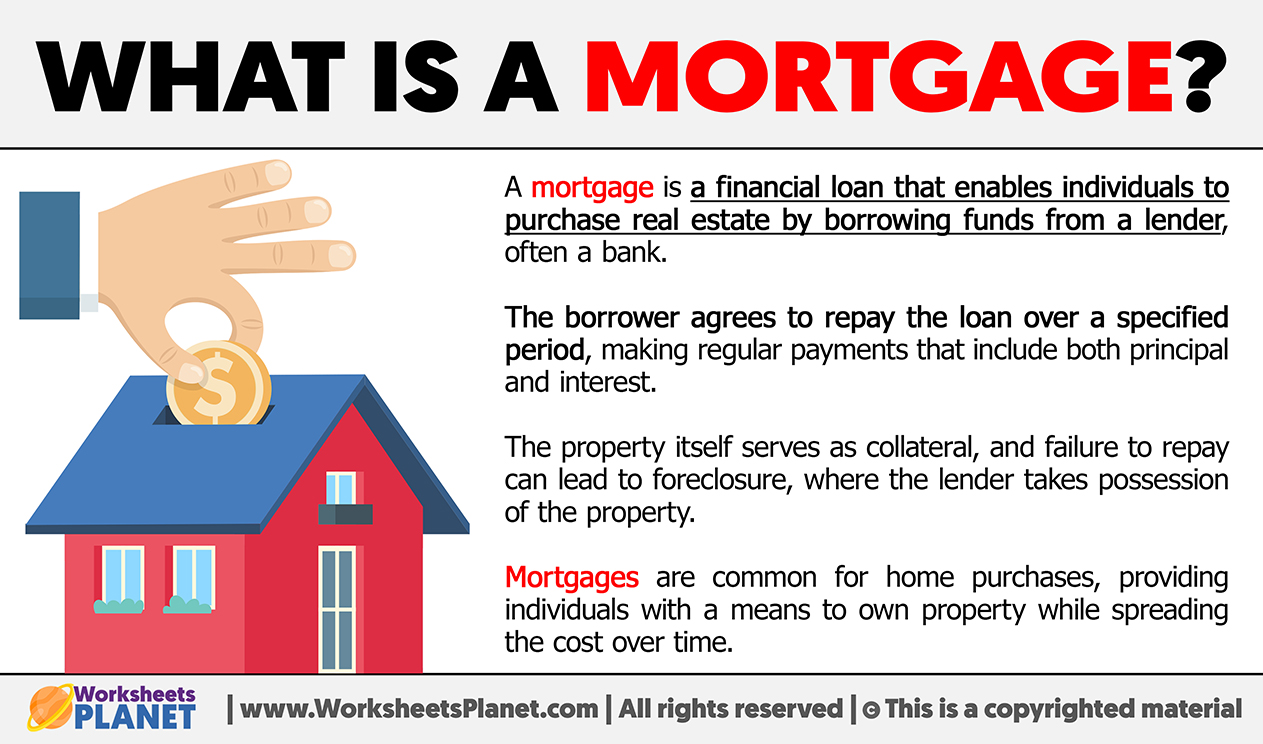
In essence, a mortgage is a loan specifically used to purchase real estate. Unlike other forms of debt, a mortgage is secured by the property itself, meaning the house or land serves as collateral for the loan. This characteristic makes mortgages a unique and powerful tool, enabling individuals to acquire assets that would otherwise be out of immediate financial reach. However, this security also places significant responsibility on the borrower, as failure to meet repayment obligations can lead to severe consequences, including the loss of the property through foreclosure. This comprehensive guide will demystify the mortgage, breaking down its components, types, application process, and crucial management strategies, empowering you with the knowledge to approach homeownership with confidence and clarity.
Understanding the Core Concept of a Mortgage
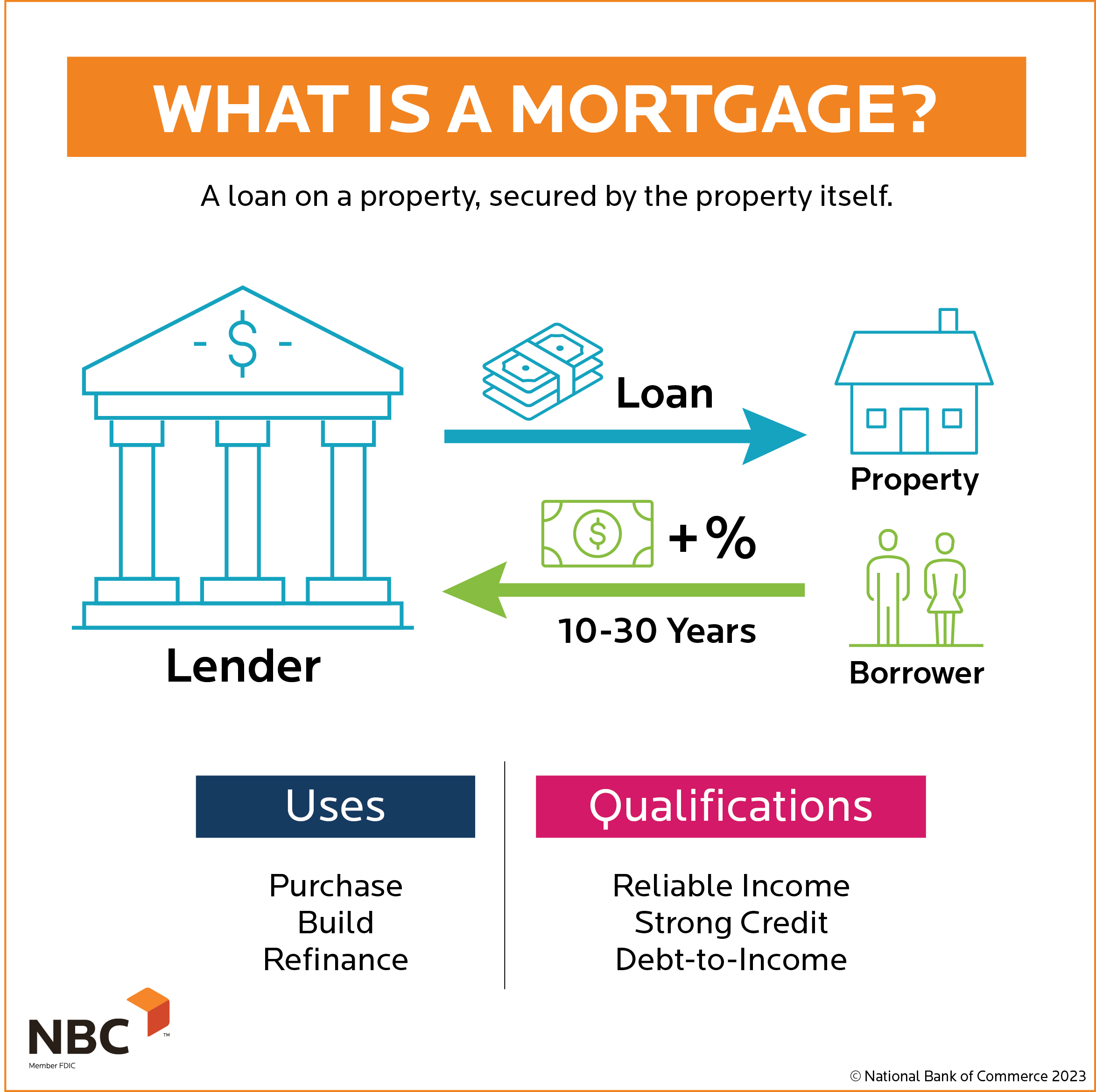
At its heart, a mortgage is a bilateral contract between a borrower (the homeowner) and a lender (typically a bank or financial institution). This contract outlines the terms under which the lender provides a substantial sum of money to the borrower for the purchase of property, with the promise of repayment over a specified period, along with interest.
The Lender-Borrower Relationship
The relationship begins with the lender advancing funds to the borrower. In return, the borrower commits to a schedule of payments, typically monthly, which cover both a portion of the original loan amount (principal) and the cost of borrowing (interest). This relationship is legally formalized through a promissory note, which obligates the borrower to repay the debt, and a mortgage or deed of trust, which gives the lender a lien on the property. This lien is what secures the loan, giving the lender the right to take possession of the property if the borrower defaults on their payments.
Collateral and Foreclosure
The concept of collateral is central to mortgage lending. The property being purchased acts as security for the loan. Should the borrower fail to make their agreed-upon payments, they are considered to be in default. At this point, the lender has the legal right to initiate foreclosure proceedings. Foreclosure is the legal process by which the lender repossesses and sells the property to recover the outstanding loan balance. This is a last resort for lenders and a devastating outcome for borrowers, underscoring the importance of understanding and fulfilling mortgage obligations.
Principal, Interest, Taxes, and Insurance (PITI)
A common acronym in mortgage finance is PITI, which stands for Principal, Interest, Taxes, and Insurance. These four components typically make up a homeowner’s total monthly mortgage payment.
- Principal: This is the portion of your payment that goes towards reducing the original loan amount. As you pay down the principal, your equity in the home increases.
- Interest: This is the cost of borrowing money from the lender. Early in the loan term, a larger portion of your monthly payment often goes towards interest, gradually shifting more towards principal over time.
- Taxes: Property taxes are levied by local government authorities based on the assessed value of your home. Lenders often collect an estimated amount for property taxes with each monthly payment and hold it in an escrow account, paying the tax bill on your behalf when it’s due.
- Insurance: This includes homeowner’s insurance, which protects your property against damage, theft, and liability. If your down payment is less than 20%, you may also be required to pay for private mortgage insurance (PMI), which protects the lender in case you default. Like taxes, insurance premiums are often collected via an escrow account.
The Amortization Schedule
A mortgage is repaid over a fixed period through a process called amortization. An amortization schedule details each payment over the life of the loan, showing how much goes towards principal and how much towards interest. In the initial years, a larger percentage of your payment typically covers interest, and a smaller portion reduces the principal. As the loan matures, this ratio gradually shifts, with more of your payment allocated to principal reduction. Understanding this schedule can help borrowers grasp how their equity grows over time and the total cost of their loan.
Types of Mortgages: Finding Your Fit
The mortgage market offers a diverse array of loan products, each designed to meet different financial situations and risk tolerances. Choosing the right type of mortgage is a critical decision that can significantly impact your monthly payments, the total cost of your loan, and your financial flexibility.
Fixed-Rate Mortgages
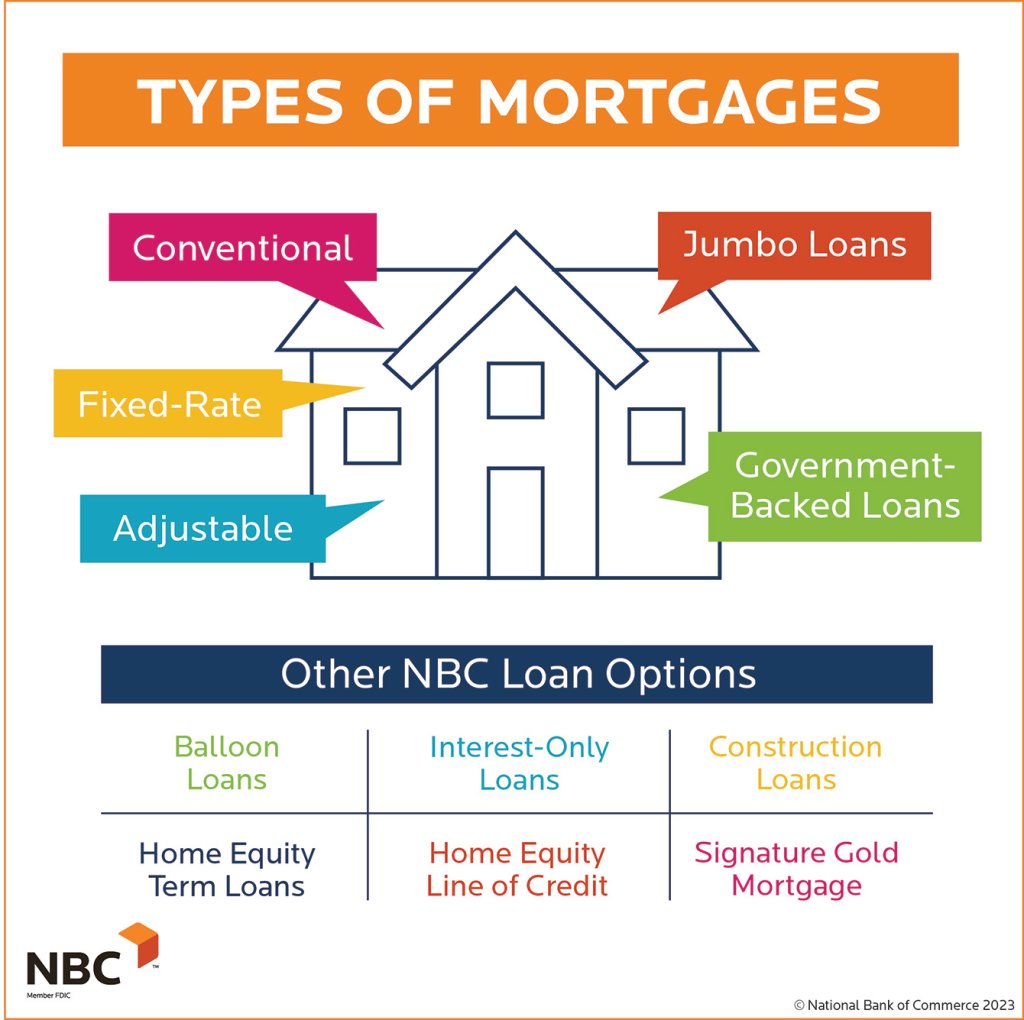
The fixed-rate mortgage is perhaps the most straightforward and popular type of home loan. With a fixed-rate mortgage, the interest rate remains constant for the entire duration of the loan, typically 15 or 30 years. This provides predictability and stability, as your principal and interest payment will not change over time, regardless of market fluctuations. This consistency makes budgeting easier and protects borrowers from potential interest rate spikes, though it also means they won’t benefit if market rates fall without refinancing.
Adjustable-Rate Mortgages (ARMs)
In contrast to fixed-rate mortgages, Adjustable-Rate Mortgages (ARMs) feature an interest rate that can change periodically after an initial fixed-rate period. For example, a “5/1 ARM” means the interest rate is fixed for the first five years, and then adjusts annually thereafter. When the rate adjusts, it is typically tied to an economic index, plus a margin set by the lender. ARMs often start with a lower interest rate than fixed-rate mortgages, making them attractive to buyers who plan to sell or refinance before the fixed period ends, or those comfortable with potential payment volatility. However, the risk lies in the possibility of significant payment increases if interest rates rise. Most ARMs have caps that limit how much the interest rate can increase per adjustment period and over the life of the loan.
Government-Backed Loans (FHA, VA, USDA)
Several government agencies offer mortgage programs designed to make homeownership more accessible to specific groups of buyers or in certain geographic areas.
- FHA Loans: Insured by the Federal Housing Administration, FHA loans are popular among first-time homebuyers or those with lower credit scores. They typically require a lower down payment (as little as 3.5%) and have more lenient credit requirements than conventional loans. However, FHA loans require borrowers to pay mortgage insurance premiums (MIP) for the life of the loan or a significant portion of it.
- VA Loans: Guaranteed by the U.S. Department of Veterans Affairs, VA loans are available to eligible service members, veterans, and their spouses. They are highly advantageous, often requiring no down payment and no private mortgage insurance (PMI). They also typically feature competitive interest rates.
- USDA Loans: Backed by the U.S. Department of Agriculture, USDA loans are designed for low-to-moderate income borrowers purchasing homes in eligible rural areas. These loans often require no down payment and offer reduced mortgage insurance premiums, making them very attractive for qualifying individuals.
Jumbo Loans and Other Niche Products
For properties that exceed the conventional loan limits set by government-sponsored enterprises like Fannie Mae and Freddie Mac, borrowers may need a jumbo loan. These loans are for larger amounts and typically have stricter credit and down payment requirements due to the increased risk involved. Beyond these, the market offers various niche products, such as interest-only mortgages (where for an initial period, only interest is paid), construction loans (for building a home), and reverse mortgages (for seniors to convert home equity into cash without selling the home). Each has specific use cases and implications that require careful consideration.
The Mortgage Application Process: A Step-by-Step Guide
Securing a mortgage can seem daunting, but breaking the process down into manageable steps can make it much clearer. From initial inquiry to closing, understanding each stage helps prepare you for a smoother experience.
Pre-Approval vs. Pre-Qualification
The first step for many prospective homeowners is to understand their borrowing capacity.
- Pre-qualification is an informal estimate of how much you might be able to borrow, based on a brief review of your finances. It’s a quick check, often done over the phone or online, and does not involve a deep dive into your credit history.
- Pre-approval is a much more rigorous process. A lender formally evaluates your creditworthiness, income, assets, and debts, and verifies your financial information. If approved, you receive a conditional commitment letter stating the maximum loan amount you qualify for. A pre-approval letter is a powerful tool when house hunting, signaling to sellers that you are a serious and qualified buyer.
Gathering Your Documents
Once you’re ready to apply, you’ll need to compile a comprehensive set of financial documents. This typically includes:
- Proof of Income: Pay stubs, W-2 forms, tax returns (for the past two years), and bank statements. Self-employed individuals will need more extensive documentation, such as profit and loss statements.
- Assets: Bank statements, investment account statements, and any other evidence of funds for a down payment and closing costs.
- Debts: Statements for credit cards, auto loans, student loans, and any other outstanding debts.
- Credit History: Lenders will pull your credit report and score to assess your repayment history and financial reliability.
- Identification: Government-issued ID, such as a driver’s license or passport.
Underwriting and Appraisal
After you’ve submitted your application and found a home, the loan moves into the underwriting phase. The underwriter is the professional who critically evaluates your entire financial profile, the property, and the loan amount to ensure it meets both the lender’s and governmental guidelines. They assess the risk involved in lending to you. Simultaneously, the lender will order an appraisal of the property. An independent appraiser determines the market value of the home to ensure it is at least equal to the loan amount. This protects the lender from lending more than the property is worth. A home inspection is also crucial here (though usually ordered by the buyer), to identify any potential issues with the property’s condition.
Closing the Loan
The final stage is the closing, also known as settlement. This is where all parties involved in the transaction—buyer, seller, lender, and closing agent (attorney or title company)—meet to sign the final documents. During closing, you will pay your down payment and closing costs (fees associated with processing the loan and transferring property ownership). The funds are then transferred, and the property title is officially transferred to your name. You will receive a “Closing Disclosure” at least three business days before closing, detailing all the final terms of your loan, including interest rate, monthly payments, and total closing costs. Review this document meticulously to ensure accuracy.
Key Factors Influencing Your Mortgage
Several critical factors play a significant role in determining whether you qualify for a mortgage, the interest rate you receive, and ultimately, the overall cost of your home loan. Understanding these elements can help you strategically position yourself for the best possible terms.
Credit Score and History
Your credit score is arguably one of the most important factors. It is a numerical representation of your creditworthiness, based on your payment history, amounts owed, length of credit history, new credit, and credit mix. Lenders use this score to gauge the likelihood of you repaying your loan on time. A higher credit score (typically above 740 for conventional loans) generally qualifies you for lower interest rates, as it signals a lower risk to the lender. A robust credit history, demonstrating consistent on-time payments and responsible credit management, is crucial.
Debt-to-Income (DTI) Ratio
The Debt-to-Income (DTI) ratio is another vital metric lenders use to assess your ability to manage monthly payments. It is calculated by dividing your total monthly debt payments (including the prospective mortgage payment, credit cards, auto loans, student loans, etc.) by your gross monthly income. Lenders typically look for a DTI ratio below 43%, though this can vary depending on the loan program. A lower DTI indicates that you have sufficient income to cover your existing debts and new mortgage payments without financial strain.
Down Payment Size
The down payment is the initial sum of money you pay upfront for the home. A larger down payment generally translates to a smaller loan amount, which can reduce your monthly payments and the total interest paid over the life of the loan. Furthermore, a down payment of 20% or more on a conventional loan often eliminates the need for private mortgage insurance (PMI), saving you significant monthly costs. While some loans (like FHA and VA) require much lower or no down payments, providing a substantial down payment can significantly strengthen your mortgage application and improve your loan terms.
Interest Rates and Market Conditions
The interest rate is the cost of borrowing money and directly impacts your monthly payment and the total cost of the loan. Mortgage interest rates are influenced by a complex interplay of economic factors, including the Federal Reserve’s monetary policy, inflation expectations, bond market performance, and overall economic stability. When market interest rates are low, it’s a favorable time to secure a mortgage, as it will result in lower monthly payments and less interest paid over the loan’s term. Conversely, rising rates can make homeownership more expensive. Keeping an eye on prevailing interest rate trends can help you decide the optimal time to apply for a mortgage or consider refinancing.
Managing Your Mortgage: Responsibilities and Strategies
Securing a mortgage is a monumental step, but it marks the beginning of a long-term financial commitment. Effective mortgage management is key to maintaining financial health, building equity, and potentially saving a significant amount over the life of the loan.
Understanding Your Monthly Payments
It’s critical to fully understand what comprises your monthly mortgage payment (PITI, as discussed earlier). Keep track of your amortization schedule, which shows how your payments are allocated between principal and interest over time. Ensure you have a clear picture of your escrow account, if applicable, for property taxes and homeowner’s insurance. Regularly reviewing your mortgage statements helps you identify any discrepancies and understand your loan’s progress. Budgeting effectively to ensure these payments are always met on time is paramount to avoid late fees, negative credit impacts, and ultimately, the risk of foreclosure.
Refinancing Options
Refinancing involves replacing your existing mortgage with a new one, often with different terms. Homeowners typically refinance to:
- Lower their interest rate: If market rates have dropped significantly since you originated your loan.
- Reduce their monthly payment: By securing a lower rate or extending the loan term.
- Shorten their loan term: Moving from a 30-year to a 15-year mortgage can save substantial interest, though it increases monthly payments.
- Convert an ARM to a fixed-rate mortgage: To gain payment stability.
- Tap into home equity (cash-out refinance): To fund major expenses like home renovations or debt consolidation.
Refinancing involves closing costs, so it’s essential to calculate whether the long-term savings outweigh these upfront expenses.
Making Extra Payments
One of the most effective strategies for saving on interest and paying off your mortgage faster is to make extra payments towards your principal. Even small, consistent additional payments can significantly reduce the total interest paid and shorten your loan term. Common strategies include:
- Making one extra principal payment per year: This can often be achieved by adding 1/12th of your monthly payment to each regular payment.
- Making bi-weekly payments: Paying half of your monthly payment every two weeks results in 26 half-payments, effectively making one extra full payment per year.
- Applying windfalls: Using bonuses, tax refunds, or other unexpected income directly towards your principal.
Always ensure any extra payments are clearly designated by your lender to go towards principal reduction, not just pre-paying future interest.
When to Seek Professional Advice
Navigating the complexities of mortgages and homeownership doesn’t have to be a solo journey. There are many instances where professional advice can be invaluable:
- Before buying a home: A reputable mortgage broker or loan officer can help you understand your options, improve your credit score, and get pre-approved.
- When facing financial hardship: If you anticipate difficulty making payments, contact your lender immediately. They may offer forbearance, loan modification, or other solutions to help you avoid default. A housing counselor approved by the Department of Housing and Urban Development (HUD) can also provide free or low-cost advice.
- Considering a refinance: A financial advisor or mortgage professional can help you analyze the costs and benefits of refinancing and determine if it’s the right move for your financial goals.
- Estate planning: Understanding how your mortgage fits into your overall estate plan is crucial, especially as you approach retirement or wish to pass on assets.
In conclusion, a mortgage is more than just a financial obligation; it’s a gateway to homeownership, a significant asset, and a powerful tool for wealth building. By thoroughly understanding its mechanics, exploring the various types available, preparing diligently for the application process, recognizing the factors that influence its terms, and diligently managing your loan, you can transform the daunting prospect of a mortgage into a well-managed component of your long-term financial success.
aViewFromTheCave is a participant in the Amazon Services LLC Associates Program, an affiliate advertising program designed to provide a means for sites to earn advertising fees by advertising and linking to Amazon.com. Amazon, the Amazon logo, AmazonSupply, and the AmazonSupply logo are trademarks of Amazon.com, Inc. or its affiliates. As an Amazon Associate we earn affiliate commissions from qualifying purchases.