
For many, the word “mortgage” is synonymous with homeownership. However, from a financial perspective, a mortgage is far more than a simple loan for a house; it is a sophisticated debt instrument that serves as a cornerstone of personal finance and a primary vehicle for long-term wealth accumulation. Understanding the mechanics, costs, and strategic implications of a mortgage is essential for anyone looking to navigate the complexities of the modern financial landscape.
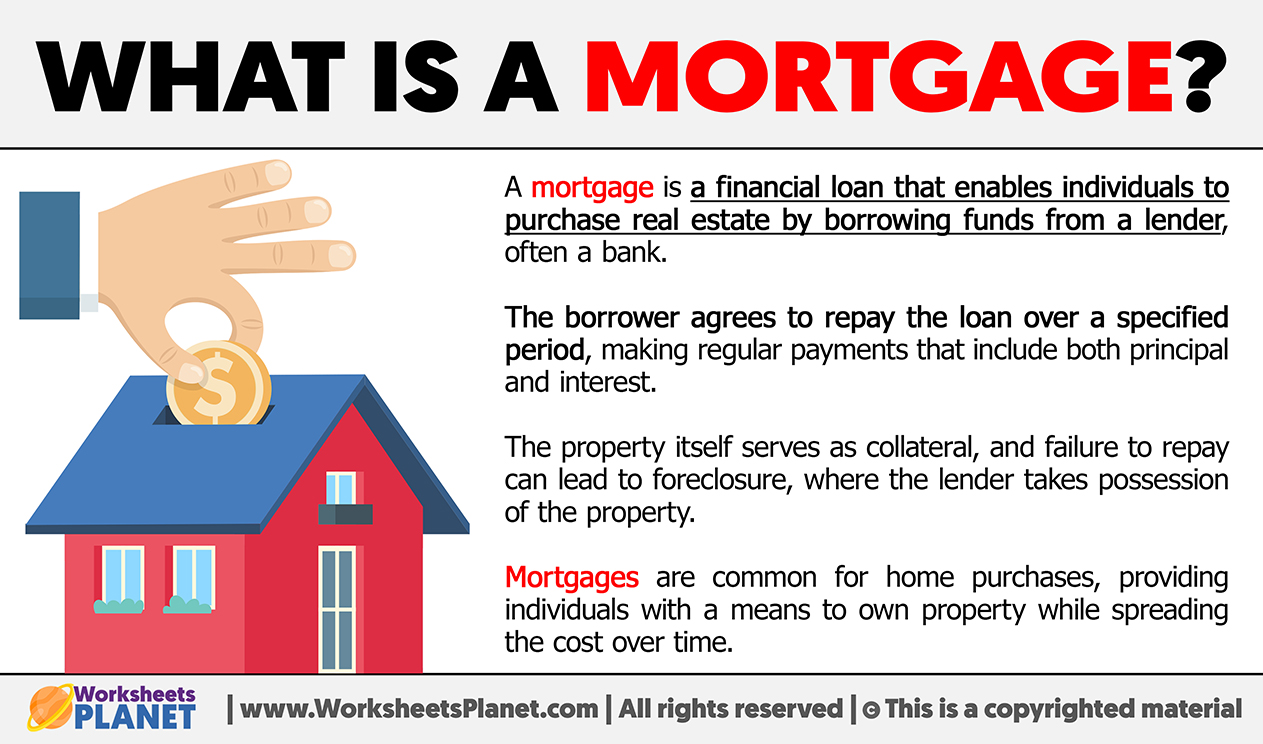
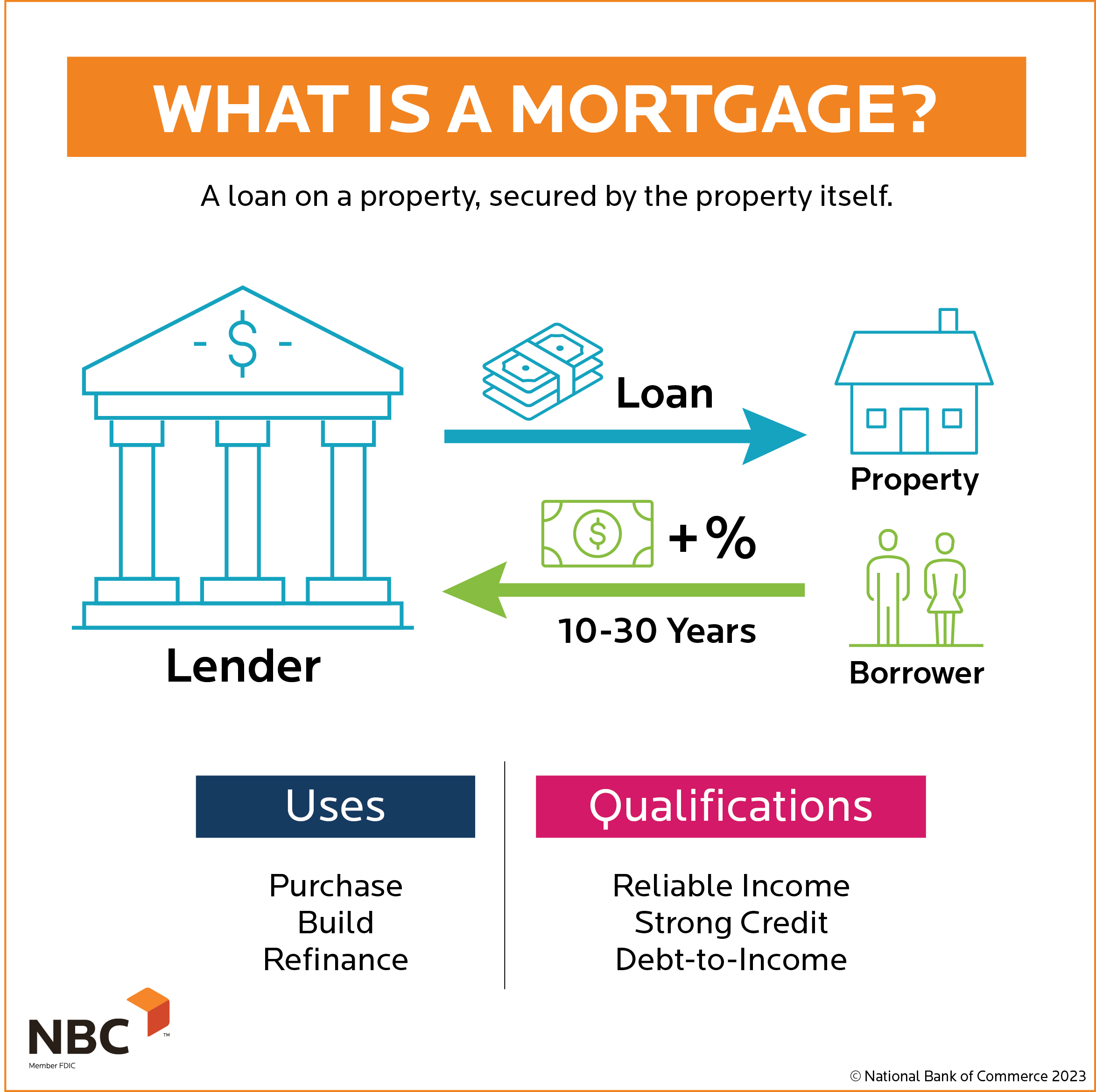
In its simplest form, a mortgage is a legal agreement in which a lender provides funds to a borrower to purchase real estate, using that same property as collateral. If the borrower fails to meet the repayment terms, the lender has the right to seize the property through foreclosure. While the concept sounds straightforward, the nuances of interest rates, amortization, and loan structures can significantly impact your financial health for decades.
The Anatomy of a Mortgage: Understanding the Four Pillars
When you sign a mortgage agreement, your monthly payment is rarely a single, static figure that goes entirely toward paying off your debt. Instead, most mortgages are comprised of four distinct components, often referred to by the acronym PITI: Principal, Interest, Taxes, and Insurance.
Principal and Interest
The principal is the actual amount of money you borrowed from the lender. If you buy a home for $400,000 and put down $80,000, your principal balance is $320,000. The interest is the cost the lender charges you for borrowing that money. In the early years of a mortgage, a significant portion of your monthly payment is directed toward interest, with a smaller fraction reducing the principal. As the loan matures, this ratio shifts through a process known as amortization.
Property Taxes
Local governments charge property taxes to fund public services such as schools, roads, and emergency services. Most lenders require borrowers to pay a portion of their annual property tax bill each month as part of their mortgage payment. This money is held in an escrow account and paid to the municipality on the borrower’s behalf.
Homeowners Insurance and PMI
Lenders require you to protect their collateral with a homeowners insurance policy. Additionally, if your down payment is less than 20% of the home’s value, you will likely be required to pay Private Mortgage Insurance (PMI). PMI does not protect you; it protects the lender in case you default on the loan. Understanding how to eventually eliminate PMI is a key tactic in reducing monthly financial overhead.
Navigating Mortgage Types and Lending Strategies
Not all mortgages are created equal. The type of loan you choose will dictate your interest rate, your monthly payment stability, and your total cost of borrowing. Selecting the right product depends on your financial goals, your risk tolerance, and how long you plan to stay in the home.
Fixed-Rate vs. Adjustable-Rate Mortgages (ARMs)
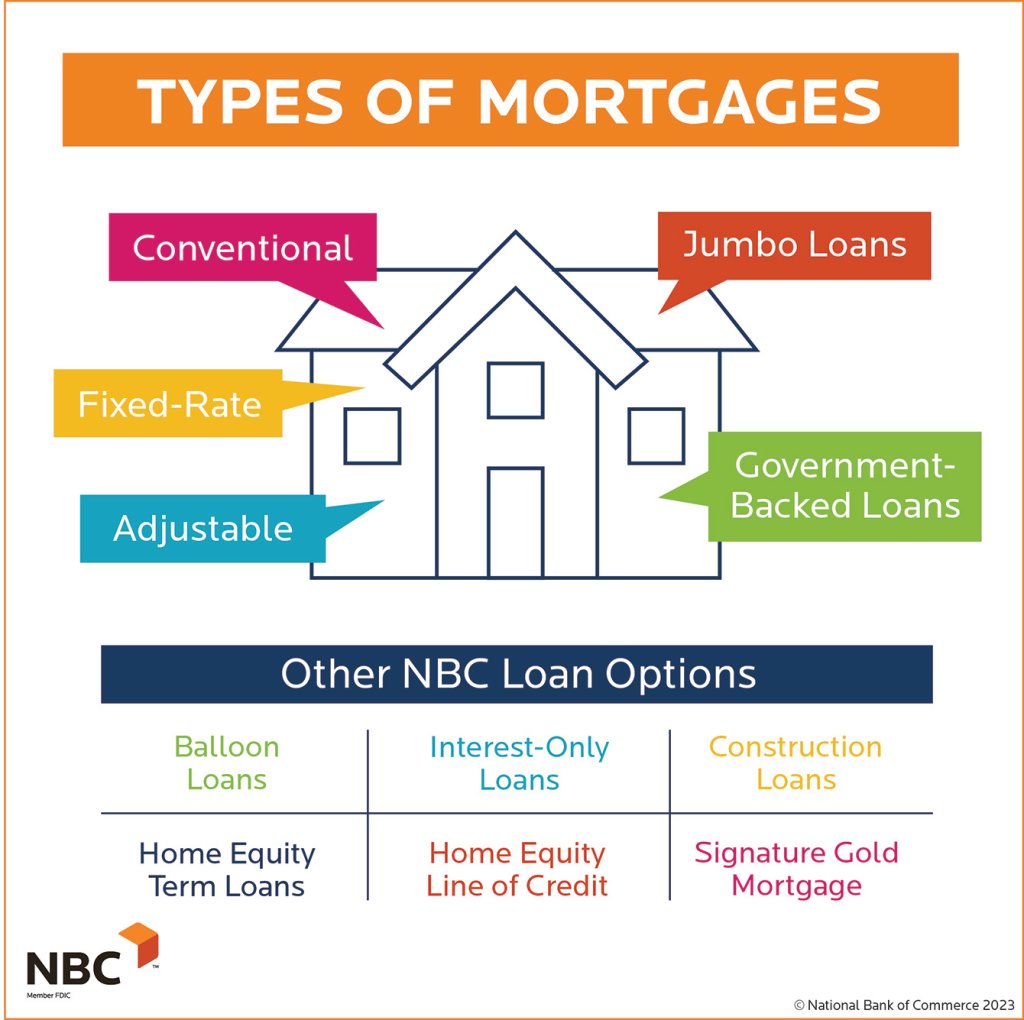
A fixed-rate mortgage is the gold standard for financial stability. Whether the term is 15 or 30 years, the interest rate remains the same for the life of the loan. This protects the borrower from inflation and rising interest rates. In contrast, an Adjustable-Rate Mortgage (ARM) offers a lower “teaser” rate for an initial period (usually 5, 7, or 10 years), after which the rate adjusts based on market indices. ARMs can be beneficial for those who plan to sell or refinance before the adjustment period, but they carry significant risk if market rates spike.
Government-Backed Loans
For many first-time buyers or those with limited capital, government-backed loans provide a path to entry. FHA loans, backed by the Federal Housing Administration, allow for down payments as low as 3.5% and have more lenient credit requirements. VA loans, available to veterans and active-duty service members, often require no down payment at all. While these programs lower the barrier to entry, they often come with specific insurance premiums that must be factored into the long-term cost.
Conventional and Jumbo Loans
Conventional loans are not insured by the federal government and typically adhere to the guidelines set by Fannie Mae and Freddie Mac. They often offer better terms for those with high credit scores and substantial down payments. When a loan amount exceeds the “conforming” limits set by these agencies—often in high-cost real estate markets—it is classified as a Jumbo loan. These require more rigorous underwriting and higher cash reserves.
The Financial Impact: Amortization and the True Cost of Borrowing
One of the most critical aspects of a mortgage is the amortization schedule. This is a table that details every payment over the life of the loan, showing how much goes to principal versus interest. Understanding this schedule is vital for managing your long-term personal balance sheet.
The Front-Loading of Interest
In a standard 30-year fixed-rate mortgage, the interest is “front-loaded.” During the first few years, the majority of your payment covers the interest cost, meaning your equity in the home grows very slowly. For example, on a $300,000 loan at a 6% interest rate, you might pay nearly $18,000 in interest in the first year alone, while only reducing the principal by about $3,500. This is why many financial advisors suggest making extra principal payments early in the loan term to drastically reduce the total interest paid over time.
The 15-Year vs. 30-Year Dilemma
The choice between a 15-year and a 30-year mortgage is a classic personal finance debate. A 15-year mortgage typically offers a lower interest rate and allows you to build equity twice as fast. However, it requires a much higher monthly payment, which could strain your cash flow and limit your ability to invest in other assets like the stock market. A 30-year mortgage offers the lowest possible monthly payment, providing financial flexibility, but results in a significantly higher total interest cost over the life of the loan.
Strategies for Debt Acceleration
For those looking to maximize their net worth, “paying off the mortgage” is a common goal. Strategies such as bi-weekly payments (making 13 full payments a year instead of 12) or applying annual bonuses directly to the principal can shave years off a mortgage. However, investors must weigh the “opportunity cost” of this strategy. If your mortgage interest rate is 3% but the stock market is returning 7%, it may be more financially advantageous to keep the low-interest debt and invest the surplus cash elsewhere.
Qualification: The Role of Credit and Debt-to-Income Ratios
Lenders do not hand out mortgages based on a handshake; they use a rigorous mathematical framework to assess risk. To secure the best possible terms, you must optimize your financial profile before applying.
The Power of the Credit Score
In the world of mortgages, your credit score is your most valuable financial asset. A difference of 100 points on your FICO score can be the difference between a competitive interest rate and one that costs you an extra $100,000 over 30 years. Lenders use these scores to predict the likelihood of default. Maintaining a low credit utilization ratio and a history of on-time payments is essential for mortgage readiness.
Managing the Debt-to-Income (DTI) Ratio
Lenders also look closely at your Debt-to-Income (DTI) ratio, which is the percentage of your gross monthly income that goes toward paying debts (including the proposed mortgage, car loans, student loans, and credit cards). Most lenders prefer a DTI below 36%, though some programs allow for higher. Keeping your non-housing debt low is the most effective way to increase your “buying power” and ensure you are not “house poor”—a state where so much income goes toward a mortgage that there is little left for savings or lifestyle.
Real Estate as a Wealth-Building Tool
Ultimately, a mortgage is a tool for leverage. It allows an individual to control a high-value asset with a relatively small amount of their own capital. This leverage is the primary reason why real estate has historically been a path to wealth for the middle class.
Building Equity and Net Worth
Equity is the difference between the market value of your home and the remaining balance on your mortgage. Equity grows in two ways: through your monthly principal payments and through property appreciation. Over decades, as the mortgage balance decreases and the property value increases (historically keeping pace with or exceeding inflation), the homeowner’s net worth grows substantially. This “forced savings” mechanism is often the largest component of a retiree’s wealth.
Leveraging Mortgage Debt for Investment
For the financially savvy, a mortgage can also be used to acquire investment properties. By using a mortgage to buy a rental property, the owner can use the tenant’s rent to cover the PITI payments. This allows the investor to build equity using someone else’s money. Furthermore, mortgages on primary residences can sometimes be tapped through Home Equity Lines of Credit (HELOCs) or cash-out refinances to fund business ventures or other investments, provided the risks are carefully managed.
In conclusion, a mortgage is not merely a debt to be feared, but a strategic financial tool to be mastered. By understanding the components of your payment, choosing the right loan structure, and managing your credit and debt ratios, you can transform a mortgage from a monthly burden into a powerful engine for long-term financial security and prosperity.
aViewFromTheCave is a participant in the Amazon Services LLC Associates Program, an affiliate advertising program designed to provide a means for sites to earn advertising fees by advertising and linking to Amazon.com. Amazon, the Amazon logo, AmazonSupply, and the AmazonSupply logo are trademarks of Amazon.com, Inc. or its affiliates. As an Amazon Associate we earn affiliate commissions from qualifying purchases.