
The mortgage rate is arguably the most significant number in a person’s financial life. For the majority of individuals, a home is the largest purchase they will ever make, and the mortgage rate is the price of the capital required to secure that asset. While it is often discussed in the media as a simple percentage, it is actually a complex financial instrument influenced by global bond markets, central bank policies, and individual creditworthiness.
In the realm of personal finance, understanding how mortgage rates work is not just about getting a loan; it is about managing long-term debt, optimizing cash flow, and building equity. This guide explores the multifaceted nature of mortgage rates, how they are determined, and how they influence your overall financial health.
1. The Mechanics of Mortgage Rates: Interest vs. APR
At its core, a mortgage rate is the interest charged on a loan used to purchase property. However, to truly understand the cost of borrowing, one must distinguish between the nominal interest rate and the Annual Percentage Rate (APR).
The Base Interest Rate
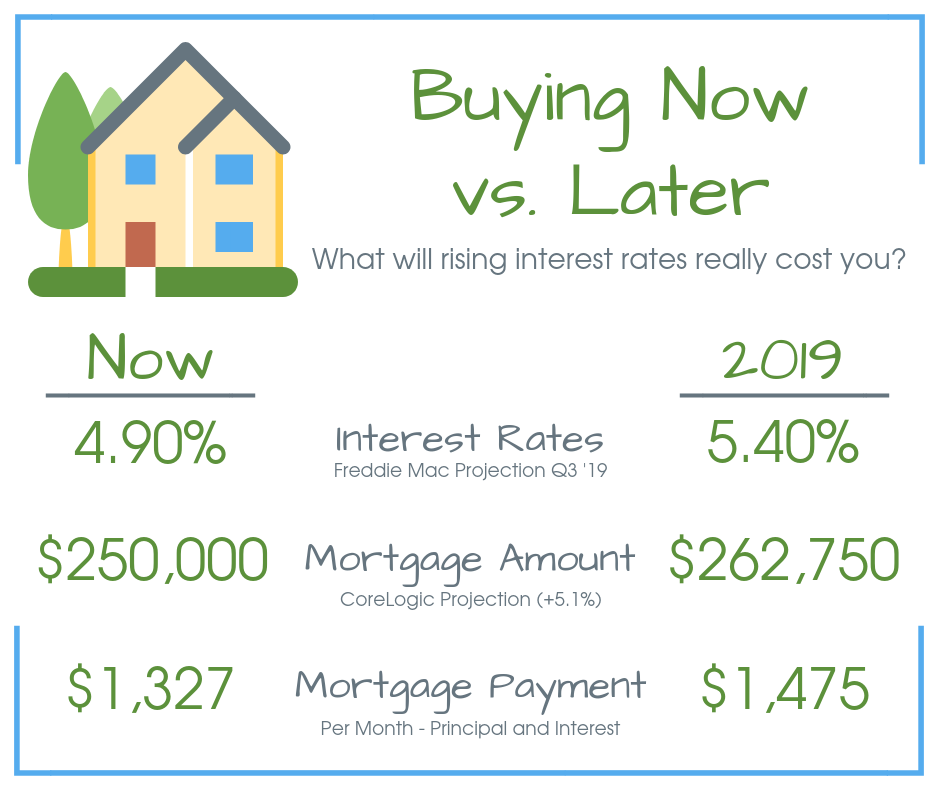
The interest rate is the percentage of the principal loan amount that the lender charges you annually to borrow the money. This rate determines your monthly principal and interest payment. For example, on a $300,000 loan, a 1% difference in the interest rate can result in tens of thousands of dollars in difference over the life of a 30-year loan. It is the raw cost of the capital provided by the bank.
Annual Percentage Rate (APR)
While the interest rate tells you the cost of the principal, the APR provides a more holistic view of the loan’s cost. The APR includes the interest rate plus other costs such as loan processing fees, mortgage insurance, and discount points. In the world of personal finance, the APR is the superior metric for comparing different loan offers because it reveals the “hidden” costs of borrowing that the nominal rate might mask.
Fixed-Rate vs. Adjustable-Rate Mortgages (ARMs)
Mortgage rates generally fall into two structural categories. A fixed-rate mortgage locks in a specific interest rate for the entire duration of the loan (commonly 15 or 30 years), providing stability and predictable monthly payments. Conversely, an Adjustable-Rate Mortgage (ARM) typically offers a lower “teaser” rate for an initial period (e.g., 5 years), after which the rate fluctuates based on market indices. Choosing between these requires a deep dive into your personal financial timeline and risk tolerance.
2. Macro and Micro Determinants of Your Rate
Mortgage rates do not exist in a vacuum. They are the result of a delicate balance between massive global economic shifts and your personal financial history.
Macroeconomic Factors: The Role of the Fed and Inflation
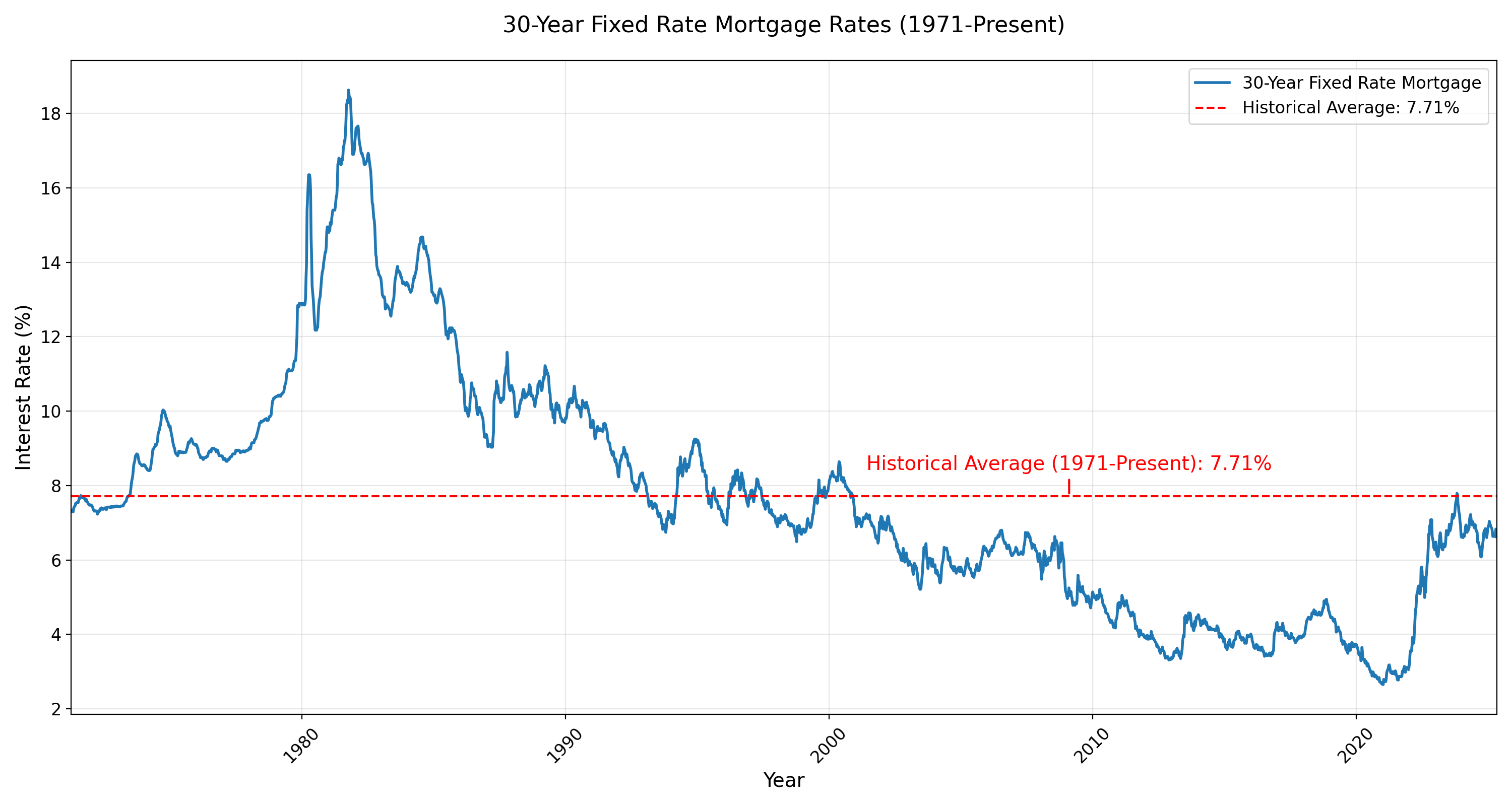
Contrary to popular belief, the Federal Reserve does not directly set mortgage rates. Instead, mortgage rates are most closely tied to the yield on the 10-year Treasury note. When investors are confident in the economy, they move money into stocks, causing bond yields (and mortgage rates) to rise. When the economy is shaky, investors seek the safety of bonds, which can drive rates down. Additionally, inflation is the enemy of fixed-income investments; if inflation is high, lenders demand higher mortgage rates to compensate for the diminishing value of the dollars they will be paid back in the future.
Credit Score and Debt-to-Income (DTI) Ratio
On a micro level, your personal finance habits dictate the “risk premium” a lender adds to the base rate. Your credit score is the primary indicator of your reliability. A borrower with a score above 760 will almost always secure a significantly lower rate than someone with a score of 620. Furthermore, your DTI ratio—the percentage of your gross monthly income that goes toward paying debts—tells the lender if you are overleveraged. A lower DTI suggests you have the cash flow to handle a mortgage even during financial downturns.
Loan-to-Value (LTV) and Down Payments
The amount of “skin in the game” you have also impacts your rate. The Loan-to-Value ratio measures the loan amount against the appraised value of the property. A higher down payment (low LTV) reduces the lender’s risk. If you put down 20% or more, you not only avoid Private Mortgage Insurance (PMI) but often qualify for better interest rate tiers because the lender has a larger cushion if the property value drops.
3. The Long-Term Financial Impact of Rate Fluctuations

Even a seemingly marginal change in a mortgage rate can have a profound impact on an individual’s net worth and lifetime spending power.
Monthly Cash Flow Management
The mortgage rate is the primary driver of monthly housing costs. In a high-rate environment, a larger portion of your monthly payment goes toward interest rather than principal in the early years of the loan. This can limit your “disposable” income, affecting your ability to contribute to retirement accounts, emergency funds, or other investment vehicles. Understanding this helps in budgeting and ensuring that your home remains an asset rather than a liability.
Total Interest Paid and Amortization
Over a 30-year term, the total interest paid can sometimes equal or exceed the original price of the home. Amortization schedules show how your payments are distributed. In the beginning, the vast majority of your payment covers interest. As the principal balances decrease, the interest portion shrinks. Securing a rate that is even 0.5% lower can save a homeowner $50,000 to $100,000 over three decades, which is capital that could otherwise be compounding in a diversified stock portfolio.
The Opportunity Cost of High Rates
In personal finance, every dollar spent on interest is a dollar not spent on an appreciating asset. When mortgage rates are high, the “hurdle rate” for your investments becomes higher. If your mortgage is at 7%, paying down your mortgage early provides a guaranteed 7% return on your money. If your mortgage is at 3%, you are likely better off investing extra cash in the market, where historical returns are higher. The mortgage rate, therefore, dictates your entire investment strategy.
4. Strategies to Secure the Best Possible Rate
Because the mortgage rate is so pivotal, savvy borrowers use specific financial strategies to optimize their position before applying for a loan.
Improving Your Financial Profile
Before entering the market, it is essential to “groom” your finances. This involves paying down high-interest revolving debt (like credit cards) to lower your DTI and boost your credit score. It also involves avoiding new lines of credit or large purchases in the six months leading up to a mortgage application. A “clean” financial profile allows you to negotiate from a position of strength.
Comparison Shopping and Loan Estimates
Many borrowers make the mistake of only checking with their primary bank. However, mortgage rates can vary significantly between retail banks, credit unions, and online lenders. By obtaining multiple “Loan Estimates,” you can force lenders to compete for your business. In many cases, a lender will match or beat a competitor’s rate if they see a formal offer in writing.
The Use of Discount Points
A common financial tactic is “buying down the rate.” By paying “points” upfront (one point usually equals 1% of the loan amount), you can secure a lower permanent interest rate. This is essentially a math problem: you calculate the “break-even point” by dividing the cost of the points by the monthly savings. If you plan to stay in the home longer than the break-even period, paying for points is a high-return investment in your own debt reduction.
5. Mortgage Rates as a Tool for Wealth Building
Beyond the initial purchase, mortgage rates remain a dynamic component of a sophisticated financial plan.
The Power of Refinancing
Refinancing is the process of replacing an existing mortgage with a new one, typically to take advantage of lower market rates. This can drastically reduce monthly payments or shorten the loan term (e.g., moving from a 30-year to a 15-year mortgage). A “cash-out” refinance also allows homeowners to tap into their home’s equity to fund renovations or consolidate higher-interest debt, though this must be done with caution to avoid eroding home equity.
Impact on Real Estate Investment ROI
For those using real estate as an investment vehicle, the mortgage rate is a critical variable in the “cap rate” and cash-on-cash return calculations. When rates are low, the cost of leverage is cheap, making it easier for rental properties to generate positive cash flow. When rates rise, property values may stagnate or dip, and the barrier to entry for profitable investing becomes much higher. Understanding the rate environment allows investors to time their entries and exits from the market effectively.
Conclusion: Mortgage Rates as a Financial Foundation
Ultimately, a mortgage rate is more than just a fee for a loan; it is a fundamental pillar of personal finance. It influences how much home you can afford, how much you can save for retirement, and how you manage your overall debt-to-wealth ratio. By mastering the factors that influence these rates and employing strategies to minimize them, you can turn a standard home loan into a powerful tool for long-term financial stability and growth. Whether you are a first-time buyer or a seasoned investor, keeping a sharp eye on mortgage rates is essential for navigating the complex landscape of modern finance.
aViewFromTheCave is a participant in the Amazon Services LLC Associates Program, an affiliate advertising program designed to provide a means for sites to earn advertising fees by advertising and linking to Amazon.com. Amazon, the Amazon logo, AmazonSupply, and the AmazonSupply logo are trademarks of Amazon.com, Inc. or its affiliates. As an Amazon Associate we earn affiliate commissions from qualifying purchases.