
Embarking on the journey of homeownership is a significant financial milestone for many, often representing the largest investment an individual or family will make. At the heart of this financial commitment lies the mortgage, a specialized loan designed to help buyers finance their property. While the concept of a mortgage is widely understood, one of its most critical components—mortgage interest—often remains a source of confusion and complexity. Understanding “what is mortgage interest” is not merely academic; it is fundamental to comprehending the true cost of your home, making informed financial decisions, and strategically managing your personal wealth.
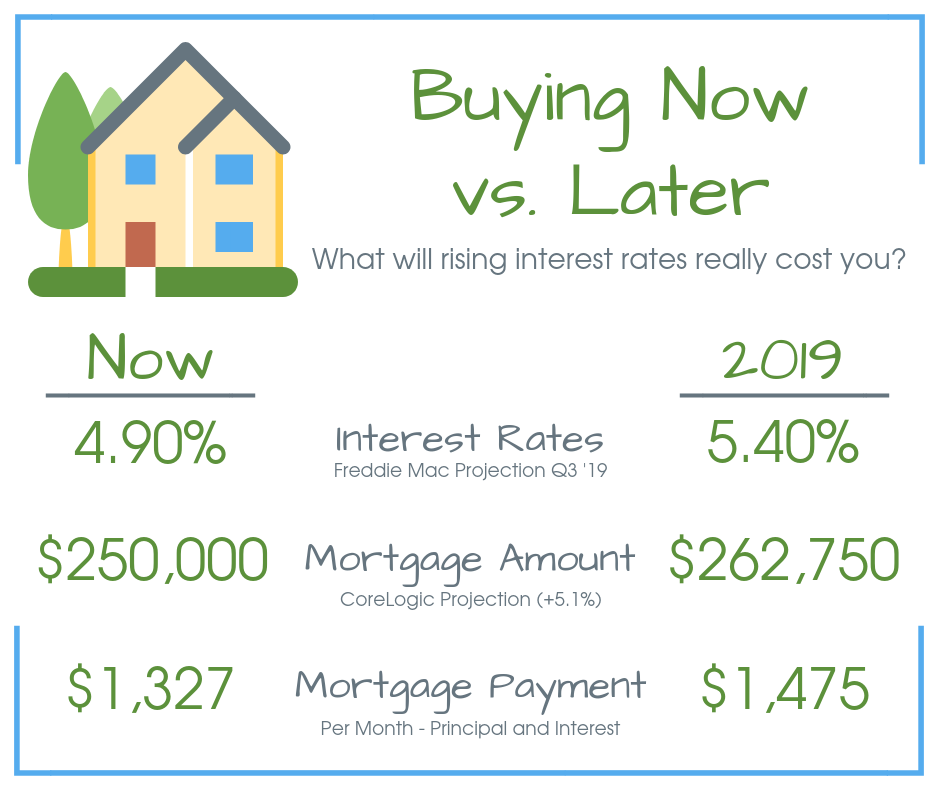
Mortgage interest is essentially the cost you pay to borrow money from a lender to purchase a property. It is the lender’s compensation for providing the capital, taking on the risk, and foregoing other investment opportunities. This interest is not a fixed, one-time fee but rather an ongoing charge calculated as a percentage of the outstanding loan balance, paid regularly over the life of the loan. While it might seem like a straightforward concept, its nuances, calculation, and impact on your finances are multi-faceted, profoundly influencing your monthly payments, the total amount you ultimately repay, and your financial planning. Delving deeper into its mechanics will empower you to navigate the real estate market with greater confidence and fiscal prudence.
The Fundamental Concept of Mortgage Interest
To truly grasp mortgage interest, it’s essential to dissect its core components and understand how it integrates into the broader structure of your home loan. It’s more than just a number; it’s a dynamic element that shapes your financial commitment.
Interest as the Cost of Borrowing
Imagine borrowing a sum of money from a friend. They might expect you to return the exact amount. Now, imagine borrowing a significantly larger sum, say hundreds of thousands of dollars, from a bank for an extended period, perhaps 15 or 30 years. The bank, as a business, cannot simply lend you money without a return. This return is the interest. It’s the price you pay for the privilege of using someone else’s capital to acquire an asset you couldn’t otherwise afford upfront. This cost is expressed as an annual percentage rate (APR) and is applied to the principal amount you owe. Over the lifespan of a typical mortgage, the total interest paid can often equal or even exceed the original principal amount borrowed, highlighting its substantial impact.
Principal vs. Interest: Understanding Your Payments
Every month, when you make a mortgage payment, a portion of that payment goes towards reducing the principal balance (the original amount you borrowed), and another portion goes towards paying the accrued interest. This division is not static. In the early years of a mortgage, a disproportionately large share of your monthly payment is allocated to interest. This is because the outstanding principal balance is at its highest, and interest is calculated on this larger amount. As you continue to make payments, the principal balance gradually decreases, and consequently, the amount of interest due each month also diminishes. This phenomenon means that in the later stages of your loan, a greater portion of your payment goes towards reducing the principal, accelerating your equity build-up.
The Amortization Schedule Explained
The process by which your loan balance is gradually paid down through a series of fixed payments over a set period is known as amortization. An amortization schedule is a detailed table outlining each scheduled payment over the life of the loan, specifying how much of each payment is applied to interest and how much to principal, and showing the remaining loan balance after each payment. This schedule vividly illustrates the front-loading of interest payments and the gradual shift towards principal repayment. It’s a powerful tool for visualizing your loan’s trajectory, demonstrating how, even with consistent payments, it takes many years before the principal component of your payment truly begins to dominate. Understanding your amortization schedule can help you evaluate strategies like making extra principal payments to accelerate debt reduction and save on interest.
Key Factors Influencing Mortgage Interest Rates
Mortgage interest rates are not arbitrarily set; they are complex figures influenced by a myriad of economic, market, and individual factors. A slight fluctuation can have a monumental impact on the total cost of your home.
Economic Indicators: Inflation, Federal Reserve Policy, and Treasury Yields
Broader economic conditions play a dominant role in shaping interest rates. Inflation, the rate at which the general level of prices for goods and services is rising, is a significant driver. When inflation is high, lenders demand higher interest rates to compensate for the eroding purchasing power of future repayments. The Federal Reserve’s monetary policy is another critical lever. When the Fed raises its benchmark interest rate (the federal funds rate), it makes it more expensive for banks to borrow money, a cost that is then passed on to consumers in the form of higher loan rates, including mortgages. Conversely, a dovish Fed policy tends to lower rates. Finally, Treasury yields, particularly the 10-year Treasury bond, serve as a strong benchmark for long-term mortgage rates. Mortgage rates often move in tandem with Treasury yields because they offer a risk-free alternative investment for lenders.
Lender-Specific Factors: Margins and Business Costs
While influenced by the broader economy, individual lenders also factor in their own operational costs and desired profit margins. These include the cost of acquiring funds, administrative overheads, default risk assessments, and the competitive landscape. Each lender sets their rates to remain competitive while ensuring profitability. This is why it’s crucial to shop around and compare offers from multiple lenders, as rates for the same borrower profile can vary.
Borrower-Specific Factors: Credit Score, Down Payment, and Loan-to-Value (LTV)
Your personal financial profile significantly impacts the interest rate you qualify for. Your credit score is paramount; a higher score (typically 740 and above) signals to lenders that you are a responsible borrower with a low risk of default, resulting in access to lower interest rates. Conversely, a lower credit score will lead to higher rates. The down payment you make also matters. A larger down payment reduces the amount you need to borrow, thus lowering the lender’s risk. Consequently, a higher down payment (and therefore a lower loan-to-value ratio, or LTV) often translates into a more favorable interest rate. LTV is a ratio comparing the amount of the loan to the value of the home; a lower LTV is generally preferred by lenders.
Loan Term and Type: Fixed vs. Adjustable Rates
The structure of the mortgage itself is another critical determinant. Loan term refers to the length of time you have to repay the loan (e.g., 15, 20, or 30 years). Shorter-term loans typically come with lower interest rates because the lender’s money is tied up for a shorter period, reducing their long-term risk exposure. Conversely, 30-year mortgages often carry higher rates. The type of loan is equally important: fixed-rate mortgages offer a constant interest rate for the entire loan term, while adjustable-rate mortgages (ARMs) have rates that can fluctuate periodically after an initial fixed period. The initial fixed rate on an ARM is often lower than a comparable fixed-rate mortgage, but it comes with the risk of future rate increases.
Types of Mortgage Interest Rates
The choice between different types of mortgage interest rates is one of the most critical decisions a homebuyer will make, directly impacting budgeting, risk exposure, and long-term financial stability.
Fixed-Rate Mortgages: Stability and Predictability
A fixed-rate mortgage is precisely what it sounds like: the interest rate remains constant for the entire duration of the loan. This means your principal and interest payment will never change, regardless of market fluctuations. For many homeowners, this predictability is a significant advantage, offering peace of mind and simplifying long-term financial planning. You know exactly what your largest monthly expense will be, making budgeting straightforward. This stability is particularly appealing during periods of rising interest rates, as your rate is locked in, protecting you from increased costs. However, the trade-off is that if market rates fall significantly, you won’t benefit unless you refinance your loan, which incurs its own costs.
Adjustable-Rate Mortgages (ARMs): Flexibility with Risk
Adjustable-Rate Mortgages, or ARMs, offer a different value proposition. They begin with an initial fixed interest rate for a set period, typically 3, 5, 7, or 10 years. After this initial period, the interest rate adjusts periodically (e.g., annually) based on a specified financial index, plus a lender-defined margin. The appeal of ARMs often lies in their initial lower interest rate compared to fixed-rate mortgages, making homeownership more accessible in the short term. However, this flexibility comes with inherent risk. If market interest rates rise after the fixed period, your monthly payments will increase. Conversely, if rates fall, your payments could decrease. ARMs typically have caps (limits) on how much the rate can adjust up or down in a given period and over the life of the loan, but substantial increases are still possible. ARMs are often favored by borrowers who plan to sell or refinance before the fixed period ends, or those who anticipate their income will increase to absorb potential payment hikes.
Hybrid ARMs: Blending Stability and Adaptability
Hybrid ARMs attempt to bridge the gap between the stability of fixed-rate mortgages and the initial low rates of traditional ARMs. A common example is a 5/1 ARM: the “5” indicates an initial five-year fixed-rate period, and the “1” signifies that the rate will adjust annually thereafter. Other popular hybrid options include 3/1, 7/1, and 10/1 ARMs. These products are designed for borrowers who want a longer period of predictable payments than a pure ARM offers, but still desire a lower initial rate than a 30-year fixed mortgage. They are often a strategic choice for individuals who are confident they will move or refinance before the rate adjusts, or for those comfortable with the calculated risk of potential future rate increases in exchange for lower initial payments.
How Mortgage Interest Impacts Your Financial Future
Understanding mortgage interest goes beyond knowing its definition; it’s about recognizing its profound impact on your long-term financial health and wealth accumulation.
Total Cost of Your Home Over Time
The most direct impact of mortgage interest is on the total amount you will ultimately pay for your home. While a $300,000 home might seem like a straightforward purchase, with a 30-year fixed-rate mortgage at 6%, the total amount repaid could easily exceed $650,000, with over $350,000 of that being interest. This stark reality underscores why interest rates are so critical. A seemingly small difference in the rate – say, from 5.5% to 6.5% – can translate into tens of thousands of dollars, or even hundreds of thousands, in additional interest paid over the life of the loan. This hidden cost emphasizes the importance of securing the lowest possible rate and, where feasible, making additional principal payments to significantly reduce the overall interest burden.
Tax Implications of Mortgage Interest
In many tax jurisdictions, including the United States, mortgage interest can offer significant tax advantages. Homeowners who itemize their deductions can often deduct the interest paid on their mortgage from their taxable income, up to certain limits. This deduction effectively reduces their overall tax liability, making homeownership more financially attractive. While tax laws can be complex and change frequently, this potential benefit is a crucial part of the financial calculus for many homeowners. It’s important to consult with a tax professional to understand how these deductions apply to your specific situation.
Strategies for Minimizing Interest Paid
Minimizing the total interest paid on your mortgage is a smart financial goal. Several strategies can help achieve this:
- Making a larger down payment: This reduces the principal amount borrowed, meaning less interest accrues over time.
- Choosing a shorter loan term: While it results in higher monthly payments, a 15-year mortgage (compared to a 30-year) typically carries a lower interest rate and significantly reduces the total interest paid.
- Making extra principal payments: Even small, consistent additional payments directly to the principal can shave years off your loan and save a substantial amount in interest.
- Bi-weekly payments: Paying half your monthly payment every two weeks results in 13 full monthly payments per year instead of 12, effectively making one extra payment annually directly to the principal.
- Refinancing at a lower rate: If interest rates drop significantly after you’ve secured your mortgage, refinancing to a lower rate can reduce your monthly payments and the total interest paid, provided the closing costs of the refinance don’t outweigh the savings.
Refinancing: When and Why it Matters for Interest Rates
Refinancing involves taking out a new mortgage to pay off your old one, typically to secure more favorable terms, most commonly a lower interest rate. This strategy is particularly valuable when market interest rates have dropped significantly since you originated your initial loan, or when your credit score has improved enough to qualify for a better rate. A lower interest rate can drastically reduce your monthly payments or allow you to pay off your loan faster, saving you a considerable sum in interest over the life of the loan. However, refinancing incurs closing costs, similar to your original mortgage, so it’s crucial to calculate whether the savings from a lower interest rate outweigh these upfront expenses. It’s a strategic move that should be carefully considered based on market conditions, your financial goals, and the costs involved.
Navigating the Mortgage Interest Landscape
Successfully navigating the mortgage interest landscape requires diligence, comparison, and a willingness to seek expert advice. It’s not just about securing a loan; it’s about optimizing a long-term financial commitment.
The Importance of Comparison Shopping
Given the significant financial implications of mortgage interest, treating the first loan offer you receive as your only option would be a costly mistake. Lenders have different overheads, risk appetites, and business strategies, leading to variations in the interest rates they offer, even for the same borrower profile. Comparison shopping involves obtaining loan estimates from multiple lenders—banks, credit unions, and mortgage brokers—and meticulously comparing not just the interest rate, but also the annual percentage rate (APR), closing costs, and other fees. Even a quarter-point difference in interest can save you tens of thousands of dollars over the life of the loan, making the effort of comparison shopping incredibly worthwhile.
Understanding APR vs. Interest Rate
This distinction is crucial. The interest rate is simply the percentage charged by the lender for the principal amount borrowed. The Annual Percentage Rate (APR), on the other hand, provides a more comprehensive measure of the total cost of borrowing. It includes the interest rate plus certain upfront costs and fees associated with the loan, such as origination fees, discount points, and some closing costs, amortized over the loan term. While the interest rate tells you how much you’re paying on the principal, the APR gives you a truer sense of the total annual cost of the loan. When comparing loan offers, the APR is often a more reliable metric for a side-by-side comparison, as it standardizes the total cost across different lenders who might structure their fees differently. A lower APR generally indicates a cheaper loan.

Seeking Professional Advice
The world of mortgages and interest rates can be incredibly complex, with numerous variables and potential pitfalls. Engaging with qualified financial professionals can provide invaluable guidance. A reputable mortgage broker can help you navigate the myriad of loan products, find the best rates for your situation, and explain complex terms in an understandable way. A financial advisor can help integrate your mortgage decision into your broader financial plan, considering your investment goals, retirement planning, and overall wealth management strategy. Furthermore, a tax professional can provide specific advice on how mortgage interest deductions apply to your individual tax situation. While online resources offer a wealth of information, personalized professional advice tailored to your unique circumstances is irreplaceable for making sound, long-term financial decisions.
In conclusion, understanding “what is mortgage interest” is far more than a simple definition; it is a gateway to informed homeownership and robust financial health. It governs the cost of your largest asset, dictates your monthly budget, and influences your long-term wealth trajectory. By grasping its fundamental concepts, recognizing the factors that shape it, identifying different rate types, and strategically managing its impact, you empower yourself to make intelligent decisions that will serve your financial future for decades to come. Armed with this knowledge, you can approach the home loan process not as a daunting hurdle, but as a manageable and strategic financial endeavor.
aViewFromTheCave is a participant in the Amazon Services LLC Associates Program, an affiliate advertising program designed to provide a means for sites to earn advertising fees by advertising and linking to Amazon.com. Amazon, the Amazon logo, AmazonSupply, and the AmazonSupply logo are trademarks of Amazon.com, Inc. or its affiliates. As an Amazon Associate we earn affiliate commissions from qualifying purchases.