
For the vast majority of individuals, purchasing a home represents the single most significant financial transaction of their lives. Because few people have the liquid capital to pay for a property in full, the mortgage serves as the primary bridge between the dream of homeownership and the reality of possession. A mortgage is more than just a loan; it is a sophisticated financial instrument that allows individuals to leverage future income to secure a tangible asset today. Understanding the mechanics, variations, and strategic implications of a mortgage is essential for anyone looking to navigate the landscape of personal finance successfully.
The Anatomy of a Mortgage: How It Works
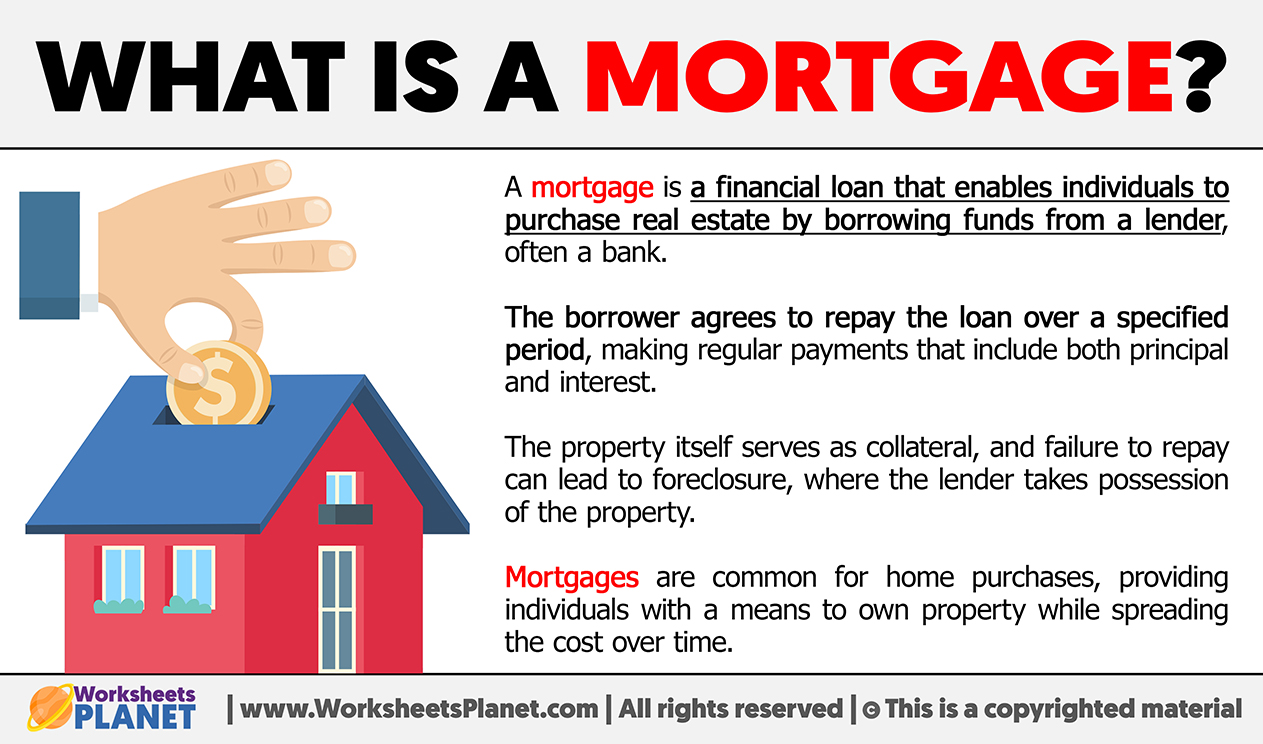
At its core, a mortgage is a debt instrument, secured by the collateral of specified real estate property, that the borrower is obliged to pay back with a predetermined set of payments. However, to truly understand a mortgage, one must look beyond the monthly payment and examine the components that constitute the loan’s structure.
Principal and Interest
The two primary components of any mortgage payment are the principal and the interest. The principal is the actual amount of money borrowed from the lender. For example, if you buy a house for $400,000 and put down $80,000, your mortgage principal is $320,000. The interest is the cost of borrowing that money, expressed as an annual percentage rate (APR). In the early years of a mortgage, a higher proportion of your monthly payment goes toward interest, while in the later years, more is applied toward the principal.
Taxes and Insurance (PITI)
A standard mortgage payment is often referred to by the acronym PITI, which stands for Principal, Interest, Taxes, and Insurance. Lenders often require borrowers to pay a portion of their annual property taxes and homeowners insurance premiums as part of their monthly installment. These funds are held in an escrow account and paid by the lender on the borrower’s behalf when they come due. This protects the lender’s interest in the property by ensuring the taxes are current and the asset is protected against damage.
Amortization Schedules
Amortization is the process of paying off a debt over time through regular installments. A mortgage amortization schedule provides a detailed table of every payment over the life of the loan. It shows exactly how much of each payment is allocated to interest versus principal. Understanding this schedule is vital for financial planning, as it illustrates how equity—the portion of the home you actually “own”—accumulates slowly at first and accelerates as the loan matures.
Types of Mortgages: Choosing the Right Fit for Your Financial Profile
The financial market offers a variety of mortgage products, each designed to cater to different economic situations, risk tolerances, and long-term goals. Selecting the right type of mortgage can save a borrower tens of thousands of dollars over the lifespan of the loan.
Fixed-Rate vs. Adjustable-Rate Mortgages (ARMs)
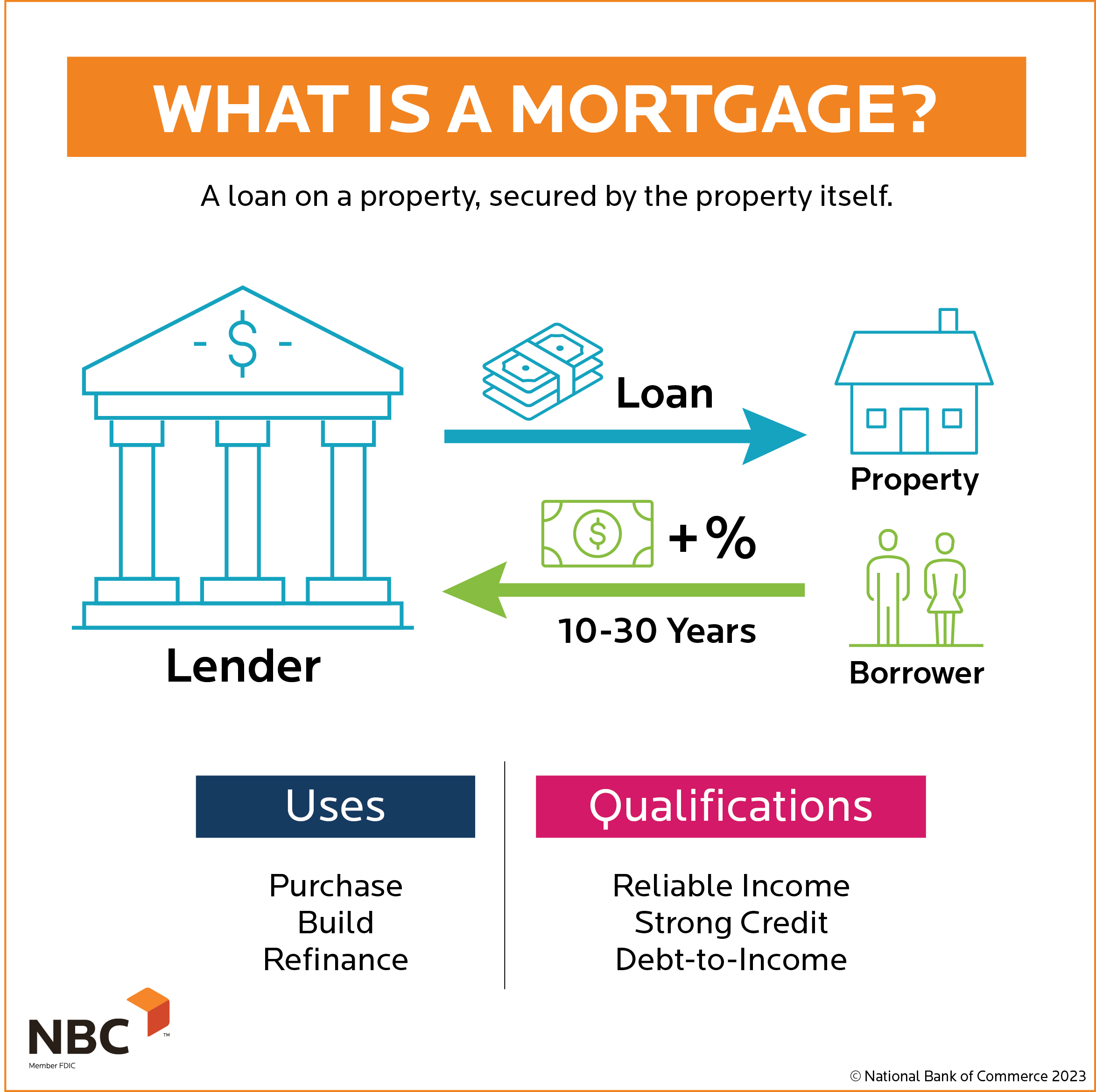
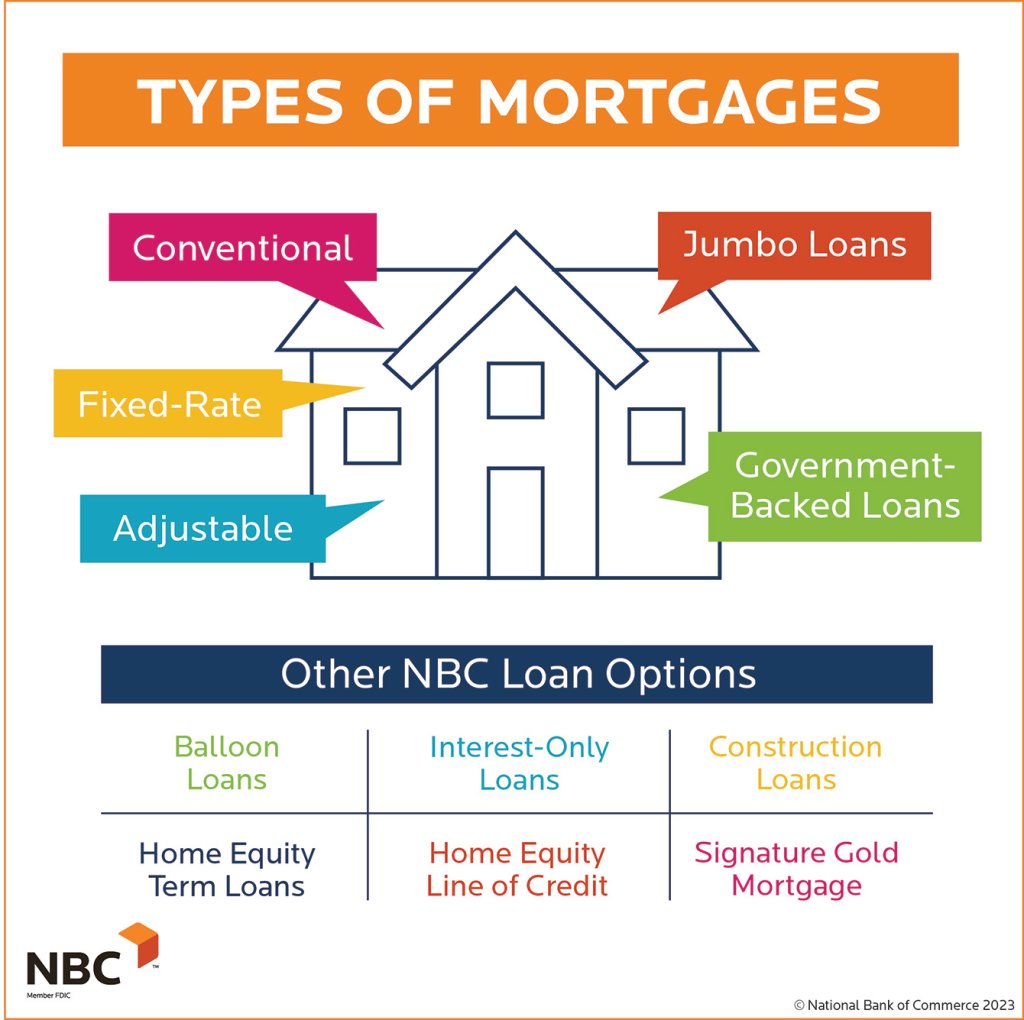
The most common choice is the fixed-rate mortgage, where the interest rate remains constant for the entire term, typically 15 or 30 years. This offers stability and predictability, making it ideal for those who plan to stay in their homes for a long duration. Conversely, an Adjustable-Rate Mortgage (ARM) usually begins with a lower interest rate for a set period (e.g., five or seven years) before adjusting periodically based on market indices. ARMs can be beneficial for those who plan to sell or refinance before the introductory period ends, but they carry the risk of rising payments in the future.
Government-Backed Loans: FHA, VA, and USDA
For those who may not qualify for traditional financing, the government offers several insured loan programs. Federal Housing Administration (FHA) loans are popular among first-time buyers because they allow for lower credit scores and down payments as low as 3.5%. VA loans, provided by the Department of Veterans Affairs, offer competitive rates and often require no down payment for veterans and active-duty service members. USDA loans target rural homebuyers and also offer zero-down-payment options, provided the property and the borrower meet specific location and income requirements.
Conventional and Jumbo Loans
Conventional loans are not insured by the federal government and typically follow the lending guidelines set by Fannie Mae and Freddie Mac. They often require higher credit scores and a down payment of at least 3% to 20%. If a borrower puts down less than 20%, they are usually required to pay Private Mortgage Insurance (PMI). When the loan amount exceeds the “conforming loan limits” set by the Federal Housing Finance Agency, it is classified as a Jumbo loan. These are used for high-end luxury properties and require more stringent credit checks and larger down payments.
The Mortgage Application Process: From Pre-Approval to Closing
Securing a mortgage is a multi-step process that requires transparency, documentation, and a clear understanding of one’s own financial health. It is a rigorous evaluation by the lender to ensure that the borrower has the capacity to repay the debt.
Credit Scores and Debt-to-Income Ratios
The first gatekeeper in the mortgage process is the credit score. Lenders use this to gauge your history of managing debt. A higher score typically results in lower interest rates. Simultaneously, lenders examine your Debt-to-Income (DTI) ratio—the percentage of your gross monthly income that goes toward paying debts. Generally, lenders prefer a DTI ratio of 43% or lower, though some programs allow for higher limits. Managing these two metrics is the most effective way to prepare for a mortgage application.
The Importance of the Down Payment
The down payment is the initial upfront portion of the total purchase price paid in cash. While many believe a 20% down payment is mandatory, many modern programs allow for much less. However, the size of the down payment significantly impacts the loan’s cost. A larger down payment reduces the principal amount, lowers monthly payments, and may eliminate the need for PMI. It also provides an immediate equity cushion, protecting the homeowner if property values fluctuate.
Closing Costs and Final Documentation
The final stage of the mortgage process is the “closing,” where the title of the property is transferred. Borrowers must be prepared for closing costs, which typically range from 2% to 5% of the home’s purchase price. These costs cover appraisal fees, title insurance, attorney fees, and loan origination fees. During this phase, the lender performs a final verification of the borrower’s employment and credit status. Once the documents are signed and the funds are disbursed, the mortgage is officially in place.
Strategic Mortgage Management: Using Real Estate as a Financial Tool
Once a mortgage is secured, it should not be viewed as a static obligation. Instead, it should be managed as a dynamic part of a broader financial portfolio. Strategic management can lead to accelerated wealth building and increased liquidity.
Refinancing for Better Terms
Refinancing involves replacing an existing mortgage with a new one, typically to take advantage of lower interest rates or to change the loan term. For example, moving from a 30-year to a 15-year mortgage can save a massive amount in interest over time, while “cashing out” equity through a refinance can provide capital for home improvements or debt consolidation. However, it is essential to calculate the “break-even point”—the time it takes for the monthly savings to cover the costs of the new loan.
Building Equity and Leveraging Home Value
As the mortgage principal decreases and property values increase, the homeowner builds equity. This equity can be leveraged through a Home Equity Line of Credit (HELOC) or a Home Equity Loan. These tools allow homeowners to borrow against the value of their home at interest rates that are usually lower than credit cards or personal loans. When used responsibly, this can fund education, start a business, or invest in further real estate, turning the home into a powerful engine for building net worth.
Mortgage Acceleration Strategies
For those focused on long-term debt reduction, mortgage acceleration involves making extra payments toward the principal. Even one extra payment per year can shave years off a 30-year mortgage and save thousands in interest. Many financial experts suggest “bi-weekly” payments—paying half the monthly amount every two weeks—which results in 13 full payments per year instead of 12. This simple adjustment in cash flow management can significantly alter the borrower’s financial trajectory, leading to a debt-free home much sooner than originally planned.
In conclusion, a mortgage is more than a simple loan for a house; it is a foundational element of personal finance. By understanding how mortgages are structured, the variety of products available, and the strategies for managing debt, individuals can transform a standard monthly expense into a vehicle for long-term financial security and wealth creation. Whether you are a first-time buyer or a seasoned investor, mastering the “what” and “how” of mortgages is a prerequisite for financial success in the modern economy.
aViewFromTheCave is a participant in the Amazon Services LLC Associates Program, an affiliate advertising program designed to provide a means for sites to earn advertising fees by advertising and linking to Amazon.com. Amazon, the Amazon logo, AmazonSupply, and the AmazonSupply logo are trademarks of Amazon.com, Inc. or its affiliates. As an Amazon Associate we earn affiliate commissions from qualifying purchases.