
When consumers walk down the frozen food aisle of a supermarket, they are met with a dizzying array of choices. Amidst the sea of vibrant packaging and competing slogans, one name consistently stands out, transcending regional dairy brands and private labels alike: Moose Tracks. While many perceive “Moose Tracks” as a generic flavor category—much like “Vanilla” or “Chocolate Chip”—it is, in reality, one of the most successful examples of ingredient branding and strategic licensing in the modern food and beverage industry.
Developed by Denali Flavors, Moose Tracks is not just an ice cream recipe; it is a meticulously guarded intellectual property (IP) that has redefined how regional creameries compete with national giants. By understanding what Moose Tracks is through the lens of brand strategy, we can uncover the mechanics of high-level marketing, the power of trademarking, and the brilliance of the “Intel Inside” business model.
The Architecture of a Flavor Brand: Beyond the Recipe
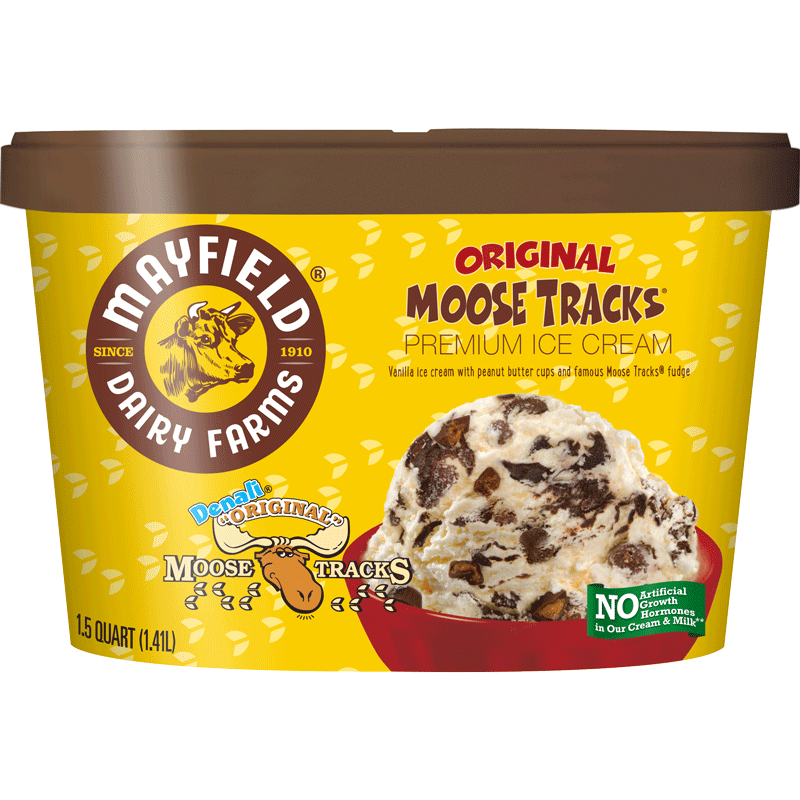
At its core, Moose Tracks is a specific combination of vanilla ice cream, peanut butter cups, and a proprietary fudge known as Moose Tracks® Fudge. However, from a branding perspective, the “flavor” is merely the physical vessel for a much larger identity.
Defining the Moose Tracks Experience
The genius of the Moose Tracks brand lies in its name and imagery. The name evokes a sense of rugged, North American wilderness—a “back to basics” comfort that resonates with consumers seeking indulgence and authenticity. Unlike descriptive names like “Peanut Butter Fudge Swirl,” Moose Tracks is evocative. It tells a story of discovery and abundance. This narrative-driven naming convention allows the brand to command a premium position on the shelf, regardless of whether it is being sold under a luxury label or a store’s private brand.
The Visual and Sensory Brand Language
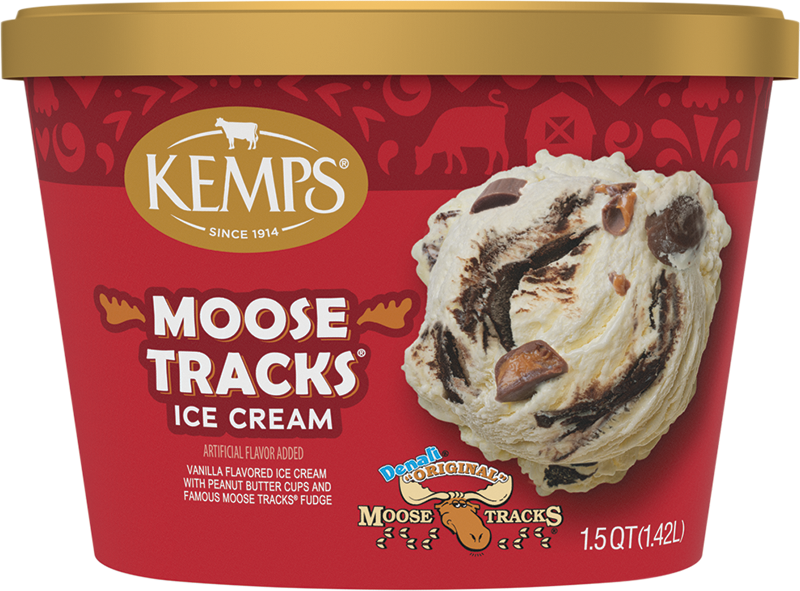
Brand consistency is maintained through a recognizable logo—the iconic moose silhouette—and a specific visual language that accompanies the product. When a consumer sees that logo on a carton of ice cream from their local dairy, there is an immediate transfer of trust. Denali Flavors has successfully created a “trust mark.” The consumer knows that no matter which dairy produced the base ice cream, the fudge will be thick, the peanut butter cups will be plentiful, and the quality will meet the Moose Tracks standard. This sensory consistency is the bedrock of their brand equity.
The Denali Flavors Model: A Unique Business Strategy
To understand why Moose Tracks is a branding marvel, one must look at the company behind it: Denali Flavors. Founded in the mid-1980s, Denali did not set out to become a massive manufacturing conglomerate. Instead, they pioneered a lean, intellectual-property-focused business model that serves as a blueprint for modern brand licensing.
From Local Creamery to Global Recognition
The history of Moose Tracks is a study in scaling through partnership rather than acquisition. Instead of building massive factories and managing a global supply chain, Denali Flavors focused on perfecting the flavor profile and the brand identity. They recognized that regional dairies already had the infrastructure and local loyalty but lacked a “hero product” that could compete with national brands like Ben & Jerry’s or Haagen-Dazs. By offering Moose Tracks as a licensed flavor, Denali provided these dairies with an instant bestseller.
The “Intel Inside” Approach to Ice Cream
In the technology world, Intel transformed from a component manufacturer into a household name by convincing consumers that the processor inside the computer was the most important part. This is “ingredient branding.” Denali Flavors applied this exact strategy to the dairy aisle.
When a dairy licenses Moose Tracks, they are required to buy the proprietary ingredients (specifically the fudge) from Denali’s sister company, Wexford Creamery or authorized suppliers, and they must adhere to strict branding guidelines. This ensures that “Moose Tracks” remains the dominant brand on the packaging, even if the dairy’s own name is featured prominently. This symbiotic relationship allows the local dairy to increase its market share while Denali collects licensing royalties and ingredient sales, creating a diversified and highly profitable revenue stream.
Building Consumer Trust Through Consistency and Quality

In the world of branding, a promise is only as good as its execution. For Moose Tracks, the brand promise is “the perfect bite.” Maintaining this promise across hundreds of different licensed manufacturers requires a sophisticated approach to quality control and supply chain management.
The Secret Sauce: Maintaining the Proprietary Fudge
The most critical component of the Moose Tracks brand is the Moose Tracks® Fudge. This is not a standard chocolate syrup; it is a specifically engineered fudge that maintains a “ribbon” consistency even when frozen, preventing it from bleeding into the vanilla base. From a brand strategy standpoint, this proprietary ingredient acts as a “moat.” It prevents competitors from easily replicating the product. If a competitor tries to make a “Deer Tracks” or “Bear Tracks” flavor, they often fail to match the specific texture and richness of the trademarked fudge, further cementing Moose Tracks’ position as the gold standard.
Quality Control in a Licensed Environment
How does a brand owner ensure quality when they don’t own the factory? Denali Flavors employs a rigorous auditing and approval process. Dairies must submit samples for testing to ensure the ratio of ingredients is correct. This protects the brand from “dilution.” If a dairy were to skimp on the peanut butter cups to save money, it wouldn’t just hurt that dairy’s sales—it would damage the Moose Tracks brand globally. By treating the flavor as a licensed piece of technology, Denali ensures that the brand equity remains untarnished across all touchpoints.
Brand Extension and Market Adaptation
A hallmark of a strong brand is its ability to evolve without losing its core identity. Moose Tracks has demonstrated remarkable agility in expanding its portfolio to meet changing consumer preferences and dietary trends.
Diversifying the Portfolio
The “Moose Tracks” family has grown far beyond the original vanilla-based recipe. Today, there are dozens of variations, including:
- Chocolate Moose Tracks: Catering to the “chocoholic” demographic.
- Extreme Moose Tracks: Featuring even more inclusions for the high-indulgence market.
- Yogurt and Low-Calorie Options: Adapting the brand for health-conscious consumers without sacrificing the “Moose Tracks” name.
Each of these extensions follows the same branding logic: they leverage the existing “Moose Tracks” equity to lower the barrier to entry for a new product. Consumers who love the original are much more likely to try “Mint Moose Tracks” than a generic mint fudge flavor because the brand name acts as a guarantee of satisfaction.
The Power of Nostalgia and Brand Loyalty
Moose Tracks has successfully transitioned from a trendy new flavor to a legacy brand. For many Millennials and Gen Z consumers, Moose Tracks was a staple of their childhood. This nostalgic connection is a powerful marketing tool. Denali Flavors leverages this through social media engagement and community-building, turning a simple ice cream flavor into a lifestyle brand. They have even expanded into non-dairy categories and merchandise, proving that the brand identity is strong enough to live outside of the freezer.
Strategic Takeaways for Modern Brands
The success of Moose Tracks offers several high-value lessons for brand strategists and business leaders across all industries:
- Own the Niche, Not the Factory: In the modern economy, intellectual property is often more valuable than physical assets. Denali Flavors’ success proves that you can dominate a market by owning the brand and the “secret ingredient” rather than the means of production.
- The Power of Ingredient Branding: If you produce a component of a larger product, branding that component can create “pull” demand. When consumers ask for a product by name because of an ingredient (like Moose Tracks or Gore-Tex), you gain incredible leverage over your distribution partners.
- Consistency is King: A brand is a shortcut for a consumer’s decision-making process. By ensuring that Moose Tracks tastes the same in Maine as it does in California, Denali has created a reliable “shortcut” that consumers trust.
- Protect Your Trademarks: Denali Flavors is famously protective of the Moose Tracks trademark. This vigilance prevents the name from becoming a generic term, ensuring that the brand remains a unique and bankable asset.
Conclusion
What is Moose Tracks ice cream? It is certainly a delicious treat, but in the boardroom, it is a masterstroke of branding. It is an example of how a small company can use smart licensing, proprietary ingredients, and a compelling brand identity to compete with global titans. By focusing on the “Intel Inside” model and maintaining unwavering quality standards, Moose Tracks has moved beyond the status of a mere “flavor” to become a permanent fixture of American culture. For any business looking to scale through partnerships and IP, the story of Moose Tracks is the ultimate guide to building a brand that leaves a lasting impression.
aViewFromTheCave is a participant in the Amazon Services LLC Associates Program, an affiliate advertising program designed to provide a means for sites to earn advertising fees by advertising and linking to Amazon.com. Amazon, the Amazon logo, AmazonSupply, and the AmazonSupply logo are trademarks of Amazon.com, Inc. or its affiliates. As an Amazon Associate we earn affiliate commissions from qualifying purchases.