
The Foundation of Digital Learning: Moodle Explained
Moodle, an acronym for Modular Object-Oriented Dynamic Learning Environment, stands as one of the most widely recognized and extensively utilized open-source learning management systems (LMS) globally. Conceived by Martin Dougiamas and first released in 2002, Moodle was designed with a pedagogical approach rooted in social constructionism, aiming to provide educators with robust tools to create engaging and effective online learning experiences. Its design philosophy emphasizes collaborative learning, active participation, and deep engagement, moving beyond mere content delivery to foster true interaction and knowledge co-creation among learners.
Open-Source Philosophy
At its core, Moodle’s identity is inextricably linked to its open-source nature. This fundamental characteristic means that its source code is freely available to the public, allowing anyone to download, use, modify, and distribute it. This transparency and flexibility are significant drivers of its widespread adoption and continuous evolution. The open-source model has cultivated a vibrant global community of developers, educators, and users who contribute to its development, provide support, and create a vast ecosystem of plugins and integrations. This collective effort ensures Moodle remains adaptable, innovative, and responsive to the evolving needs of the educational and training sectors without the licensing costs typically associated with proprietary software. It democratizes access to sophisticated e-learning infrastructure, making advanced digital learning solutions accessible to institutions and organizations of all sizes, from small schools to large universities and multinational corporations.
Core Functionality: A Learning Management System (LMS)
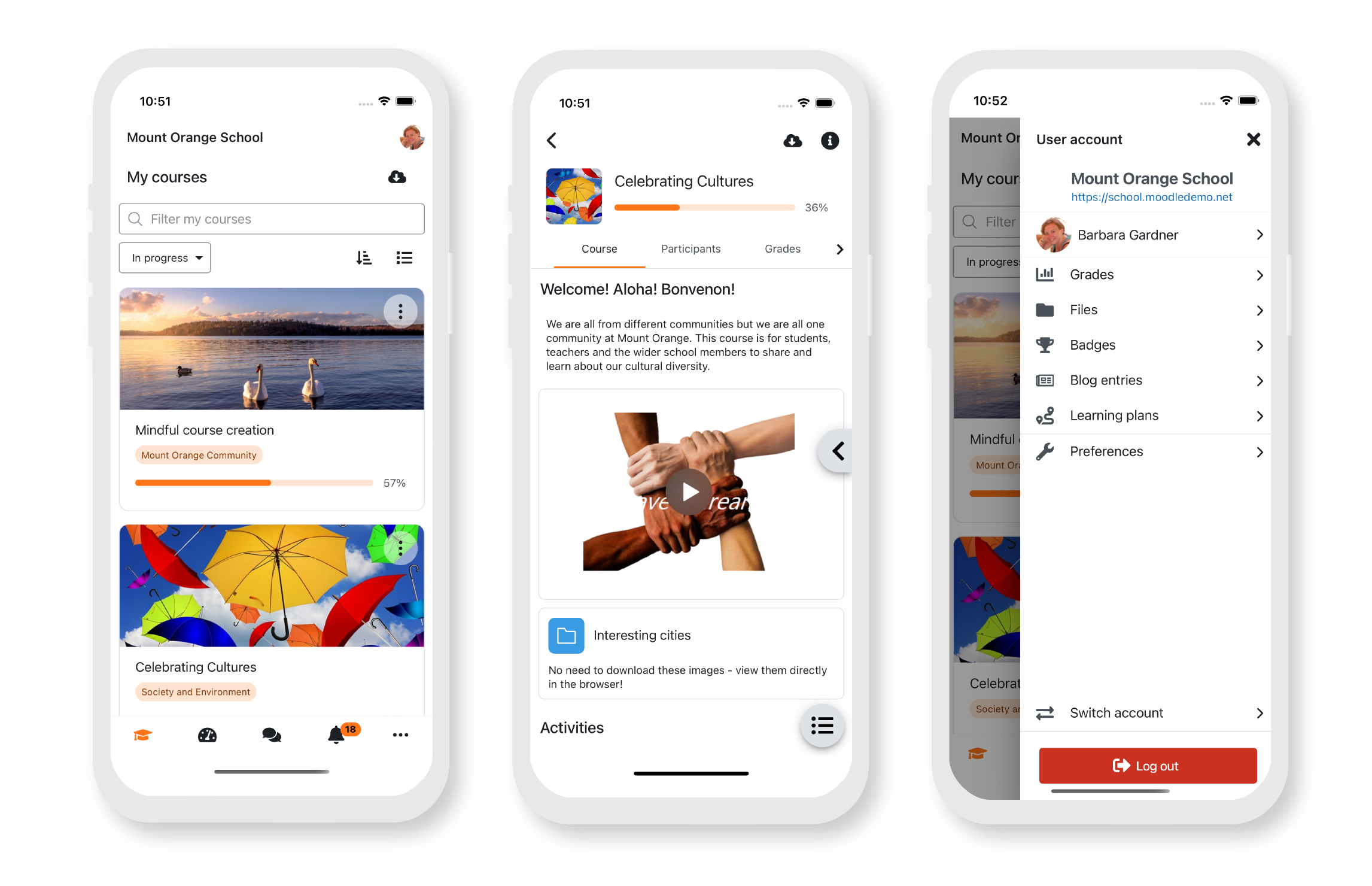
As a comprehensive LMS, Moodle provides a centralized digital environment for all aspects of online education and training. Its primary function is to facilitate the creation, delivery, and management of online courses and educational programs. This involves a wide array of tools and features that support educators in organizing course materials, delivering content, facilitating communication, administering assessments, and tracking learner progress. For students, Moodle serves as a single portal to access course content, submit assignments, participate in discussions, collaborate with peers, and receive feedback. The system is designed to streamline administrative tasks for educators, allowing them to focus more on teaching and less on the logistical overhead of managing a diverse set of learning activities. Its architectural design is modular, meaning functionalities can be added or removed through plugins, enhancing its flexibility and ensuring it can be tailored to specific institutional requirements.
Evolution and Global Adoption
From its humble beginnings, Moodle has grown exponentially to become a dominant force in educational technology. Its evolution has been marked by continuous feature enhancements, security improvements, and performance optimizations driven by community feedback and professional development teams. Today, Moodle powers millions of learning sites across virtually every country, supporting hundreds of millions of users worldwide. It is utilized by a diverse range of organizations, including K-12 schools, higher education institutions, vocational training centers, government agencies, corporate training departments, and non-profit organizations. This global reach and versatility underscore its robustness and adaptability as a platform capable of meeting the complex demands of modern digital learning environments, making it a cornerstone technology in the ongoing transformation of education.
Key Features and Technological Capabilities
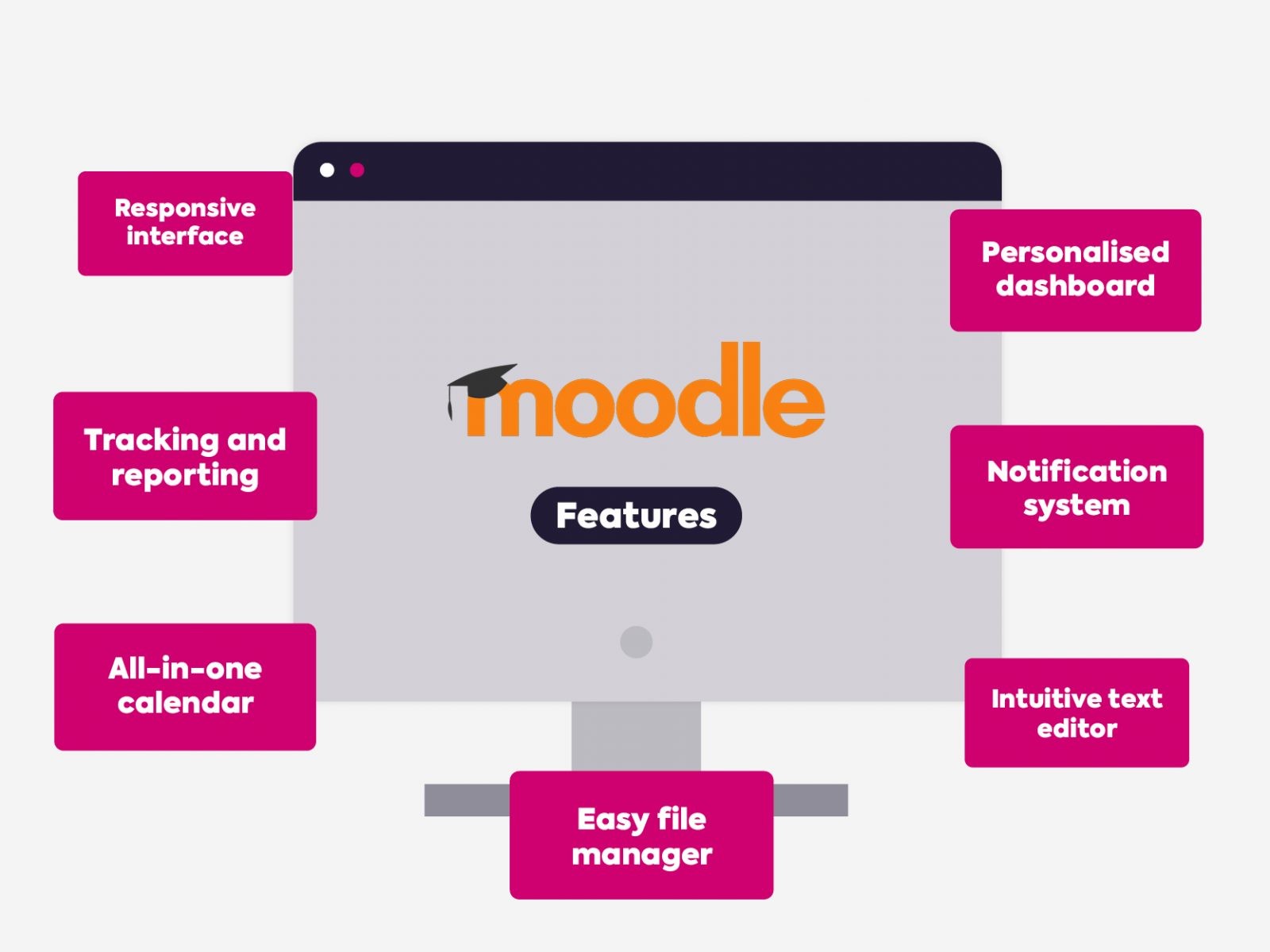
Moodle’s strength lies in its comprehensive suite of features, designed to support a wide range of pedagogical approaches and administrative needs within a digital learning context. These capabilities are continually refined and expanded through ongoing development and community contributions.
Course Management and Content Delivery
Moodle provides a robust framework for structuring and delivering educational content. Educators can create courses with a hierarchical structure, organizing materials into topics, weeks, or other custom sections. The platform supports a vast array of resource types, allowing for diverse content presentation. These include static files (documents, presentations, spreadsheets), dynamic pages (HTML content created within Moodle), external URLs, interactive books, labels for short content blocks, and folders for organizing multiple files. Beyond static resources, Moodle excels in interactive activity types. Assignments enable students to submit work for grading, while quizzes offer various question types (multiple-choice, true/false, short answer, essay) with automated grading options. Forums facilitate asynchronous discussions, wikis allow collaborative document creation, and lessons provide adaptive learning pathways. Workshops support peer assessment, databases enable collaborative data collection, and SCORM packages allow for the integration of rich, interactive e-learning modules created with authoring tools.
Collaborative Learning Tools
Emphasizing its social constructionist roots, Moodle is rich in tools that foster collaboration and community building among learners. Forums are central to asynchronous communication, allowing students to post questions, share insights, and engage in extended discussions. Wikis serve as collaborative workspaces where groups can collectively author and edit documents, fostering shared knowledge creation. Glossaries enable students to define terms and build a shared understanding of course vocabulary. Chats provide real-time communication channels for immediate discussions or virtual office hours. Workshops facilitate structured peer review processes, encouraging critical thinking and constructive feedback. These tools are instrumental in creating dynamic learning environments where students learn not only from instructors but also from each other, enhancing engagement and deeper understanding.
Assessment and Grading
Moodle offers sophisticated tools for both formative and summative assessment. Quizzes are highly configurable, supporting numerous question types, time limits, multiple attempts, and immediate feedback options. Assignments can be submitted in various formats, and instructors can provide inline feedback, annotate documents, and use rubrics for consistent grading. The platform’s comprehensive gradebook automatically aggregates scores from all activities, offering instructors a clear overview of student performance. Grading scales and custom categories allow for flexible grading schemes tailored to specific course requirements. Advanced features like anonymous submissions and peer grading further enhance the assessment process, ensuring fairness and encouraging active participation.
Administration and Customization
Administrative flexibility is a hallmark of Moodle. It provides granular control over user management, allowing administrators to enroll users, assign roles (e.g., student, teacher, course creator, administrator) with specific permissions, and manage user cohorts. The platform supports extensive visual customization through themes, enabling institutions to brand their Moodle instance to match their corporate identity. Its modular architecture is further enhanced by a vast repository of plugins, which extend functionality in areas like activity types, block displays, authentication methods, and reporting. Moodle also supports integration with other systems through standard protocols like Single Sign-On (SSO), Learning Tools Interoperability (LTI), and a robust set of APIs, ensuring it can seamlessly fit into an existing digital ecosystem.
Accessibility and Mobile Learning
Moodle is committed to providing an accessible learning experience for all users. It adheres to Web Content Accessibility Guidelines (WCAG) standards, ensuring that content and navigation are perceivable, operable, understandable, and robust for individuals with disabilities. This includes features like keyboard navigation, screen reader compatibility, and customizable text sizes. Furthermore, Moodle embraces mobile learning with a dedicated, fully featured Moodle Mobile App for iOS and Android. This app provides offline access to course materials, push notifications, and a streamlined mobile-first interface, allowing learners to engage with their courses anytime, anywhere, fostering greater flexibility and reach for educational content.
Technical Architecture and Deployment
Moodle’s technical foundation is designed for robustness, scalability, and broad compatibility, built upon a stack of widely adopted open-source technologies. Understanding its architecture is key to effective deployment and management.
System Requirements
Moodle is a web-based application, requiring a server environment to host its files and database. The core technology stack includes PHP as the server-side scripting language, necessitating a compatible PHP version (typically the latest stable release for optimal performance and security). For data storage, Moodle supports several popular relational database management systems, including MySQL/MariaDB, PostgreSQL, Microsoft SQL Server, and Oracle Database. This flexibility allows organizations to choose a database solution that best fits their existing infrastructure or preferences. A web server is also required to serve Moodle’s web pages and handle user requests, with Apache HTTP Server and Nginx being the most commonly used and recommended options due to their performance and extensive configuration capabilities. The underlying operating system can be Linux, Windows, or macOS, providing significant deployment versatility.
Scalability and Performance
Designed to serve a wide range of user loads, from small classrooms to hundreds of thousands of concurrent users, Moodle incorporates several mechanisms for scalability and performance optimization. For large deployments, it supports clustering across multiple web servers and database replication to distribute load and enhance availability. Caching mechanisms, such as APCu, Redis, or Memcached, are crucial for reducing database queries and accelerating page load times, especially under heavy traffic. Server-side optimization, including fine-tuning PHP and web server configurations, is vital for maximizing throughput. Furthermore, efficient database indexing and optimized code ensure that Moodle can process complex requests and manage extensive user data without significant performance degradation, making it suitable for enterprise-level deployments.
Security Measures
Security is a paramount concern for any platform handling sensitive educational data, and Moodle incorporates multiple layers of protection. It employs robust authentication methods, including standard username/password logins, LDAP, SAML, and OAuth2, allowing for integration with existing identity management systems. Role-based access control is fundamental, ensuring that users only have permissions relevant to their assigned roles (e.g., students cannot modify course settings). Data in transit is secured using HTTPS/SSL encryption. Moodle’s development process prioritizes security, with regular security audits, vulnerability disclosures, and prompt patches for identified issues. Regular updates are critical for maintaining a secure environment, as they often include fixes for newly discovered vulnerabilities. The platform also offers site policies, IP blocking, and session management features to further enhance security posture.
Integration Ecosystem
Moodle’s extensibility is significantly bolstered by its comprehensive integration capabilities. It provides a rich set of APIs (Application Programming Interfaces) that allow external applications to interact with Moodle’s data and functionalities programmatically. This enables custom integrations with student information systems (SIS), HR platforms, and other institutional software. Learning Tools Interoperability (LTI) is fully supported, allowing Moodle to act as both a consumer and provider of LTI tools, facilitating seamless embedding of external educational applications (e.g., plagiarism checkers, virtual labs, publisher content) directly within Moodle courses. The vast plugin architecture further extends this ecosystem, with community-contributed plugins for videoconferencing solutions (e.g., Zoom, BigBlueButton), e-portfolio systems, advanced analytics dashboards, and various content repositories, allowing institutions to build a highly customized and interconnected learning environment.
Benefits and Use Cases in Diverse Environments
Moodle’s adaptable nature and comprehensive feature set make it a versatile solution for digital learning across a multitude of sectors and scales. Its benefits extend beyond mere content delivery to foster rich, interactive learning experiences.
Educational Institutions (K-12, Higher Ed)
In both K-12 and higher education, Moodle serves as a foundational platform for transforming traditional classrooms into dynamic digital learning spaces. For K-12 schools, it facilitates blended learning models, allowing teachers to supplement in-person instruction with online resources, assignments, and discussions. It also supports fully online courses, providing continuity of education during closures or for remote learners. Higher education institutions leverage Moodle for everything from large-scale MOOCs (Massive Open Online Courses) to specialized graduate seminars. It is instrumental in implementing flipped classrooms, where lectures are viewed online before class, freeing up in-class time for interactive problem-solving and deeper discussion. Moodle’s tools for collaborative projects, peer assessment, and diverse assessment types help drive student engagement and cater to various learning styles, while its robust administrative features simplify course management for faculty and IT departments.
Corporate Training and Development
Beyond academic settings, Moodle is extensively adopted by corporations for their training and development needs. It serves as an ideal platform for employee onboarding, providing new hires with access to essential policies, training modules, and compliance courses. Companies utilize Moodle for continuous professional development, offering employees ongoing training in new skills, software updates, or industry best practices. Compliance training, a critical requirement in many industries (e.g., healthcare, finance), is efficiently delivered and tracked through Moodle, ensuring all employees complete mandatory modules and quizzes. The platform’s ability to track progress, issue certificates, and generate reports makes it an invaluable tool for demonstrating regulatory compliance and measuring the effectiveness of training programs, ultimately contributing to a more skilled and knowledgeable workforce.
Government and Non-Profit Organizations
Government agencies and non-profit organizations also harness Moodle’s capabilities for a variety of purposes. Public sector training initiatives, such as civil service development, public health awareness campaigns, or emergency preparedness training, can be effectively managed and delivered to a broad audience using Moodle. Non-profits often use it for community education programs, volunteer training, and professional development for staff and partners, particularly those dispersed geographically. The open-source nature provides a significant advantage for these organizations, as it reduces software licensing costs, allowing them to allocate more resources directly to their missions. Its flexibility enables them to tailor the platform to specific program requirements, whether it’s delivering specialized courses, facilitating community discussions, or managing certification processes for their stakeholders.
Flexibility and Cost-Effectiveness
One of Moodle’s most compelling benefits is its unparalleled flexibility. Its modular architecture, extensive plugin ecosystem, and open APIs mean that it can be customized and integrated to meet virtually any specific institutional or organizational requirement. From branding to bespoke activity types or unique reporting needs, Moodle can be adapted far beyond its out-of-the-box configuration. This adaptability, combined with its open-source nature, directly translates into significant cost-effectiveness. While there may be costs associated with hosting, maintenance, and custom development, the absence of licensing fees dramatically lowers the total cost of ownership compared to proprietary LMS solutions. This economic advantage, coupled with a robust global community for support and development, makes Moodle an accessible and sustainable choice for organizations seeking high-quality digital learning infrastructure without prohibitive expenses.
The Future Landscape of Moodle
Moodle’s journey is one of continuous adaptation and innovation, guided by its foundational principles and an active global community. The future promises further enhancements, driven by technological advancements and evolving pedagogical needs.
Continuous Development and Innovation
The Moodle project maintains a consistent release cycle, introducing new features, user interface improvements, and performance enhancements with each version. Future developments are likely to focus on further streamlining the user experience, making Moodle even more intuitive for both instructors and learners. Integration of cutting-edge technologies, particularly in the realm of Artificial Intelligence (AI), is a significant area of growth. This could manifest as AI-powered personalized learning paths, where algorithms recommend resources or activities based on a student’s performance and learning style. AI could also enhance automated assessment, provide intelligent feedback, and offer advanced analytics for predicting student outcomes or identifying at-risk learners. These innovations aim to make learning more engaging, effective, and tailored to individual needs.
Community-Driven Growth
The vitality of Moodle largely stems from its extensive and dedicated global community. This network of developers, educators, administrators, and users plays a crucial role in shaping its future. Community members contribute code, develop plugins, translate the software into numerous languages, provide peer support, and offer valuable feedback that directly influences the development roadmap. This collaborative model ensures that Moodle remains relevant and responsive to the real-world needs of diverse learning environments. The ongoing engagement of this community guarantees a continuous influx of ideas and resources, fostering a decentralized yet powerful engine for growth and ensuring Moodle’s adaptability to emerging challenges and opportunities in digital education.

Adapting to Emerging EdTech Trends
Moodle is poised to adapt and integrate with emerging trends in educational technology. Microlearning, focusing on bite-sized, digestible content, can be effectively structured within Moodle’s modular course design, with future enhancements potentially making micro-credentialing even more seamless. The platform is also likely to explore deeper integrations with immersive technologies like Virtual Reality (VR) and Augmented Reality (AR), enabling more experiential and interactive learning content directly within or linked from Moodle courses. Furthermore, the increasing demand for data-driven insights will push Moodle’s analytics capabilities forward. Expect more sophisticated reporting tools, better integration with learning analytics platforms, and possibly built-in machine learning models to provide actionable insights for instructors and administrators, allowing for more informed pedagogical decisions and improved learning outcomes. Moodle’s open architecture makes it an ideal platform for embracing these advancements, ensuring its continued relevance in the dynamic landscape of educational technology.
aViewFromTheCave is a participant in the Amazon Services LLC Associates Program, an affiliate advertising program designed to provide a means for sites to earn advertising fees by advertising and linking to Amazon.com. Amazon, the Amazon logo, AmazonSupply, and the AmazonSupply logo are trademarks of Amazon.com, Inc. or its affiliates. As an Amazon Associate we earn affiliate commissions from qualifying purchases.