
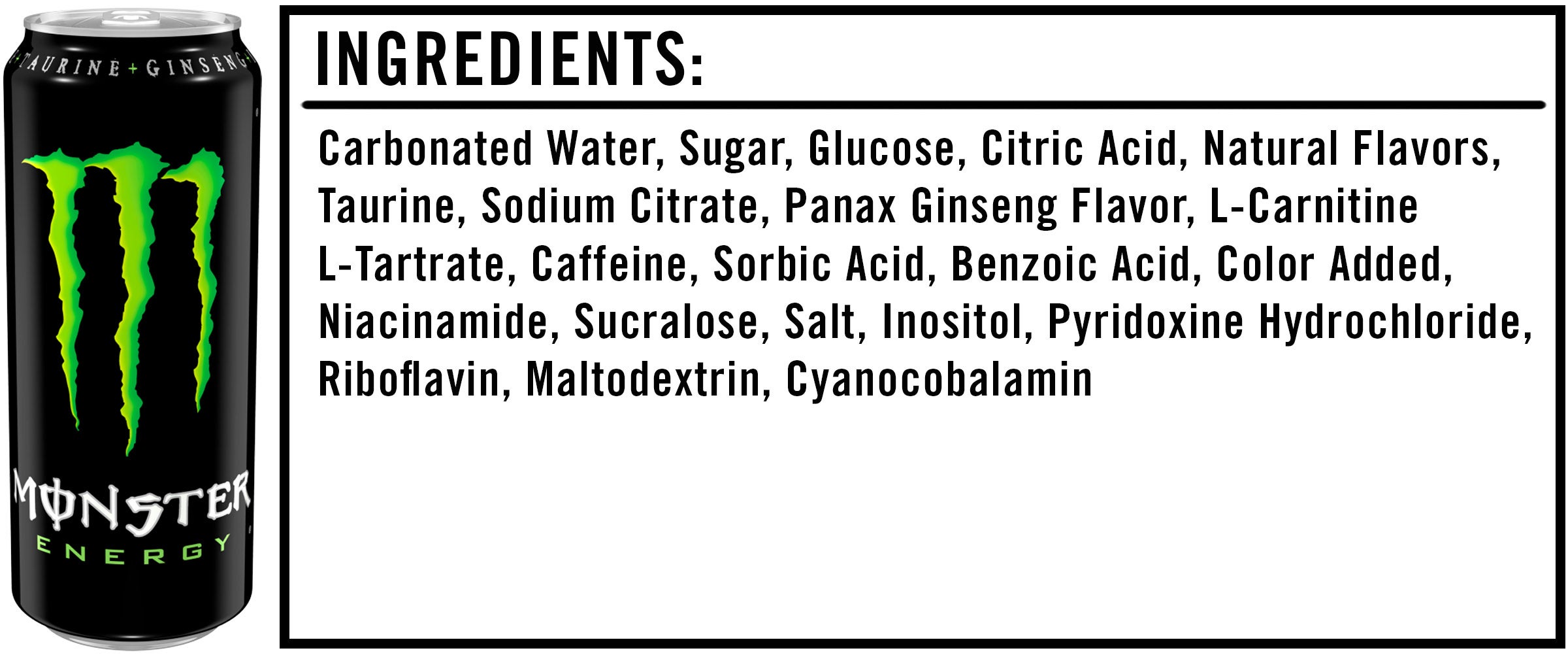
When analyzing the success of the world’s most dominant energy drink companies, the inquiry usually begins with a list of chemical components: caffeine, taurine, B-vitamins, and guarana. However, from a brand strategy perspective, the liquid inside the can is arguably the least important part of the formula. If you ask what Monster Energy is truly “made of,” the answer lies in a masterclass of lifestyle marketing, counter-culture positioning, and a radical departure from traditional advertising norms.
Monster Energy is not just a beverage; it is a cultural artifact. Since its launch in 2002 by what was then the Hansen Natural Corporation, it has transformed from a niche product into a global behemoth that rivals Red Bull. Its success is built on a specific set of branding “ingredients”: visual transgression, grassroots community engagement, and a portfolio strategy that prioritizes sub-cultural dominance over mass-market appeal.
The Visual DNA: Architecture of a Rebel Icon
The first and most visible ingredient in the Monster Energy brand is its visual identity. In a marketplace where most soft drinks utilized bright, friendly, and corporate-designed logos, Monster chose a path of aggression and grit.
The Claw Mark: Minimalist Brilliance
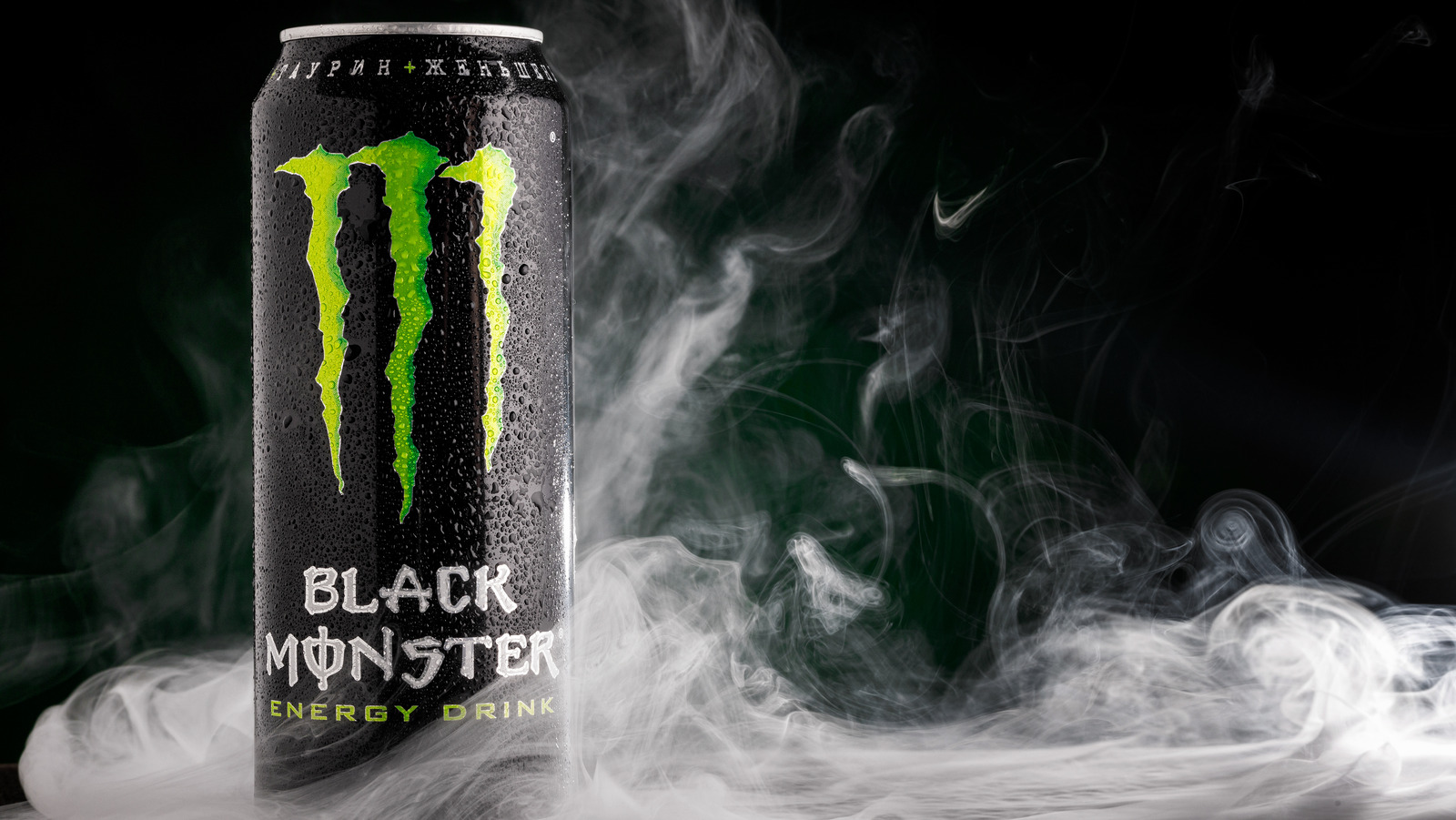
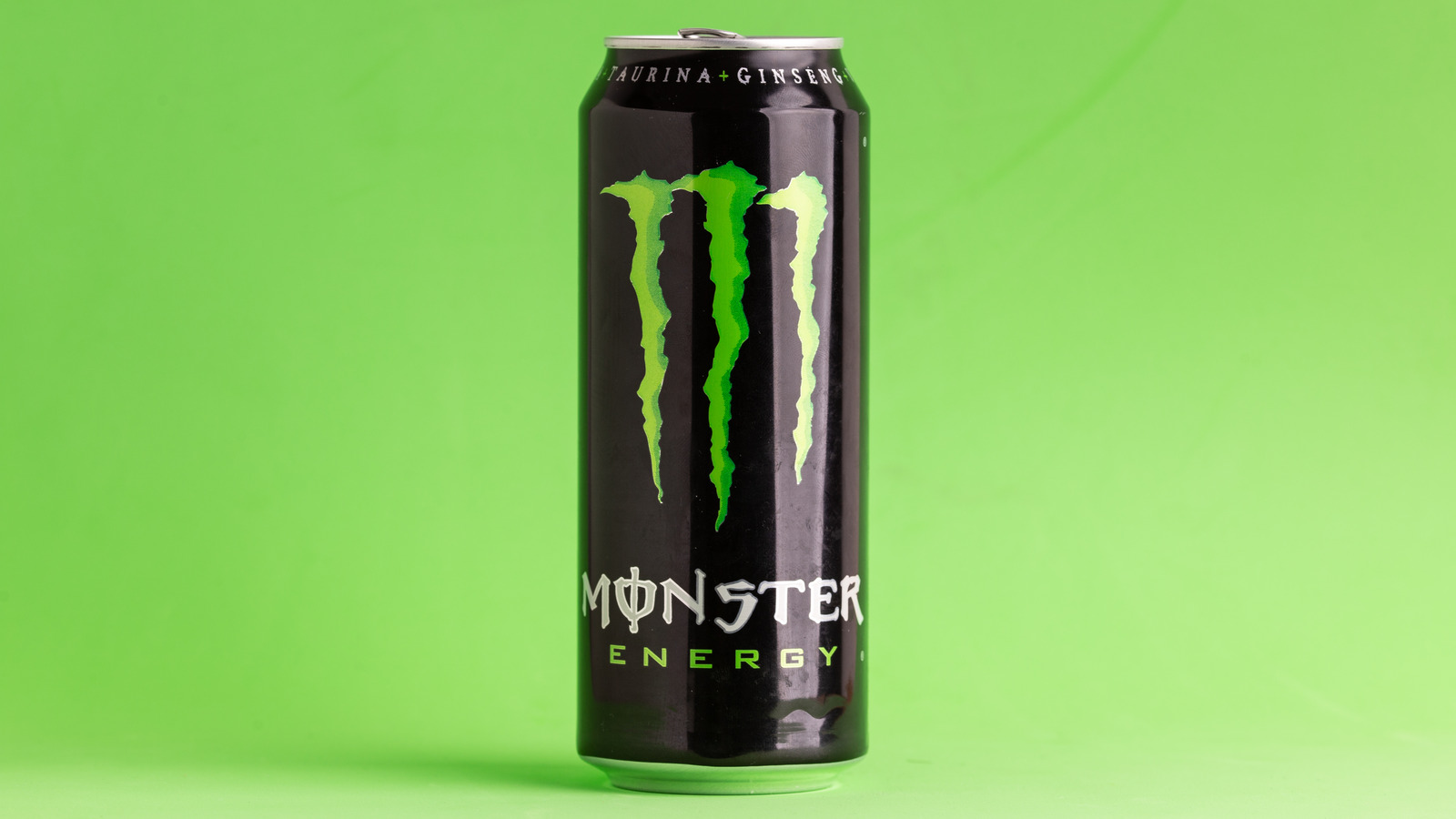
The centerpiece of the brand is the “M” claw logo. Designed by McLean Design, the logo represents three gashes from a monster’s claw, creating a negative-space “M.” From a branding standpoint, this was a stroke of genius. It avoided the “cartoonish” monsters of the 1990s and instead leaned into a raw, primal aesthetic. The neon green against a matte black background created high contrast that popped on convenience store shelves, which are the primary battlegrounds for impulse purchases. This “black-and-neon” scheme signaled that the product was not for the faint of heart; it was fuel for the extreme.
Color Theory and Sub-Brand Diversification
Monster’s brand architecture is built on a “Masterbrand” strategy with extreme SKU (Stock Keeping Unit) differentiation. While the core green claw is the anchor, the brand has successfully expanded into dozens of variations—Ultra (white), Java (coffee-themed), Juice (bright colors), and Reign (fitness-focused). Each sub-brand retains the “claw” but uses a specific color palette to signal a different “tribe.” For instance, the “Ultra” line—with its textured, embossed cans and lighter colors—successfully courted a demographic that wanted the energy but not the sugar or the “heavy” aesthetic of the original. This ability to stretch the brand without breaking the core “rebel” identity is a key component of its market share dominance.
The Marketing Mix: Living the Lifestyle Over Buying the Ad Space
Perhaps the most significant ingredient in Monster Energy’s success is what it doesn’t do: traditional advertising. Unlike its competitors who spend billions on Super Bowl ads or national TV campaigns, Monster built its empire through a grassroots “boots on the ground” strategy.
Grassroots Dominance and Extreme Sports
Monster Energy is “made of” the dirt, grease, and adrenaline of extreme sports. By identifying as a lifestyle brand first and a drink second, they embedded themselves into communities where their target audience—primarily males aged 18 to 34—already existed. They didn’t just sponsor events; they owned the atmosphere. From Motocross and BMX to Rally Cross and MMA, Monster’s presence is ubiquitous.
A prime example of this strategy is their long-term partnership with the late Ken Block and the “Gymkhana” series. These videos were not commercials; they were high-octane entertainment that happened to be powered by Monster. This created an “earned media” loop where fans shared the content because it was cool, not because it was an advertisement. By aligning with high-risk, high-reward athletes, the brand inherited the attributes of those athletes: courage, skill, and a refusal to play by the rules.
The Transition to Digital and Esports
As the consumer landscape shifted, Monster’s brand strategy evolved. They were among the first major non-endemic brands to recognize the power of esports. By sponsoring professional gaming teams and events like DreamHack, they bridged the gap between physical extreme sports and digital competitive play. The “ingredient” here is adaptability—knowing where the “rebel” energy is moving and ensuring the claw is present when it gets there.
Strategic Positioning: The Anti-Red Bull Approach
To understand what Monster is made of, one must look at its primary rival: Red Bull. While Red Bull focuses on “premiumization” and global “high-art” stunts (like jumping from the edge of space), Monster focuses on the “everyman” of the counter-culture.
Quantity and Value Strategy
In its early days, Monster disrupted the market by offering 16 ounces of liquid for the same price Red Bull charged for 8.4 ounces. This “value-driven aggression” appealed to a demographic that valued utility and raw power. This positioning turned Monster into the “people’s energy drink.” It wasn’t about a sleek, European lifestyle; it was about getting the job done, whether that was a 12-hour shift on a construction site or an all-night gaming marathon.
The 16oz Standard as a Disruptor
By standardizing the 16oz “tallboy” can, Monster changed the physical landscape of the retail environment. They forced retailers to adjust their shelf heights and cooler layouts. This physical presence—the “heft” of the can—became part of the brand’s identity. It felt substantial, rugged, and uncompromising.
Corporate Evolution: From Hansen Natural to the Coca-Cola Alliance
The structural “ingredients” of Monster Energy also include a highly sophisticated business strategy. The brand’s transition from a medium-sized natural soda company to a global titan was facilitated by a massive strategic pivot in 2014.
The Strategic Swap of 2014
In a landmark deal, The Coca-Cola Company acquired a roughly 16.7% stake in Monster Beverage Corp. In this exchange, Coca-Cola transferred its energy drink brands (like NOS and Full Throttle) to Monster, while Monster transferred its non-energy brands (like Hansen’s Natural Sodas and Peace Tea) to Coca-Cola. This allowed Monster to become a “pure-play” energy powerhouse.
Global Distribution and Shelf Dominance
The most important outcome of the Coca-Cola partnership was distribution. Monster gained access to the world’s most powerful bottling and distribution network. This allowed the brand to scale globally at a pace that was previously impossible. Today, Monster is “made of” the logistical muscle of the Coca-Cola system, ensuring that whether you are in a rural gas station in the United States or a convenience store in Tokyo, the claw is within arm’s reach. This ubiquity is a psychological trigger; the more a consumer sees the brand, the more it becomes the “default” choice for energy.
The Psychology of “Monster”: Community and Tribalism
At its core, Monster Energy is made of tribalism. The brand has successfully created a “badge” effect. When a consumer wears a Monster-branded hat or puts a claw sticker on their truck, they are signaling their membership in a specific community.
Creating a Lifestyle Brand, Not a Functional Beverage
Functional beverages solve a problem (tiredness). Lifestyle brands provide an identity. Monster has bridged this gap by creating an ecosystem where the product is the “official fuel” of the lifestyle. Their “Monster Girls” ambassador program, their heavy presence at music festivals like Aftershock and Vans Warped Tour (historically), and their “unleash the beast” slogan all serve to reinforce a singular narrative: Monster is for those who live life on the edge.
The Future of the Monster Portfolio
As the brand looks forward, it continues to refine its “ingredients” by entering new categories. The launch of “The Beast Unleashed”—a flavored malt beverage—marks Monster’s entry into the alcohol space. This move is a logical extension of the brand strategy. If the Monster consumer is drinking energy drinks during the day, what are they drinking at night? By leveraging the existing brand equity of the “Monster” name, they can bypass the traditional hurdles of launching a new alcohol brand.
Conclusion
What is Monster Energy made of? It is made of a calculated rejection of the status quo. It is made of a visual identity that is both jarring and magnetic. It is made of a distribution network that spans the globe and a marketing strategy that values authenticity over polish. By focusing on the “fringes” of culture—the skaters, the metalheads, the gamers, and the racers—Monster built a core of brand advocates that the “mass-market” eventually followed.
The liquid in the can may provide the physical energy, but the brand strategy provides the emotional resonance. Monster Energy is a testament to the power of niche-focused branding, demonstrating that when you speak clearly to a specific tribe, you can eventually build a kingdom that covers the world.
aViewFromTheCave is a participant in the Amazon Services LLC Associates Program, an affiliate advertising program designed to provide a means for sites to earn advertising fees by advertising and linking to Amazon.com. Amazon, the Amazon logo, AmazonSupply, and the AmazonSupply logo are trademarks of Amazon.com, Inc. or its affiliates. As an Amazon Associate we earn affiliate commissions from qualifying purchases.