
In the rapidly evolving landscape of medical technology, few diagnostic procedures represent the bridge between traditional physical assessment and modern data-driven health-tech as clearly as monofilament testing. While it may appear as a simple mechanical procedure, the tech-driven evolution of this test—used primarily to detect peripheral neuropathy—has transformed it into a critical component of the digital health ecosystem. Monofilament testing is no longer just about a nylon string; it is about precision engineering, algorithmic data mapping, and the integration of sensory feedback into holistic patient management software.

The Engineering of the Semmes-Weinstein Monofilament
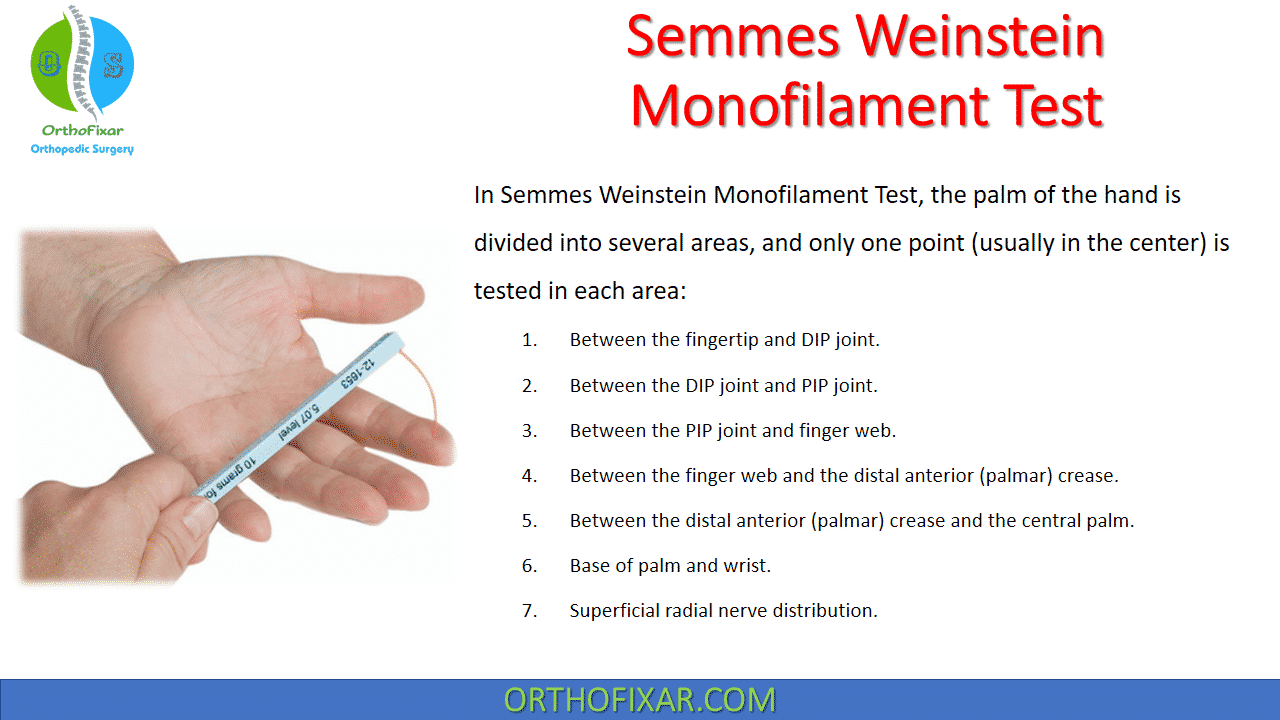
At its core, monofilament testing is a diagnostic tool used to assess the sensation of touch, particularly in the lower extremities. However, from a technical perspective, it is a masterclass in material science and calibrated force application. The standard used globally is the Semmes-Weinstein 5.07 monofilament, which is engineered to deliver exactly 10 grams of linear force when applied to the skin until it buckles.
Material Science and Calibration Standards
The “tech” behind a monofilament lies in its manufacturing. The filament is typically made of a specific grade of nylon that must maintain its structural integrity across various environmental conditions. Engineering the buckling point is a precision task; the filament must provide a consistent force regardless of the speed at which it is applied. This “buckling force” acts as a physical threshold—a binary input for a larger diagnostic algorithm. If the patient cannot feel the 10-gram force, it indicates a significant loss of protective sensation (LOPS), a primary risk factor for diabetic foot ulcers and subsequent complications.
In the modern laboratory, these filaments are tested using high-precision digital scales and robotic arms to ensure that every batch adheres to the 5.07 metric. This level of standardization is what allows the data collected in a rural clinic to be comparable to data collected in a high-tech metropolitan hospital, facilitating large-scale clinical analytics.
The Transition from Analog to Digital Feedback Systems
While the physical filament remains a staple, the technology surrounding its use has shifted toward digital capture. Modern med-tech companies have developed “Smart Monofilaments” equipped with pressure sensors and Bluetooth connectivity. These devices transmit the exact force applied and the patient’s response directly to a mobile application or tablet. This eliminates the “operator bias” that often plagues manual testing, ensuring that the diagnostic data is as clean and objective as possible before it enters the patient’s digital health record.
Data-Driven Diagnostics: Software Integration and AI in Neuropathy Screening
The true value of monofilament testing in the 21st century is found in how the resulting data is processed. We are moving away from paper charts where a nurse marks an “X” on a foot map. Today, that data is ingested by sophisticated software platforms designed to predict patient outcomes using machine learning.
Algorithmic Risk Stratification
When a monofilament test is performed, the results are often input into a 10-point foot map. Digital health platforms take this raw data and cross-reference it with other biometrics—such as HbA1c levels, vascular flow data from Doppler ultrasound, and patient age. AI algorithms can then assign a risk score to the patient. For instance, a patient who fails the monofilament test at three specific points on the hallux and metatarsal heads may be flagged by the software as “High Risk for Ulceration” within the next six months.
This predictive capability is a hallmark of modern medical software. By identifying these patterns early through automated data analysis, healthcare providers can move from reactive treatment to proactive prevention, a shift that is currently a major trend in the “Value-Based Care” tech model.
Interoperability with Electronic Health Records (EHR)
One of the biggest challenges in health technology is interoperability—the ability of different systems to communicate. Monofilament testing software is now being built with HL7 and FHIR (Fast Healthcare Interoperability Resources) standards. This means that as soon as a podiatrist finishes a sensory test, the data is instantly synced with the patient’s primary care physician’s portal and the hospital’s central database. This seamless data flow ensures that every member of a patient’s care team has real-time access to their sensory status, reducing the lag time between diagnosis and intervention.
The Rise of Smart Footwear: Automating Monofilament Principles through IoT
Perhaps the most exciting tech development in this field is the miniaturization of monofilament principles into wearable technology. The Internet of Things (IoT) has enabled the creation of “smart insoles” and “connected footwear” that essentially perform a continuous version of the monofilament test.
Continuous Monitoring vs. Periodic Testing
A standard monofilament test is a snapshot in time—it happens once every few months during a clinical visit. However, neuropathy can fluctuate, and physical damage can occur between appointments. Smart insoles utilize arrays of micro-pressure sensors that monitor the same “threshold points” as a monofilament test.
Instead of a single 10-gram application, these sensors gather millions of data points throughout the day. If the software detects that the patient is putting excessive pressure on an area where sensory perception is known to be diminished (based on previous monofilament tests), the system can send a haptic alert to the patient’s smartwatch or a notification to their smartphone. This is the ultimate application of the monofilament principle: using tech to replace a lost human sense with a digital one.
Edge Computing in Diabetic Care
These smart insoles often utilize edge computing—processing the data locally on the device rather than sending everything to the cloud. This allows for real-time feedback. If a patient is walking in a way that risks a “pressure injury,” the device processes that information instantly. This tech stack—consisting of flexible sensors, low-power Bluetooth (BLE), and edge-based algorithms—is the direct technological descendant of the simple nylon monofilament.
Digital Security and the Privacy of Biometric Sensory Data
As monofilament testing becomes more integrated into the digital world, the security of the data it generates has become a paramount concern. Sensory data is a form of biometric information, and its protection is critical under regulations like HIPAA (Health Insurance Portability and Accountability Act) in the US and GDPR in Europe.
HIPAA Compliance in the Cloud
When a clinician uses a digital app to record monofilament test results, that data must be encrypted both in transit and at rest. The backend architecture of these diagnostic apps usually involves secure cloud environments (like AWS HealthOmics or Microsoft Cloud for Healthcare). Tech companies specializing in this niche must ensure that the “data trail”—from the moment the filament touches the skin to the moment the specialist reviews the digital report—is audit-ready and protected against breaches.
The Future of Decentralized Health Diagnostics
We are also seeing the emergence of blockchain and decentralized identifiers (DIDs) in the storage of diagnostic data. In the future, a patient’s monofilament test history could be stored on a decentralized ledger, giving the patient total control over who accesses their sensory health history. This “patient-owned data” model is a burgeoning trend in the tech space, aimed at increasing transparency and security in the medical field.

The Future of Sensory Tech: Beyond the Filament
What is the next frontier for monofilament testing? We are looking toward non-contact sensory diagnostics and AI-powered visual analysis.
Some startups are experimenting with infrared and thermal imaging combined with computer vision. While the monofilament tests for “touch,” thermal cameras can test for “inflammation”—the precursor to the injuries that monofilament testing seeks to prevent. By combining the mechanical data from a monofilament test with the thermal data from a smartphone-connected camera, AI models can create a “Digital Twin” of a patient’s foot.
This digital twin allows doctors to run simulations and predict how certain activities or footwear might impact the patient’s health. The monofilament, in this context, serves as the “ground truth” data point that calibrates the rest of the high-tech model.
In conclusion, “what is monofilament testing?” is a question that can no longer be answered by looking at a medical textbook alone. In the modern era, it is a data-collection methodology that sits at the center of medical engineering, IoT, and predictive AI. It is a vital signal in the noise of digital health, providing the essential metrics needed to fuel the next generation of preventative medical technologies. As software continues to eat the world of healthcare, the humble monofilament remains a critical, albeit digitally enhanced, gatekeeper of patient safety.
aViewFromTheCave is a participant in the Amazon Services LLC Associates Program, an affiliate advertising program designed to provide a means for sites to earn advertising fees by advertising and linking to Amazon.com. Amazon, the Amazon logo, AmazonSupply, and the AmazonSupply logo are trademarks of Amazon.com, Inc. or its affiliates. As an Amazon Associate we earn affiliate commissions from qualifying purchases.