
When you receive the results of a routine Complete Blood Count (CBC), the sheer volume of medical terminology can be overwhelming. Among the various white blood cell types listed, “monocytes” often appear as a specific percentage or absolute count. Understanding what these cells are, why they matter, and what an abnormal reading might signal is essential for proactive health management. As part of a comprehensive understanding of personal health, viewing these metrics through a clinical lens—much like tracking financial indicators—helps you monitor the “budget” of your immune system.
The Role of Monocytes in the Immune System
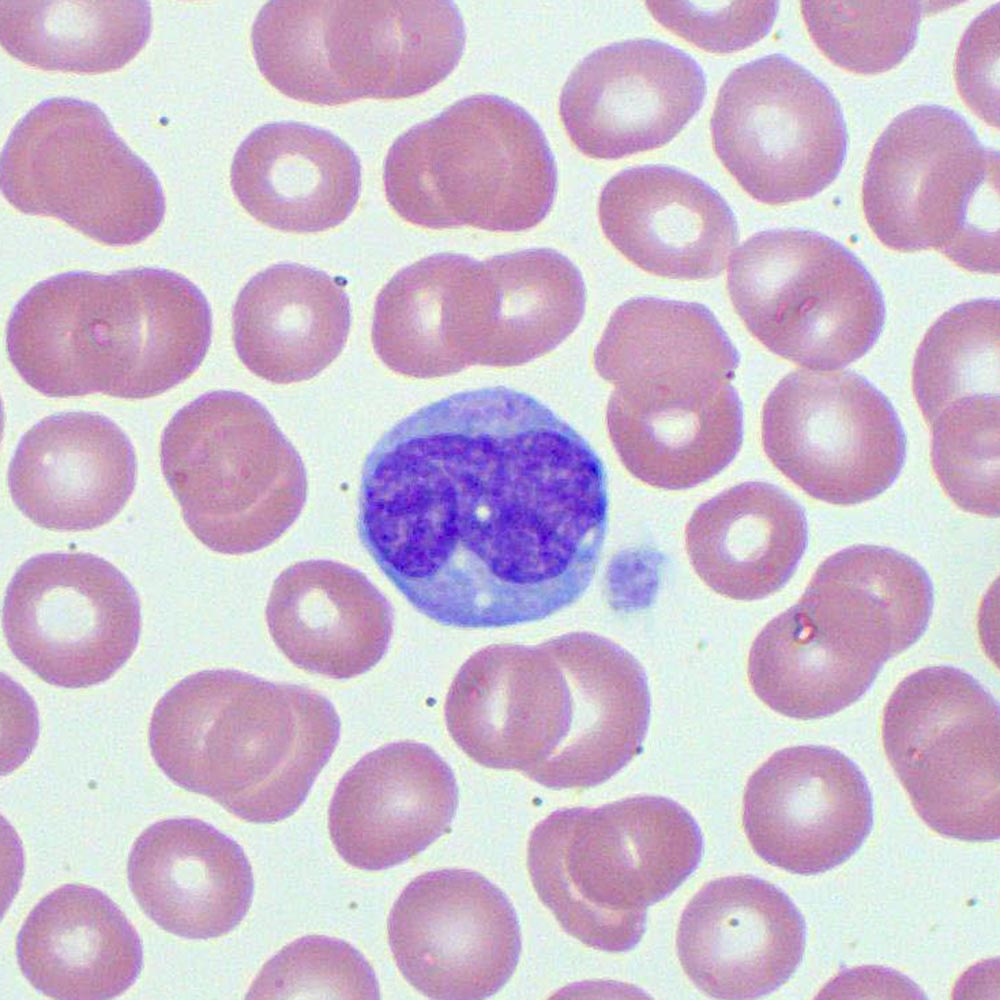
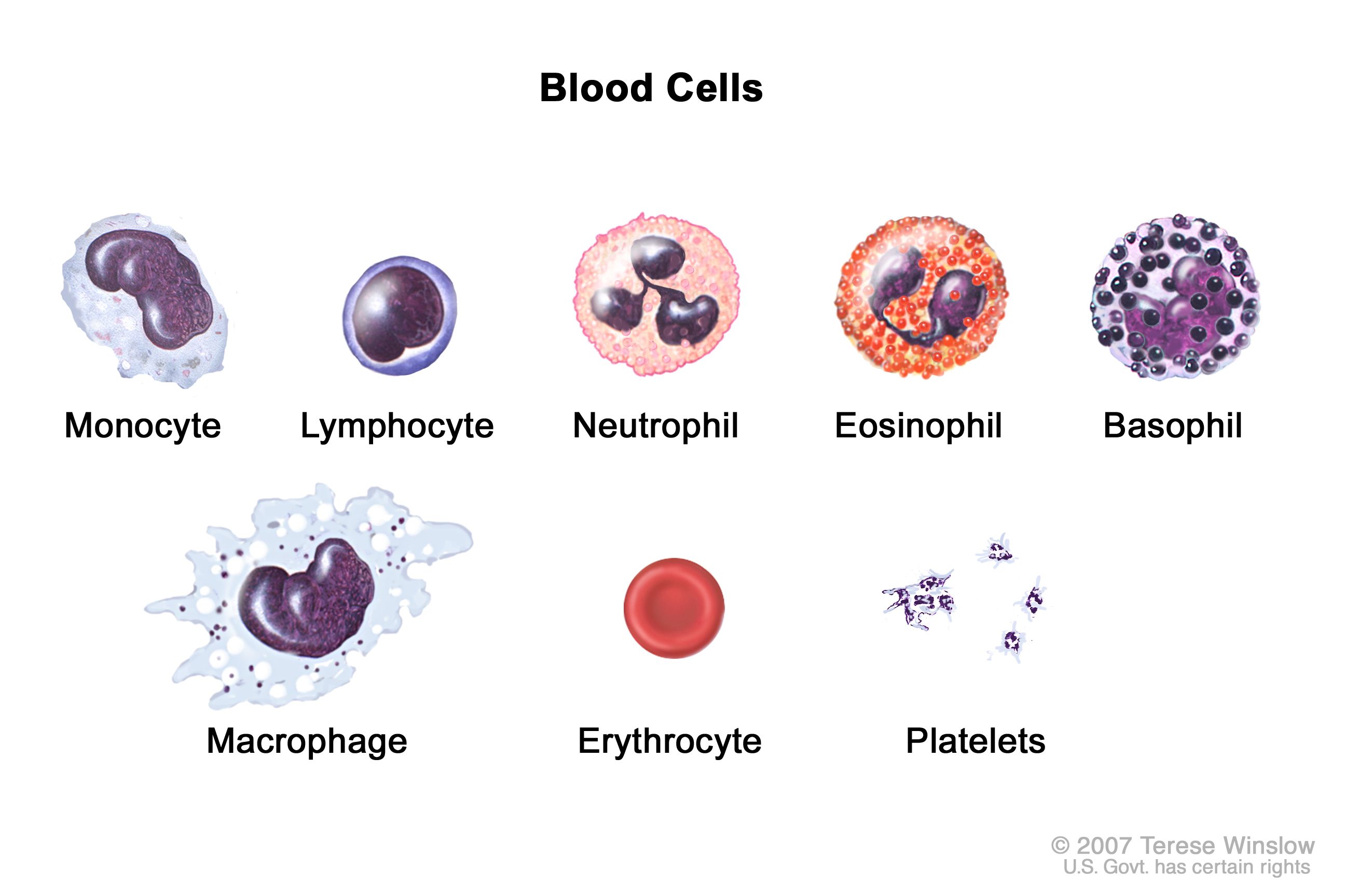
Monocytes are the largest type of white blood cell and serve as the heavy lifters of the innate immune system. Produced in the bone marrow, they circulate in the bloodstream for a short period before migrating into various tissues throughout the body, such as the liver, lungs, and spleen. Once they enter these tissues, they mature into macrophages or dendritic cells, specialized cells that act as the body’s primary defense force.
The Cleanup Crew of the Body
The primary function of a monocyte is phagocytosis—the process of engulfing and destroying cellular debris, pathogens, and foreign particles. Think of them as the sanitation department of your body. When an infection occurs, monocytes are among the first responders to arrive at the scene of the “crime.” They clear away dead cells and bacteria, ensuring that tissue can repair itself and inflammation is contained.
Orchestrating Immune Responses
Beyond cleaning, monocytes act as messengers. Once they process a pathogen, they present fragments of that threat to other immune cells, specifically T-cells. This “intelligence briefing” allows the adaptive immune system to identify the specific enemy and mount a targeted, long-term response. Without monocytes, the body would struggle to transition from an immediate inflammatory response to a sustained, effective immune defense.
Interpreting Your CBC Results: Normal vs. Abnormal
A typical blood test reports the monocyte count in two ways: the absolute count (the actual number of cells) and the percentage of your total white blood cell count. In a healthy adult, monocytes generally account for 2% to 8% of the total white blood cell population. Variations in these numbers are not always cause for alarm, as they can fluctuate based on daily stressors, minor infections, or even lifestyle factors.
Monocytosis: When Levels Rise
Monocytosis occurs when the monocyte count is higher than the standard reference range. This is frequently a physiological signal that the body is dealing with a chronic or acute challenge. Common reasons for elevated levels include:
- Chronic Infections: Persistent conditions such as tuberculosis, bacterial endocarditis, or fungal infections often trigger a sustained elevation as the immune system works to maintain control.
- Autoimmune Disorders: Conditions like rheumatoid arthritis or inflammatory bowel disease (Crohn’s or ulcerative colitis) cause the immune system to remain in a state of high alert, increasing the demand for monocytes.
- Recovery Phase: Often, after an acute infection passes, your monocyte levels may remain temporarily elevated as the body continues to “clean up” the aftermath.
Monocytopenia: When Levels Drop
Monocytopenia, or a low monocyte count, is less common but equally significant. It may indicate that the bone marrow is not producing enough white blood cells. This can be caused by chemotherapy, radiation therapy, certain medications, or bone marrow disorders. When the number of monocytes is low, the body’s ability to defend against secondary infections is compromised, necessitating close observation by a healthcare professional.
Factors Influencing Your Results and When to Consult a Doctor
It is critical to remember that a single blood test is a snapshot in time. Medical providers look at the “trend” of your blood work over months or years, rather than reacting to a single anomalous data point. Just as a market investor looks at long-term growth charts rather than daily volatility, you should view your lab results as part of a longitudinal health narrative.
Why Context Matters
Your doctor will always interpret your monocyte count alongside other markers in the CBC, such as neutrophils and lymphocytes. For example, if your monocytes are high but your neutrophils are also elevated, it might point to an active, acute bacterial infection. If your monocytes are high while your red blood cell count is low, your doctor might investigate markers for anemia or other hematological concerns.
Lifestyle and External Variables
While blood tests are clinical, external factors can occasionally skew results. High levels of physical stress, recent vaccinations, or the use of certain medications (such as corticosteroids) can influence white blood cell distribution. Always inform your healthcare provider of any supplements, medications, or significant illnesses you have experienced in the two weeks preceding a blood draw.
Knowing the Red Flags
While slight fluctuations are often benign, certain patterns warrant immediate follow-up. You should prioritize a consultation with your physician if your results are accompanied by:
- Unexplained persistent fever or night sweats.
- Unintended, rapid weight loss.
- Extreme fatigue that does not resolve with rest.
- Swollen lymph nodes or persistent skin lesions.

The Future of Monitoring Your Immune Health
In an era where personal health analytics are becoming more sophisticated, understanding how to read your own lab work is a powerful tool for wellness. When you look at your CBC report, don’t view the numbers as mere data points in a vacuum. Instead, see them as indicators of your body’s internal economic state. Your monocytes are the capital being deployed to protect your system from external threats.
By maintaining a consistent schedule for routine physicals, you build a baseline of your “normal.” This allows you and your doctor to identify subtle deviations early. Much like a business audit, early detection of irregularities in your blood counts allows for faster interventions and better long-term health outcomes.
Ultimately, monocytes are indispensable allies in your body’s daily survival. By learning how to interpret these tests, you move from being a passive recipient of medical reports to an active participant in your healthcare strategy. Continue to prioritize regular screenings, maintain open communication with your primary care team, and remember that when it comes to blood work, the context—not just the count—is what truly matters. If your numbers fall outside the reference range, use that information as a prompt to discuss your lifestyle, environment, and overall immune health with a professional who can synthesize those metrics into a actionable wellness plan.
aViewFromTheCave is a participant in the Amazon Services LLC Associates Program, an affiliate advertising program designed to provide a means for sites to earn advertising fees by advertising and linking to Amazon.com. Amazon, the Amazon logo, AmazonSupply, and the AmazonSupply logo are trademarks of Amazon.com, Inc. or its affiliates. As an Amazon Associate we earn affiliate commissions from qualifying purchases.