
The realm of biotechnology is constantly evolving, and at its forefront are sophisticated tools that are revolutionizing how we understand and combat disease. Among these, monoclonal antibodies (mAbs) stand out as particularly impactful. Once a niche area of research, mAbs have become indispensable in the treatment of a wide array of conditions, from cancer and autoimmune disorders to infectious diseases. But what exactly are these powerful biological agents, and how do they achieve such targeted therapeutic effects?
This exploration delves into the world of monoclonal antibodies, not just as a scientific marvel, but also through the lenses of the technological advancements that enable their creation, the brand strategies that bring them to market, and the financial implications of their development and accessibility.
The Science Behind Precision Targeting: Understanding Monoclonal Antibodies
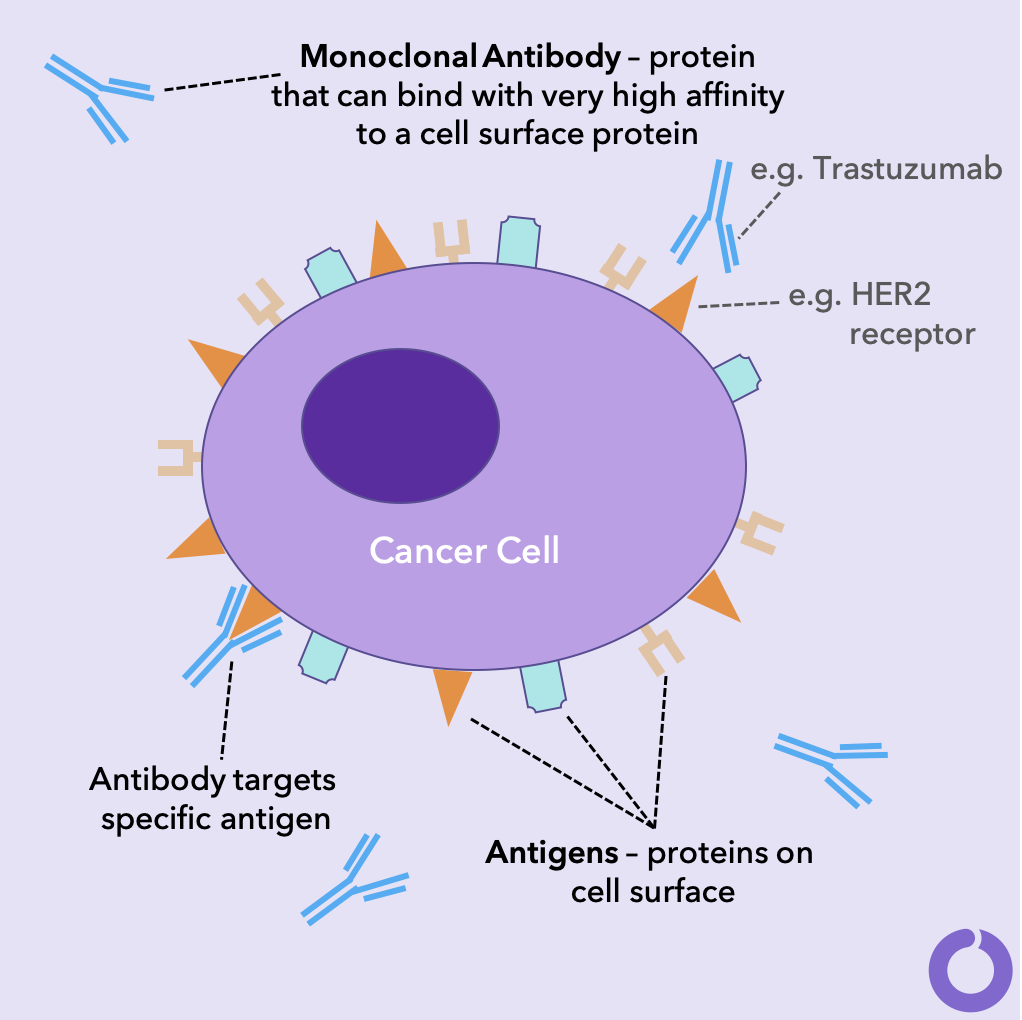
At its core, a monoclonal antibody is a highly specific type of protein produced by a single clone of B cells (a type of white blood cell). Unlike polyclonal antibodies, which are a mixture of antibodies produced by different B cell lineages and target multiple epitopes on an antigen, monoclonal antibodies are designed to recognize and bind to one specific target, known as an epitope. This extraordinary specificity is what makes them such potent and precise therapeutic tools.
How are Monoclonal Antibodies Produced?
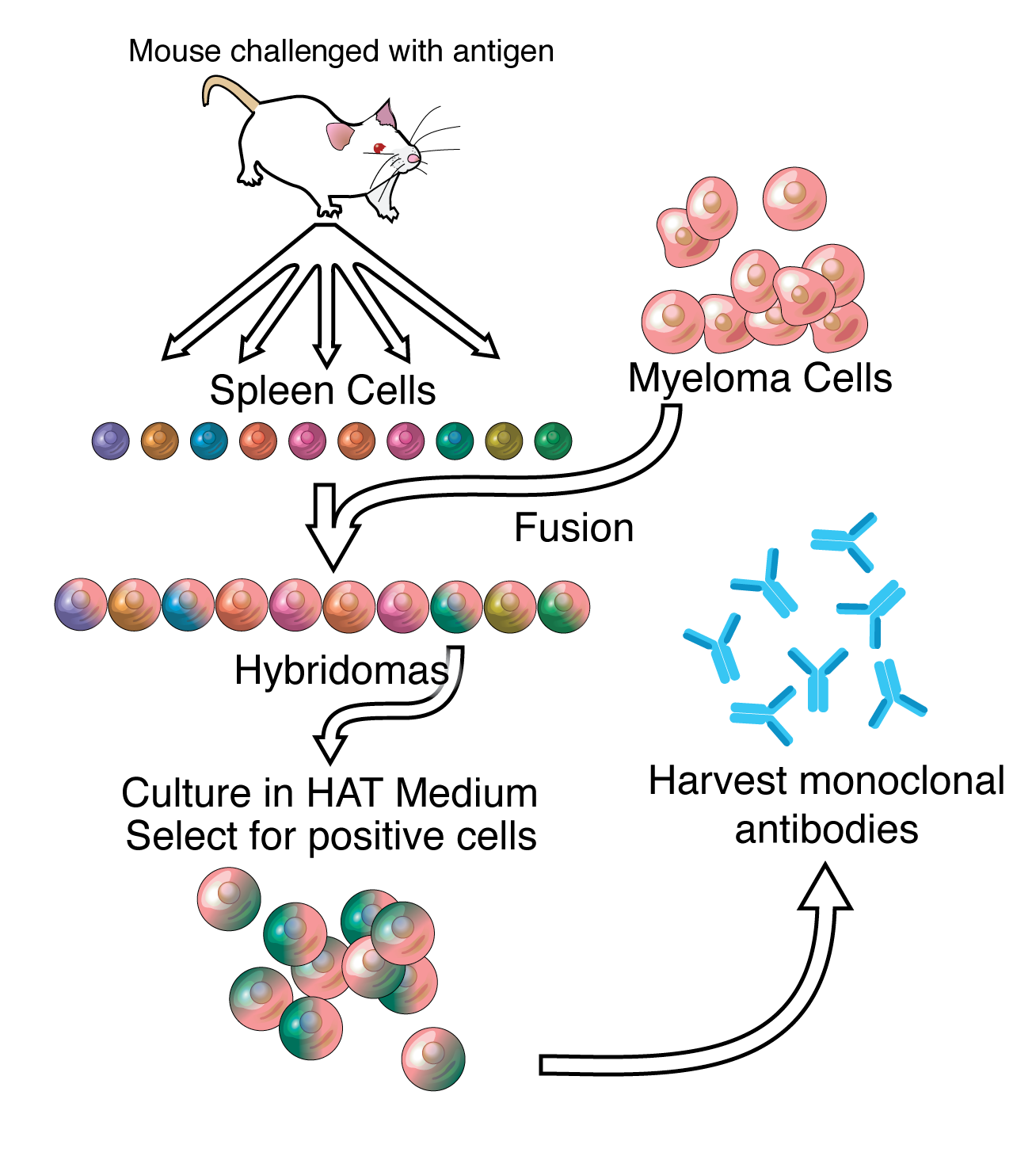
The journey of a monoclonal antibody from concept to clinical application is a testament to advanced biotechnological processes. The foundational technique for generating mAbs is the hybridoma technology, first developed by Georges Köhler and César Milstein in 1975, a breakthrough that earned them the Nobel Prize.
- Immunization: The process begins with immunizing an animal, typically a mouse, with the specific antigen that the desired antibody should target. This antigen could be a protein found on cancer cells, a virus particle, or a molecule involved in an inflammatory response. The animal’s immune system will then produce a diverse range of antibodies against this antigen.
- B Cell Isolation: Spleen cells from the immunized mouse, which are rich in antibody-producing B cells, are harvested.
- Fusion with Myeloma Cells: These B cells are then fused with immortalized myeloma cells (cancerous plasma cells). This fusion creates hybrid cells called hybridomas. The myeloma cells provide the immortality, allowing the hybridomas to divide indefinitely in culture, while the B cells provide the antibody-producing capability.
- Selection and Cloning: A special culture medium is used to select for only the hybridomas that have successfully formed. From this population, individual hybridomas that produce the specific antibody of interest are identified and isolated. These identified hybridomas are then cloned, ensuring that each cell in the clone produces the exact same antibody – hence, “monoclonal.”
- Antibody Production and Purification: The selected hybridoma clones are then cultured in large quantities, allowing them to secrete vast amounts of the desired monoclonal antibody into the culture medium. The antibodies are subsequently purified from this medium using various biochemical techniques.
Modern advancements have also led to techniques like phage display and recombinant DNA technology, which allow for the generation of humanized or fully human monoclonal antibodies, reducing the risk of immune reactions in patients.
The Diverse Applications of Monoclonal Antibodies
The specificity of mAbs makes them incredibly versatile. They can be engineered to:
- Directly Block Disease-Causing Molecules: mAbs can bind to molecules involved in disease processes, preventing them from interacting with their targets. For example, in autoimmune diseases like rheumatoid arthritis, mAbs can block pro-inflammatory cytokines, thereby reducing inflammation.
- Deliver Therapeutic Agents: mAbs can act as “guided missiles,” carrying toxins, radiation, or other drugs directly to targeted cells, such as cancer cells. This approach, known as antibody-drug conjugates (ADCs), significantly enhances the efficacy of treatment while minimizing damage to healthy tissues.
- Stimulate the Immune System: Some mAbs are designed to “unmask” cancer cells, making them more visible to the patient’s own immune system, particularly T cells, enabling the body to mount a more effective anti-cancer response. Checkpoint inhibitor mAbs, for instance, are a prime example of this strategy.
- Act as Diagnostic Tools: Their ability to bind specifically to certain markers makes mAbs invaluable in diagnostic tests, helping to identify diseases or specific cellular components.
Tech Innovations Powering Monoclonal Antibody Development and Delivery
The remarkable journey of monoclonal antibodies from laboratory curiosity to life-saving therapies is intrinsically linked to advancements in technology. The sophistication of manufacturing, engineering, and delivery systems has propelled mAbs to the forefront of modern medicine.
Advanced Manufacturing and Engineering Technologies
The scale-up of monoclonal antibody production from laboratory flasks to industrial bioreactors is a monumental feat of bioengineering.
- Bioreactor Technology: Modern bioreactors, often towering vessels, are meticulously controlled environments that provide optimal conditions for hybridoma or recombinant cell lines to proliferate and produce mAbs. Precise monitoring of temperature, pH, nutrient levels, and dissolved oxygen is crucial for maximizing yield and ensuring antibody quality.
- Downstream Processing and Purification: Extracting and purifying mAbs from the complex mixture of cellular components and culture media is a critical step. Chromatography techniques, such as affinity chromatography (often using Protein A or Protein G ligands that specifically bind to antibodies), ion-exchange chromatography, and size-exclusion chromatography, are employed to isolate the mAb with exceptional purity.
- Recombinant DNA Technology and Cell Line Engineering: The shift towards using genetically engineered mammalian cells (like CHO cells) as factories for mAb production has been a game-changer. Recombinant DNA technology allows for the insertion of human genes encoding antibody sequences into these cell lines, leading to the production of humanized or fully human mAbs. This significantly reduces the immunogenicity of the therapeutic antibody, making it safer for patients.
- Single-Use Technologies: The adoption of single-use bioreactors and disposable processing equipment has streamlined manufacturing, reduced the risk of cross-contamination, and increased flexibility, particularly for smaller batch production or during early-stage clinical trials.
Sophisticated Delivery and Therapeutic Engineering
Beyond their creation, the way mAbs are formulated and delivered has also seen significant technological evolution.
- Formulation Science: Developing stable, injectable formulations for large protein molecules like mAbs is a complex area of pharmaceutical science. Technologies focus on preventing aggregation, degradation, and ensuring proper bioavailability. Lyophilization (freeze-drying) is a common technique to enhance the shelf-life of mAb formulations.
- Biologics Manufacturing Automation: As the demand for mAbs grows, automation in manufacturing processes is becoming increasingly vital. Automated liquid handling systems, robotic arms for sample management, and integrated control systems improve efficiency, consistency, and reduce human error.
- Antibody-Drug Conjugates (ADCs): This cutting-edge technology combines the targeting power of mAbs with potent cytotoxic drugs. Sophisticated chemical conjugation techniques are employed to attach the drug payload to the antibody at specific sites, ensuring that the toxin is delivered precisely to the target cells, thereby minimizing systemic toxicity.
- Gene Therapy and mRNA Technologies: While not directly producing mAbs, advancements in gene therapy and mRNA technologies are opening new avenues for antibody production within the body, potentially revolutionizing how antibodies are generated and delivered for therapeutic purposes in the future.
These technological advancements are not only making mAb production more efficient and scalable but also enabling the development of more sophisticated and targeted therapeutic strategies.

Branding Monoclonal Antibodies: From Scientific Discovery to Patient Trust
The journey of a monoclonal antibody from the laboratory bench to a patient’s bedside is a complex interplay of scientific innovation, regulatory approval, and robust brand strategy. For pharmaceutical companies, successfully bringing a mAb to market involves more than just demonstrating clinical efficacy; it requires building trust, communicating value, and establishing a strong brand identity in a highly competitive and sensitive landscape.
Establishing a Brand Identity for a Novel Therapy
The branding of a monoclonal antibody begins long before its approval. It’s about crafting a narrative that resonates with multiple stakeholders: physicians, patients, payers, and regulatory bodies.
- Naming Conventions: The naming of mAbs often follows specific International Nonproprietary Names (INN) guidelines, which incorporate prefixes that indicate the target or source of the antibody. For instance, “-tu-” often signifies a tumor target, and “-xi-” indicates a chimeric antibody (a mix of mouse and human components). While these scientific roots are essential for clarity, the brand name chosen for commercialization needs to be memorable, easy to pronounce, and convey a sense of hope and efficacy.
- Visual Identity and Packaging: The visual design of the drug packaging, from the box to the vial, plays a crucial role in conveying professionalism, safety, and brand recognition. This often involves a clean, modern aesthetic, with clear labeling and consistent use of brand colors and logos.
- Scientific Storytelling: Effectively communicating the science behind the mAb is paramount. This involves developing clear, concise, and compelling scientific narratives for medical professionals, highlighting the mechanism of action, clinical trial data, and the unmet needs the therapy addresses. This storytelling is crucial for securing physician buy-in and inclusion on treatment guidelines.
Building Trust and Reputation in a High-Stakes Market
The pharmaceutical industry, particularly in the area of biologics like mAbs, operates under intense scrutiny. Building and maintaining trust is a continuous process.
- Clinical Trial Transparency and Data Dissemination: Robust clinical trial data is the cornerstone of any drug’s success. Companies must transparently report their findings, both positive and negative, through peer-reviewed publications, scientific conferences, and regulatory submissions. This builds credibility and fosters confidence among the medical community.
- Patient Advocacy and Support Programs: For chronic or serious conditions treated by mAbs, patient support programs are indispensable. These programs can offer financial assistance, educational resources, adherence support, and emotional well-being services. By directly supporting patients, companies foster loyalty and build a positive brand image.
- Key Opinion Leader (KOL) Engagement: Collaborating with and engaging leading medical professionals in relevant fields is vital. KOLs can act as trusted voices, advocating for the appropriate use of the mAb and sharing their positive experiences with colleagues. This engagement must be ethical and transparent.
- Post-Market Surveillance and Pharmacovigilance: Demonstrating a commitment to patient safety beyond the approval stage is critical. Rigorous post-market surveillance and pharmacovigilance efforts, including timely reporting and management of adverse events, reinforce the brand’s dedication to patient well-being.
- Corporate Social Responsibility (CSR): Companies that invest in broader health initiatives, research funding, or community engagement beyond their direct product offerings can enhance their overall brand reputation and demonstrate a commitment to public health.
The successful branding of a monoclonal antibody is a strategic imperative that requires a deep understanding of the scientific product, the market dynamics, and the emotional needs of patients and healthcare providers. It’s about transforming a complex scientific breakthrough into a trusted solution for life-altering conditions.
The Monetary Landscape of Monoclonal Antibodies: Investment, Innovation, and Access
Monoclonal antibodies represent a significant financial frontier in the pharmaceutical and biotechnology sectors. Their development is characterized by substantial research and development (R&D) costs, lengthy approval processes, and, upon success, the potential for considerable returns. Understanding the monetary aspects of mAbs involves looking at the investment required, the innovative business models that fuel their creation, and the ongoing challenge of ensuring patient access to these life-saving, and often expensive, therapies.
The Investment-Intensive Lifecycle of Monoclonal Antibodies
Bringing a new monoclonal antibody to market is an exceptionally capital-intensive endeavor.
- Research and Development (R&D) Costs: The initial stages of drug discovery, target identification, antibody generation, preclinical testing (in vitro and in vivo), and rigorous clinical trials (Phase I, II, and III) can cost hundreds of millions, and often billions, of dollars per drug. The high failure rate in drug development means that successful candidates must recoup the investment lost on failed projects.
- Manufacturing Scale-Up and Infrastructure: Establishing and maintaining the sophisticated manufacturing facilities required for producing biologics like mAbs is a significant capital expenditure. This includes investments in advanced bioreactors, purification equipment, quality control systems, and highly skilled personnel.
- Regulatory Approval Pathways: Navigating the complex regulatory landscape overseen by bodies like the FDA (in the US) or EMA (in Europe) involves substantial costs for data generation, submission fees, and ongoing compliance.
Business Models Driving mAb Innovation
The lucrative nature of successful mAbs has fostered diverse business models aimed at accelerating innovation and maximizing market penetration.
- Biotechnology Start-ups and Venture Capital: Many cutting-edge mAb therapies originate from smaller biotech firms that rely heavily on venture capital funding. These investors provide the crucial early-stage capital in exchange for equity, betting on the scientific promise and potential market success of the novel therapeutics.
- Big Pharma Partnerships and Acquisitions: Larger pharmaceutical companies often partner with or acquire smaller biotech firms that have promising mAb candidates in their pipeline. This allows big pharma to expand its portfolio with innovative biologics while providing the smaller company with the resources and expertise for late-stage development, manufacturing, and global commercialization.
- Licensing Agreements and Royalty Payments: Companies may license out their mAb technology or specific drug candidates to other pharmaceutical firms, receiving upfront payments, milestone payments upon achieving certain development goals, and ongoing royalty payments based on sales.
- Biosimilar Development: As patents for original biologic drugs expire, companies develop biosimilars – highly similar versions of the reference product. This creates a more competitive market, potentially driving down prices and increasing patient access, though the development and approval of biosimilars also require significant investment and regulatory expertise.
The Challenge of Affordability and Access
Despite their therapeutic power, the high cost of monoclonal antibodies presents a significant challenge for patients, healthcare systems, and payers worldwide.
- Pricing Strategies: The pricing of mAbs is a complex issue. Companies often justify high prices by citing the R&D investments, the complexity of manufacturing, and the significant value they bring in terms of improved patient outcomes and reduced long-term healthcare costs (e.g., by preventing hospitalizations or the need for more invasive procedures).
- Reimbursement and Payer Negotiations: Gaining reimbursement from private insurers and government health programs is critical for market access. This involves extensive negotiations where the therapeutic value and cost-effectiveness of the mAb are scrutinized.
- Patient Assistance Programs (PAPs): To mitigate the financial burden on patients, many pharmaceutical companies offer PAPs that provide financial assistance, co-pay support, or free medication for eligible uninsured or underinsured individuals.
- Health Technology Assessment (HTA): In many countries, HTA bodies evaluate the clinical effectiveness and cost-effectiveness of new drugs before they are approved for reimbursement. This process aims to ensure that healthcare resources are used efficiently and that patients have access to treatments that offer real value.
The monetary landscape of monoclonal antibodies is dynamic and multifaceted, reflecting both the immense innovation and the critical challenges in delivering these advanced therapies to those who need them most. Balancing the need for continued investment in R&D with the imperative of patient access remains a central theme in the evolution of this critical class of medicines.
aViewFromTheCave is a participant in the Amazon Services LLC Associates Program, an affiliate advertising program designed to provide a means for sites to earn advertising fees by advertising and linking to Amazon.com. Amazon, the Amazon logo, AmazonSupply, and the AmazonSupply logo are trademarks of Amazon.com, Inc. or its affiliates. As an Amazon Associate we earn affiliate commissions from qualifying purchases.