
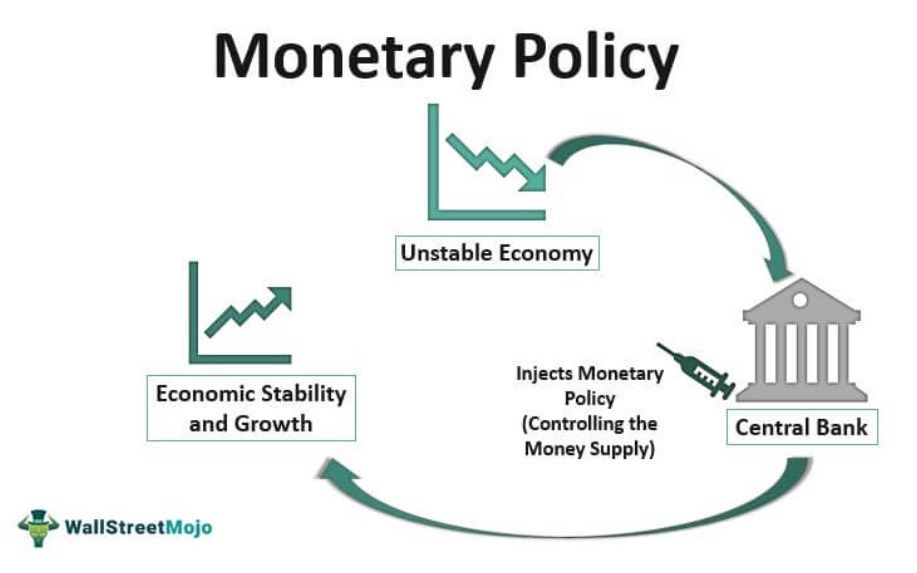
Monetary policy stands as one of the most powerful levers a government—specifically through its central bank—can pull to influence a nation’s economy. At its core, monetary policy refers to the actions undertaken by a central bank, such as the Federal Reserve in the United States or the European Central Bank in the eurozone, to control the money supply and achieve sustainable economic growth. It is the invisible hand that regulates the cost of borrowing, the pace of inflation, and the overall stability of the financial system.
While the term might sound like abstract jargon reserved for Wall Street analysts, monetary policy has a direct and profound impact on every individual’s financial life. It determines the interest rate on your mortgage, the yield on your savings account, and even the likelihood of finding a job during a recession. Understanding the mechanics of monetary policy is essential for anyone looking to navigate the complexities of personal finance and investing.
The Mechanics of Monetary Policy: Managing the Supply of Money
The fundamental premise of monetary policy is the management of liquidity within an economy. Liquidity refers to how easily money can be accessed and spent. Central banks act as the primary architects of this environment, adjusting the volume of money circulating in the system to ensure that the economy neither overheats nor grinds to a halt.
Central Banks as the Architects
In most modern economies, the central bank operates with a degree of independence from the political government. This independence is crucial because monetary decisions often require short-term pain for long-term gain. For example, raising interest rates to combat inflation can be unpopular with voters, but it is often necessary to prevent a total collapse of purchasing power. The central bank monitors data—such as Gross Domestic Product (GDP), Consumer Price Index (CPI), and unemployment rates—to decide whether to “tighten” or “loosen” the monetary reins.
The Distinction Between Monetary and Fiscal Policy
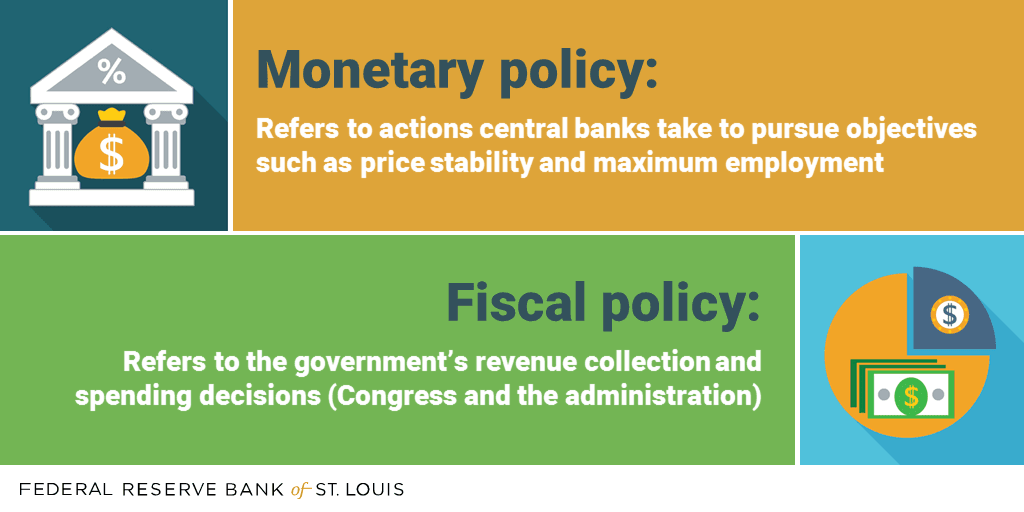
It is important to distinguish monetary policy from fiscal policy. Fiscal policy involves government spending and taxation, which are decided by legislative bodies. While fiscal policy influences the economy through direct investment or tax incentives, monetary policy influences it through the financial system. Both work toward the same goals—economic stability and growth—but they use different toolsets. When the two are aligned, they can be a potent force for recovery; when they are at odds, they can create significant market volatility.
Tools of the Trade: How Central Banks Influence the Economy
Central banks do not simply print money and hand it out. Instead, they use several sophisticated instruments to manipulate the financial environment. These tools affect how commercial banks behave, which in turn affects businesses and consumers.
Interest Rates and the Federal Funds Rate
The most visible tool of monetary policy is the manipulation of short-term interest rates. In the U.S., this is known as the Federal Funds Rate—the rate at which commercial banks lend to one another overnight. When the central bank lowers this rate, it becomes cheaper for banks to borrow money. These banks, in turn, lower the rates they charge consumers for credit cards, auto loans, and mortgages. Conversely, when the central bank raises rates, borrowing becomes more expensive, which discourages spending and encourages saving.
Open Market Operations (OMO)
Open Market Operations are the day-to-day bread and butter of monetary policy. This involves the buying and selling of government securities (bonds) in the open market. When the central bank wants to increase the money supply, it buys bonds from banks, injecting fresh cash into the banking system. When it wants to decrease the money supply, it sells bonds, taking cash out of the system. This process directly influences the level of reserves banks hold and, consequently, their ability to lend.
Reserve Requirements
Every commercial bank is required by law to keep a certain percentage of its deposits in reserve, either in its vaults or at the central bank. This is known as the reserve requirement. By adjusting this ratio, the central bank can control how much money banks can create through lending. If the requirement is lowered, banks have more “excess reserves” to lend out, effectively increasing the money supply. While this tool is used less frequently than interest rates, it remains a powerful structural lever.
Quantitative Easing and Unconventional Tools
In extreme circumstances—such as the 2008 financial crisis or the COVID-19 pandemic—standard interest rate cuts may not be enough, especially if rates are already near zero. In these cases, central banks turn to “Quantitative Easing” (QE). This involves large-scale purchases of long-term securities, including government bonds and mortgage-backed securities. The goal is to lower long-term interest rates and flood the economy with liquidity to prevent a systemic collapse.
The Dual Mandate: Objectives of Monetary Policy
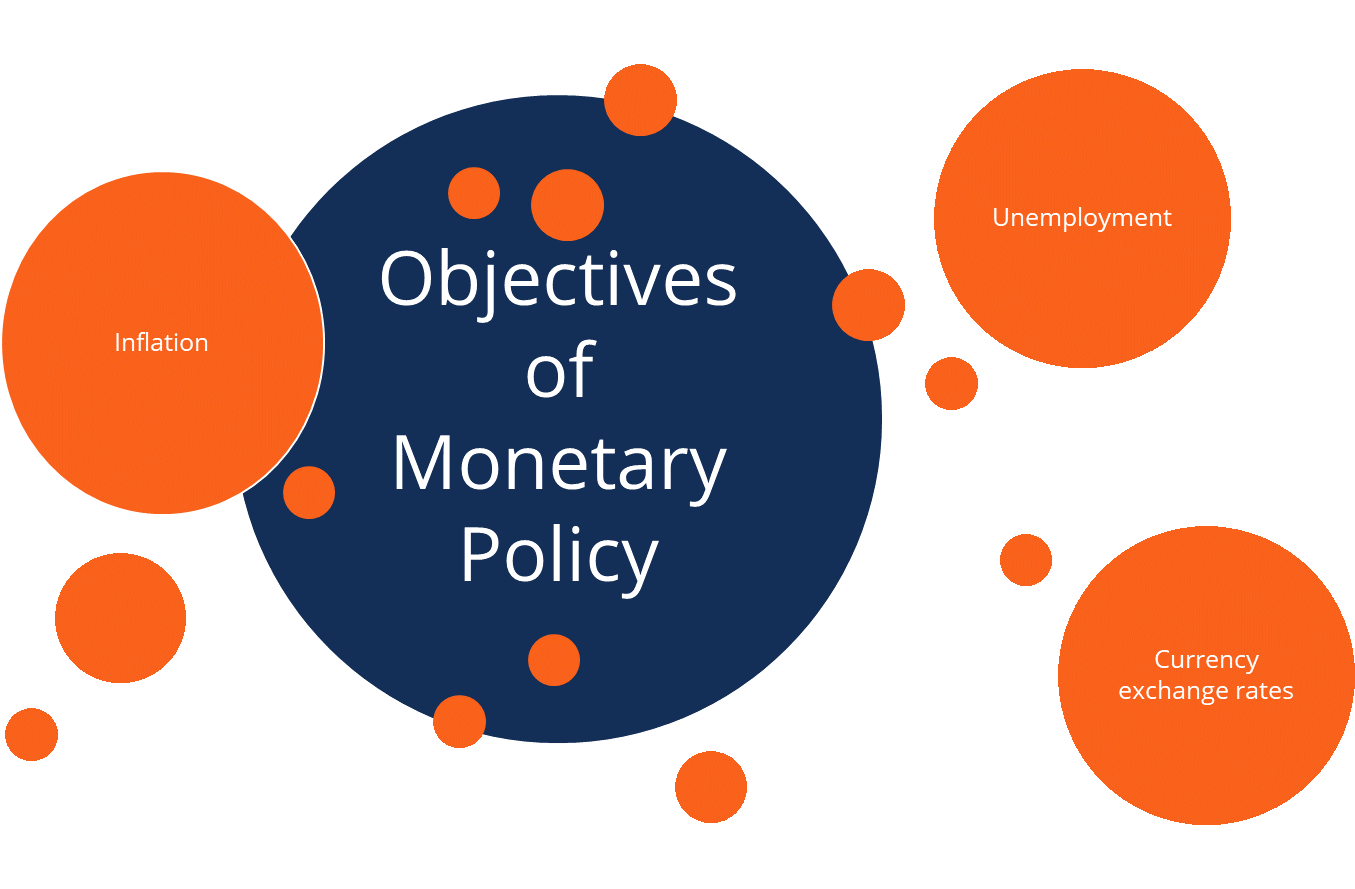
Most central banks operate under a “dual mandate,” which refers to the two primary goals they are legally obligated to pursue: price stability and maximum sustainable employment.
Price Stability and Inflation Control
Inflation is the rate at which the general level of prices for goods and services rises. A small amount of inflation—usually targeted at around 2%—is considered healthy for a growing economy. It encourages consumers to spend now rather than later. However, “hyperinflation” can destroy a currency’s value, while “deflation” (falling prices) can lead to a spiral of decreased spending and business failures. Monetary policy is the primary defense against these extremes, using rate hikes to cool down an inflationary environment.
Promoting Full Employment
The second pillar of the dual mandate is ensuring that as many people as possible who want to work can find jobs. When the economy is sluggish and unemployment is high, the central bank will typically adopt an “easy” monetary policy, lowering rates to stimulate business investment and hiring. However, there is often a trade-off; if the labor market becomes too tight, it can lead to wage-price spirals that trigger high inflation, forcing the central bank to intervene.
Economic Growth and Exchange Rate Stability
Beyond the dual mandate, monetary policy also aims to foster steady GDP growth and maintain stable exchange rates. A stable currency is vital for international trade and investment. If a country’s currency is too volatile, foreign investors may shy away, and the cost of imports may skyrocket, further complicating the central bank’s job.
Expansionary vs. Contractionary Policy: Navigating Business Cycles
Economic activity moves in cycles of expansion and contraction. Monetary policy is designed to smooth out these “boom and bust” periods, acting as a stabilizer.
Fighting Recessions with Expansionary Measures
During a recession, the central bank employs expansionary (or “dovish”) monetary policy. By lowering interest rates and purchasing securities, the bank makes it easier for businesses to fund new projects and for consumers to purchase homes and cars. This increased demand helps stimulate production and, ideally, leads to a recovery in the labor market.
Cooling Overheated Economies with Contractionary Measures
When the economy grows too fast, it can lead to asset bubbles and runaway inflation. To prevent this, the central bank shifts to a contractionary (or “hawkish”) stance. By raising interest rates and selling securities, the bank reduces the amount of money in circulation. This makes borrowing more expensive, which slows down consumer spending and business expansion, bringing the economy back to a sustainable pace.
The Impact on Markets and Personal Finance
The decisions made by central bankers ripple through every corner of the financial world. For investors and savers, understanding these shifts is paramount to protecting and growing wealth.
Influence on Stock and Bond Markets
Equity markets generally react favorably to expansionary monetary policy. Lower interest rates mean lower borrowing costs for corporations, which can lead to higher profits and higher stock valuations. Conversely, when rates rise, stocks often face headwinds as the “discount rate” used to value future earnings increases. The bond market is even more sensitive; bond prices and interest rates have an inverse relationship. When the central bank raises rates, existing bonds with lower yields become less attractive, and their market value drops.
The Ripple Effect on Mortgages and Consumer Loans
For the average household, monetary policy is felt most acutely in the cost of debt. Fixed-rate mortgages are influenced by long-term bond yields, which are shaped by expectations of future monetary policy. Variable-rate loans, such as credit cards and Home Equity Lines of Credit (HELOCs), usually track the central bank’s policy rate closely. A shift of just 1% in the central bank’s target rate can mean thousands of dollars in extra interest payments over the life of a loan.
The Importance of Financial Preparedness
Because monetary policy is cyclical, individuals must plan for both high- and low-rate environments. In a low-rate environment, it may be wise to refinance debt or invest in growth assets. In a high-rate environment, the focus may shift toward high-yield savings accounts and debt reduction. By keeping a close eye on the signals sent by the central bank, businesses and individuals can position themselves to weather economic shifts and capitalize on new opportunities in the financial landscape.
aViewFromTheCave is a participant in the Amazon Services LLC Associates Program, an affiliate advertising program designed to provide a means for sites to earn advertising fees by advertising and linking to Amazon.com. Amazon, the Amazon logo, AmazonSupply, and the AmazonSupply logo are trademarks of Amazon.com, Inc. or its affiliates. As an Amazon Associate we earn affiliate commissions from qualifying purchases.