
In the modern landscape of digital entertainment, the success of a global franchise is rarely a matter of chance. It is the result of meticulous brand strategy, cultural engineering, and an understanding of how to anchor fictional worlds in reality to foster consumer trust. For HoYoverse (formerly miHoYo), the developer of the global phenomenon Genshin Impact, the city of Mondstadt serves as the foundational pillar of their multi-billion-dollar brand.
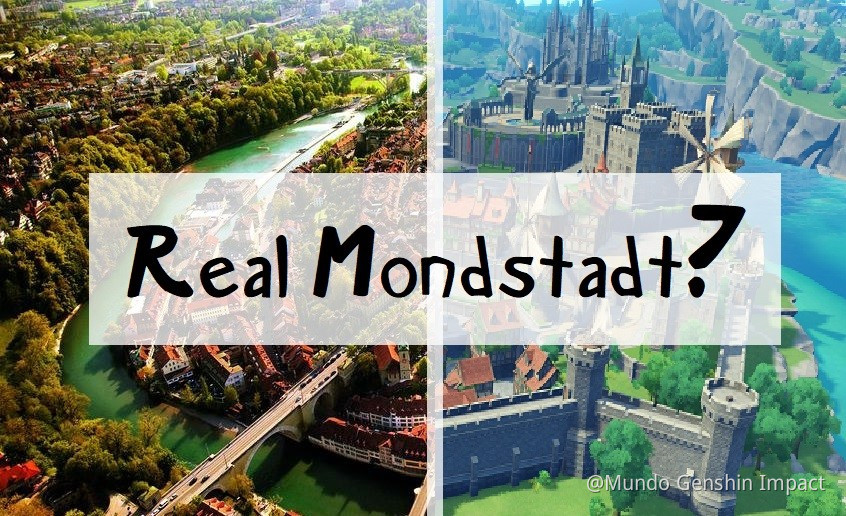
When users ask, “What is Mondstadt based on?” they are often seeking historical or geographical trivia. However, from a brand perspective, the answer lies in a sophisticated fusion of European heritage, deliberate aesthetic choices, and a strategic marketing roadmap designed to bridge the gap between Eastern production and Western appeal. This article explores the cultural architecture of Mondstadt through the lens of corporate identity and brand strategy.
The Cultural Blueprint: Using Real-World Heritage to Build Brand Trust
A brand is only as strong as its ability to resonate with its audience. When HoYoverse launched Genshin Impact, they needed a “starting zone” that felt both fantastical and intimately familiar to a global audience. Mondstadt was the solution—a digital city designed to evoke the collective memory of Central Europe.
Germanic Roots and the “City of Freedom” Narrative
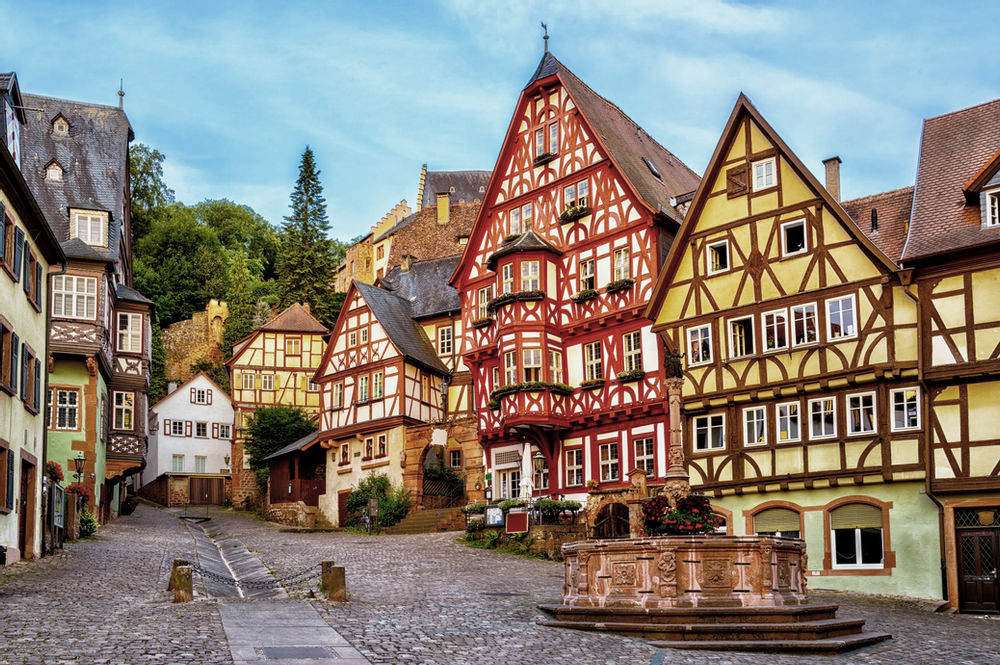
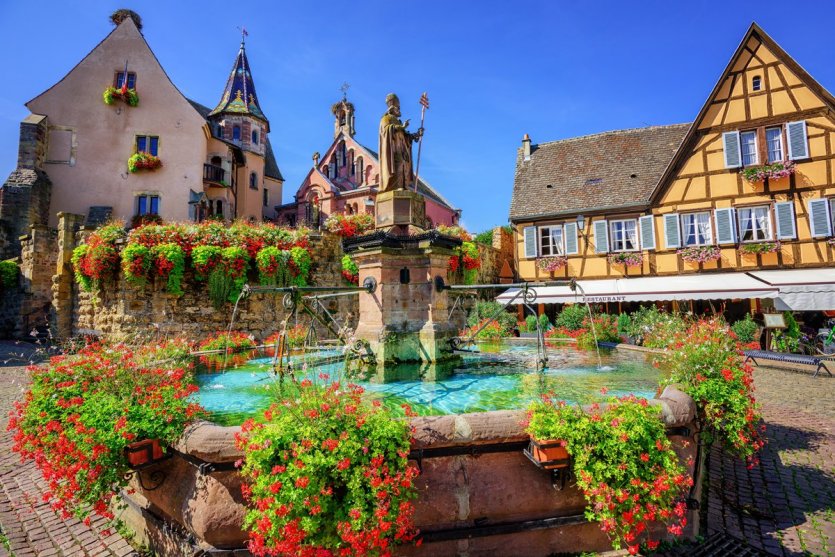
Mondstadt is primarily based on Germany, specifically the Holy Roman Empire era and the romanticized versions of medieval European towns. Its name, literally translating to “Moon City” in German, establishes an immediate linguistic anchor. By basing their first major region on Germanic and broader Central European cultures, HoYoverse utilized a “familiarity heuristic.” For Western players, the timber-framed houses, windmills, and cobblestone streets lower the barrier to entry, creating an immediate sense of psychological safety and brand comfort.
The core brand identity of Mondstadt is “Freedom.” In branding, a singular, powerful value proposition is essential. By tying the city’s lore to the concept of liberty—inspired by the real-world historical movements toward republicanism and the dismantling of aristocratic feudalism in Europe—HoYoverse created a brand persona for Mondstadt that is aspirational and universally relatable.
Architectural Symbolism in Digital Landscapes
The visual identity of Mondstadt draws heavily from specific landmarks. The city’s layout mirrors Rothenburg ob der Tauber in Germany, known for its well-preserved medieval old town. The massive cathedral that dominates the skyline is a nod to the Gothic architecture found in Cologne or Regensburg.
From a design strategy perspective, these choices are not merely aesthetic. They serve as “visual shorthand.” By recreating the silhouette of a European cathedral or the functional beauty of Dutch-style windmills, the brand communicates “tradition,” “stability,” and “wonder” without needing a single line of dialogue. This allows the intellectual property (IP) to communicate its values through environment design alone.
Strategic Localization: Translating Cultural Identity into Global Market Success
The decision to base Mondstadt on European culture was a strategic masterstroke in global marketing. It allowed a Chinese developer to establish a foothold in the North American and European markets by speaking their visual and narrative language.
Appealing to Western Markets through Familiarity
In international brand strategy, “cultural proximity” is a key factor in product adoption. Had Genshin Impact launched exclusively with a region based on ancient Chinese or Japanese history, it might have been perceived as a “niche” foreign product by casual Western gamers.
By starting with Mondstadt, HoYoverse positioned their brand as a “global-first” entity. Mondstadt acts as a bridge; it uses the tropes of Western high fantasy (knights, dragons, and wineries) to build a loyal customer base. Once that trust was established, the brand could then introduce Liyue (China) and Inazuma (Japan), effectively “exporting” Eastern culture to a now-captive and receptive global audience.
The Role of Music and Soundscapes in Brand Immersion
A brand is not just seen; it is heard. The auditory identity of Mondstadt is heavily influenced by the European Baroque and Classical periods. The use of lutes, flutes, and orchestral arrangements performed by world-class ensembles like the London Philharmonic Orchestra reinforces the brand’s commitment to “high-quality” and “premium” experiences.
The music of Mondstadt is designed to evoke nostalgia for a place the player may never have visited. This “manufactured nostalgia” is a powerful tool in emotional branding. It transforms a software product into a digital home, encouraging long-term user retention and increasing the lifetime value (LTV) of the customer.
Intellectual Property (IP) Development: Mondstadt as a Brand Asset
Beyond its physical inspiration, Mondstadt is a case study in how to develop a resilient brand ecosystem. In the world of IP management, characters and settings are assets that must be nurtured to maintain their market relevance.
Character-Driven Marketing and Emotional Anchors
Mondstadt is home to some of the most recognizable “brand ambassadors” in the gaming world, such as Jean, Diluc, and Venti. Each of these characters embodies a different facet of the Mondstadt brand identity. Diluc represents the industrious, high-end luxury aspect (the Dawn Winery), while Jean represents the order and civic duty of the Knights of Favonius.
From a marketing standpoint, these characters are not just game units; they are “sub-brands.” Their designs incorporate the same Germanic and European motifs that define the city, ensuring visual consistency. When a brand maintains this level of internal logic, it strengthens the consumer’s “suspension of disbelief,” leading to higher emotional investment and, subsequently, higher conversion rates on in-game monetization.
The Ecosystem of Transmedia Storytelling
HoYoverse leverages Mondstadt across various media platforms—manga, animated shorts, and promotional music videos. This transmedia approach is a core tenet of modern brand strategy. By expanding the lore of Mondstadt’s inspirations—such as the historical “Ludi Garpastum” festivals or the culinary traditions of the region—the company creates a deep well of content that keeps the brand relevant even when players are not actively engaged with the software.
This multi-channel presence ensures that the “Mondstadt” sub-brand remains a top-of-mind reference for fantasy world-building, effectively setting the industry standard for what a “starting region” should look like in a live-service ecosystem.
Lessons for Modern Brands: Creating Loyalty through Thematic Consistency
The success of Mondstadt offers several takeaways for corporate leaders and brand strategists. It demonstrates that the most successful brands are those that can take complex, real-world inspirations and distill them into a clear, consistent, and appealing narrative.
Why Consistency Outshines Innovation
While many tech and gaming companies focus on “disruptive” innovation, HoYoverse’s strategy with Mondstadt was rooted in “consistent excellence.” They did not reinvent the wheel of high fantasy; they perfected the brand presentation of it.
For a brand, consistency creates a “mental map” for the consumer. When a user enters Mondstadt, they know what the brand stands for: freedom, pastoral beauty, and heroic tradition. This predictability is what builds long-term brand equity. Innovation is important, but without a consistent thematic foundation, it often fails to resonate on an emotional level.
Scaling World-Building into a Corporate Empire
Mondstadt was just the beginning. The blueprint used to create it—identifying a real-world cultural base, distilling its core values, and translating them into a premium digital experience—has been replicated across the game’s subsequent regions.
This scalable model of world-building is what has allowed HoYoverse to transition from a small indie developer to a global powerhouse. By understanding that “what Mondstadt is based on” is not just a question of history, but a question of identity, they have created a brand that is globally recognized, culturally respected, and financially formidable.
In conclusion, Mondstadt is far more than a collection of digital assets inspired by Germany and the Alps. It is a sophisticated piece of brand architecture. It serves as the gateway to a massive ecosystem, designed with a deep understanding of cultural psychology, global marketing, and IP management. For any brand looking to create a lasting impact in the digital age, the “City of Freedom” provides a perfect roadmap for how to turn cultural inspiration into a global legacy.
aViewFromTheCave is a participant in the Amazon Services LLC Associates Program, an affiliate advertising program designed to provide a means for sites to earn advertising fees by advertising and linking to Amazon.com. Amazon, the Amazon logo, AmazonSupply, and the AmazonSupply logo are trademarks of Amazon.com, Inc. or its affiliates. As an Amazon Associate we earn affiliate commissions from qualifying purchases.