
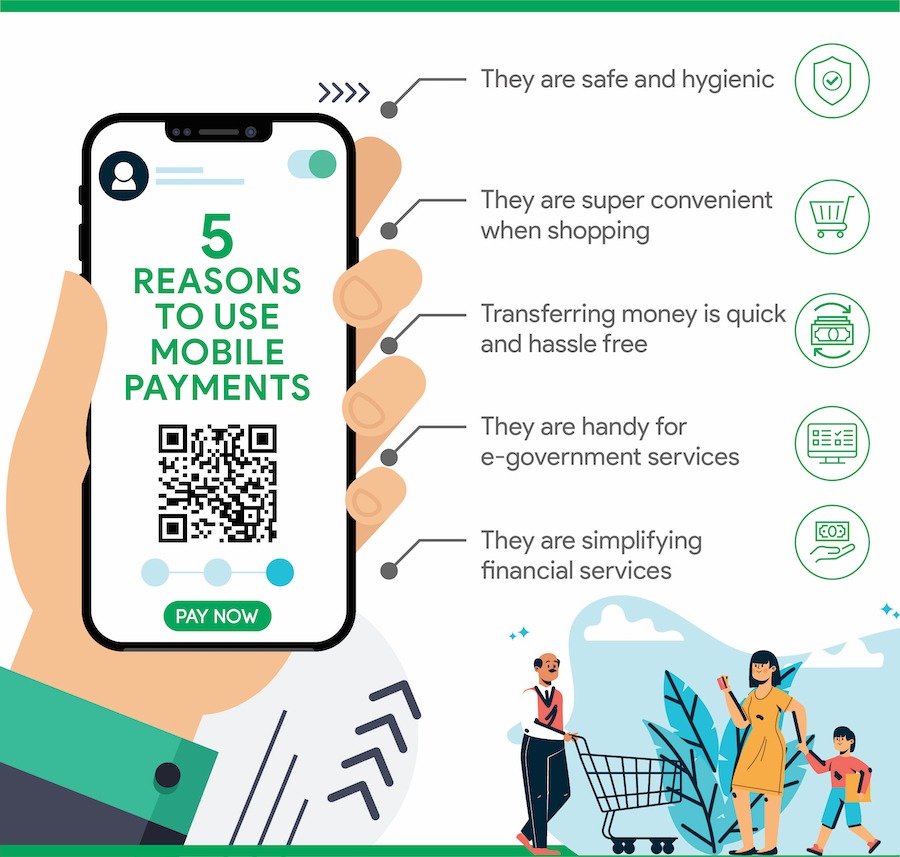
Mobile payment refers to a financial transaction carried out using a mobile device, such as a smartphone, tablet, or smartwatch, as the primary method of payment. It represents a significant technological leap in how consumers conduct transactions, moving beyond traditional methods like cash, checks, or physical credit and debit cards. At its core, mobile payment leverages a blend of hardware, software, and secure communication protocols to facilitate fast, convenient, and increasingly secure exchanges of value between buyers and sellers, or even between individuals. It’s an umbrella term encompassing various technologies and methods that allow users to pay for goods, services, or send money directly from their mobile devices, transforming retail, e-commerce, and personal finance by embedding transactional capabilities directly into the devices that are almost universally carried.
The widespread adoption of smartphones, coupled with advancements in digital security and network infrastructure, has propelled mobile payments from a nascent concept to a global phenomenon. It’s not merely about replacing a physical card with a digital one; it’s about creating an integrated, often seamless, payment experience that intertwines with daily digital life, from ordering groceries to paying for public transport or sending money to a friend. Understanding mobile payment requires delving into the intricate technological framework that underpins its functionality, ensuring both convenience and robust protection against fraud in an increasingly digital world.
The Technological Foundation of Mobile Payments
The journey of mobile payment is intrinsically linked to the evolution of mobile technology itself. What started as simple SMS-based transactions has blossomed into a sophisticated ecosystem driven by advanced hardware and software integrations.
Evolution from Traditional Payments
Before mobile payments, transactions were predominantly physical: cash changed hands, checks were written, and magnetic stripe cards were swiped. The advent of chip cards (EMV) introduced an additional layer of security, but the fundamental interaction remained a physical one. Mobile payments fundamentally disrupt this by digitizing the entire process. Early forms involved simple short code payments or premium SMS services, primarily for digital content. However, the true revolution began with the proliferation of internet-enabled smartphones and the development of specialized hardware and software components designed specifically for secure transactional data exchange. This shift represents a move from physical tokens of value to digital representations, requiring a robust technological backbone to ensure authenticity, integrity, and non-repudiation of transactions.
Core Technologies: NFC, QR Codes, and Beyond
At the heart of modern mobile payments are several key technologies that enable the secure transfer of payment information.
-
Near Field Communication (NFC): This short-range wireless technology allows two devices to communicate when they are brought close together, typically within a few centimeters. In mobile payments, an NFC-enabled smartphone (or wearable) can tap a compatible point-of-sale (POS) terminal to complete a transaction. The technology operates on the principle of magnetic field induction, creating a secure, low-power data link. NFC’s primary advantage is its speed and simplicity, making it ideal for quick, in-person payments.
-
QR Codes: Quick Response (QR) codes are two-dimensional barcodes that can be scanned by a smartphone camera. When used for payments, a user might scan a QR code displayed by a merchant to initiate a payment, or a merchant might scan a QR code displayed on the user’s phone. QR codes offer a low-cost entry point for merchants as they don’t require specialized POS hardware beyond a smartphone with a camera. This technology is particularly popular in developing markets and for peer-to-peer (P2P) transfers.
-
Magnetic Secure Transmission (MST): While less common in newer devices, Samsung Pay historically utilized MST, which mimics a credit card swipe. This technology generates a magnetic signal that simulates the magnetic stripe of a traditional payment card, allowing it to work with older, non-NFC compatible card readers. This provided Samsung Pay with broader merchant acceptance in its early stages.
-
Bluetooth Low Energy (BLE): Some payment systems use BLE for proximity-based transactions, especially in scenarios like “beacon” marketing or in-store check-ins that trigger payment options. While not as direct for payment initiation as NFC or QR, BLE can facilitate the handshaking process for transaction validation.
Role of Mobile Applications and Wallets
The user interface for mobile payments is predominantly through dedicated mobile applications, often referred to as “mobile wallets” or “digital wallets.” These applications serve as secure containers for various payment instruments, including credit cards, debit cards, loyalty cards, and even digital cash. Examples include Apple Pay, Google Pay, Samsung Pay, and numerous bank-specific or third-party payment apps like PayPal or Venmo.
These apps don’t store actual card numbers but rather encrypted tokens that represent the card information. When a user adds a card, the app communicates with the card issuer’s servers, which tokenize the card details. This token is then securely stored on the device’s secure element (a dedicated hardware component for sensitive data) or within a highly encrypted software enclave. The mobile wallet app manages the user experience, initiates the payment process, interfaces with the underlying NFC/QR code technology, and handles authentication (e.g., fingerprint, facial recognition, PIN). They also often integrate features like transaction history, budgeting tools, and loyalty program integration, enhancing the overall value proposition beyond mere payment processing.
How Mobile Payment Systems Work
Understanding the specific mechanics of different mobile payment technologies is crucial to appreciating their distinct advantages and operational flows.
Near Field Communication (NFC) Explained
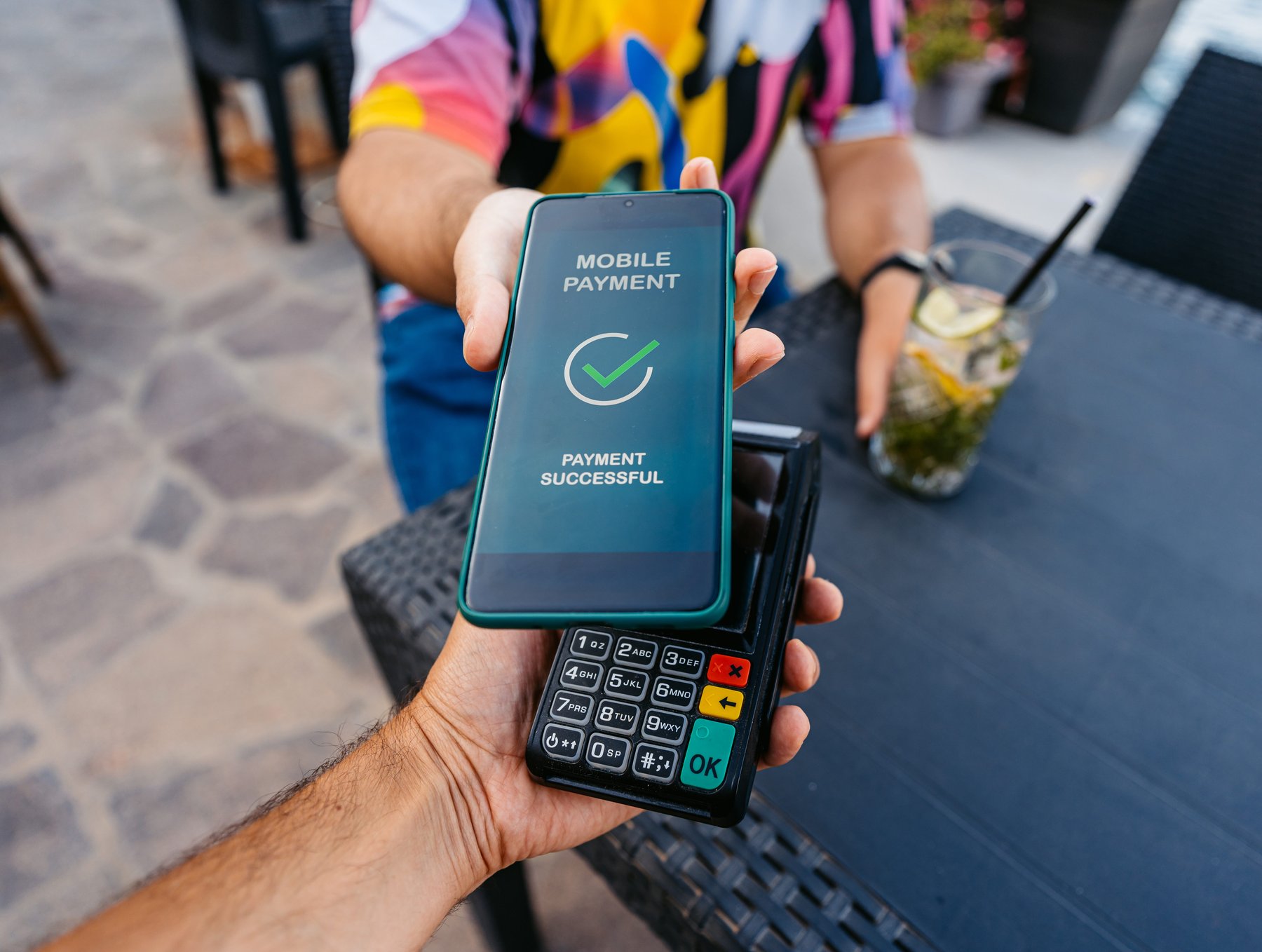
NFC payments are the epitome of “tap-and-go” convenience. When a user taps their NFC-enabled mobile device to a compatible POS terminal, a secure, bidirectional communication link is established.
-
Initiation: The user opens their mobile wallet app (or it activates automatically upon sensing an NFC terminal) and authenticates themselves, typically with biometrics (fingerprint, face ID) or a PIN.
-
Data Exchange: The mobile device then transmits an encrypted, tokenized version of the payment card information to the POS terminal. This token is a unique, single-use or limited-use string of numbers that represents the user’s card without revealing the actual card number.
-
Authorization: The POS terminal sends this tokenized data to the payment processor. The processor decrypts the token, routes the transaction to the appropriate card network (Visa, Mastercard, etc.), and then to the issuing bank for authorization.
-
Confirmation: Once authorized, the approval message travels back through the network to the POS terminal and finally to the user’s mobile device, confirming the transaction.
This entire process typically takes mere seconds, making NFC payments faster and often more secure than traditional card swipes, as the actual card details are never exposed.
QR Code-Based Payments
QR code payments offer flexibility and lower infrastructure costs, making them popular in various contexts. There are typically two main models:
-
Merchant-Presented QR Code: The merchant displays a QR code (either static or dynamically generated for each transaction) at the POS. The customer uses their mobile payment app to scan this QR code, which contains information about the merchant and often the transaction amount. The customer then confirms the payment within their app, and the payment is processed.
-
Customer-Presented QR Code: The customer’s mobile payment app generates a unique QR code on their screen. The merchant uses a scanner (which could be another smartphone with an app or a dedicated scanner) to read this code. This QR code contains tokenized payment information from the customer’s wallet, which is then sent for processing.
QR code payments are particularly versatile, working well in online environments (e.g., scanning a QR code on a website to pay) and in physical stores, especially those that might not have invested in NFC-enabled terminals. They rely on internet connectivity for the transaction processing, making them slightly different from NFC’s localized communication.
Cloud-Based and Peer-to-Peer (P2P) Mobile Payments
Beyond in-store scenarios, mobile payments extend to cloud-based and P2P systems.
-
Cloud-Based Payments: Many mobile payment systems rely on cloud infrastructure for storing payment credentials (in tokenized form), processing transactions, and managing user accounts. This allows for seamless integration across devices and platforms, as well as enabling features like remote payments (e.g., ordering coffee ahead of time via an app) or in-app purchases where no physical interaction is needed.
-
Peer-to-Peer (P2P) Mobile Payments: Apps like Venmo, Zelle, and PayPal allow users to send money directly to other individuals using their mobile devices. These systems often link to users’ bank accounts or debit cards. The process involves selecting a recipient, entering an amount, and confirming the transfer, with the funds moving digitally between accounts, usually facilitated by robust back-end banking infrastructure and proprietary network protocols designed for fast transfers.
Ensuring Digital Security in Mobile Transactions
The convenience of mobile payments would be meaningless without robust security measures. Given that financial data is exchanged digitally, protecting against fraud, hacking, and unauthorized access is paramount.
Encryption and Tokenization
The cornerstone of mobile payment security lies in encryption and tokenization.
-
Tokenization: When a credit or debit card is added to a mobile wallet, the card details are converted into a unique, single-use, or limited-use cryptographic token. This token is transmitted during a transaction, not the actual 16-digit card number. If a data breach occurs at the merchant’s end, only the meaningless token is compromised, not the sensitive card information, thus preventing widespread fraud.
-
Encryption: All data transmitted during a mobile payment transaction (from the device to the POS, and then to the payment processor and bank) is heavily encrypted. This scrambling of data ensures that even if intercepted, it would be unreadable and unusable by unauthorized parties. Standard encryption protocols like SSL/TLS are used for communication over networks, while advanced cryptographic algorithms protect data at rest on the device or in cloud servers.
Biometric Authentication and PINs
To ensure that only the legitimate owner can initiate a payment, strong authentication mechanisms are integrated into mobile payment systems.
-
Biometric Authentication: Fingerprint scanning (Touch ID), facial recognition (Face ID), and iris scanning are increasingly common. These methods offer a high level of security and convenience, as the user’s unique biological traits serve as their password. The biometric data is typically stored and processed securely on the device’s secure enclave, never leaving the device.
-
PINs and Passcodes: As a fallback or primary authentication method, users often set up a Personal Identification Number (PIN) or a passcode for their mobile wallet. This adds another layer of defense, ensuring that even if a device is lost or stolen, payments cannot be made without this knowledge.
Fraud Prevention and Regulatory Compliance
Beyond technical safeguards, mobile payment ecosystems are bolstered by continuous fraud monitoring and strict regulatory frameworks.
-
Real-time Fraud Detection: Payment networks and banks employ sophisticated AI-driven algorithms to monitor transactions for unusual patterns or anomalies in real-time. If a suspicious transaction is detected, it can be flagged, blocked, or prompt additional verification from the user.
-
Secure Element and Trusted Execution Environment (TEE): Many smartphones incorporate a “Secure Element” (SE) – a tamper-resistant hardware chip designed to securely store cryptographic keys and sensitive data (like payment tokens). Some devices also use a “Trusted Execution Environment” (TEE), which is an isolated, secure area within the main processor that runs security-sensitive applications, keeping them separate from the device’s main operating system.
-
Regulatory Compliance: Mobile payment providers must adhere to stringent industry standards like the Payment Card Industry Data Security Standard (PCI DSS) and various regional financial regulations (e.g., GDPR in Europe, state-specific privacy laws in the US). These regulations mandate specific security practices, data protection measures, and consumer rights, ensuring a baseline level of security and accountability across the ecosystem.
Types of Mobile Payment Solutions and Their Ecosystems
The mobile payment landscape is diverse, with various players and distinct types of solutions catering to different needs and user preferences.
OEM Pay Services (Apple Pay, Google Pay, Samsung Pay)
Original Equipment Manufacturer (OEM) pay services are dominant in the mobile payment space.
-
Apple Pay: Integrated into Apple devices (iPhone, Apple Watch, iPad, Mac), Apple Pay uses NFC for in-store payments and is deeply integrated into the Apple ecosystem for in-app and web purchases. It relies on tokenization and biometric authentication.
-
Google Pay: Available on Android devices, Google Pay also uses NFC for in-store payments and functions as a digital wallet for online purchases and P2P transfers. It supports a wider range of devices and often integrates with Google’s services.
-
Samsung Pay: Historically distinguished by its inclusion of MST technology in addition to NFC, Samsung Pay offered broader acceptance at older terminals. It is available on Samsung Galaxy devices and wearables, providing a comprehensive payment solution for its users.
These services are characterized by their seamless integration with device hardware and operating systems, offering a highly polished user experience and robust security features tied to the device’s secure elements.
Carrier Billing and SMS Payments
While less prominent for everyday retail transactions in developed markets, carrier billing and SMS payments continue to play a role, particularly for digital content and in regions with lower smartphone penetration or limited access to traditional banking.
-
Carrier Billing: This method allows users to charge purchases (e.g., app store content, digital subscriptions, or micro-transactions) directly to their mobile phone bill. It bypasses the need for credit cards or bank accounts, making it accessible to a broader demographic.
-
SMS Payments: Basic SMS messages can still be used to facilitate payments, typically by sending a code or command to a short number to authorize a charge. This is often used for donations, parking fees, or voting, especially where internet access might be unreliable.
In-App and Online Mobile Payments
Mobile payment extends far beyond physical stores, becoming integral to e-commerce and app-based services.
-
In-App Purchases: Within mobile applications, users can make purchases directly using stored payment credentials (e.g., buying game currency, subscriptions, or additional features). These are usually facilitated by platform-specific payment APIs (e.g., Apple’s In-App Purchase, Google Play Billing) or integrated third-party payment gateways.
-
Online Mobile Payments: When shopping on a mobile website, users can often pay using their mobile wallet (e.g., ‘Pay with Apple Pay’ or ‘Google Pay’ buttons) or by integrating with services like PayPal. This streamlines the checkout process, eliminating the need to manually enter card details on a small screen.
Contactless Payment Terminals (POS)
The infrastructure for accepting mobile payments at physical locations primarily relies on contactless POS terminals. These terminals are equipped with NFC readers, allowing them to communicate with mobile devices that are tapped near them. The widespread deployment of these terminals, driven by the EMV migration and consumer demand for convenience, has been crucial for the growth of in-store mobile payments. Merchants of all sizes, from large retailers to small businesses, are increasingly adopting these terminals to provide a seamless checkout experience.
The Future Landscape of Mobile Payments
The technological trajectory of mobile payments points towards even greater integration, intelligence, and decentralization, promising a future where transactions are not just effortless but also predictive and hyper-secure.
Integration with Wearables and IoT Devices
The evolution beyond smartphones is already underway. Smartwatches are a common example, allowing users to tap and pay from their wrist. The future holds promises for even broader integration into the Internet of Things (IoT). Imagine paying for groceries directly from your smart refrigerator that tracks your consumption, or a smart car automatically paying for fuel and tolls as it passes through specific zones. This ubiquitous computing will demand robust, lightweight, and highly secure payment modules embedded within everyday objects, transforming them into transactional touchpoints. The challenge will be maintaining security and privacy across a vast network of interconnected devices, requiring advanced device authentication and secure boot processes.
AI and Machine Learning for Enhanced User Experience and Security
Artificial Intelligence (AI) and Machine Learning (ML) are poised to revolutionize mobile payments in several ways:
-
Personalized Experiences: AI can analyze spending patterns, preferences, and location data to offer hyper-personalized discounts, loyalty rewards, or even predict upcoming expenses, prompting timely payments.
-
Enhanced Fraud Detection: ML algorithms can detect subtle anomalies in transaction data that human analysis might miss, significantly improving real-time fraud prevention and reducing false positives. They can learn from millions of transactions to identify new fraud vectors faster than ever before.
-
Voice-Activated Payments: With the rise of virtual assistants, voice commands will increasingly facilitate payments, requiring advanced natural language processing and robust speaker recognition for secure authentication.
-
Seamless Authentication: AI could enable continuous authentication, where the system passively verifies the user’s identity through behavioral biometrics (e.g., typing patterns, gait analysis) rather than requiring explicit actions, leading to an even more frictionless experience without compromising security.
Blockchain and Decentralized Payments
Blockchain technology, the distributed ledger system behind cryptocurrencies, offers a compelling vision for the future of mobile payments, particularly in terms of security, transparency, and reducing intermediary costs.
-
Cryptocurrency Integration: Mobile wallets are increasingly supporting cryptocurrencies, allowing users to store, send, and spend digital assets like Bitcoin or Ethereum. This opens up a decentralized payment rail, potentially bypassing traditional banking systems.
-
Decentralized Identity: Blockchain could enable self-sovereign digital identities, where users have complete control over their payment and personal data, only revealing necessary information for a transaction.
-
Smart Contracts for Payments: Automated payments triggered by specific conditions (e.g., payment released only upon delivery verification) could be facilitated by smart contracts on blockchain, adding trust and efficiency, especially in B2B and supply chain finance.
While challenges remain regarding scalability, volatility, and regulatory clarity, blockchain’s potential to create a more resilient, transparent, and user-centric payment system is undeniable.
The Seamless Convergence of Digital and Physical Retail
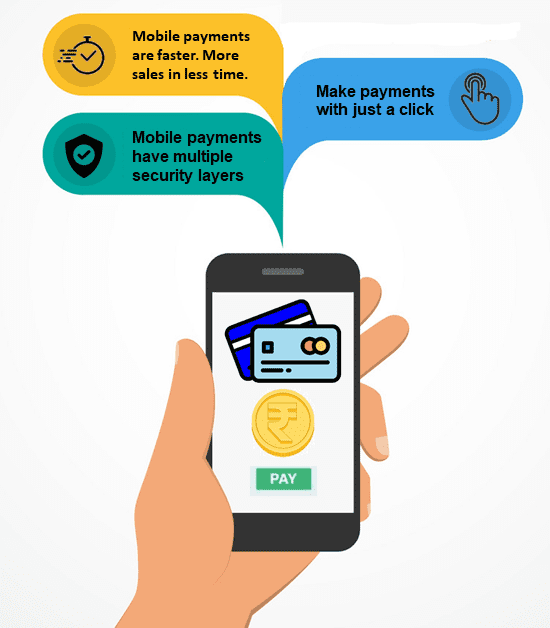
The ultimate future of mobile payments lies in a seamless, invisible integration into daily life, blurring the lines between online and offline commerce. Checkout processes could become nearly imperceptible. Technologies like computer vision, RFID, and advanced sensor fusion could enable “just walk out” shopping experiences, where purchases are automatically tallied and charged to a mobile wallet as customers leave a store, akin to Amazon Go. The mobile device will evolve from a mere payment tool into a central orchestrator of the entire retail experience, connecting loyalty programs, personalized offers, inventory tracking, and payment in one fluid interaction, creating an “ambient commerce” environment where transactions are part of an intelligent, connected user journey.
aViewFromTheCave is a participant in the Amazon Services LLC Associates Program, an affiliate advertising program designed to provide a means for sites to earn advertising fees by advertising and linking to Amazon.com. Amazon, the Amazon logo, AmazonSupply, and the AmazonSupply logo are trademarks of Amazon.com, Inc. or its affiliates. As an Amazon Associate we earn affiliate commissions from qualifying purchases.