
Mobile pay, often referred to as digital wallets or e-wallets, represents a transformative shift in how individuals and businesses conduct financial transactions. At its core, mobile pay leverages smartphone technology and other mobile devices to facilitate payments, moving away from traditional physical forms such money, credit, and debit cards. This innovative financial tool is not merely a convenience; it fundamentally reshapes personal finance management, business operations, and the broader economic landscape. It encapsulates a system where your payment information is securely stored digitally, accessible via your mobile device, enabling swift and secure transactions with a tap, scan, or click.

The rise of mobile pay is intrinsically linked to the increasing penetration of smartphones and the pervasive need for efficiency and security in our daily financial dealings. From ordering groceries online to splitting a restaurant bill with friends, or paying for a taxi, mobile payment solutions are embedding themselves into nearly every facet of modern commerce, offering a glimpse into a future where physical wallets might become relics of the past. This article delves into the financial underpinnings and implications of mobile pay, exploring its benefits, challenges, and the profound impact it has on personal and business finance.
Unpacking the Concept: The Fundamentals of Mobile Payment
To truly grasp the significance of mobile pay, one must understand its basic functionality and the financial infrastructure it relies upon. It’s far more intricate than simply swiping a card; it’s a sophisticated financial ecosystem designed for speed, security, and integration.
More Than Just a Tap: How Digital Wallets Function
At the heart of mobile pay lies the digital wallet, an application on your smartphone that securely stores your payment credentials—such as credit card numbers, debit card details, bank account information, and sometimes even loyalty program data. When you initiate a transaction using mobile pay, the digital wallet doesn’t typically transmit your actual card number or bank details directly to the merchant. Instead, it uses a process called tokenization.
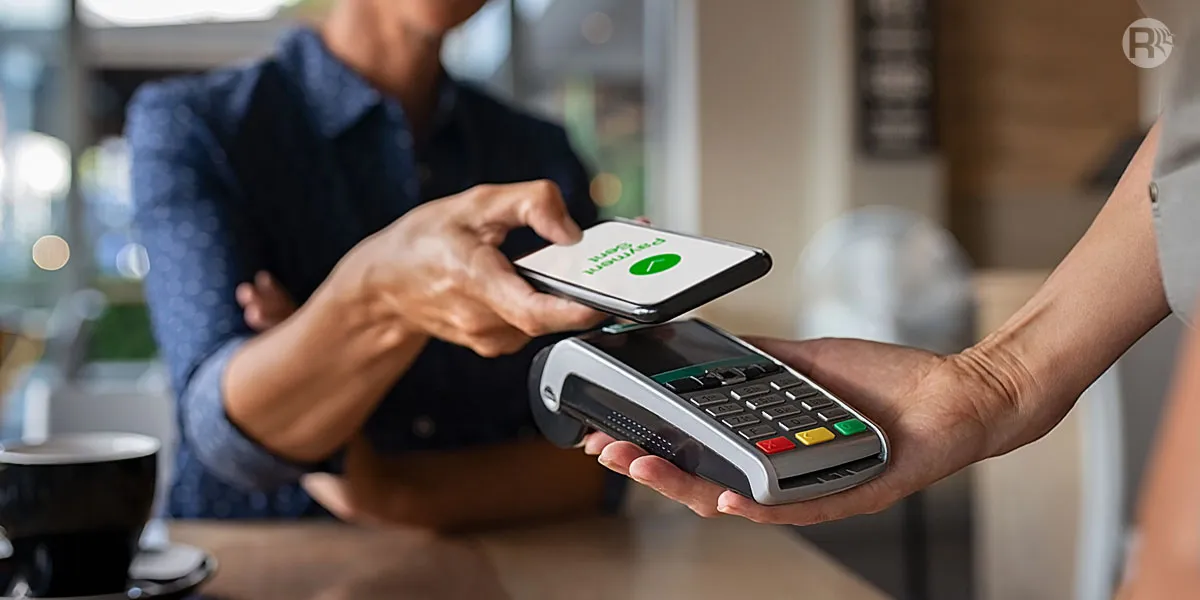
Tokenization replaces your sensitive financial information with a unique, encrypted “token” for each transaction. This token is useless if intercepted, as it cannot be reverse-engineered to reveal your original card number. This sophisticated security measure is a cornerstone of mobile pay’s financial integrity. When you tap your phone at a point-of-sale (POS) terminal, often utilizing Near Field Communication (NFC) technology, or scan a QR code, this token is sent to the payment processor. The processor then decrypts the token, validates the payment with your financial institution, and authorizes the transaction, all within seconds.
Beyond NFC, mobile pay encompasses various methods including QR code payments (popular in Asia), in-app purchases, and peer-to-peer (P2P) transfers. Each method is designed to provide a seamless financial experience, whether you’re paying a merchant or sending money to a friend. The common thread is the digital handling and secure transmission of funds, bypassing the physical exchange of cash or cards.
The Underlying Financial Infrastructure
The smooth operation of mobile pay relies heavily on a robust and interconnected financial infrastructure. This includes:
- Payment Networks: Global networks like Visa, MasterCard, American Express, and Discover are essential. They process the financial transactions, moving funds between banks and merchants. Mobile pay solutions integrate directly with these networks.
- Financial Institutions: Banks and credit unions are the ultimate holders of funds. Your digital wallet links to these accounts, and they are responsible for approving or declining transactions based on your available balance or credit limit.
- Payment Processors: Companies like Stripe, Square, and PayPal provide the backend technology that enables merchants to accept mobile payments. They handle the complex routing of transaction data between the merchant, the payment network, and the bank.
- Mobile Pay Providers: These are the companies offering the digital wallet platforms themselves, such as Apple Pay, Google Pay, Samsung Pay, PayPal, Venmo, Cash App, and various bank-specific apps. They develop the user-facing technology and ensure secure integration with financial institutions.
This intricate web ensures that when you make a mobile payment, the funds are accurately and securely transferred, reflecting a significant evolution in the traditional financial clearing and settlement processes.
The Financial Benefits for Individuals
For the individual consumer, mobile pay offers a compelling suite of financial advantages that extend beyond mere convenience, impacting security, budgeting, and accessibility.
Enhancing Transaction Security and Reducing Fraud Risk
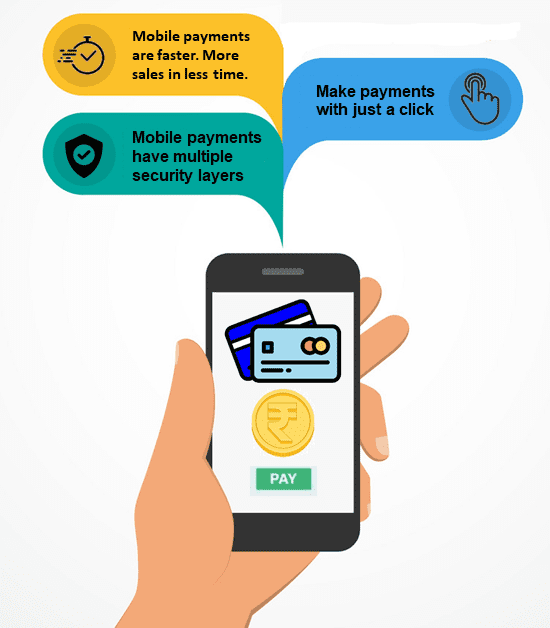
One of the most significant financial benefits of mobile pay is its superior security compared to traditional payment methods. As discussed, tokenization ensures that your actual financial details are never exposed to merchants. If a data breach occurs at a retail establishment, your tokenized information is worthless to criminals. Furthermore, mobile payment solutions often require biometric authentication (fingerprint or facial recognition) or a PIN for each transaction, adding another layer of security. If your physical wallet is lost or stolen, your cards could be used without your immediate knowledge. A lost phone with mobile pay, however, is far less susceptible to unauthorized use due to these robust authentication measures, offering peace of mind regarding your financial assets.
Streamlining Personal Finance Management and Budgeting
Mobile pay can be a powerful tool for personal finance management. Many digital wallet apps, or the banking apps integrated with them, provide real-time transaction alerts and detailed spending histories. This immediate feedback allows users to:
- Track Expenses Instantly: Every transaction is recorded, making it easier to see where your money is going.
- Adhere to Budgets: By categorizing expenses within the app or linking to budgeting software, users can gain clearer insights and stay within their financial limits.
- Reduce Impulse Spending: The tangible act of using a physical card can sometimes feel less impactful than seeing a digital deduction, but the immediate notification in a mobile pay app can reinforce financial discipline.
Moreover, the consolidation of various payment methods into one digital hub simplifies the often-tedious task of reconciling statements and tracking spending across multiple cards.
Convenience and Accessibility in Everyday Spending
While convenience might seem like a superficial benefit, its financial implications are profound. The ability to pay quickly and efficiently saves time, which has an inherent monetary value. For instance:
- Faster Checkout: Reduced wait times at POS terminals mean a more efficient use of time.
- Global Accessibility: Mobile pay allows for easier international transactions, often with currency conversion features, simplifying travel finances.
- Emergency Payments: If you forget your physical wallet, your phone can be a lifeline, ensuring you can still make essential purchases, preventing financial disruptions.
This enhanced accessibility contributes to a smoother daily financial flow, reducing stress and increasing the overall efficiency of personal spending.
Mobile Pay’s Impact on Business Finance and Operations
Mobile pay isn’t just a consumer-centric innovation; it also profoundly impacts how businesses manage their finances, interact with customers, and optimize their operations.
Improving Sales and Customer Experience
For businesses, adopting mobile pay solutions can directly translate to increased sales and a superior customer experience, which are critical financial metrics.
- Broader Customer Reach: By accepting diverse mobile payment options, businesses cater to a wider customer base, including tech-savvy individuals and tourists who prefer or rely on these methods. This can unlock new revenue streams.
- Faster Transaction Times: Quicker checkouts lead to shorter queues and higher throughput, especially during peak hours. This efficiency can handle more sales volume without additional staffing.
- Enhanced Customer Satisfaction: A seamless, secure, and convenient payment process contributes significantly to a positive customer experience, fostering loyalty and repeat business—a long-term financial gain.
- Reduced Cart Abandonment (Online): For e-commerce, mobile pay options like Apple Pay or Google Pay pre-fill payment details, drastically simplifying the checkout process and reducing the likelihood of customers abandoning their carts due to complex forms.
Operational Efficiencies and Cost Implications
Beyond sales, mobile pay offers substantial operational efficiencies and can influence a business’s cost structure.
- Reduced Cash Handling Costs: Less cash means fewer trips to the bank, reduced risk of theft, and lower costs associated with cash management (e.g., armored car services, counting errors).
- Streamlined Reconciliation: Digital transactions provide an immediate, auditable trail. This simplifies end-of-day reconciliation, reduces human error, and saves valuable accounting time, thereby lowering administrative costs.
- Potentially Lower Processing Fees: While specific fees vary, some mobile payment solutions, especially those bypassing traditional card networks for certain transactions (e.g., P2P with business accounts), can sometimes offer competitive processing rates, depending on the volume and type of business.
- Access to Micro-Payments: Mobile pay makes it financially viable to accept small-value transactions that might have been uneconomical with traditional card systems due to minimum transaction fees, opening up new business models (e.g., tipping, small digital goods).
Data-Driven Financial Insights for Growth
One of the most powerful, yet often underutilized, aspects of mobile pay for businesses is the wealth of financial data it generates. Unlike cash transactions, digital payments leave a detailed data trail.
- Understanding Spending Patterns: Businesses can gain insights into customer purchasing habits, peak transaction times, popular products, and average transaction values. This data is invaluable for inventory management, marketing strategy, and sales forecasting.
- Personalized Marketing: With customer consent, integrated loyalty programs within mobile wallets can enable personalized offers and promotions, driving repeat business and increasing customer lifetime value.
- Fraud Detection and Prevention: The detailed digital records and advanced security features help businesses identify and prevent fraudulent transactions more effectively, protecting their financial assets.
These insights empower businesses to make informed financial decisions, optimize resource allocation, and strategically plan for growth, transforming raw transaction data into actionable financial intelligence.
Navigating the Mobile Pay Ecosystem: Key Considerations
While mobile pay offers numerous benefits, navigating its diverse ecosystem requires careful consideration, both for individuals and businesses, to maximize financial advantages and mitigate potential risks.
Choosing the Right Platform: An Overview of Options
The choice of mobile payment platform depends on individual preferences, device compatibility, and specific financial needs.
- Device-Specific Wallets: Apple Pay, Google Pay, and Samsung Pay are popular choices, integrated seamlessly into their respective device ecosystems. They offer broad acceptance and strong security features.
- Third-Party Payment Apps: PayPal, Venmo, Cash App, and Zelle facilitate P2P transfers and increasingly offer merchant payment capabilities. These are often cross-platform and focus on ease of sending/receiving money.
- Bank-Specific Apps: Many financial institutions integrate mobile payment functionalities directly into their banking apps, offering convenience for managing accounts and payments from one place.
- Merchant-Specific Apps: Some large retailers (e.g., Starbucks, Walmart) have their own mobile payment apps, often integrating loyalty programs and specific discounts, tying financial incentives to their own platforms.
Understanding the features, security protocols, and acceptance rates of each platform is crucial for making an informed financial decision.
Understanding Fees and Financial Implications
While the act of paying with a phone might feel frictionless, various fees can be associated with mobile pay, impacting both consumers and businesses.
- Consumer Fees: Generally, consumers don’t pay direct fees for using mobile wallets for purchases. However, P2P transfers might incur fees, especially for instant transfers or transfers funded by a credit card. International transactions or currency conversions through certain apps can also carry charges.
- Business Fees: Merchants typically pay transaction processing fees, similar to traditional card payments, which can vary based on the payment network, processor, and transaction volume. While some solutions might offer lower rates, businesses must carefully compare these costs to ensure mobile pay adoption is financially advantageous. Setup costs for new POS terminals compatible with NFC can also be a factor.
Transparency regarding fees is vital for both parties to avoid unexpected financial deductions and to accurately budget for mobile payment services.
Best Practices for Financial Security
Despite the inherent security features of mobile pay, users and businesses must adopt best practices to safeguard their financial information.
- For Individuals:
- Enable Biometrics/PIN: Always use fingerprint, facial recognition, or a strong PIN to secure your mobile wallet.
- Strong Passwords: Use complex, unique passwords for all associated financial accounts.
- Beware of Phishing: Be vigilant against scams attempting to trick you into revealing login credentials.
- Keep Software Updated: Ensure your phone’s operating system and mobile payment apps are always up-to-date to benefit from the latest security patches.
- Monitor Transactions: Regularly check your bank and credit card statements for any unauthorized activity.
- For Businesses:
- Secure POS Systems: Ensure all payment terminals and networks are PCI DSS compliant and regularly updated.
- Employee Training: Train staff on secure transaction procedures and fraud detection.
- Data Encryption: Implement robust data encryption for all stored customer payment information.
- Regular Audits: Conduct periodic security audits of your payment infrastructure.
Adhering to these practices is essential to protect financial assets and maintain trust in the mobile payment ecosystem.
The Future of Money: Mobile Pay as a Catalyst for Financial Evolution
Mobile pay is not a stagnant technology; it is a dynamic force continually shaping the future of money, pushing society towards greater digitalization and integration with emerging financial technologies.
Towards a Cashless Economy
The widespread adoption of mobile pay is a significant driver towards a cashless society. With the convenience, security, and traceability offered by digital transactions, the perceived benefits of physical cash diminish. Many countries and regions are actively promoting digital payments to reduce the costs associated with printing and managing cash, combat illicit financial activities, and improve financial inclusion.
While a completely cashless society might still be some way off, mobile pay undeniably accelerates this trend. It simplifies micro-transactions, makes payments accessible to the unbanked or underbanked (with proper infrastructure), and provides governments and financial institutions with a clearer overview of economic activity, paving the way for more sophisticated fiscal policies and financial planning.
Integration with Broader Fintech Innovations
Mobile pay is a foundational element in the broader financial technology (Fintech) revolution. Its future lies in deeper integration with other innovative financial tools and services:
- Cryptocurrency Integration: Future mobile wallets may seamlessly integrate cryptocurrencies, allowing users to spend digital assets as easily as fiat currency, potentially offering new investment and transaction opportunities.
- Open Banking and API Economy: As open banking initiatives grow, mobile pay platforms could offer richer functionality by accessing more user financial data (with consent), enabling hyper-personalized financial advice, automated savings, and dynamic credit offerings.
- Internet of Things (IoT) Payments: Imagine your smart refrigerator automatically reordering groceries and paying for them via an integrated mobile pay system. The IoT promises a future where everyday devices can facilitate autonomous financial transactions.
- Biometric and Behavioral Authentication: Beyond fingerprints and facial recognition, future mobile pay systems might incorporate advanced biometric and behavioral authentication (e.g., typing patterns, gait analysis) for even more seamless and secure financial verification.
In conclusion, mobile pay is far more than a trendy way to pay; it’s a critical financial tool that has redefined transaction security, personal finance management, and business operations. Its continued evolution promises an even more interconnected, efficient, and secure financial future, firmly embedding itself as a cornerstone of the modern money landscape.
aViewFromTheCave is a participant in the Amazon Services LLC Associates Program, an affiliate advertising program designed to provide a means for sites to earn advertising fees by advertising and linking to Amazon.com. Amazon, the Amazon logo, AmazonSupply, and the AmazonSupply logo are trademarks of Amazon.com, Inc. or its affiliates. As an Amazon Associate we earn affiliate commissions from qualifying purchases.