
In the modern digital landscape, the concept of being “tethered” to a desk is rapidly becoming an artifact of the past. As our reliance on real-time data, cloud computing, and ubiquitous connectivity grows, the technology powering our transition to a mobile-first world has evolved. At the heart of this transition is mobile broadband—a technology that has redefined how we interact with the internet, moving it from a localized utility to an atmospheric constant.
Mobile broadband refers to high-speed wireless internet access delivered through mobile phone networks. Unlike traditional fixed-line broadband, which relies on physical cables like copper or fiber-optics to reach a specific location, mobile broadband utilizes radio waves to transmit data to portable devices. Whether through a smartphone, a dedicated hotspot, or a laptop with a built-in cellular modem, mobile broadband provides the infrastructure for a truly nomadic digital existence.
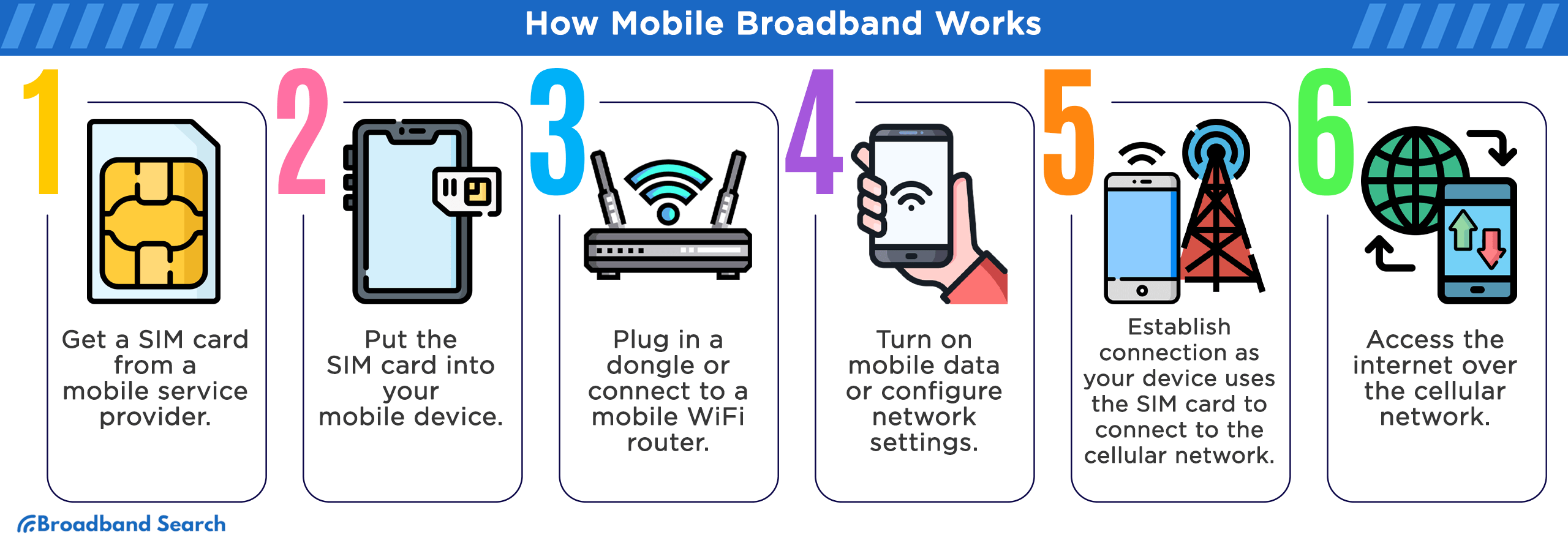
The Technical Foundation: How Mobile Broadband Functions
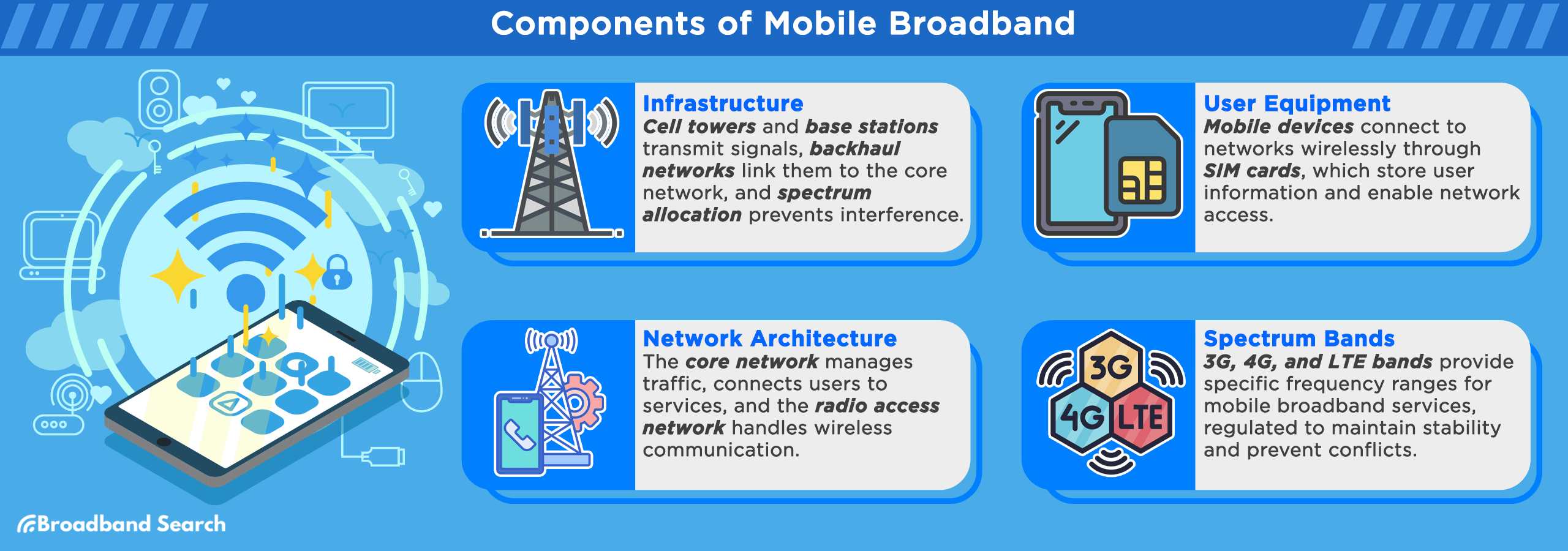
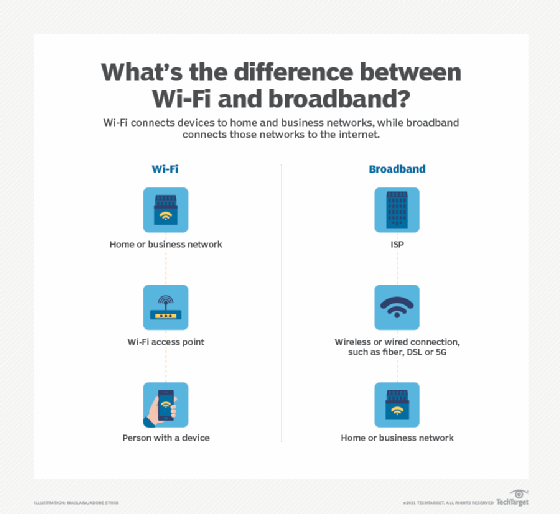
To understand mobile broadband, one must first understand the infrastructure that supports it. Unlike a Wi-Fi signal, which typically has a range of about 30 to 100 meters from a router, mobile broadband operates on a macro scale, utilizing vast networks of cellular towers maintained by telecommunications providers.
Cellular Networks and Frequency Spectrums
Mobile broadband operates by transmitting data over various radio frequencies. These frequencies are partitioned into “spectrums.” When you access the internet via mobile broadband, your device communicates with the nearest base station (cell tower). This tower is connected to a core network via a high-capacity backhaul, which then connects to the wider internet. The efficiency of this data transfer depends heavily on the “G” or generation of the technology being used.
The Evolution from 3G to 5G
The trajectory of mobile broadband is defined by its generational leaps.
- 3G (Third Generation): This was the first iteration that made mobile web browsing and basic video streaming viable, though speeds were modest.
- 4G LTE (Long Term Evolution): This marked a massive shift in tech, providing the bandwidth necessary for high-definition streaming, video conferencing, and the “app economy.”
- 5G (Fifth Generation): The current frontier, 5G utilizes higher frequency “millimeter waves” and advanced MIMO (Multiple Input, Multiple Output) technology to deliver speeds that often rival or exceed traditional fiber-optic connections. 5G isn’t just about speed; it is about “latency”—the delay before a transfer of data begins following an instruction. Low latency is critical for emerging tech like autonomous vehicles and remote surgery.
Hardware: Modems, SIMs, and eSIMs
The “bridge” between the user and the cellular network is the modem. In smartphones, this is integrated into the System-on-a-Chip (SoC). For laptops and tablets, mobile broadband can be accessed via a USB dongle, a “MiFi” (portable router), or an integrated cellular module. Identification and security are handled by the Subscriber Identity Module (SIM). In recent years, the industry has shifted toward eSIM (embedded SIM) technology, allowing users to switch carriers and activate broadband plans via software without needing a physical card.
Key Benefits of Mobile Broadband in a Post-PC Era
The primary driver of mobile broadband adoption is the shift toward a “post-PC” era where mobility is the default state of productivity. For tech-savvy professionals and enterprises, the advantages extend far beyond simple convenience.
Unparalleled Portability and Flexibility
The most obvious benefit is the ability to maintain a high-speed connection anywhere within a provider’s coverage area. This has birthed the “Digital Nomad” movement and enabled field-based industries—such as construction, logistics, and emergency services—to access cloud-based tools and real-time data without needing to return to a central office.
Enhanced Security Over Public Wi-Fi
From a digital security perspective, mobile broadband is significantly safer than public Wi-Fi. Public hotspots in cafes or airports are often unencrypted and prone to “man-in-the-middle” attacks, where hackers intercept data packets. Mobile broadband connections, however, utilize end-to-end encryption between the device and the cell tower. For professionals handling sensitive data or accessing corporate VPNs, a dedicated mobile broadband connection is the gold standard for secure remote access.
Redundancy and Business Continuity
For modern businesses, “uptime” is a critical metric. Mobile broadband serves as an essential failover solution. If a physical fiber line is cut or an ISP experiences a local outage, a mobile broadband router can automatically take over the network load, ensuring that cloud services and communication channels remain active. This “Fixed Wireless Access” (FWA) approach is increasingly used as a primary connection for branch offices and retail locations.
Comparing Mobile Broadband with Traditional Connectivity
While mobile broadband offers freedom, it is important to understand how it stacks up against traditional fixed-line solutions like Fiber-to-the-Premises (FTTP) or Cable.
Bandwidth vs. Latency
Traditional fiber-optic broadband typically offers more consistent speeds and lower latency compared to mobile networks. Fiber is a dedicated physical link, whereas mobile broadband is a shared medium; if thousands of people in a stadium try to use the same cell tower, speeds will drop. However, with the advent of 5G, the gap in latency is closing. 5G can achieve latencies under 10 milliseconds, making it viable for high-stakes tech applications that previously required a wired connection.
Fixed Wireless Access (FWA)
A rising trend in the tech world is Fixed Wireless Access. This is a hybrid concept where a provider uses mobile broadband technology (usually 5G) to provide internet to a stationary location (like a home or office) via a high-powered outdoor antenna and an indoor router. For many, this is the first real alternative to a cable monopoly, offering high-speed tech without the need for a technician to drill holes in walls.
Data Management and Throttling
One technical hurdle of mobile broadband is data management. Unlike fixed broadband, which is often unlimited, many mobile plans include data caps. Once a certain threshold is reached, providers may implement “throttling,” where speeds are intentionally slowed to manage network congestion. Users must look for “unlimited” plans that offer high “Fair Usage Policy” (FUP) limits to ensure consistent performance for data-heavy tasks like software development or 4K video editing.
The Future: AI, IoT, and the Role of Mobile Broadband
As we look toward the future of technology, mobile broadband will act as the nervous system for a hyper-connected world. It is no longer just about connecting people; it is about connecting things.
Powering the Internet of Things (IoT)
The Internet of Things relies on billions of sensors and devices communicating in real-time. Mobile broadband, particularly specialized versions like NB-IoT (Narrowband IoT), allows these devices to stay connected with minimal power consumption. From smart city grids to industrial sensors in remote oil fields, mobile broadband provides the long-range connectivity that Wi-Fi simply cannot sustain.
Network Slicing and Edge Computing
The next phase of mobile broadband tech involves “network slicing.” This allows operators to “slice” a single physical 5G network into multiple virtual networks. One slice could be optimized for low-latency (for autonomous drones), while another is optimized for high bandwidth (for 8K video streaming). Combined with “Edge Computing”—where data is processed at the cell tower rather than a distant data center—mobile broadband is enabling the next generation of AI-driven applications.
Choosing the Right Mobile Broadband Solution
Navigating the landscape of mobile broadband requires an assessment of hardware, coverage, and specific technical needs.
Assessing Coverage and Carrier Reliability
Not all networks are created equal. Before committing to a mobile broadband solution, users should consult coverage maps and look for “dead zones.” In the tech sector, multi-carrier modems are often used, which can hold two different SIM cards (e.g., AT&T and Verizon) and switch between them based on which signal is strongest in a given location.
Hardware Considerations for Professionals
For a casual user, a smartphone hotspot might suffice. However, for a professional setup, dedicated hardware is necessary.
- USB Dongles: Ideal for individual laptop users who need a plug-and-play solution.
- Mobile Wi-Fi (MiFi): A battery-powered router that creates a personal Wi-Fi cloud for multiple devices.
- Industrial Routers: High-end devices with external antenna ports, designed for constant use in vehicles or remote offices.
Conclusion: The Ubiquity of Connection
Mobile broadband has evolved from a niche luxury into a fundamental pillar of the global technology infrastructure. By decoupling internet access from physical locations, it has enabled a new era of software development, remote work, and industrial automation. As 5G matures and 6G enters the research phase, the distinction between “mobile” and “fixed” internet will continue to blur, leading to a future where high-speed, secure, and reliable connectivity is as accessible as the air we breathe. For anyone looking to stay competitive in the digital age, understanding and leveraging mobile broadband is no longer optional—it is a technical necessity.
aViewFromTheCave is a participant in the Amazon Services LLC Associates Program, an affiliate advertising program designed to provide a means for sites to earn advertising fees by advertising and linking to Amazon.com. Amazon, the Amazon logo, AmazonSupply, and the AmazonSupply logo are trademarks of Amazon.com, Inc. or its affiliates. As an Amazon Associate we earn affiliate commissions from qualifying purchases.