
In the vast and intricate world of real estate, the term “MLS homes” frequently surfaces, yet its underlying technological infrastructure and profound impact are often underestimated. At its core, the Multiple Listing Service (MLS) is far more than just a list of properties; it is a sophisticated, localized, and collaborative database system, powered by advanced technology, designed to facilitate the accurate and timely sharing of real estate information among licensed professionals. For anyone looking to buy or sell a home, understanding the technological engine that drives the MLS is crucial to navigating the modern real estate landscape.
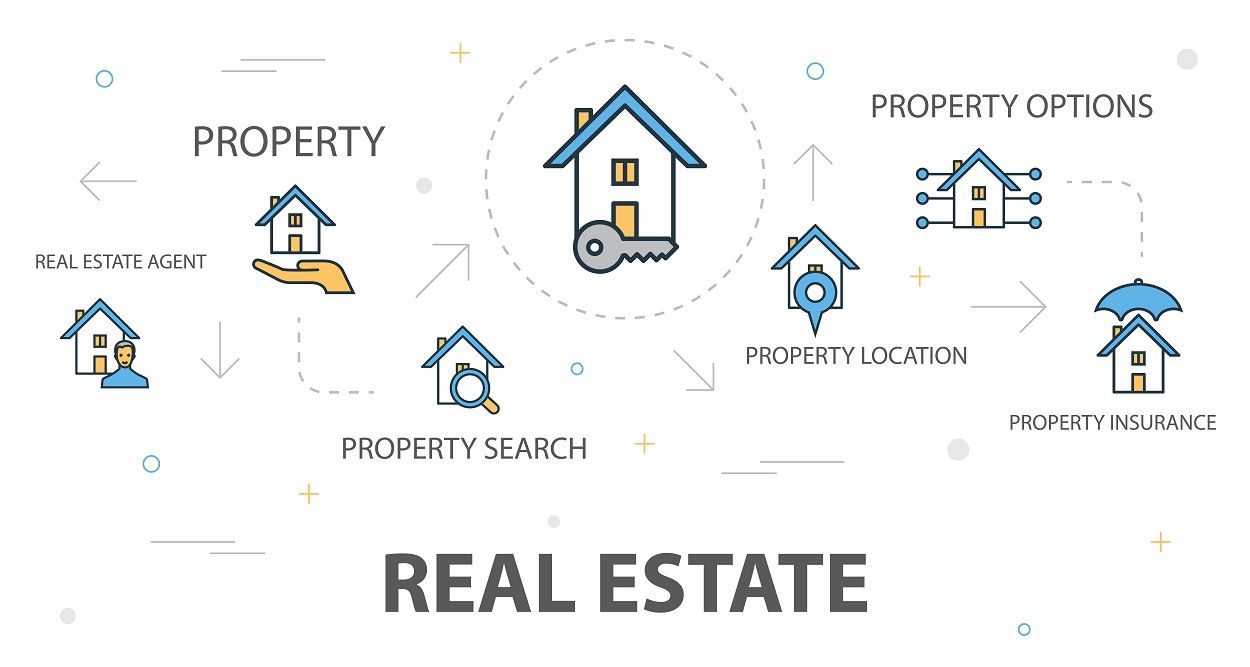
The MLS represents a critical technological backbone for the real estate industry, enabling seamless data exchange, enhancing market transparency, and ultimately streamlining transactions. From its inception as a collection of physical binders to its current iteration as a complex digital network, the MLS has continuously evolved, embracing new technologies to serve agents, brokers, and, by extension, the public. This article delves into the technological essence of the MLS, exploring its foundational systems, how it powers digital real estate searches, its ongoing evolution, and the critical role of data security.
The Core Technology of the Multiple Listing Service (MLS)
At the heart of every “MLS home” listing lies a powerful technological framework that makes its discovery and transaction possible. The MLS is not a single, monolithic entity but rather a collection of interconnected, regional databases, each governed by a local real estate association or board. Despite their regional autonomy, these systems operate on shared technological principles, ensuring a consistent and reliable flow of information.
Beyond a Simple Database: A Networked System
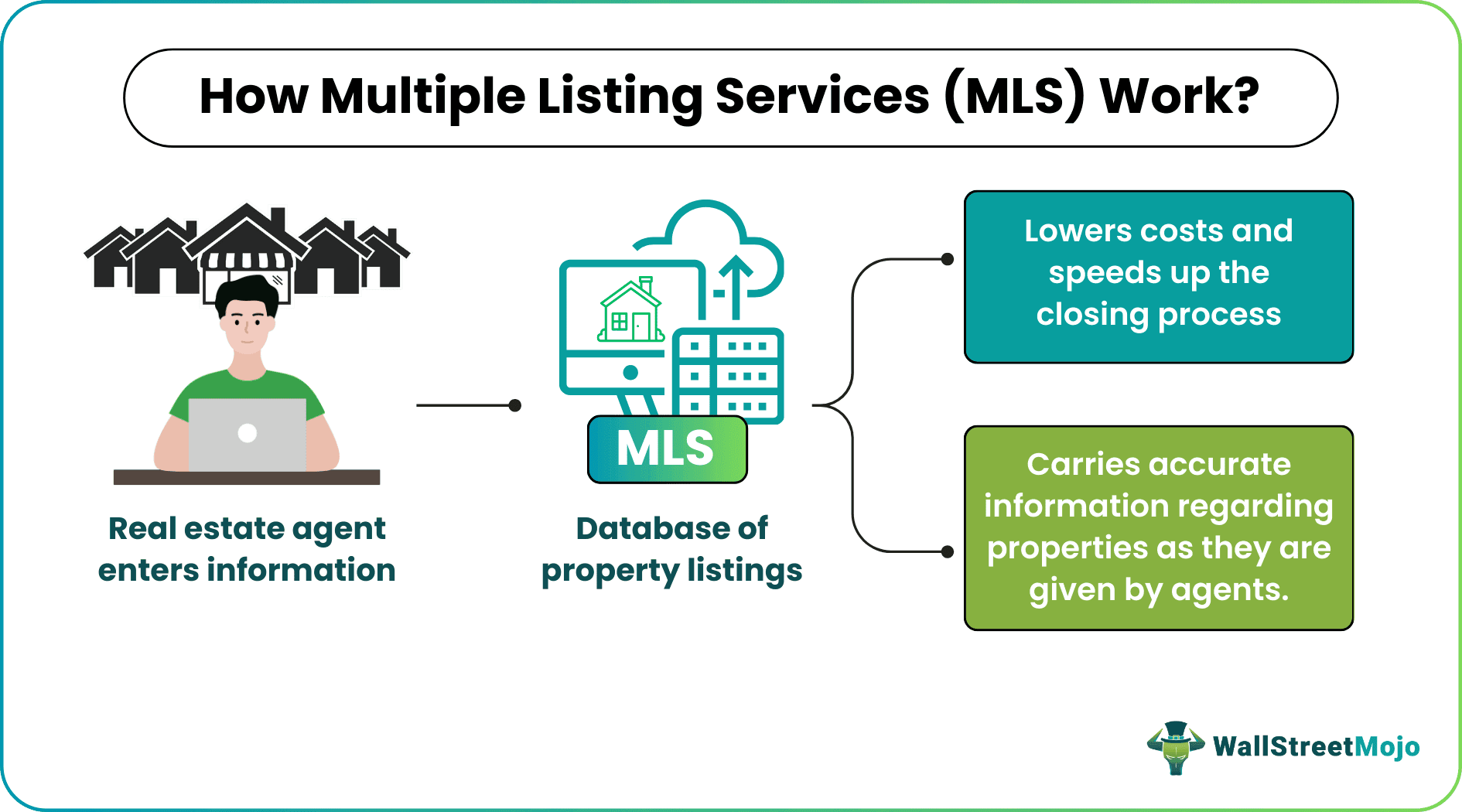
To conceptualize the MLS, it’s helpful to move beyond the idea of a mere spreadsheet. It is a highly specialized, dynamic, and networked database system. Each regional MLS employs sophisticated database management systems (DBMS) – often relational databases – to store vast amounts of structured data about properties. This data includes everything from property addresses, square footage, and number of bedrooms to detailed features, listing prices, status updates, and high-resolution images.
What makes it a “networked system” is its ability to allow multiple users (real estate agents and brokers) to simultaneously access, input, and update information in real-time. This requires robust server infrastructure, high-speed internet connectivity, and advanced synchronization protocols to maintain data consistency across thousands of active users and hundreds of thousands of listings. The architecture is designed for high availability and redundancy, minimizing downtime and ensuring continuous access to critical market information.
Data Standards and Interoperability
One of the unsung heroes of MLS technology is the commitment to data standards. For the MLS to function effectively across different regions and integrate with various third-party applications, a common language for data is essential. This is largely facilitated by organizations like the Real Estate Standards Organization (RESO), which develops and maintains data standards (e.g., RESO Data Dictionary) for the real estate industry.
These standards ensure that a “bedroom” or a “bathroom” is defined consistently across different MLS systems. This interoperability is paramount for technologies like Internet Data Exchange (IDX) feeds, which allow MLS data to be displayed on brokerage and agent websites, or for Virtual Office Website (VOW) data, used for client-facing search portals. Without these standardized data schemas and Application Programming Interfaces (APIs), the seamless flow of listing information that consumers now take for granted would be impossible. The data architecture supports complex queries and ensures that information pulled from different sources can be meaningfully aggregated and compared.
The Role of MLS Software Platforms
Operating these complex databases requires specialized software. Various vendors develop and provide MLS software platforms (e.g., CoreLogic Matrix, Black Knight Paragon, FBS Flexmls) that serve as the user interface and backend management system for real estate professionals. These platforms are designed with specific functionalities for agents, including:
- Listing Input and Management: Intuitive interfaces for entering new properties, uploading media, and updating listing statuses (active, pending, sold).
- Search and Filter Tools: Powerful search engines with granular filtering options, allowing agents to find properties matching precise client criteria.
- Market Analysis Tools: Features to generate comparative market analyses (CMAs) using historical sales data, helping agents determine appropriate pricing strategies.
- Communication Features: Built-in messaging, notification systems, and showing scheduling tools.
These software platforms are continually updated, incorporating user feedback, regulatory changes, and new technological advancements to enhance efficiency and user experience. They are often cloud-based, offering agents accessibility from any device with an internet connection.
How MLS Powers Digital Real Estate Search
The digital revolution transformed how consumers interact with real estate, and the MLS has been central to this paradigm shift. What began as an internal tool for agents is now the primary data source for virtually every public-facing real estate website.
From Agent-Exclusive to Consumer Accessibility
Historically, MLS data was largely proprietary and accessible only to licensed agents. The advent of the internet, however, necessitated a change. The development of IDX (Internet Data Exchange) rules allowed MLSs to permit brokers and agents to display aggregated MLS data on their own public-facing websites. This was a monumental shift, effectively democratizing access to listing information and empowering consumers with unprecedented search capabilities.
Today, when you search for homes on a brokerage’s website or an agent’s personal site, you are almost always interacting with data directly sourced, via IDX feeds, from a local MLS. This real-time data flow ensures that consumers see the most accurate and up-to-date information directly from the source.
APIs and Data Syndication for Public Portals
Beyond IDX, MLS systems utilize advanced APIs (Application Programming Interfaces) to syndicate data to a wider array of real estate portals, including major national aggregators. These APIs act as digital connectors, allowing external applications to request and receive specific data from the MLS database in a structured format. This controlled yet broad distribution ensures that listings reach a vast audience across numerous platforms.
Data syndication is a carefully managed process. While it broadens exposure for listings, MLSs maintain strict rules regarding data usage, display, and freshness to protect data integrity and ensure proper attribution. This technological infrastructure supports a dynamic ecosystem where listing information can be simultaneously available on dozens or hundreds of different websites, all stemming from the original entry in a local MLS.
Advanced Search and Filtering Capabilities
The underlying technology of the MLS allows for incredibly sophisticated search and filtering capabilities that go far beyond basic geographic searches. Public-facing sites powered by MLS data often expose many of these advanced features to consumers:
- Geospatial Search: Interactive maps allow users to define search areas by drawing polygons, identifying properties within specific school districts, or near particular points of interest.
- Property Attributes: Detailed filters for everything from architectural style, number of garage spaces, pool presence, specific appliance types, and energy efficiency ratings.
- Status and Price History: Access to historical data on price changes, previous sale dates, and listing status changes, offering valuable market insights.
- Multimedia Integration: High-resolution photos, virtual tours (3D walkthroughs), video tours, and floor plans are directly linked to listings, providing rich visual information.
These capabilities are a direct result of the structured and standardized data within the MLS database and the robust search algorithms developed to query it efficiently.
Technological Evolution and Future Trends in MLS
The MLS is not a static system; it is constantly evolving, driven by technological advancements and changing market demands. The future of MLS homes will be shaped by ongoing innovation in data science, artificial intelligence, and new digital interaction paradigms.
Integration with AI and Machine Learning
Artificial intelligence (AI) and machine learning (ML) are poised to revolutionize how MLS data is analyzed and utilized. AI algorithms can process vast datasets from the MLS to identify trends, predict market shifts, and even forecast property values with greater accuracy.
- Predictive Analytics: ML models can analyze historical sales data, economic indicators, and neighborhood demographics to predict which properties are likely to sell quickly, for what price, or which areas are poised for growth.
- Personalized Recommendations: AI can power more intelligent search tools that learn a user’s preferences based on their browsing history and search criteria, offering highly personalized property recommendations.
- Automated Valuation Models (AVMs): While not replacing professional appraisals, AI-driven AVMs can provide instant, data-backed property valuations, speeding up preliminary assessments.
These AI tools enhance the analytical capabilities available to agents, allowing them to provide more data-driven advice and service to their clients.
Leveraging Big Data for Market Insights
The collective data residing within MLS systems represents an enormous “big data” asset. Aggregating and analyzing this data on a larger scale—beyond individual MLS boundaries—can yield unprecedented market insights. This includes understanding migration patterns, identifying emerging neighborhood trends, and assessing the impact of various economic factors on real estate.
Cloud computing infrastructure is critical for storing and processing these massive datasets, enabling advanced analytical techniques that were previously unfeasible. This allows for benchmarking performance, understanding competitive landscapes, and identifying opportunities for innovation within the real estate sector.
Blockchain for Listing Verification and Security (Future Concept)
While still nascent, blockchain technology holds promise for enhancing the security and transparency of real estate listings. A decentralized, immutable ledger could be used to:
- Verify Listing Data: Ensure that property data entered into the MLS is accurate and tamper-proof, reducing the potential for fraud or data manipulation.
- Streamline Transactions: Potentially integrate with smart contracts to automate parts of the transaction process, making transfers of ownership more efficient and transparent.
- Secure Data Sharing: Provide an additional layer of security for sharing sensitive property information among authorized parties.
While full-scale integration is some years away, pilot programs and discussions around blockchain’s application in real estate underscore the industry’s commitment to leveraging cutting-edge technology.
Enhanced Mobile Accessibility and App Development
With the majority of internet users accessing content via mobile devices, MLS technology is continually optimizing for mobile accessibility. This involves:
- Responsive Design: MLS platforms and agent/broker websites are designed to adapt seamlessly to various screen sizes.
- Dedicated Mobile Apps: Many MLS organizations and third-party vendors offer specialized mobile apps for agents, providing on-the-go access to listings, client management tools, and showing scheduling.
- Location-Based Services: Integrating GPS and mapping technologies within apps allows users to discover nearby listings and conduct on-the-fly market research.
This focus on mobile ensures that agents and consumers can access critical real estate information anytime, anywhere.
Data Security and Integrity in MLS Systems
Given the vast amount of sensitive personal and property information handled by MLS systems, data security and integrity are paramount. MLS organizations invest heavily in robust cybersecurity measures to protect this valuable data.
Protecting Sensitive Information
MLS databases contain a blend of publicly available property data and more sensitive information, such as contact details for listing agents, showing instructions, and sometimes even confidential property history. Protecting this data from unauthorized access, breaches, and cyberattacks is a top priority.
Security protocols include:
- Encryption: All data, both in transit and at rest, is encrypted using industry-standard protocols to prevent interception and unauthorized viewing.
- Multi-Factor Authentication (MFA): Requiring multiple forms of verification to log in, significantly reducing the risk of unauthorized account access.
- Role-Based Access Control (RBAC): Limiting access to specific data and functionalities based on a user’s role (e.g., agent, broker, administrator) to ensure that only authorized personnel can view or modify sensitive information.
- Regular Security Audits: Continuous monitoring and periodic third-party audits to identify and mitigate vulnerabilities.
Ensuring Data Accuracy and Timeliness
Beyond security, maintaining the integrity and accuracy of the data is crucial. Inaccurate or outdated information can lead to significant problems for both agents and consumers. MLS rules often include strict guidelines for data input and timely updates, with penalties for non-compliance.
Technologically, this is supported by:
- Validation Rules: Automated checks during data entry to ensure information meets predefined criteria and formats.
- Audit Trails: Logging every change made to a listing, including who made it and when, providing accountability and a history of modifications.
- Automated Updates: Systems designed to automatically update listing statuses (e.g., pending after an offer is accepted) to reflect real-time market conditions.
Combating Data Misuse and Unauthorized Access
MLS organizations actively combat data misuse, which includes practices like “data scraping” by unauthorized entities or the improper redistribution of data outside of approved channels. This involves:
- Digital Rights Management: Technical measures to control how data is used and distributed.
- Legal Agreements: Strict terms of service and data licensing agreements that prohibit unauthorized use.
- Threat Intelligence: Monitoring for suspicious activity and staying abreast of new cyber threats to proactively protect the system.
The ongoing commitment to security and data integrity ensures that the MLS remains a trusted and reliable source of real estate information.
The Technological Ecosystem Around MLS
The MLS doesn’t operate in a vacuum; it’s a foundational piece within a broader technological ecosystem that supports the entire real estate transaction lifecycle.
CRM Integration and Agent Productivity Tools
Modern real estate agents rely heavily on Customer Relationship Management (CRM) systems to manage client interactions, track leads, and streamline their workflow. MLS platforms often integrate seamlessly with CRMs, allowing agents to:
- Import Listings: Directly pull relevant MLS listings into client profiles within their CRM.
- Automate Communications: Set up automated emails to clients with new listings matching their criteria, sourced directly from the MLS.
- Track Client Activity: Monitor which listings clients view or favorite, providing valuable insights for follow-up.
This integration reduces manual data entry and ensures that agents have a holistic view of their client relationships alongside property data. Beyond CRM, MLS data powers various other agent productivity tools, from marketing automation platforms to lead generation software.
Virtual Tours, VR/AR, and Digital Showings
The pandemic accelerated the adoption of immersive digital experiences in real estate, and MLS systems have adapted to integrate these technologies. Listings often include links to:
- 3D Virtual Tours: Interactive walkthroughs created using specialized cameras and software (e.g., Matterport), allowing prospective buyers to navigate a property virtually.
- Video Walkthroughs: Professionally produced videos offering a guided tour of a property.
- Floor Plans: Digital layouts that help buyers understand the spatial relationship of rooms.
While the MLS itself typically hosts links to these external assets rather than the large media files directly, its data structure accommodates these integrations, making them an integral part of the digital listing experience. Furthermore, discussions are ongoing about how augmented reality (AR) and virtual reality (VR) could further enhance the showing experience, potentially allowing buyers to “walk through” properties from anywhere.

E-signature and Digital Transaction Management
The final stages of a real estate transaction are also highly digitized, thanks to technologies that integrate with, or are informed by, MLS data. Electronic signature platforms (e.g., DocuSign, Adobe Sign) allow contracts and disclosures to be signed digitally and securely, speeding up the negotiation process.
Digital transaction management platforms (e.g., dotloop, SkySlope) provide a centralized hub for managing all documents, tasks, and communications related to a transaction. While these systems operate outside the core MLS, they leverage the accuracy of MLS data (e.g., property details, agent information) to pre-populate forms and ensure that all necessary information is correctly recorded and shared among all parties involved. This comprehensive technological ecosystem ensures that buying or selling an “MLS home” is as efficient and transparent as possible.
In conclusion, “what is MLS homes” is a question that, when fully explored, reveals a complex and powerful technological infrastructure. The Multiple Listing Service is a dynamic digital system that underpins the vast majority of real estate transactions in North America. Its evolution from simple databases to networked systems with sophisticated software, commitment to data standards, and ongoing integration with AI, big data, and advanced digital tools demonstrates a relentless pursuit of efficiency, transparency, and accuracy. For consumers, the MLS means unparalleled access to a wealth of property information, while for real estate professionals, it remains an indispensable technological platform, continually adapting to the demands of a fast-paced digital world. Understanding the technology behind the MLS is key to appreciating its pivotal role in the modern real estate journey.
aViewFromTheCave is a participant in the Amazon Services LLC Associates Program, an affiliate advertising program designed to provide a means for sites to earn advertising fees by advertising and linking to Amazon.com. Amazon, the Amazon logo, AmazonSupply, and the AmazonSupply logo are trademarks of Amazon.com, Inc. or its affiliates. As an Amazon Associate we earn affiliate commissions from qualifying purchases.