
The term “mixed economy” often conjures images of complex economic theories and government policies. But at its core, a mixed economy is simply an economic system that blends elements of both market-driven capitalism and government intervention. It’s a pragmatic approach designed to harness the dynamism of free markets while mitigating their potential downsides and ensuring a baseline of societal well-being.
In today’s rapidly evolving world, understanding what constitutes a mixed economy is more relevant than ever. The very fabric of how we live, work, and thrive is increasingly intertwined with technology, the power of brands, and the intricate dance of personal and business finance. These three pillars – Tech, Brand, and Money – aren’t just separate spheres; they are fundamental components that are constantly being “mixed” and interwoven within the framework of a mixed economy, shaping its effectiveness and its future.
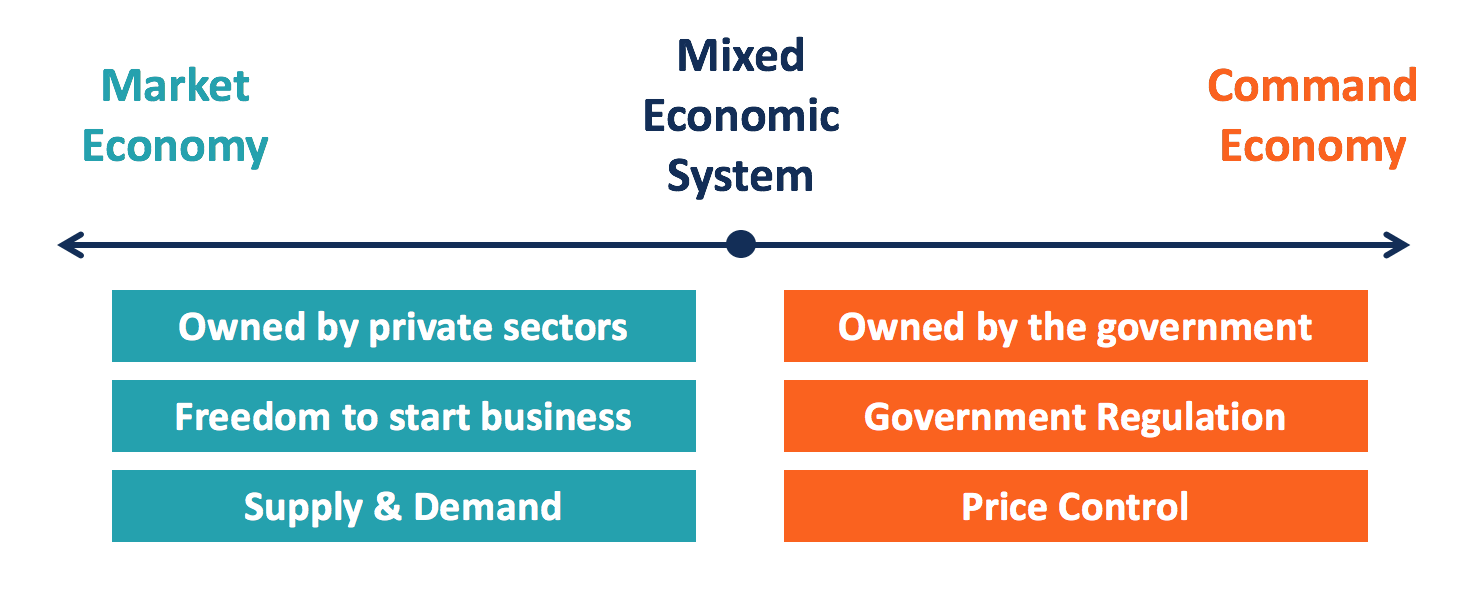
This article will delve into the essence of a mixed economy, exploring how it balances private enterprise with public interest. More importantly, we will examine how the pervasive influence of Technology, the strategic imperative of Brand building, and the vital flow of Money are not just products of a mixed economy, but active ingredients that define its character and drive its evolution.
The Pillars of a Mixed Economy: Where Private Meets Public
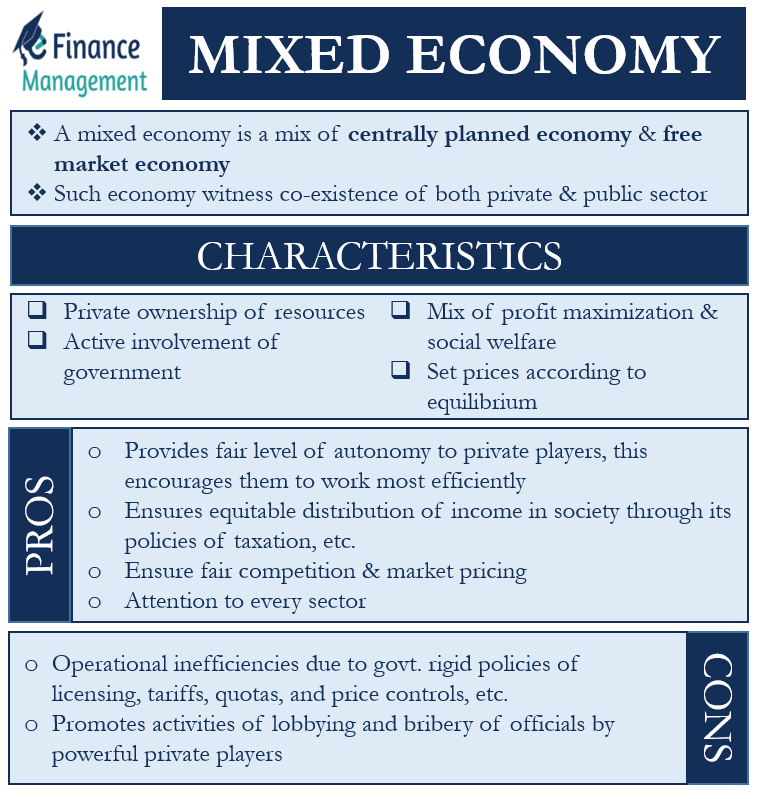
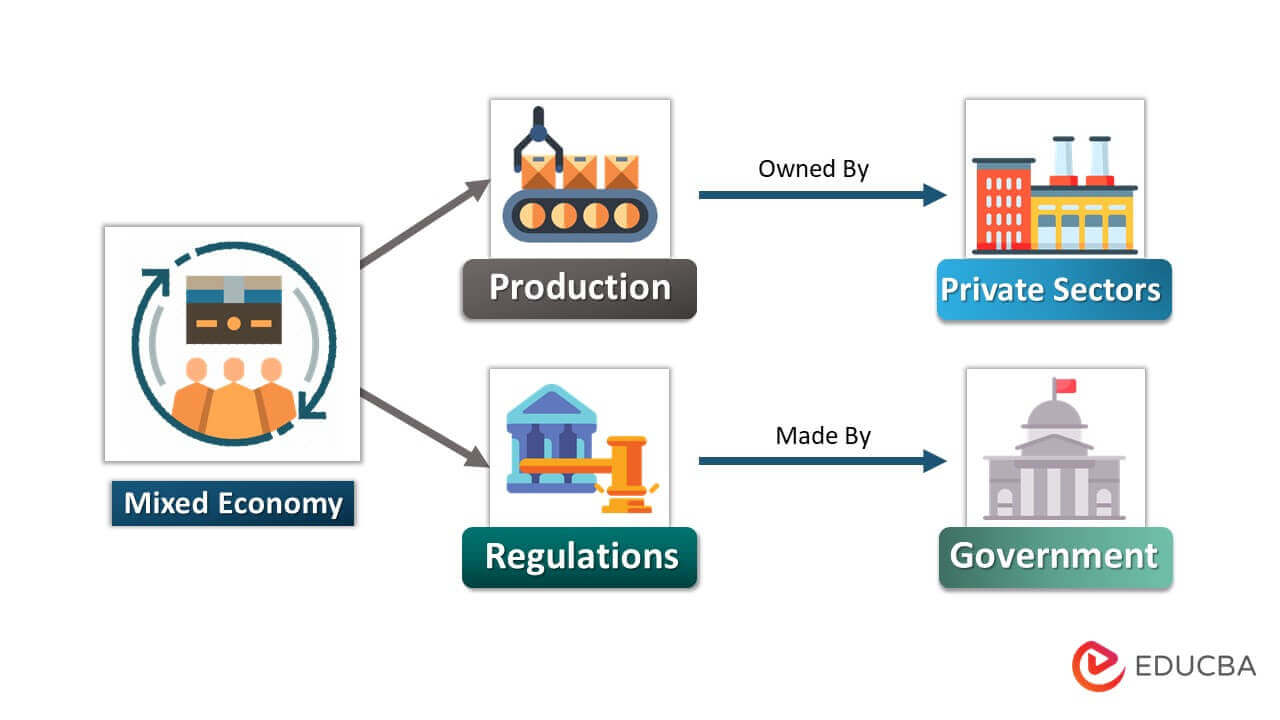
At its heart, a mixed economy seeks a sweet spot between two contrasting economic philosophies: pure capitalism, where markets operate with minimal government interference, and pure socialism, where the state plays a dominant role in economic decision-making. In a mixed economy, both private individuals and businesses, driven by profit motives, and the government, acting in the public interest, coexist and interact.
The Role of the Market: Innovation and Efficiency
The “market” aspect of a mixed economy is where private ownership of the means of production and the pursuit of profit take center stage. This is the engine of innovation and efficiency. Businesses compete, driven by consumer demand, leading to the development of new products and services, improved quality, and often lower prices.
- Consumer Sovereignty: In a market economy, consumers wield significant power. Their purchasing decisions signal to businesses what is in demand, guiding production and resource allocation. This consumer-driven approach fuels the competitive landscape and encourages businesses to be responsive and adaptable.
- Entrepreneurship and Risk-Taking: The promise of financial reward incentivizes entrepreneurs to take risks, invest capital, and start new ventures. This entrepreneurial spirit is crucial for economic growth, job creation, and the introduction of groundbreaking technologies and business models.
- Technological Advancement: The competitive pressure to offer better, faster, and cheaper solutions naturally drives technological innovation. Businesses invest heavily in research and development, seeking to gain a competitive edge through advancements in software, AI, gadgets, and digital security. This constant push for technological improvement is a hallmark of market-driven economies and is heavily influenced by the availability of funding and investment opportunities.
The Role of the Government: Regulation and Public Goods
The “government” aspect of a mixed economy introduces a layer of regulation and provision of public goods, aiming to address market failures and ensure a more equitable and stable society.
- Regulation for Fairness and Safety: Governments establish rules and regulations to prevent monopolies, protect consumers from exploitation, ensure fair labor practices, and safeguard the environment. This oversight is crucial for maintaining a level playing field and preventing the unchecked pursuit of profit from harming individuals or society. For example, regulations surrounding data privacy and digital security directly impact how tech companies operate and how consumers interact with technology.
- Provision of Public Goods and Services: Certain essential services, such as education, healthcare, infrastructure (roads, bridges, power grids), and national defense, are often provided by the government. These are typically areas where private enterprise might not find it profitable enough to invest adequately, or where universal access is deemed a societal necessity.
- Economic Stabilization: Governments use fiscal and monetary policies to manage inflation, unemployment, and economic growth. This includes adjusting tax rates, controlling interest rates, and investing in public projects to stimulate or cool down the economy as needed.
- Social Safety Nets: Mixed economies often include social safety nets, such as unemployment benefits, social security, and welfare programs, to provide a basic standard of living for those who are unable to work or are facing economic hardship. This element is crucial for social cohesion and prevents extreme poverty.
The art of a successful mixed economy lies in finding the optimal balance between these two forces. Too much government intervention can stifle innovation and lead to inefficiency, while too little can result in inequality, environmental degradation, and economic instability.
The Intertwined Influence of Tech, Brand, and Money
Within the framework of a mixed economy, the interconnectedness of Technology, Brand, and Money is undeniable and constantly shaping economic outcomes. These are not merely subjects of study; they are active forces that are being “mixed” and leveraged to drive growth, build influence, and manage resources.
The Tech Revolution: Fueling Innovation and Efficiency
Technology is perhaps the most dynamic force in modern economies, and its integration into mixed economies is profound. From the smallest app to the most sophisticated AI tools, technology is reshaping how businesses operate, how consumers engage, and how wealth is generated and distributed.
- Software and AI Tools: The proliferation of advanced software and AI tools empowers businesses of all sizes to enhance productivity, automate tasks, analyze vast amounts of data, and make more informed decisions. This directly impacts operational efficiency, cost reduction, and the ability to innovate at a faster pace. For instance, AI-powered customer service chatbots can improve brand interaction, while sophisticated financial modeling software can optimize investment strategies.
- Gadgets and Digital Security: The constant evolution of gadgets, from smartphones to wearable devices, has created new markets and transformed consumer behavior. Simultaneously, the increasing reliance on digital infrastructure has made digital security paramount. Businesses must invest in robust security measures to protect their data and their customers’ information, a crucial concern that governments often regulate.
- Apps and Online Platforms: The app economy and the rise of online platforms have democratized access to goods, services, and information. These platforms can facilitate side hustles, connect freelancers with clients, and provide new avenues for online income, all while operating within the regulatory and financial structures of a mixed economy.
The Power of Brand: Shaping Perception and Driving Value
Brand is more than just a logo; it’s the sum total of a company’s reputation, its values, and the emotional connection it fosters with its audience. In a mixed economy, strong brands are critical for distinguishing oneself in a competitive market and building long-term value.
- Brand Strategy and Personal Branding: Businesses invest heavily in brand strategy to create a clear identity and communicate their unique selling propositions. This extends to personal branding, where individuals leverage their reputation and expertise to build influence, attract opportunities, and generate income. The principles of brand building are essential for navigating the marketplace, whether one is a startup or an established corporation.
- Marketing and Design: Effective marketing campaigns and compelling design are the tools that translate brand identity into tangible consumer engagement. These efforts are crucial for reaching target audiences, building awareness, and ultimately driving sales and revenue.
- Corporate Identity and Reputation: A strong corporate identity fosters trust and loyalty, which are invaluable assets in any economic system. A positive reputation, built through consistent quality, ethical practices, and good customer service, can significantly enhance a company’s market standing and its ability to attract investment. Case studies of successful brands often highlight how they have masterfully integrated technology and financial acumen to solidify their market position.
The Flow of Money: The Lifeblood of Economic Activity
Money, in its various forms, is the fundamental medium of exchange and the engine of economic activity. In a mixed economy, the management and flow of money are critical for both individual prosperity and national economic health.
- Personal Finance and Investing: For individuals, understanding personal finance – budgeting, saving, and investing – is essential for achieving financial goals and building wealth. The availability of diverse investment options, from stocks and bonds to cryptocurrencies, allows individuals to participate actively in the economy and grow their assets.
- Online Income and Side Hustles: The digital economy has opened up numerous avenues for online income and side hustles. From freelancing on digital platforms to e-commerce and content creation, individuals can leverage their skills and time to generate additional revenue, contributing to their personal financial well-being and the broader economy.
- Business Finance and Financial Tools: For businesses, sound financial management is paramount. This includes securing funding, managing cash flow, and making strategic financial decisions. The development of sophisticated financial tools and platforms has made it easier for businesses to track their performance, access capital, and optimize their financial operations.
- Monetary Policy and Economic Stability: At a macro level, government monetary policy plays a crucial role in managing the overall flow of money in the economy. Central banks adjust interest rates and control the money supply to influence inflation, stimulate borrowing and investment, and maintain economic stability – all critical functions within a mixed economy.
Conclusion: A Dynamic Interplay for Progress
The concept of a mixed economy is far from static. It’s a dynamic system constantly adapting to new challenges and opportunities, and the interplay of Tech, Brand, and Money is at the forefront of this evolution.
Technology provides the tools for innovation and efficiency, allowing businesses to operate more effectively and individuals to access new markets and income streams. Brand building provides the crucial differentiation and trust needed to succeed in a crowded marketplace, connecting businesses with consumers on a deeper level. And Money, as the ultimate enabler, fuels all these activities, from research and development to marketing campaigns and personal investments.
In essence, what is “mixed” in a mixed economy is not just the theoretical blend of market forces and government intervention. It’s the practical and continuous mixing and leveraging of technological advancements, strategic brand development, and astute financial management to foster growth, ensure stability, and improve the overall well-being of its citizens. Understanding these core components and their interconnectedness is key to navigating and thriving in today’s complex economic landscape.
aViewFromTheCave is a participant in the Amazon Services LLC Associates Program, an affiliate advertising program designed to provide a means for sites to earn advertising fees by advertising and linking to Amazon.com. Amazon, the Amazon logo, AmazonSupply, and the AmazonSupply logo are trademarks of Amazon.com, Inc. or its affiliates. As an Amazon Associate we earn affiliate commissions from qualifying purchases.