
The Legacy and Luster in Luxury Branding
Mink fur, throughout centuries, has embodied an unparalleled symbol of luxury, prestige, and sophistication within the global branding landscape. Its deep-rooted association with wealth and status has positioned it as a quintessential material for high-end fashion and accessory brands, defining a significant segment of their luxury identity. Understanding what mink fur is, therefore, is not merely about its biological origins but about its intrinsic value as a branding asset.
Origins and Enduring Appeal
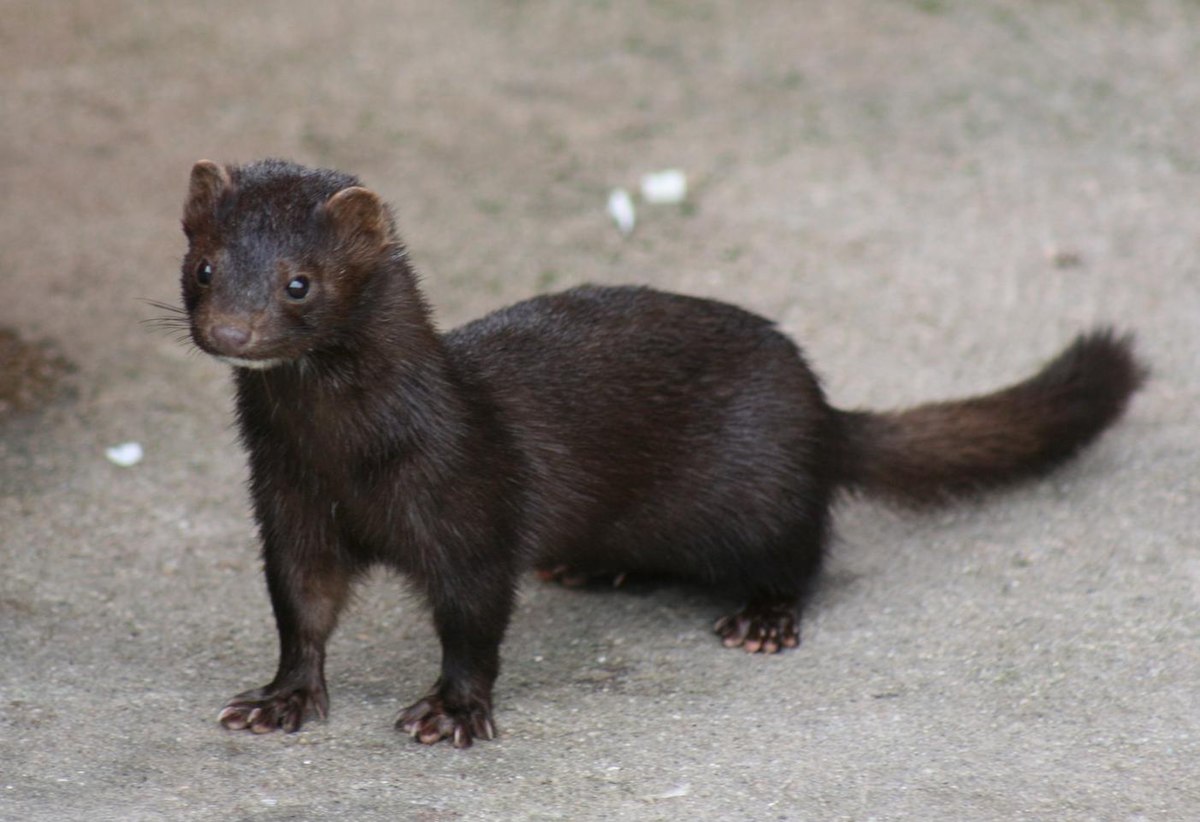
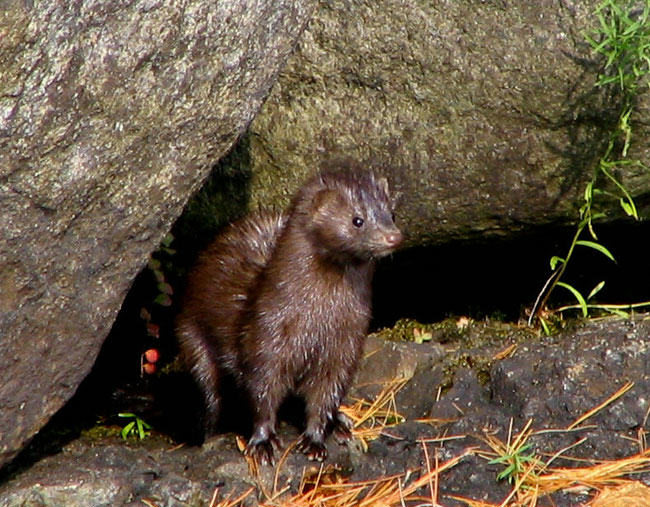
Originating primarily from the North American and Eurasian mink species, this small, semi-aquatic mammal produces a fur coat renowned for its exceptional qualities. Historically, mink fur ascended to prominence as a highly sought-after commodity due to its natural attributes and the labor-intensive processes involved in its acquisition and preparation. Early civilizations and aristocratic societies valued animal furs not only for warmth but as overt displays of power and social standing. The mink, with its delicate yet durable pelt, quickly distinguished itself, becoming a favorite among royalty and the elite. This historical endorsement laid a robust foundation for its enduring appeal, imbuing it with an inherent brand narrative of exclusivity and regality that persists to this day. Brands leveraging mink fur often tap into this rich heritage, connecting their products to a lineage of timeless elegance and distinction.
Defining Qualities for Brand Differentiation
The allure of mink fur, from a branding perspective, lies deeply in its singular physical characteristics, which are difficult to replicate. These attributes directly translate into a premium product experience that high-end brands capitalize on for differentiation:
- Exceptional Softness and Suppleness: Mink fur is famously soft to the touch, offering a luxurious tactile experience. This suppleness allows designers to create garments that drape beautifully, enhancing the perceived quality and comfort of the brand’s offerings.
- Lightweight Nature: Despite its warmth, mink fur is remarkably lightweight, making it comfortable to wear and broadening its appeal beyond purely cold-weather outerwear. This characteristic enables brands to integrate it into more versatile fashion pieces.
- Natural Sheen and Luster: The guard hairs of mink fur possess a natural, rich sheen that catches light, giving the material a vibrant and opulent appearance. This inherent luster contributes significantly to the visual appeal and luxurious aesthetic that brands aim to convey.
- Durability and Longevity: When properly cared for, mink fur is incredibly durable, retaining its beauty for decades. This longevity offers consumers a significant return on investment, aligning with luxury brand promises of lasting quality and timeless design.
- Variety of Natural Colors: Mink fur naturally comes in a spectrum of browns, blacks, and greys, with farmed mink offering an even wider palette through selective breeding. This natural diversity provides brands with design flexibility, enabling them to create varied collections without artificial dyes, further emphasizing natural luxury.
These distinct qualities collectively contribute to mink fur’s status as a top-tier luxury material, providing brands with a powerful tool for crafting products that signify ultimate indulgence and an unwavering commitment to quality.
Strategic Integration in High-End Brand Portfolios
The strategic deployment of mink fur is a cornerstone of brand identity for numerous luxury fashion houses, contributing significantly to their market positioning, aesthetic signature, and perceived value. Its presence in a collection often communicates a brand’s commitment to ultimate luxury and meticulous craftsmanship.
Signature Collections and Haute Couture
For decades, mink fur has been an indispensable element in haute couture and ready-to-wear luxury collections. Fashion houses like Fendi, which built much of its early reputation on fur, have historically utilized mink to create show-stopping pieces that define runway aesthetics and set trends. Its versatility allows for its incorporation into full-length coats, sophisticated jackets, elegant stoles, intricate trims on collars and cuffs, and even as accents on handbags and shoes.
By featuring mink fur, brands can elevate an entire collection, positioning it at the apex of the luxury market. The sheer visual impact and tactile allure of mink garments create a sense of aspiration and exclusivity, directly reinforcing the brand’s high-end status. This strategic integration is not merely about adding an expensive material; it’s about making a declarative statement regarding the brand’s design philosophy, its command over rare resources, and its dedication to unparalleled material quality. The presence of mink fur in a brand’s portfolio serves as a powerful signal to the discerning consumer that they are investing in a product of supreme quality and design pedigree.
Craftsmanship, Design, and Brand Storytelling
Beyond the material itself, the artistry involved in working with mink fur becomes an integral part of a brand’s storytelling and identity. The process of transforming raw pelts into exquisite garments demands exceptional skill, precision, and an understanding of the material’s unique properties. Master furriers employ specialized techniques such as “letting out” – cutting pelts into narrow strips and re-sewing them to create a flowing, seamless look – which can extend the length of a garment without adding bulk and showcases immense technical prowess.
Brands effectively leverage this intricate craftsmanship in their marketing narratives, emphasizing the human touch, heritage, and artisanal expertise embedded in each piece. This focus on artisanal processes reinforces the brand’s dedication to quality over mass production, fostering an emotional connection with consumers who value authenticity and traditional skills. For example, a brand might highlight the hours of hand-stitching or the meticulous matching of pelts to create a uniform texture and color, thereby justifying the premium price point and enhancing the perceived value of their mink products. This narrative of craftsmanship is crucial for brands seeking to distinguish themselves in a crowded luxury market, aligning their identity with timeless quality and artistic integrity.
Brand Associations and Target Demographics
The strategic use of mink fur also plays a pivotal role in shaping brand associations and targeting specific demographics. Brands that consistently feature mink fur cultivate an image of ultimate luxury, glamour, and status. Owning a mink garment from a renowned brand is often perceived as a badge of achievement, signaling a consumer’s discerning taste and financial success.
This positioning attracts affluent consumers who are not only seeking high-quality products but also desire to align themselves with brands that embody exclusivity and prestige. For these brands, mink fur is more than just a material; it’s a critical component of their visual language and market communication. It helps to define their clientele, reinforce their pricing strategy, and solidify their standing within the upper echelons of the fashion and luxury goods industries. The consistent association of mink with luxury helps these brands to maintain their aspirational appeal, drawing in new consumers while retaining loyal ones.
Navigating Evolving Brand Ethics and Market Dynamics
The landscape surrounding luxury materials like mink fur has dramatically shifted in recent years, presenting significant challenges and opportunities for brands. Ethical considerations, sustainability concerns, and evolving consumer values are now central to brand strategy.
The Ethical Dilemma and Brand Reputation
For brands that traditionally relied on mink fur, the increasing public awareness and scrutiny of animal welfare practices have created a significant ethical dilemma. Animal rights activism and concerns about the environmental impact of fur farming have profoundly influenced consumer sentiment, particularly among younger demographics. Brands are now faced with the critical task of balancing their heritage and established brand identity with contemporary ethical expectations. Failure to address these concerns can lead to severe reputational damage, consumer boycotts, and a perception of being outdated or insensitive.
The ethical debate directly impacts brand equity, as consumers increasingly seek brands that align with their personal values. This shift has forced brands to re-evaluate their supply chains, sourcing practices, and overall corporate social responsibility (CSR) initiatives. Maintaining a positive brand image in this evolving environment requires transparency and a proactive approach to addressing the ethical implications of using animal furs.
Brand Adaptations and Innovation
In response to these pressures, many prominent luxury brands have made strategic adaptations. A growing number of fashion houses, including Gucci, Versace, Michael Kors, and Burberry, have publicly announced “fur-free” policies, committing to discontinue the use of real animal fur, including mink. This monumental shift reflects a strategic decision to align their brands with modern ethical standards and to appeal to a broader, more conscious consumer base.
These brands are now exploring innovative alternatives, investing in research and development to create high-quality faux fur that mimics the luxurious look and feel of mink without the ethical baggage. Advancements in material science have led to sophisticated synthetic furs that offer comparable softness, sheen, and warmth, providing designers with viable options to maintain their aesthetic without compromising brand values. This adaptation demonstrates a brand’s ability to innovate, listen to its consumers, and evolve while preserving its luxury appeal.
Reimagining Luxury: Post-Fur Brand Identity
For brands that have moved away from mink and other furs, the challenge lies in reimagining their luxury identity. How do they continue to communicate exclusivity, craftsmanship, and opulence without relying on a historically significant material? This involves a deeper focus on other elements of luxury: exceptional fabrics (cashmere, silk, innovative synthetics), meticulous tailoring, unique design concepts, limited editions, and experiential retail.
Brands are now leveraging sustainability and ethical production as new pillars of luxury, communicating that true extravagance also lies in responsible sourcing and minimal environmental impact. The narrative shifts from the rarity of the material itself to the rarity of conscious design and innovative practices. This pivot allows brands to attract a new generation of luxury consumers who prioritize ethical consumption and seek brands that resonate with their values, effectively crafting a post-fur brand identity that is both relevant and desirable in the 21st century.
The Future Trajectory of Mink in Brand Landscapes
The future of mink fur within brand strategies is at a critical juncture, characterized by diverging market trends and continuous re-evaluation of luxury’s definition.
The Shifting Value Proposition
The inherent value proposition of mink fur for brands is undergoing a profound transformation. While traditionally valued for its overt opulence and status signaling, its role is now being re-evaluated through the lens of ethical production and sustainability. For some brands, particularly in markets where traditional luxury values hold strong, mink may retain its cachet, potentially positioned as an exclusive, heritage item sourced under stringent, certified conditions (if such certifications become widely accepted and robust).
However, for a significant and growing segment of the luxury market, the value proposition has shifted towards intangible assets such as brand integrity, ethical stance, and environmental responsibility. For these brands, the “value” now resides in not using mink fur, or in promoting high-quality, sustainable alternatives that align with a modern vision of luxury. This creates a dual trajectory where mink fur’s branding value becomes highly context-dependent, appealing to different subsets of luxury consumers.
Brand Resilience and Consumer Evolution
The long-term viability of mink fur in branding will largely depend on brand resilience and the ongoing evolution of consumer values. Brands that continue to feature mink fur face the challenge of demonstrating ethical sourcing and transparent production processes to mitigate reputational risks. Their resilience will be tested by evolving consumer preferences, particularly as younger, more ethically conscious generations gain purchasing power.
Conversely, brands that have chosen to go fur-free are building resilience by aligning with these shifting values, aiming to capture new market segments. Their success will depend on their ability to create compelling luxury narratives and products that transcend the need for real fur, proving that luxury can be redefined and remain aspirational without traditional materials. The interplay between brand identity, consumer ethics, and market demand will dictate the ultimate prevalence of mink in future luxury landscapes.

Innovation in Material Science and Brand Narrative
The trajectory of mink in branding will also be influenced by continuous innovation in material science. As faux fur technologies advance, producing materials that are indistinguishable in look and feel from real mink, the practical distinction for brands might diminish. This could lead to a future where high-quality synthetic alternatives satisfy the aesthetic demands previously met by real mink, allowing brands to maintain their luxury appeal while adhering to ethical standards.
Furthermore, brands will increasingly focus on narrative innovation, crafting stories that emphasize the artistry of design, the sustainability of materials, and the social impact of their production processes, regardless of whether they use real or faux fur. The future of branding, even for materials like mink, will hinge on a brand’s ability to weave compelling, ethical, and forward-thinking narratives that resonate with a global consumer base increasingly attuned to the broader implications of their purchasing decisions.
aViewFromTheCave is a participant in the Amazon Services LLC Associates Program, an affiliate advertising program designed to provide a means for sites to earn advertising fees by advertising and linking to Amazon.com. Amazon, the Amazon logo, AmazonSupply, and the AmazonSupply logo are trademarks of Amazon.com, Inc. or its affiliates. As an Amazon Associate we earn affiliate commissions from qualifying purchases.