
For employees and employers across the Buckeye State, understanding the intricacies of the minimum wage is essential for financial planning, legal compliance, and budgetary management. The minimum wage serves as the bedrock of labor economics, dictating the baseline for earnings and influencing the broader cost of living within the region. As Ohio continues to navigate economic shifts and inflation, keeping current with the state’s specific mandates is a fundamental aspect of personal finance and business operations.
Understanding Ohio’s Current Minimum Wage Framework
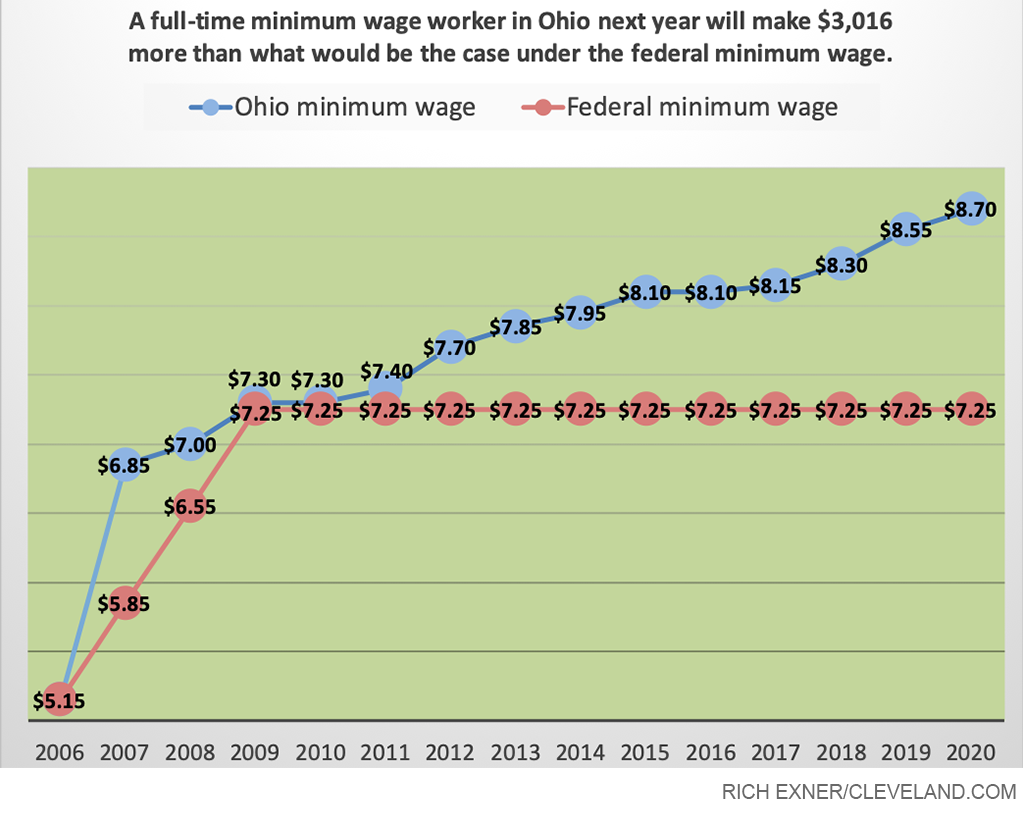
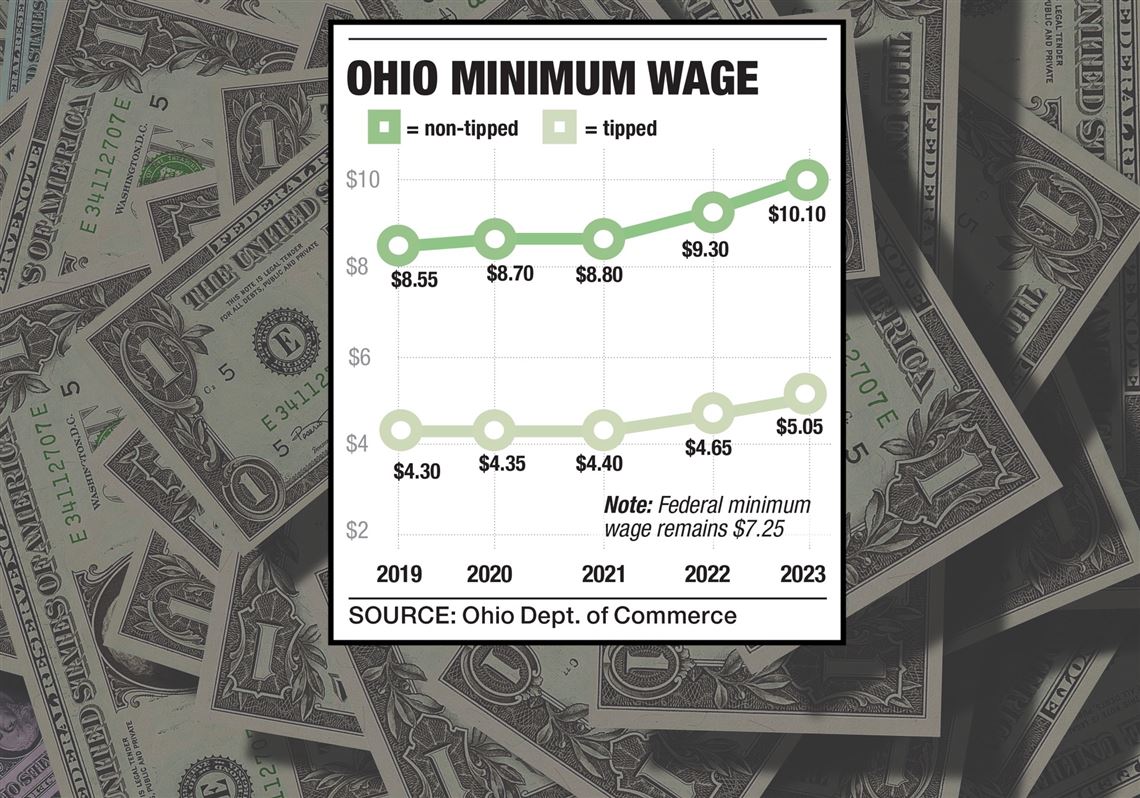
Ohio’s minimum wage is not a static number; it is a dynamic figure adjusted annually to reflect changes in the cost of living. As of January 1, 2024, the minimum wage for non-tipped employees in Ohio is $10.45 per hour. This rate applies to businesses with annual gross receipts of $385,000 or more.

The Significance of Annual Adjustments
The mechanism behind Ohio’s wage growth is linked directly to the Consumer Price Index (CPI). Since the passage of a constitutional amendment in 2006, the state is required to adjust its minimum wage annually based on the rate of inflation. This policy ensures that the purchasing power of low-wage workers does not erode entirely in the face of rising costs for housing, groceries, and fuel. For workers, this means an incremental increase each year; for employers, it necessitates a proactive approach to payroll budgeting to remain in compliance with state labor laws.
The Threshold for Coverage
It is important for both parties to understand the “gross receipts” rule. The current minimum wage applies to employers with gross annual receipts of $385,000 or more. If a business falls below this threshold, the federal minimum wage of $7.25 per hour applies. However, because the state wage is higher than the federal rate, the vast majority of Ohio workers are entitled to the state-mandated $10.45 per hour. Maintaining accurate records of annual revenue is critical for business owners to determine which legal standard they must uphold.
Distinctions for Tipped Employees
The culinary and service industries represent a significant portion of Ohio’s workforce, and these sectors operate under a different set of financial rules. Under Ohio law, employers are permitted to pay tipped employees a “tipped minimum wage,” which is currently half of the standard minimum wage.
Calculating the Tip Credit
As of 2024, the minimum cash wage for tipped employees in Ohio is $5.25 per hour. This structure is known as the “tip credit.” Essentially, the employer pays a lower base hourly rate, provided that the employee’s tips—when combined with the base wage—equal or exceed the standard minimum wage of $10.45 per hour.
Employer Responsibility in Tipped Wages
If an employee’s base wage plus their actual tips does not reach the $10.45 hourly threshold during any given workweek, the employer is legally obligated to make up the difference. This ensures that the worker is protected against slow shifts or low customer traffic. For service industry professionals, tracking daily tips is a vital personal finance habit, as it impacts tax reporting and verifies that they are receiving the compensation guaranteed by state law.
Strategic Financial Planning for Employers and Workers
The minimum wage is more than just a number on a paycheck; it is a primary lever in the financial health of both individuals and organizations. Whether you are a business owner managing labor costs or a worker planning your monthly budget, the implications of these figures are far-reaching.
Budgeting for Small Business Owners
For small business owners, rising minimum wages necessitate a strategic look at overhead. Labor is often the most significant expense in a P&L statement. When the minimum wage increases, business owners must decide whether to absorb the costs through reduced profit margins, increase prices for goods and services, or streamline operations to improve efficiency.
Successful business finance requires anticipating these annual adjustments. Many Ohio businesses set aside a contingency fund specifically for payroll increases at the start of each calendar year. By modeling these costs well in advance, owners can avoid the fiscal shock that might otherwise occur when the adjustment takes effect.
Personal Finance and Career Mobility
For workers earning minimum wage, the goal is often to use this base as a stepping stone rather than a permanent destination. With the cost of living rising alongside the wage, relying solely on minimum wage earnings can be challenging. Personal finance experts often suggest that individuals in these roles focus on “skill acquisition” to transition into higher-paying brackets.
However, in the short term, managing a budget on the minimum wage requires rigorous tracking of cash flow. Utilizing mobile budgeting tools or spreadsheet trackers to monitor essential expenses—such as rent, transportation, and utilities—is vital. Understanding that Ohio’s wage is tied to the CPI can provide a small measure of stability, but it is rarely a substitute for the long-term goal of increasing one’s professional value in the marketplace.
The Broader Economic Impact of Wage Policies
The minimum wage does not exist in a vacuum. It interacts with the broader economy of Ohio, influencing everything from local consumer spending to the competitiveness of Ohio businesses in the national market.
Consumer Spending and Inflation
When the minimum wage rises, it effectively puts more money into the pockets of the demographic most likely to spend it immediately on essentials. This increase in disposable income can stimulate local economies, as workers spend those additional dollars at local retailers, restaurants, and service providers. This is the “multiplier effect” often cited by economists. Conversely, critics argue that aggressive wage hikes can contribute to localized inflation, as businesses pass the increased cost of labor onto consumers, effectively neutralizing the purchasing power the wage increase was intended to provide.
Ohio’s Competitive Landscape
Compared to states with higher minimum wages, Ohio offers a unique environment for business owners. The state’s cost of doing business remains competitive, which has helped attract significant manufacturing and technology investments in recent years. By maintaining a wage floor that balances worker protection with business sustainability, Ohio aims to keep its labor market attractive for both employers looking for talent and workers seeking stability.
The Role of Regulatory Compliance
Ignorance of wage laws is not a defense in the eyes of the Ohio Department of Commerce. Employers who fail to pay the mandated minimum wage face significant risks, including back-pay claims, penalties, and legal fees. For workers, understanding their rights is equally important. If an employee believes they are being paid below the legal limit, they have clear channels through which to file a complaint. Reviewing pay stubs regularly and comparing them against current state laws is a fundamental aspect of financial literacy that every Ohio employee should prioritize.
Navigating Future Wage Trends
As we look toward the future, it is highly probable that Ohio’s minimum wage will continue to undergo incremental adjustments. For anyone operating within the Ohio economy, staying informed is the best defense against financial instability or legal non-compliance.
The relationship between the minimum wage, inflation, and business viability is a constant balancing act. Whether you are a student just entering the workforce, a professional managing a team, or a business owner looking to expand, these figures represent the foundation upon which your financial decisions are built. By staying current on legislative updates and understanding how these changes impact your specific financial situation, you can navigate the economic landscape of Ohio with confidence and clarity. The key is to view the minimum wage not just as a static mandate, but as a dynamic component of your broader financial strategy.
aViewFromTheCave is a participant in the Amazon Services LLC Associates Program, an affiliate advertising program designed to provide a means for sites to earn advertising fees by advertising and linking to Amazon.com. Amazon, the Amazon logo, AmazonSupply, and the AmazonSupply logo are trademarks of Amazon.com, Inc. or its affiliates. As an Amazon Associate we earn affiliate commissions from qualifying purchases.