
The concept of a “minimum salary”—more commonly referred to as the minimum wage—is one of the most significant pillars of modern labor economics and personal finance. At its core, it represents the lowest amount of remuneration that an employer is legally required to pay their employees for the work performed. While it sounds like a simple legislative floor, the implications of minimum salary standards ripple through every facet of the financial world, from individual household budgeting to the macro-economic health of a nation.
For the individual, the minimum salary is the baseline of their financial reality. For the business owner, it is a critical component of operational costs and financial planning. Understanding what constitutes a minimum salary, how it is determined, and how it impacts the broader “Money” niche is essential for anyone looking to navigate the complexities of today’s economy.

Understanding the Fundamentals of Minimum Salary
To grasp the full scope of minimum salary, one must first understand the legal and socio-economic frameworks that govern it. It is not a static number but a dynamic figure influenced by jurisdiction, industry, and the cost of living.
Definition and Legal Frameworks: Federal vs. Local Standards
In most developed economies, the minimum salary is established through legislation. In the United States, for instance, the Fair Labor Standards Act (FLSA) sets the federal minimum wage. However, many states and even individual cities have the authority to set their own minimums, provided they are higher than the federal floor. This creates a tiered system where a worker in Seattle may have a significantly higher minimum salary than a worker in a rural part of a state that follows the federal minimum.
Legal frameworks often distinguish between “exempt” and “non-exempt” employees. Non-exempt employees are typically paid hourly and are entitled to overtime pay, while exempt employees (often salaried professionals) must meet specific duties tests and a minimum salary threshold to be excluded from overtime requirements. Understanding these legal nuances is the first step in ensuring one is being paid fairly under the law.
The Critical Difference Between Minimum Wage and a Living Wage
A common point of confusion in personal finance discussions is the distinction between a “minimum wage” and a “living wage.” The minimum wage is a legal mandate; the living wage is an economic estimate. A living wage is the theoretical income level that allows an individual or family to afford adequate shelter, food, and other necessities like healthcare and transportation without falling into poverty.
In many regions, the minimum salary remains significantly lower than the calculated living wage. This gap is a primary driver of financial stress and serves as a catalyst for “Money” niche discussions regarding the need for side hustles, aggressive budgeting, and the pursuit of higher-paying skill sets.
The Impact of Minimum Salary on Personal Finance Management
For those earning at or near the minimum salary threshold, personal finance management is not just about wealth building—it is about survival and strategic optimization. When income is capped at a lower level, every dollar must be meticulously tracked and allocated.
Budgeting and Financial Planning at the Minimum Floor
Budgeting on a minimum salary requires a “zero-based” approach. This means every cent of the monthly paycheck is assigned a specific task. Traditional models like the 50/30/20 rule (50% needs, 30% wants, 20% savings) often prove difficult for minimum-salary earners because “needs” can easily consume 80% to 90% of the total income.
To find financial stability, individuals must focus on “low-cost living” strategies. This includes leveraging community resources, utilizing high-yield savings accounts even for small amounts to build an emergency fund, and identifying “money leaks” like unused subscriptions or high-interest debt. The goal is to move from a state of financial fragility to one of resilience, which often requires a hyper-focus on the “Needs” category of a budget.
The Role of Side Hustles and Income Diversification
Because the minimum salary is often insufficient to meet long-term financial goals—such as homeownership or retirement—many individuals look toward the “Online Income” and “Side Hustle” sectors. The digital economy has provided a bridge for minimum-wage earners to supplement their primary income through freelance work, the gig economy (like delivery or ride-sharing), or selling products online.
Income diversification is a powerful financial tool. It reduces the risk of total income loss and provides the “extra” capital needed to invest in assets that grow over time. However, it also requires careful management of taxes and expenses, as many side hustles classify workers as independent contractors, shifting the burden of payroll taxes and equipment costs onto the individual.
Economic Implications and Business Finance Perspectives
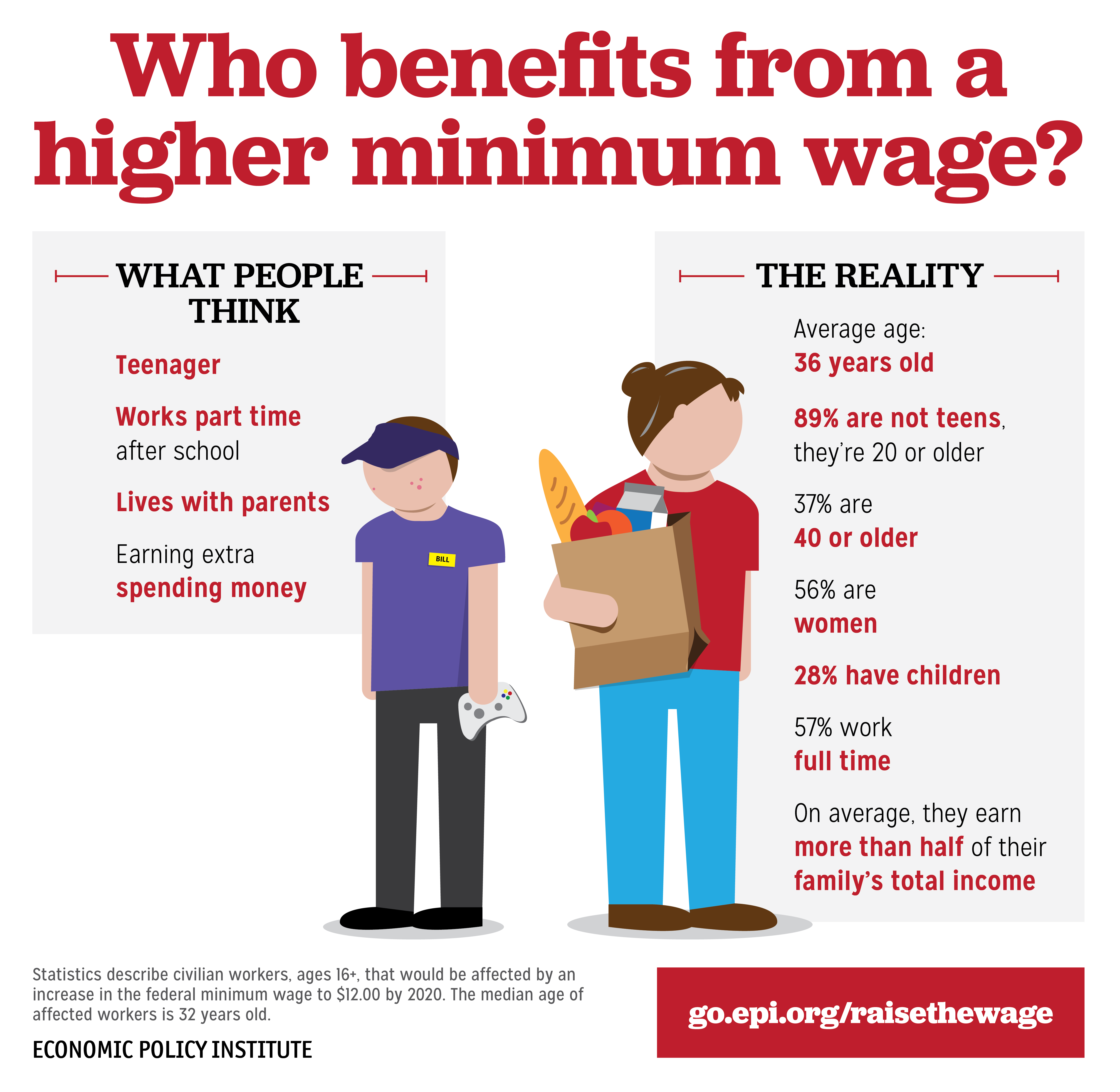
The discussion of minimum salary is not limited to the employee; it is a central concern for business finance and broader economic policy. Changes in minimum pay standards have a “butterfly effect” on the cost of goods and the profitability of enterprises.
How Businesses Navigate Minimum Wage Increases
From a business finance perspective, labor is often the largest variable expense. When a government mandates an increase in the minimum salary, businesses—especially those in the retail, hospitality, and manufacturing sectors—must adjust their financial models.
There are several ways a business might respond. Some may absorb the cost by reducing profit margins, while others may seek to increase operational efficiency through better training or streamlined processes. A third option is raising the prices of products or services, which passes the cost on to the consumer. For small businesses, navigating these changes requires robust cash flow management and a deep understanding of their “break-even” point.
The Inflationary Correlation: Does Higher Pay Drive Higher Prices?
A perennial debate in the “Money” niche is whether raising the minimum salary causes inflation. Proponents of higher wages argue that it puts more “buying power” into the hands of consumers, which stimulates the economy. Critics argue that “wage-push inflation” occurs when businesses raise prices to cover higher labor costs, effectively neutralizing the pay raise for the worker.
Current economic data suggests that while some price increases are inevitable, they do not always match the percentage increase of the wage hike. Furthermore, higher minimum salaries can lead to lower employee turnover and higher productivity, which can offset some of the increased labor costs. For the savvy investor, monitoring these trends is crucial for understanding which sectors may face margin pressure and which may benefit from increased consumer spending.
Future Trends: Automation, Remote Work, and the Global Minimum
The landscape of work is changing, and with it, the definition and application of minimum salary standards are evolving. As we look toward the future, several factors will redefine what “fair pay” looks like in a globalized, digital world.
The Rise of the “Gig Economy” Minimum Standards
Historically, the minimum salary only applied to traditional W-2 employees. However, the explosion of the gig economy has led to a legal reckoning. Many jurisdictions are now exploring—and implementing—minimum pay standards for independent contractors in specific industries. For example, some cities have mandated a minimum per-trip or per-hour pay for app-based delivery drivers.
This trend is significant for the “Online Income” niche because it suggests that the floor for earnings is rising even in non-traditional work environments. For workers, this provides a safety net; for platforms, it requires a complete overhaul of their financial algorithms and service pricing.
Remote Work and “Minimum Wage Arbitrage”
The rise of remote work has introduced the concept of geographic arbitrage into the minimum salary conversation. If an employee lives in a low-cost area but works for a company based in a high-minimum-wage city, which standard applies?
Some companies are moving toward “location-based pay,” where salaries are adjusted based on the worker’s local cost of living. Others are adopting a “national floor” regardless of location. For personal finance enthusiasts, this presents an opportunity to live in a region with a low cost of living while earning a salary that far exceeds the local minimum, thereby accelerating the path to financial independence.
Conclusion: Navigating the Path to Financial Stability
The “minimum salary” is more than just a number on a paycheck; it is the foundation of the modern economic contract. Whether you are an individual trying to optimize a tight budget, a freelancer looking for a side hustle, or a business owner managing a P&L statement, the minimum salary dictates the rules of the game.
To succeed within this framework, one must remain proactive. This means staying informed about legislative changes, understanding the difference between nominal and real wages (inflation-adjusted), and constantly seeking ways to increase one’s value in the marketplace. While the minimum salary provides the floor, your financial strategy—centered on saving, investing, and diversifying income—is what determines how high the ceiling can go. In the world of money, knowledge of the fundamentals is the first step toward building a secure and prosperous future.
aViewFromTheCave is a participant in the Amazon Services LLC Associates Program, an affiliate advertising program designed to provide a means for sites to earn advertising fees by advertising and linking to Amazon.com. Amazon, the Amazon logo, AmazonSupply, and the AmazonSupply logo are trademarks of Amazon.com, Inc. or its affiliates. As an Amazon Associate we earn affiliate commissions from qualifying purchases.