
Midland, Texas, a name that resonates with the rhythms of industry and the spirit of the American frontier, often conjures images of vast landscapes and abundant natural resources. Yet, to truly understand what Midland is known for, one must delve into the intricate layers of its economic identity. Far from being merely a dot on the map, Midland stands as a powerful testament to the forces of wealth creation, strategic investment, and enduring financial resilience. It is a city whose very pulse is intertwined with the ebb and flow of global markets, offering a fascinating case study in business finance, personal wealth management, and the unique challenges and opportunities of a resource-driven economy.

At its core, Midland’s renown is deeply rooted in its pivotal role within the energy sector, particularly oil and natural gas. This industry has not only shaped its skyline and demographics but has also forged a distinct financial ecosystem. The city is a hub where significant capital is deployed, where innovative financial strategies are tested against volatile market conditions, and where individuals navigate a landscape rich with potential for both rapid wealth accumulation and the necessity of prudent financial planning. For anyone looking to understand the dynamics of a specialized economy, the interplay of business and personal finance, or the art of navigating prosperity and downturns, Midland offers a compelling narrative. It is a place where the pursuit of prosperity is not just a goal, but a defining characteristic of its very being.
The Unyielding Heart of American Energy: Oil and Gas as Midland’s Economic Engine
Midland, Texas, is undeniably synonymous with energy. Its identity is inextricably linked to the vast subterranean wealth of the Permian Basin, one of the most prolific oil and gas fields in the world. This deep connection makes the energy sector not merely an industry within Midland but the very bedrock of its financial landscape, dictating economic cycles, driving investment, and shaping the financial destiny of its residents and businesses. Understanding Midland is, first and foremost, understanding its economic engine.
From Boomtown to Global Hub: A Historical Perspective
Midland’s journey from a small railroad stop to a globally recognized energy hub is a narrative steeped in the pursuit and management of immense wealth. The discovery of oil in the early 20th century transformed the nascent settlement into a magnet for entrepreneurs, wildcatters, and investors, all chasing the promise of black gold. This era gave birth to a classic boomtown phenomenon, characterized by rapid population growth, swift capital accumulation, and the emergence of specialized financial services to support the burgeoning industry. Banks, investment firms, and land offices quickly established themselves, laying the groundwork for a sophisticated financial infrastructure capable of handling large-scale transactions and complex energy financing. The city’s history is a living lesson in how resource discovery can catalyze a complete economic transformation, creating entirely new markets for capital, labor, and innovation. This historical foundation instilled a deep-seated entrepreneurial spirit and a tolerance for risk that continues to define its business finance culture today.
Navigating the Cycles: Resilience in Volatile Markets
The global energy market is notoriously volatile, subject to geopolitical shifts, technological advancements, and fluctuations in demand. Consequently, Midland’s economy has experienced dramatic boom-and-bust cycles, periods of exhilarating prosperity followed by challenging downturns. These cycles have forged a unique financial resilience within the city. Businesses operating in Midland have learned to implement robust financial planning strategies, emphasizing diversified revenue streams where possible, disciplined cost management, and the accumulation of capital reserves during peak periods to weather inevitable contractions. Investors in the region understand the cyclical nature, often employing long-term strategies that account for these fluctuations, recognizing that downturns can present opportune moments for strategic acquisitions or expansions. For individual residents, the necessity of personal financial planning, including emergency savings, investment diversification, and adaptable career strategies, becomes paramount in a fluctuating job market. Midland’s ability to not only survive but rebound from these cycles is a testament to its inhabitants’ financial acumen and adaptability.
The Permian Basin’s Enduring Legacy and Future
The Permian Basin continues to be the crown jewel of Midland’s economic identity. Its vast reserves and ongoing technological innovations, such as horizontal drilling and hydraulic fracturing, ensure its continued relevance as a global energy producer. This enduring legacy means that the financial gravity of the basin continues to attract significant domestic and international investment. Future growth strategies for Midland’s financial sector are closely tied to the basin’s evolution. This includes financing for new exploration and production technologies, investments in pipeline and processing infrastructure, and the emerging financial opportunities in energy transition technologies that can be integrated with existing fossil fuel operations. The long-term outlook for the Permian Basin underpins a sustained demand for specialized financial services, from private equity funds dedicated to energy assets to banking services tailored for the upstream and midstream sectors.
Investment Opportunities and Business Finance in the Energy Capital
Beyond the direct extraction of resources, Midland’s status as an energy capital creates a rich tapestry of investment opportunities and a unique environment for business finance. The sheer volume of capital flowing through the region supports a diverse ecosystem of businesses and demands sophisticated financial strategies.
Strategic Investments Beyond the Drill Bit
While direct investment in oil and gas production remains central, astute investors in Midland recognize the myriad of opportunities in ancillary and support industries. This includes substantial investments in oilfield services (drilling, completion, well servicing), logistics and transportation (trucking, rail, pipeline infrastructure), manufacturing (specialized equipment, components), and even technology development aimed at improving efficiency and safety within the energy sector. These strategic investments often offer a more stable, albeit perhaps less explosive, return profile than direct commodity exposure. Venture capital and private equity firms are increasingly looking at these “pick and shovel” plays, providing crucial business finance to companies that serve the core industry. Understanding these secondary markets is key to a holistic investment strategy in Midland, allowing for diversification within the broader energy ecosystem.
Small Business and Entrepreneurial Spirit
Midland’s dynamic economy fosters a robust entrepreneurial spirit, particularly among small and medium-sized enterprises (SMEs). These businesses range from engineering and environmental consulting firms to specialized IT services, catering to the specific needs of the energy industry. The entrepreneurial landscape is also vibrant in sectors like real estate, hospitality, retail, and professional services, all benefiting from the direct and indirect wealth generated by oil and gas. For these small businesses, access to capital, whether through local banking institutions, community development funds, or angel investors, is critical. Business finance in Midland for SMEs often involves navigating the cyclical nature of the dominant industry, requiring careful cash flow management, flexible lending terms, and a keen understanding of local market demand. Online income generation and side hustles also thrive, as individuals seek to leverage specialized skills or local market gaps, from energy consulting gigs to specialized catering services for the influx of energy professionals.
Attracting Capital: Infrastructure and Innovation
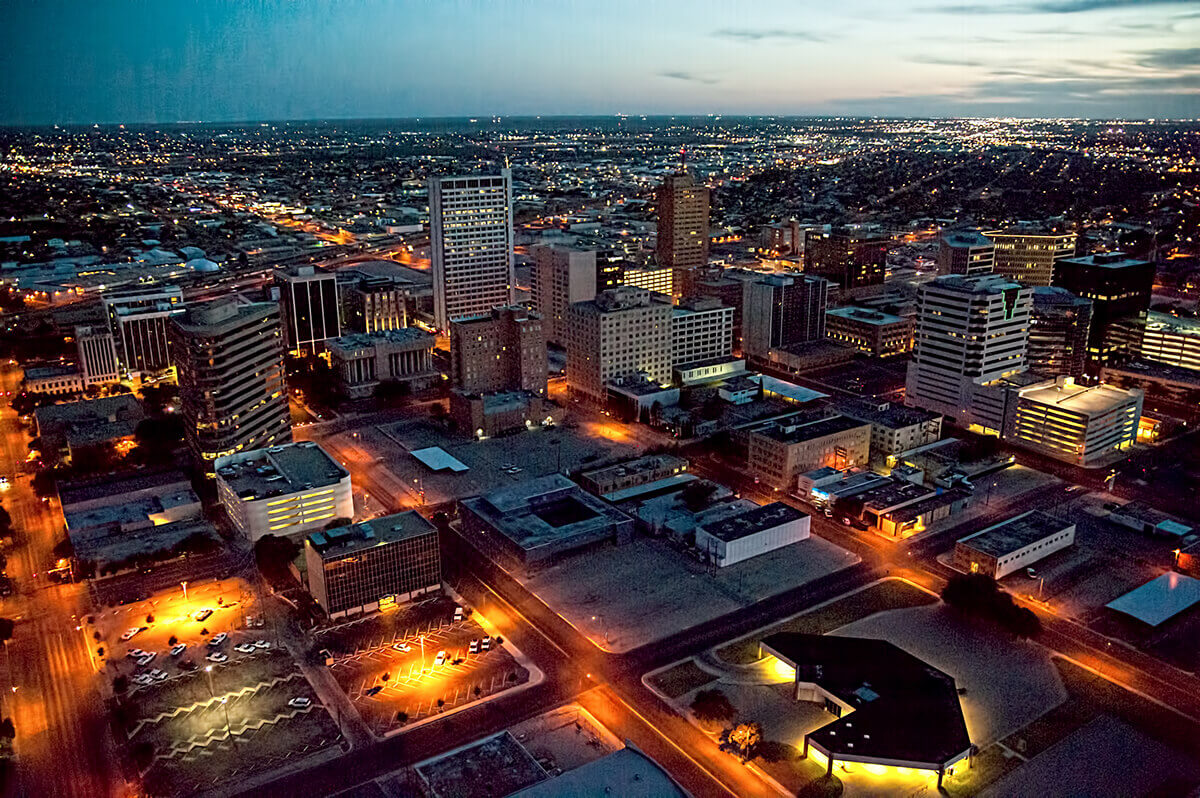
To sustain its economic momentum, Midland consistently works to attract external capital, not just for direct energy investments but also for infrastructure development and innovation. This involves public-private partnerships for improving transportation networks, utilities, and digital infrastructure – all essential for a thriving business environment. The city and surrounding region actively court investment in technological innovation, particularly in areas like energy efficiency, renewable energy integration (to complement traditional sources), data analytics for resource management, and environmental technologies. Attracting this capital requires a sophisticated understanding of financial incentives, regulatory frameworks, and the ability to articulate compelling business cases to national and international investors. The interplay between local government, established energy companies, and emerging tech firms creates a fertile ground for financial innovation and capital deployment.
Personal Finance in a High-Growth Region
The unique economic characteristics of Midland have profound implications for personal finance, offering both significant opportunities for wealth accumulation and distinct challenges requiring careful planning. Living and working in an energy capital shapes everything from income potential to investment strategies.
Cost of Living and Wage Dynamics
One of the most noticeable aspects of Midland’s economy is its impact on personal finance through wage dynamics and the cost of living. During boom periods, the demand for skilled labor in the energy sector drives up wages significantly, often making Midland one of the highest-paying cities in Texas for certain professions. This high earning potential can accelerate wealth accumulation for individuals and families. However, this prosperity comes with a corresponding rise in the cost of living, particularly in housing, which can escalate dramatically during periods of intense economic activity. Understanding these dynamics is crucial for personal financial planning, requiring residents to balance high income with potentially higher expenses, ensuring that increased earnings translate into genuine financial growth and not just a higher cost of living. Budgeting, strategic housing choices, and understanding local market trends become more critical in such an environment.
Wealth Management and Financial Planning in a Resource-Rich Economy
For individuals in Midland, wealth management and financial planning take on specific characteristics. Given the cyclical nature of the dominant industry, diversification of investments beyond local real estate or energy stocks is often a key recommendation. Financial advisors in Midland frequently counsel clients on strategies to protect wealth during downturns and capitalize on growth phases, including robust emergency funds, conservative investment allocations for essential goals, and leveraging high incomes for aggressive retirement savings or investment in diversified portfolios (global equities, bonds, alternative assets). Estate planning, often complex due to the potential for significant and rapidly appreciating assets, is also a critical consideration. The financial landscape demands a proactive and informed approach to ensure long-term financial security regardless of market fluctuations.
Diversifying Income Streams and Side Hustles in Midland
In an economy with inherent volatility, diversifying personal income streams and engaging in side hustles becomes a prudent financial strategy. Many Midland residents, even those in high-paying energy jobs, explore additional income avenues to mitigate risk or accelerate financial goals. This can range from investing in local rental properties, leveraging specialized skills for consulting or freelance work, or even engaging in online income generation activities. The strong local economy often creates opportunities for service-based side hustles, while the digital age allows for remote work and online ventures. Promoting financial literacy around these options, providing resources for entrepreneurial ventures, and fostering a culture of financial preparedness are key elements of supporting personal finance in Midland.
The Economic Ripple Effect: Community Investment and Quality of Life
Midland’s financial prowess extends beyond individual and corporate balance sheets, creating a significant ripple effect on community investment, philanthropic endeavors, and the overall quality of life, which in turn circle back to enhance its economic attractiveness.
Philanthropy and Local Development
The wealth generated in Midland has historically fueled substantial philanthropic activities and investments in local development. Many individuals and families who have prospered in the energy industry dedicate significant resources to improving the community through educational endowments, healthcare initiatives, cultural institutions, and infrastructure projects. These acts of generosity are not just altruistic; they represent a strategic investment in the city’s long-term vibrancy and attractiveness. A well-funded school system, state-of-the-art medical facilities, and vibrant arts scene contribute to a higher quality of life, which is essential for retaining talent and attracting new businesses—factors that directly impact future economic growth and financial stability. This robust philanthropic culture ensures that capital circulates back into the community, enhancing its human and social capital.
Attracting Talent: Economic Incentives and Amenities
To sustain its economic engine, Midland must continuously attract and retain skilled talent. This involves not only offering competitive wages and employment opportunities but also providing economic incentives and a high quality of life. The city invests in a range of amenities, from parks and recreational facilities to cultural events and dining options, which make it an appealing place to live. Furthermore, economic development agencies often work to create incentives for businesses to relocate or expand in Midland, which in turn creates more job opportunities and strengthens the local economy. From a financial perspective, these investments are crucial. They ensure a steady supply of human capital, foster innovation, and diversify the economic base beyond pure energy extraction, making the city more resilient and financially robust in the long run.
Conclusion
Midland, Texas, is known for far more than simply being an oil town; it is a dynamic and complex economic powerhouse. Its identity is forged in the crucible of the global energy market, defining its financial cycles, shaping its investment landscape, and influencing every aspect of personal and business finance within its borders. From the historical booms that built its initial wealth to the present-day strategic investments diversifying its economy, Midland exemplifies how a resource-rich region can generate, manage, and distribute significant capital.
The city offers invaluable insights into navigating volatile markets, fostering entrepreneurial spirit, and the critical importance of prudent personal and business financial planning in a high-growth, high-stakes environment. Its resilient community, driven by a deep understanding of economic cycles and a strong commitment to local development, ensures that Midland’s financial legacy will continue to evolve. Ultimately, what Midland, Texas, is known for is its enduring spirit of enterprise, its profound impact on the American energy landscape, and its role as a living laboratory for the intricate dance of money, markets, and human ingenuity.
aViewFromTheCave is a participant in the Amazon Services LLC Associates Program, an affiliate advertising program designed to provide a means for sites to earn advertising fees by advertising and linking to Amazon.com. Amazon, the Amazon logo, AmazonSupply, and the AmazonSupply logo are trademarks of Amazon.com, Inc. or its affiliates. As an Amazon Associate we earn affiliate commissions from qualifying purchases.