
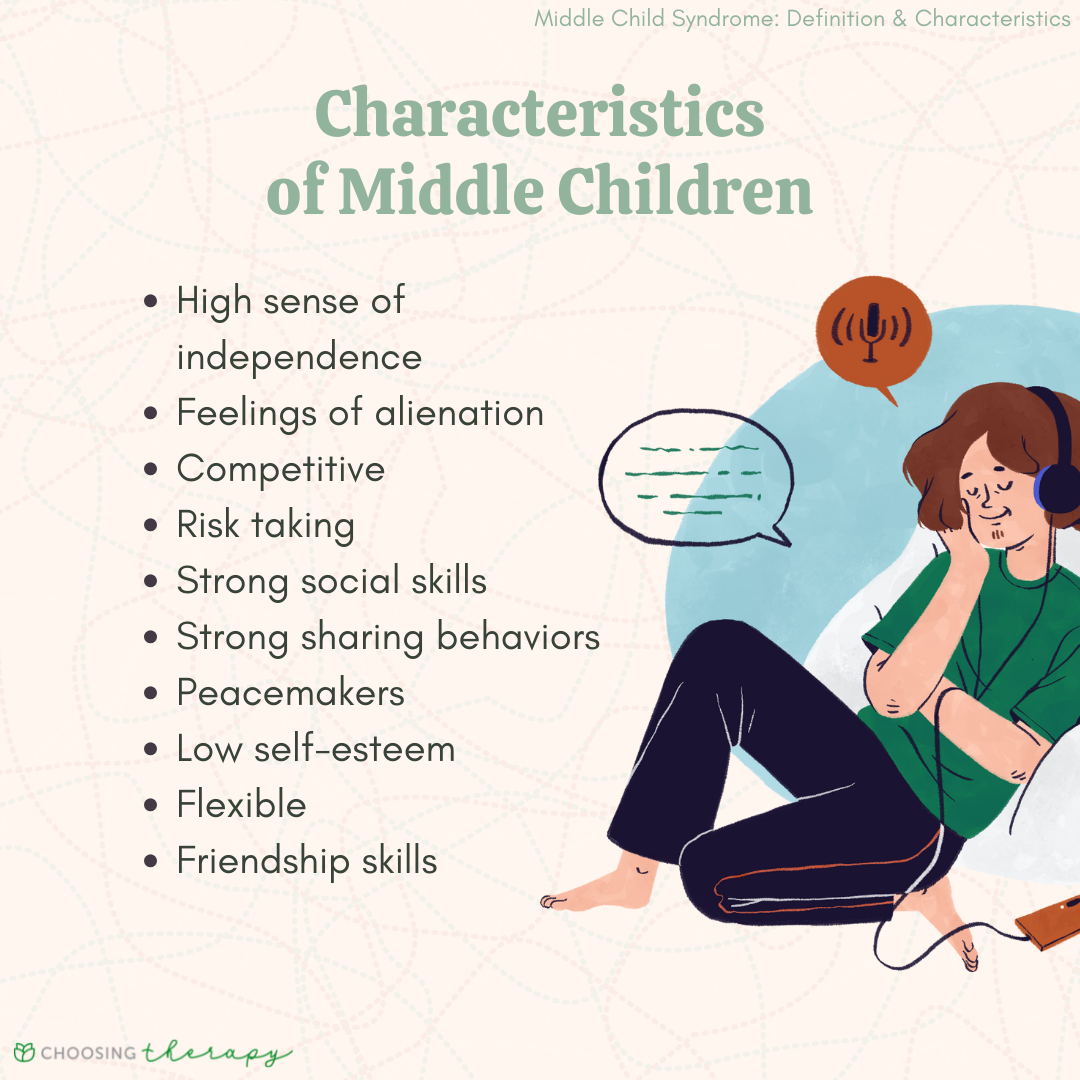
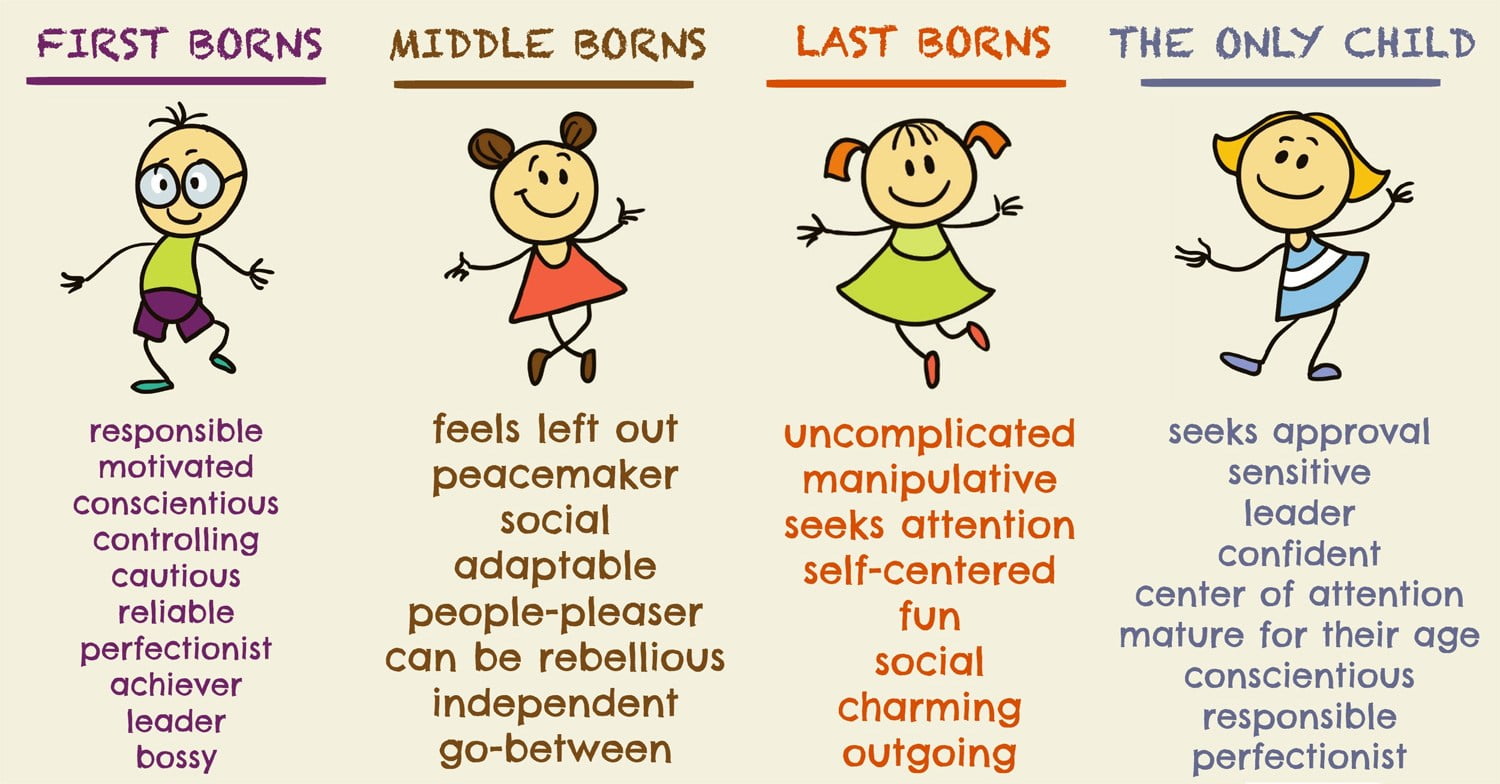
In the world of psychology, “Middle Child Syndrome” describes the feeling of being overlooked, caught between the high expectations placed on the eldest and the indulgent attention given to the youngest. In the world of commerce and brand strategy, the phenomenon is strikingly similar and arguably more dangerous.
When a brand suffers from Middle Child Syndrome, it occupies a precarious position in the market: it is too expensive to compete with budget-friendly, value-driven leaders, yet lacks the prestige or specialized features to compete with high-end, premium incumbents. This “muddled middle” is where brand equity goes to die. Without a clear identity or a distinct value proposition, these brands become invisible to consumers, leading to stagnant growth and eventual irrelevance.
Understanding Middle Child Syndrome in branding is essential for any marketing strategist or business owner. It requires a deep dive into market positioning, consumer psychology, and the structural dynamics of modern competition.
1. Defining the Phenomenon: What is Middle Child Syndrome in the Marketplace?
Middle Child Syndrome occurs when a brand fails to commit to a specific strategic pole. In his seminal work on competitive strategy, Michael Porter suggested that companies must choose between “Cost Leadership” (being the cheapest) or “Differentiation” (being the best/most unique). Brands that fall into the middle are “stuck,” lacking the scale to win on price and the innovation to win on brand power.
The Lack of Clear Identity
The primary symptom of a middle-child brand is a lack of a “superpower.” If you ask a consumer why they buy a specific budget brand, they say, “It’s cheap.” If you ask why they buy a luxury brand, they say, “It’s the best status symbol” or “It has the highest quality.” When a consumer looks at a middle-child brand, they often struggle to find a definitive “why.” This identity crisis usually stems from trying to be everything to everyone, resulting in a diluted brand message that resonates with no one.
The Competitive Squeeze (The Barbell Effect)
Modern markets are increasingly moving toward a “barbell” shape. On one end, we see the rise of hyper-efficient, massive discount retailers and software-as-a-service (SaaS) tools that dominate through volume. On the other end, we see artisanal, luxury, and highly specialized niche brands that command high margins. The middle—where traditional “mid-market” brands used to thrive—is shrinking. Consumers are increasingly willing to save money on “commodity” items so they can splurge on “experience” items. If your brand is in the middle of that barbell, you are being squeezed from both sides.
2. Identifying the Symptoms: How to Know if Your Brand is Stuck in the Middle
Before a brand can move toward a more profitable position, it must first acknowledge its current state. Middle Child Syndrome doesn’t happen overnight; it is a slow erosion of market relevance. Strategic leaders must look for specific red flags within their brand health metrics.
Stagnant Market Share and “Race to the Bottom” Discounting
One of the clearest signs of Middle Child Syndrome is a reliance on constant discounting to drive sales. Because the brand lacks a “premium” pull, it cannot maintain its price floor. However, because it lacks the infrastructure of a “value” leader, these discounts eat directly into profit margins. If your only way to win a customer is through a 20% off coupon, you aren’t selling a brand; you’re selling a commodity that is currently on sale.
The Narrative Vacuum
A healthy brand has a story that consumers can retell. For example, Patagonia tells a story of environmental activism; Tesla tells a story of a sustainable future. Middle-child brands suffer from a narrative vacuum. Their marketing materials are often filled with “corporate-speak”—generic phrases like “quality service,” “customer-focused,” or “reliable solutions.” These are table stakes, not differentiators. If your brand story feels like a collection of buzzwords rather than a compelling mission, you are likely suffering from this syndrome.
High Customer Churn and Low Brand Loyalty
Middle-child brands often have “transactional” relationships with their customers rather than “emotional” ones. Without a distinct brand personality or a specialized niche, there is no “switching cost” for the consumer. If a cheaper alternative appears, the customer leaves. If a cooler, more premium alternative appears, the customer leaves. High churn rates often indicate that your brand hasn’t given the customer a reason to stay beyond convenience or temporary price parity.
3. Strategic Solutions: Breaking Out of the Middle Child Identity Crisis
The cure for Middle Child Syndrome is decisive action. To escape the muddled middle, a brand must move toward one of the ends of the spectrum or create a entirely new category. This requires a fundamental shift in brand strategy and corporate identity.
The Pivot to Premiumization
Many brands escape the middle by moving “up-market.” This involves investing heavily in design, user experience, and brand storytelling. Premiumization isn’t just about raising prices; it’s about increasing the perceived value to a point that justifies those prices. This might involve a visual rebrand, a shift in target demographics, or adding “white-glove” services that budget competitors cannot replicate. By becoming a “specialist” rather than a “generalist,” a brand can reclaim its voice.
Embracing “Value Leadership” Through Efficiency
Alternatively, a brand can lean into the “value” end of the spectrum. This is less about brand “prestige” and more about operational excellence. To win here, a brand must strip away unnecessary features, optimize its supply chain, and become the most frictionless, cost-effective option in the category. This is a difficult path that requires scale, but it provides a clear, defensible position: “We are the smartest choice for your wallet.”
Niching Down and Category Creation
Sometimes the best way to stop being a middle child is to find a different family. Instead of competing in a massive, saturated market, a brand can “niche down” to serve a specific, underserved sub-segment. By focusing on a “hyper-niche,” the brand becomes the “eldest child” (the leader) of that specific category. For example, a generic software company might struggle, but a software company specifically for “boutique veterinary clinics” suddenly becomes the premium, go-to authority for that specific audience.
4. Case Studies: Brands That Conquered the Middle Child Identity Crisis
Examining real-world examples helps illustrate how brand strategy can pivot a company from obscurity to dominance.
Starbucks: Creating the “Third Place”
Before Starbucks’ global expansion, coffee in America was largely a commodity—cheap, generic, and sold in diners or tins. There were also high-end, expensive hotel cafes. Starbucks avoided the middle by creating a new category: the “Third Place” between work and home. They didn’t just sell coffee; they sold an Italian-inspired experience, consistent quality, and a premium atmosphere. They moved “up” from the commodity middle and redefined what people were willing to pay for a cup of coffee.
Apple’s SE Line: Strategic Product Tiering
Apple is a master of avoiding Middle Child Syndrome within its own product ecosystem. When they release a “middle” product, like the iPhone SE or the Apple Watch SE, they don’t leave it in a narrative vacuum. They position it clearly as “The best of Apple at a more accessible price.” By using their premium brand equity to “halo” their mid-tier products, they prevent them from feeling like forgotten middle children. They provide a clear “Why”: It’s for the user who wants the ecosystem without the “Pro” price tag.
Mazda: Moving from Generalist to “Premium-Lite”
For years, Mazda sat in the middle of the automotive market—not as reliable or ubiquitous as Toyota/Honda, and not as prestigious as BMW or Lexus. They suffered from a lack of clear identity. In the last decade, Mazda executed a brilliant brand pivot. They invested in “Kodo” design and “Jinba Ittai” (horse and rider as one) driving dynamics. They moved their interiors up-market to rival luxury brands while keeping prices slightly below the German incumbents. They successfully escaped the middle by carving out a niche as the “driving enthusiast’s affordable luxury brand.”
5. The Future of Brand Positioning: Navigating a Polarized Economy
As we move further into the digital age, the “middle” is becoming even more dangerous. With the rise of AI-driven comparison tools and the democratization of global supply chains, consumers can find the absolute cheapest or the absolute best version of any product in seconds.
The Role of Personal Branding and Community
In a polarized economy, “Brand” is no longer just a logo; it is a community. Middle-child brands can survive by fostering deep, direct-to-consumer relationships. By utilizing social media and community-building tools, a brand can create a sense of belonging that transcends price and features. When a customer feels like part of a “tribe,” the brand is no longer a middle child; it is a central part of their identity.

Authenticity as the Ultimate Differentiator
The final weapon against Middle Child Syndrome is radical authenticity. In an era of AI-generated content and generic marketing, brands that stand for something specific—and perhaps even polarize—tend to win. Being “okay” to everyone is a death sentence. Being “perfect” for a specific group of people is the path to growth. Brands must be willing to alienate the wrong customers to attract the right ones.
In conclusion, Middle Child Syndrome in branding is a byproduct of strategic indecision. To survive and thrive in today’s market, brands must reject the safety of the middle. Whether you choose to be the high-end innovator, the low-cost leader, or the niche specialist, the key is to choose. A brand with a clear, bold identity will always outshine a brand that is simply trying to blend in.
aViewFromTheCave is a participant in the Amazon Services LLC Associates Program, an affiliate advertising program designed to provide a means for sites to earn advertising fees by advertising and linking to Amazon.com. Amazon, the Amazon logo, AmazonSupply, and the AmazonSupply logo are trademarks of Amazon.com, Inc. or its affiliates. As an Amazon Associate we earn affiliate commissions from qualifying purchases.