
Mid-Century Modern (MCM) design represents far more than a fleeting trend; it is a foundational movement that continues to shape aesthetic sensibilities and influence brand strategies today. Spanning roughly from the mid-1930s to the mid-1960s, this era in design emerged from a post-World War II landscape brimming with optimism, technological advancement, and a desire for functional yet beautiful living. For brands, understanding MCM is not merely an exercise in historical appreciation; it offers profound insights into creating timeless appeal, communicating core values, and crafting a distinctive corporate identity that resonates with discerning audiences. At its heart, MCM championed simplicity, utility, and innovative materials, principles that remain cornerstones of effective brand design and marketing.
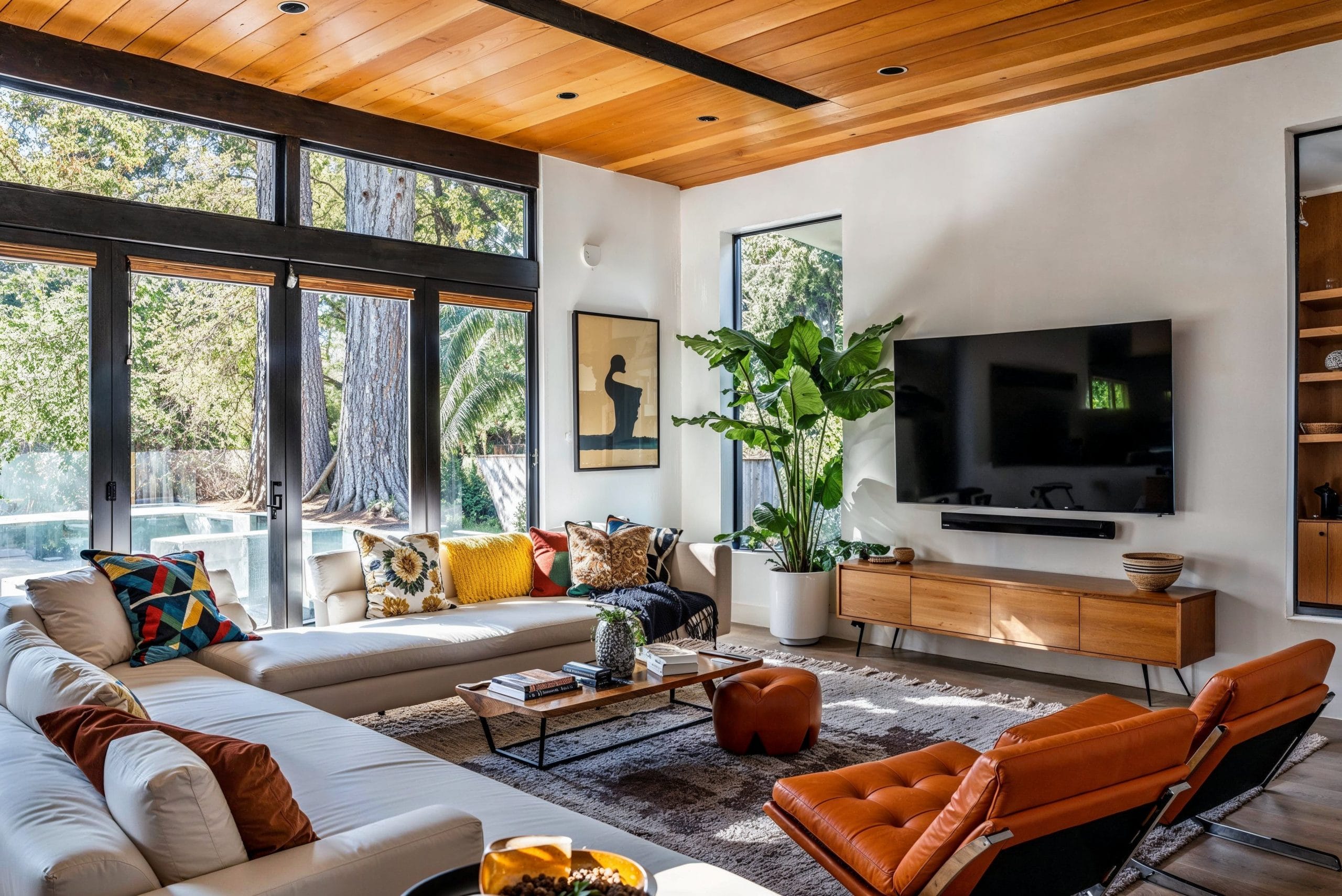
The Core Philosophy and Aesthetic Principles
The enduring appeal of Mid-Century Modern design stems from its deeply rooted philosophy and a set of aesthetic principles that prioritize human experience, functionality, and thoughtful execution. These tenets offer a blueprint for brands aiming for authenticity and lasting impact.
Form Follows Function
One of the most profound principles informing MCM design is “form follows function,” a mantra popularized earlier but fully embraced and iterated upon during this period. Designers sought to create objects where the aesthetic beauty was an inherent outcome of their practical purpose. For a brand, this translates into a commitment to user-centric design across all touchpoints—from product development to user interface design. A brand adopting this principle signals reliability, efficiency, and a deep understanding of its customers’ needs, building trust through intuitive experiences rather than superficial embellishment. This minimalist approach allows the product or service itself to be the hero, an invaluable strategy for establishing a clear and confident brand identity.
Clean Lines and Organic Shapes
MCM’s visual language is characterized by a striking balance between sleek, minimalist lines and softer, often biomorphic, organic forms. Furniture pieces frequently feature slender legs, sharp angles, and geometric precision, juxtaposed with sinuous curves inspired by nature, like the iconic Eames Lounge Chair or Saarinen’s Womb Chair. This duality communicates both sophistication and approachability. For brands, this translates into logo design, typography, and visual branding that is simultaneously modern and inviting. A clean, uncluttered aesthetic projects clarity and confidence, while subtle organic elements can introduce warmth and human touch, enabling a brand to speak to both professionalism and empathy. This distinctive visual language helps a brand stand out, creating an immediate, recognizable, and often aspirational identity.
Material Innovation and Accessibility
The post-war era ushered in a wave of material innovation, and MCM designers were quick to experiment. Plywood, plastic, fiberglass, aluminum, and steel were embraced alongside traditional wood, glass, and leather. These materials were often lighter, more durable, and mass-producible, aligning with the democratic ideal of bringing good design to a broader audience. Brands can learn from this pioneering spirit, not just in their product materials but in their overall approach to innovation and accessibility. Utilizing sustainable, cutting-edge, or unexpected materials in product design or even packaging can communicate a brand’s forward-thinking ethos and commitment to quality. Furthermore, the MCM desire to make good design accessible resonates with brands aiming for inclusive marketing and products that serve a wide demographic without compromising on design integrity.
Integration with Nature
A hallmark of MCM architecture and interior design was the seamless integration of indoor and outdoor spaces. Large windows, open floor plans, and the use of natural light blurred boundaries, fostering a sense of openness and connection to the environment. This ethos extends to color palettes, which often feature earthy tones, muted pastels, and pops of vibrant, jewel-like colors. For modern brands, this principle translates into a commitment to transparency, authenticity, and potentially, environmental consciousness. Brands that emphasize natural elements in their branding, whether through color schemes, imagery, or sustainable practices, tap into a desire for clarity, calm, and a genuine connection with the world, fostering a perception of trustworthiness and holistic value.
Key Influences and Driving Forces
Understanding the historical context and intellectual lineage of Mid-Century Modern design reveals why its principles are so powerful for contemporary branding and marketing.
Post-War Optimism and Economic Boom
The end of World War II brought with it a profound sense of optimism, a booming economy, and a desire for progress and renewal. People wanted homes, furniture, and products that reflected a new, modern way of living—efficient, comfortable, and aesthetically pleasing. This created fertile ground for MCM design to flourish. Brands today can tap into this foundational sentiment of progress and aspiration. By crafting narratives around innovation, a brighter future, or solutions that improve everyday life, brands evoke the same positive associations that fueled MCM. Aligning brand messaging with a forward-looking, problem-solving mindset can resonate deeply with consumers seeking betterment and a sense of moving forward.
The Bauhaus and Scandinavian Modernism
MCM design did not emerge in a vacuum; it was heavily influenced by earlier European movements, particularly the German Bauhaus school and Scandinavian Modernism. The Bauhaus championed a functionalist approach, emphasizing mass production, universal design principles, and the integration of art and technology. Scandinavian Modernism, meanwhile, focused on natural materials, ergonomics, and creating warm, human-centric designs. These influences provided a robust intellectual framework for American MCM designers. For brands, this highlights the importance of a clear design philosophy and the benefits of drawing inspiration from diverse, proven design traditions. A brand that grounds its aesthetic and product development in such considered principles communicates depth, heritage, and a commitment to thoughtful craftsmanship, elevating its status beyond mere trend-following.
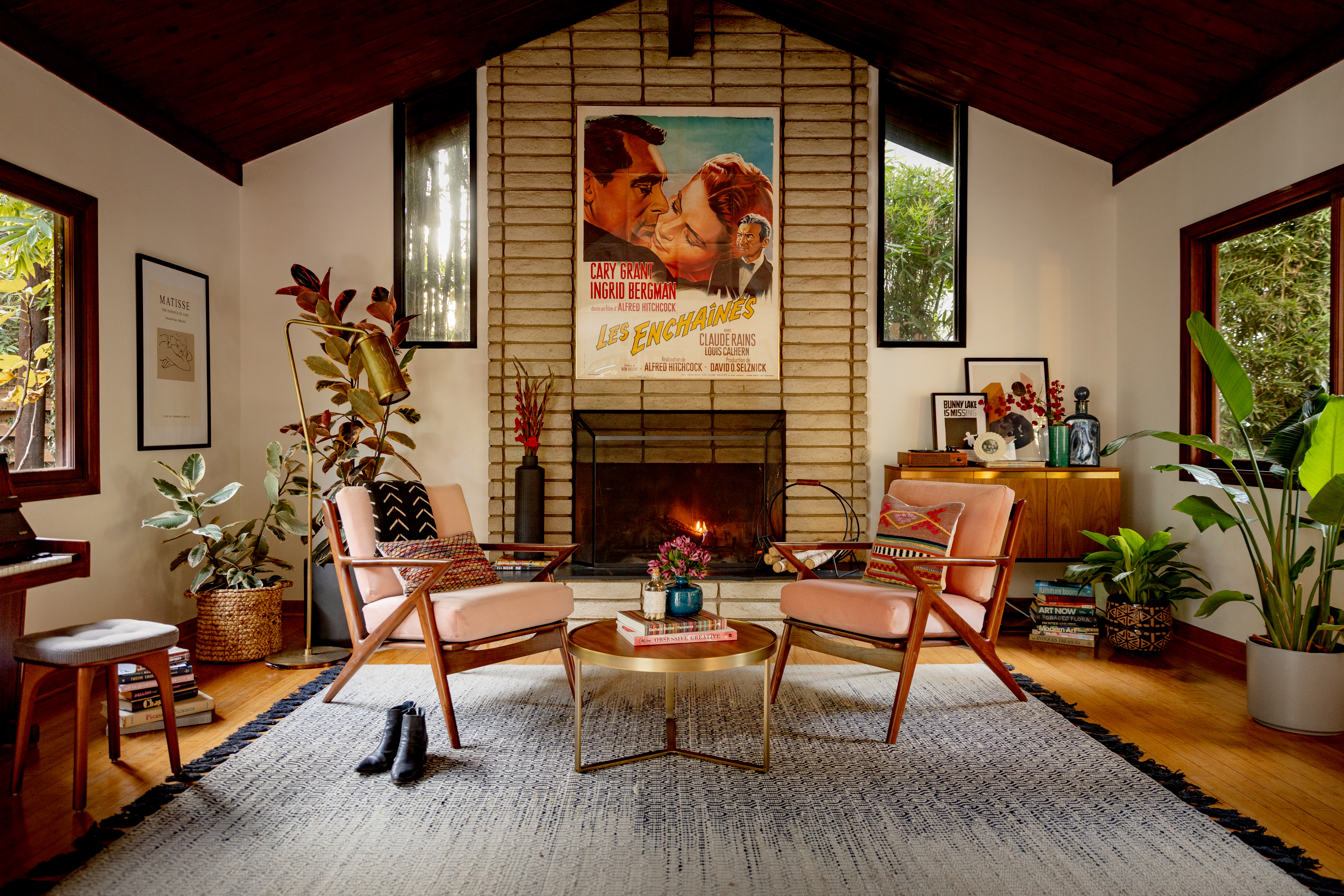
Iconic Designers and Their Brand Legacy
The Mid-Century Modern era was defined by a constellation of visionary designers whose work became synonymous with innovation and enduring quality. Figures like Charles and Ray Eames, Eero Saarinen, George Nelson, Isamu Noguchi, and Arne Jacobsen created pieces that transcended mere utility to become cultural icons. Furniture manufacturers like Herman Miller and Knoll became synonymous with this movement, building powerful brands on the back of these collaborations. These designers didn’t just create objects; they created a legacy of thoughtful design, pushing boundaries while maintaining functionality. Brands can learn immensely from this. Associating with or commissioning renowned designers, focusing on design-led innovation, and building a reputation for excellence and originality are strategies directly inspired by the lasting impact of MCM’s design pioneers. Their work proves that great design is a powerful brand differentiator.
Why Mid-Century Modern Endures in Branding and Corporate Identity
The continued relevance of MCM design in today’s fast-paced world is a testament to its intrinsic qualities, making it a powerful tool for brands seeking to establish a strong, resonant identity.
Timeless Appeal and Versatility
Unlike many stylistic fads, MCM has proven to be remarkably resilient to the whims of fashion. Its clean lines, functional focus, and balanced aesthetics possess a timeless quality that transcends decades. This timelessness offers brands immense value. Adopting MCM principles allows a brand to create an identity that avoids obsolescence, projecting sophistication and stability. Its versatility means it can be adapted across a wide array of industries—from tech startups to hospitality, from fashion to consumer goods—without losing its core essence. A brand that aligns itself with MCM communicates a commitment to enduring quality and sophisticated taste, appealing to a broad demographic that values classic design over ephemeral trends.
Evoking Trust and Heritage
The association of MCM with a “golden age” of design, characterized by quality craftsmanship, thoughtful innovation, and a sense of optimism, imbues brands that employ its aesthetics with an aura of trust and heritage. Even a relatively new brand can borrow from this established legacy to communicate reliability and a commitment to enduring value. Whether through vintage-inspired typography, classic color palettes, or product designs that subtly nod to MCM forms, a brand can tap into collective nostalgia and a perception of established excellence. This fosters confidence in consumers, differentiating the brand from competitors who might appear less substantial or more trend-driven.
Creating Distinctive Visual Language
MCM offers a rich vocabulary for crafting a distinctive visual language. From the elegant simplicity of its typography choices (like Helvetica, Futura, or Gill Sans) to the structured yet inviting layouts of its graphic design, the movement provides a cohesive aesthetic framework. Brands can leverage these elements to develop a consistent and memorable corporate identity across all mediums—logo design, website layouts, product packaging, advertising campaigns, and even the interior design of physical spaces. A well-executed MCM-inspired visual language can make a brand immediately recognizable, project professionalism, and convey a specific set of values, differentiating it sharply in a crowded marketplace.
Implementing Mid-Century Modern Principles in Contemporary Brand Design
Integrating MCM principles into contemporary brand design is not about mimicry, but about intelligent adaptation and reinterpretation to meet modern demands while honoring timeless values.
From Product to Experience
The MCM emphasis on functionality and aesthetic appeal extends beyond mere products to the entire brand experience. For modern brands, this means applying MCM’s user-centric philosophy to every customer touchpoint. In digital design, this translates to clean user interfaces, intuitive navigation, and a focus on clarity and efficiency, echoing the “form follows function” principle. In physical spaces, whether retail stores or corporate offices, MCM-inspired interiors create environments that are inviting, productive, and reflect a brand’s sophisticated identity. The goal is to craft a cohesive experience that is both visually pleasing and effortlessly functional, reinforcing the brand’s commitment to quality and thoughtful design.
Crafting Brand Narratives
The story behind Mid-Century Modern design—one of post-war innovation, democratic ideals, and the pursuit of a better future—offers a compelling narrative framework for brands. By weaving elements of this story into their own brand narratives, companies can connect with audiences on a deeper, emotional level. A brand launching an innovative new product can highlight its commitment to progress and accessibility, reminiscent of the MCM era’s drive to bring good design to the masses. Brands focused on craftsmanship and durability can emphasize their dedication to creating lasting value, mirroring the timeless quality of MCM pieces. This narrative depth enriches the brand, giving it a powerful backstory that resonates beyond product features.

The Modern Interpretation
True mastery of MCM in contemporary branding involves more than simply recreating vintage aesthetics. It’s about a thoughtful reinterpretation that blends MCM’s core tenets with modern sensibilities, technological advancements, and a focus on sustainability. This might involve using recycled or sustainably sourced materials for MCM-inspired furniture, integrating smart technology into minimalist product designs, or employing digital tools to achieve the clean lines and balanced compositions of the era. Brands that successfully achieve this modern interpretation demonstrate not only an appreciation for design history but also a forward-thinking approach, creating a brand identity that is both rooted in timeless elegance and relevant to today’s conscious consumer. This nuanced approach ensures that the brand remains fresh and innovative while leveraging the undeniable strength of MCM’s classic appeal.
aViewFromTheCave is a participant in the Amazon Services LLC Associates Program, an affiliate advertising program designed to provide a means for sites to earn advertising fees by advertising and linking to Amazon.com. Amazon, the Amazon logo, AmazonSupply, and the AmazonSupply logo are trademarks of Amazon.com, Inc. or its affiliates. As an Amazon Associate we earn affiliate commissions from qualifying purchases.