
In the modern kitchen, the microwave oven stands as an indispensable gadget, a testament to rapid technological advancement seamlessly integrated into daily life. Yet, despite its ubiquity, a fundamental question persists for many users: “What is microwavable?” This seemingly simple inquiry opens a fascinating exploration into the intersection of physics, material science, and practical safety. To truly leverage this powerful appliance, one must delve beyond mere convenience and grasp the underlying principles governing how microwaves interact with different substances. This article demystifies the science behind microwave heating, provides an exhaustive guide to safe materials, and illuminates advanced techniques to transform your microwave from a simple reheater into a versatile, efficient kitchen tool.
The Core Mechanics: How Microwaves Interact with Food and Materials
At its heart, the microwave oven is a sophisticated piece of technology designed to heat food rapidly using electromagnetic radiation. Understanding this core mechanism is crucial to appreciating why certain items are microwavable and others are not.
Electromagnetic Waves and Molecular Vibration: The Heating Principle
A microwave oven generates electromagnetic waves, specifically at a frequency of approximately 2.45 gigahertz (GHz), which falls within the microwave spectrum. These waves are produced by a component called a magnetron and are then bounced around the oven cavity, often aided by a stirrer fan or a rotating turntable, to distribute them as evenly as possible.
Unlike conventional ovens, which heat food from the outside in through conduction and convection, microwaves penetrate food and primarily interact with polar molecules, most notably water. Water molecules are dipoles, meaning they have a slight positive charge at one end and a slight negative charge at the other. When exposed to the rapidly alternating electric field of microwave radiation, these water molecules are forced to rotate back and forth millions of times per second. This rapid molecular vibration creates friction at a microscopic level, generating kinetic energy that manifests as heat. This process, known as dielectric heating, effectively heats the food from within, though it’s important to note that microwaves don’t penetrate infinitely deeply, and larger, denser items still rely on some conduction from the heated outer layers.
Dielectric Heating and Material Response
The effectiveness of microwave heating is largely dependent on the dielectric properties of the material in question. Different materials respond to microwave radiation in distinct ways:
-
Absorbers: Materials rich in water, fats, and sugars (i.e., most foods) readily absorb microwave energy and convert it into heat. The higher the water content, generally the more efficiently and rapidly the item will heat.
-
Transmitters: Materials that allow microwaves to pass through them largely unimpeded are ideal for constructing microwave-safe cookware. Glass, ceramic, and certain plastics fall into this category. They do not heat up significantly themselves, ensuring that the energy is directed towards the food.
-
Reflectors: Metals, such as stainless steel, aluminum foil, or metallic glazes, reflect microwave radiation. This is why metal objects are strictly prohibited in microwaves. Reflected waves can bounce back into the magnetron, potentially damaging the appliance. More dangerously, sharp edges on metallic objects can concentrate the electric field, leading to arcing (sparks) and even fires as the concentrated energy ionizes the air or ignites flammable materials.
The Role of Water Content and Density
The presence and distribution of water are paramount in determining how food heats in a microwave. Foods with high water content, like vegetables, fruits, or soups, will heat quickly and efficiently. However, this can also lead to uneven heating, as moisture distribution is rarely perfectly uniform. Areas with higher moisture will heat faster, potentially creating hot spots, while drier sections might remain cooler.
Density also plays a significant role. Dense foods, like a baked potato or a thick casserole, will take longer to heat than less dense items, even with similar water content, because the heat generated by molecular vibration needs to transfer through a greater mass. This often necessitates longer cooking times, stirring, or standing times to allow heat to equalize through conduction. Understanding these principles helps to manage expectations and apply proper techniques for consistent and safe microwave use.
Identifying Microwavable Materials: A Practical Guide for Kitchen Safety
The cornerstone of safe and effective microwave use lies in correctly identifying materials suitable for the oven. Missteps here can lead to ruined food, damaged appliances, or, more critically, fire hazards and chemical contamination.
Safe Materials: Glass, Ceramic, and Specific Plastics
The safest materials for microwave use are those that transmit microwave energy without absorbing it or reflecting it.
-
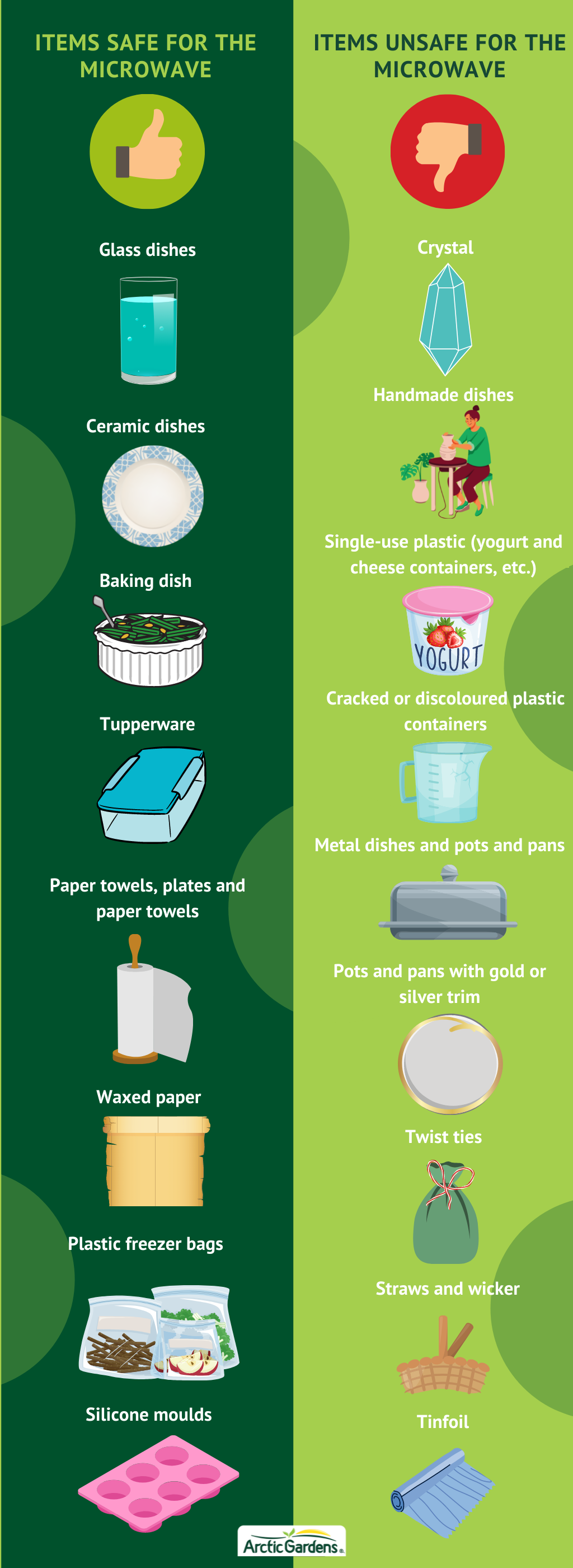
Glass: Borosilicate glass (like Pyrex or Anchor Hocking) and other heat-resistant glass types are excellent for microwave use. They are non-reactive, transmit microwaves efficiently, and can withstand temperature changes. Ensure there are no metallic decorations or glazes.
-
Ceramic: Most ceramic dishes are microwave-safe, provided they are unglazed or have a non-metallic glaze. Unglazed ceramic, pottery, and stoneware are generally safe. Always check for a “microwave-safe” label, as some decorative glazes can contain metal particles that will cause arcing.
-
Specific Plastics: Not all plastics are created equal. Plastics designated “microwave-safe” (often indicated by a symbol of wavy lines or a microwave oven icon) are typically made from polypropylene (PP), polyethylene (PE), or certain specialized polymers. These plastics are engineered to withstand the temperatures achieved during microwaving without melting, warping, or leaching harmful chemicals into food. Always look for the microwave-safe symbol and avoid using single-use plastic containers (like yogurt cups or butter tubs) as they are not designed for repeated heating and can degrade, releasing chemicals. BPA-free plastics are also a preferred choice.
Unsafe Materials: Metals, Styrofoam, and Certain Plastics
Knowing what not to put in the microwave is as crucial as knowing what is safe. Ignoring these warnings can have serious consequences.
-
Metals: Absolutely any form of metal is forbidden in a microwave. This includes aluminum foil, metal containers, dishes with metallic trim (gold or silver leaf), metal utensils, and even twist ties with metal wires. As discussed, metals reflect microwaves, causing arcing and sparks that can damage the magnetron, ignite packaging, or start fires. Even small amounts of metal can be problematic.
-
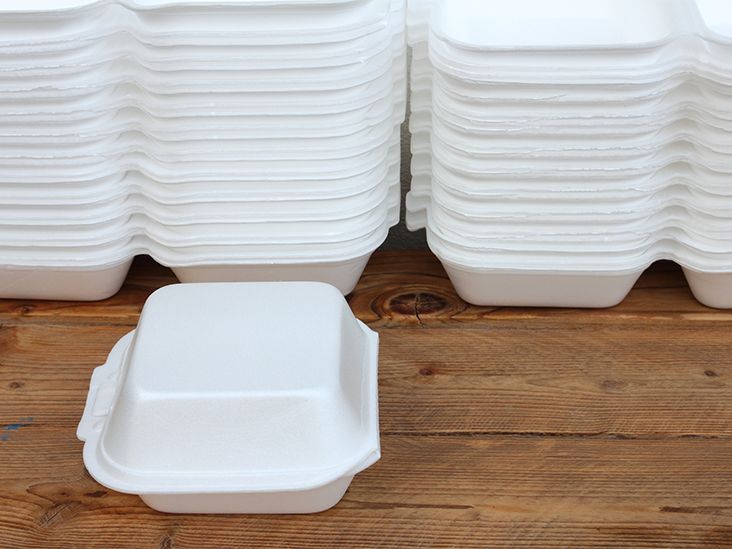
Styrofoam (Polystyrene Foam): While some specific types of Styrofoam containers may carry a “microwave-safe” label, most are not. Styrofoam is a lightweight, insulative plastic that can melt, warp, and release harmful chemicals (like styrene) into food when heated to microwave temperatures. It also contributes to environmental pollution and should generally be avoided for heating food.
-
Certain Plastics: Any plastic container not explicitly labeled “microwave-safe” should be kept out of the microwave. This includes single-use deli containers, margarine tubs, yogurt cups, and non-food storage containers. These plastics are typically made from polyethylene terephthalate (PET) or polyvinyl chloride (PVC), which can melt, deform, or leach phthalates and other endocrine-disrupting chemicals into your food when heated. When in doubt, always err on the side of caution and use glass or ceramic.
Ambiguous Cases and Best Practices
Some materials fall into a gray area or require specific considerations:
-
Paper Products: Paper plates, paper towels, and parchment paper are generally safe for short-term heating, especially for absorbing moisture or preventing splatters. However, always ensure they are plain, unprinted, and free of wax coatings or metallic dyes, which can ignite. Recycled paper products may contain tiny metal fragments and should be used with caution. Do not use brown paper bags or newspapers due to potential chemical leaching or fire risk.
-
Wood: Wooden bowls or utensils are generally not recommended for microwaving. While they don’t typically spark, wood is porous and can dry out, warp, crack, or even catch fire if heated for too long, as the water within the wood superheats.
-
Manufacturer Labels: The ultimate authority on whether an item is microwavable is the manufacturer’s label. Look for the “microwave-safe” symbol, which typically depicts wavy lines or a microwave oven. If no label is present and you are unsure, it’s always safest to transfer food to a known microwave-safe glass or ceramic dish.
-
The Water Test: If you’re unsure about a dish, place it in the microwave with a separate cup of water (to absorb microwaves and prevent damage to the oven). Microwave on high for one minute. If the dish remains cool and the water heats up, the dish is likely microwave-safe. If the dish becomes hot, it’s absorbing microwave energy and is not suitable for microwave use.
By adhering to these guidelines, you can ensure both the safety of your appliance and the integrity of your food.
Beyond Heating: Advanced Microwaving Techniques and Considerations
The microwave’s utility extends far beyond merely reheating leftovers. With a bit of knowledge about advanced techniques, this gadget can become a highly efficient tool for various culinary tasks.
Defrosting and Reheating Strategies
Effective defrosting and reheating are critical for both food quality and safety.
-
Defrosting: The key to successful defrosting is using lower power settings (e.g., 30-50% power) and allowing adequate standing time. Lower power cycles give the heat generated time to conduct through the food, minimizing “cooked edges” while the center remains frozen. Interrupt defrosting cycles to break up ice crystals, separate food items, and flip them. Always finish defrosting in the refrigerator, under cold running water, or by immediately cooking the food to prevent bacterial growth.
-
Reheating: For even reheating, always use a microwave-safe cover (plastic wrap vented, or a lid) to trap steam and promote even heating, while also preventing splatters. Stir food frequently during reheating, especially dense items like stews or casseroles, to redistribute hot and cold spots. Allow for a standing time of a few minutes after heating; residual heat continues to cook the food, ensuring a more uniform internal temperature and reducing the chance of cold centers. Ensure food reaches a safe internal temperature (e.g., 165°F/74°C for leftovers) to eliminate harmful bacteria.
Cooking with Microwaves: From Steaming to Baking (Limited Scope)
While not a substitute for conventional ovens for browning or crisping, microwaves excel at specific cooking methods.
-
Steaming: Microwaves are exceptionally good for steaming vegetables, retaining nutrients and vibrant colors. Place chopped vegetables in a microwave-safe dish with a small amount of water (1-2 tablespoons), cover, and cook until tender-crisp.
-
Baking Potatoes: A quick and efficient way to “bake” potatoes is in the microwave. Pierce the potato several times with a fork, place it on a microwave-safe plate, and microwave until tender, flipping halfway. While the skin won’t be crispy, the interior will be soft and fluffy.
-
Other Applications: Microwaves can melt butter or chocolate, soften cream cheese, toast nuts (with caution), make quick desserts like mug cakes, and even cook eggs. For many recipes, experimenting with power levels and shorter cooking times followed by standing time yields the best results. The absence of browning means certain dishes, like roasted chicken or crisped pastries, are best left to conventional ovens, or require combination ovens that integrate grilling elements.
Optimizing Microwave Performance and Longevity
Proper care and usage can extend the life of your microwave and ensure its continued efficiency.
-
Cleanliness: Regularly clean the interior of your microwave, especially after splatters. Food residue can absorb microwave energy, leading to inefficient heating and unpleasant odors. A simple trick is to microwave a bowl of water with lemon slices for a few minutes; the steam will loosen grime, making it easy to wipe away.
-
Don’t Run Empty: Never operate a microwave oven when it’s empty. Without food or water to absorb the microwave energy, the magnetron can be damaged. Always have something inside, even if it’s just a cup of water, if you’re testing functionality.
-
Ventilation: Ensure the microwave’s vents are not blocked, especially for built-in models. Proper airflow is essential to prevent overheating of the internal components.
-
Recognizing Malfunction: Be alert for unusual noises, sparks (when no metal is present), doors that don’t seal properly, or a distinct burning smell. These can indicate a malfunction that requires professional service and should not be ignored. A well-maintained microwave is a safe and reliable appliance.
The Evolution of Microwave Technology and Future Outlook
The microwave oven has come a long way since its accidental discovery, evolving from a rudimentary heating device into a sophisticated kitchen appliance. Its journey highlights the continuous integration of technology into everyday life.
From Radar to Kitchen Staple: A Brief History of the Microwave Oven
The story of the microwave oven begins in 1945, when Percy Spencer, a self-taught engineer at Raytheon, noticed that a radar magnetron he was working on had melted a chocolate bar in his pocket. Recognizing the potential, Raytheon quickly developed the first commercial microwave oven, the “Radarange,” in 1947. This initial unit was enormous, weighing over 750 pounds and standing 5.5 feet tall, primarily used in industrial kitchens and restaurants. It wasn’t until the 1960s and 70s that smaller, more affordable countertop models became available, leading to widespread adoption in homes globally. The rapid growth of convenience foods further cemented its status as an essential kitchen gadget, revolutionizing how we prepare and consume meals.
Smart Microwaves and Emerging Features
Today’s microwave ovens are far more advanced than their predecessors. Current trends in microwave technology are focused on enhanced precision, convenience, and connectivity:
-
Inverter Technology: Many modern microwaves feature inverter technology, which provides a continuous flow of microwave energy at lower power settings, rather than pulsing full power on and off. This results in more even cooking, better texture retention, and more precise defrosting.
-
Sensor Cooking: Integrated sensors detect the humidity levels released by food during cooking. The microwave then automatically adjusts power levels and cooking times, eliminating guesswork and preventing over or under-cooking.
-
Smart Home Integration: Wi-Fi enabled smart microwaves can be controlled via smartphone apps, allowing users to start, stop, or adjust settings remotely. Some models integrate with voice assistants like Alexa or Google Assistant, offering hands-free operation and access to recipe databases.
-
Combination Ovens: Increasingly popular, combination microwaves integrate other heating elements such as convection fans or grilling coils. This allows them to perform tasks traditionally reserved for conventional ovens, like browning, roasting, and crisping, expanding their versatility significantly.
Energy Efficiency and Environmental Impact
As consumers become more environmentally conscious, the energy efficiency of kitchen appliances is a growing concern. Microwaves are generally very energy-efficient for specific tasks:
-
Faster Cooking Times: For small portions or quick reheating, a microwave uses significantly less energy than a conventional oven, which takes time to preheat and heats a larger cavity.
-
Targeted Heating: Because microwaves primarily heat the food itself, rather than the surrounding air, they are more energy-efficient for water-based items.
-
Considerations: While efficient for rapid tasks, their overall energy consumption varies. Consumers can contribute to reducing their environmental footprint by choosing energy-star rated models, properly maintaining their appliances, and recycling old units responsibly according to local guidelines.
Dispelling Myths and Embracing the Microwave’s Potential
Despite its technological sophistication and widespread use, the microwave oven is still subject to certain misconceptions. Understanding these allows us to fully appreciate its true potential.
Addressing Common Misconceptions (Radiation, Nutrient Loss)
Two prominent myths often circulate about microwave ovens:
-
Myth 1: Microwaves Make Food Radioactive. This is entirely false. Microwave ovens use non-ionizing radiation, which means it has insufficient energy to alter the atomic structure of food, let alone make it radioactive. The microwaves simply excite water molecules, generating heat. Once the microwave is turned off, the radiation ceases to exist. Food cooked in a microwave is no more radioactive than food cooked in a conventional oven.
-
Myth 2: Microwaves Destroy Nutrients in Food. This is also largely untrue. Any cooking method can affect nutrient content, primarily due to heat exposure and leaching into cooking water. In fact, because microwave cooking is often fast and uses minimal water, it can actually preserve more water-soluble vitamins (like Vitamin C and B vitamins) than traditional boiling or stewing. The key factor is the cooking time and amount of liquid, not the method of heating itself. Overcooking in a microwave, just like in any other oven, will reduce nutrient content.

The Microwave as a Versatile Kitchen Gadget
When properly understood and utilized, the microwave oven transforms from a basic reheater into a versatile and invaluable kitchen gadget. It excels at tasks where speed, even heating of liquids, and efficient steaming are paramount. From quickly preparing healthy steamed vegetables and perfectly baked potatoes to rapidly defrosting ingredients for dinner, the microwave saves time and energy. Its role in modern cooking continues to expand, especially with the advent of smart features and combination models that bridge the gap between quick convenience and sophisticated culinary results. By embracing the science behind “what is microwavable” and applying best practices, users can unlock the full, safe, and efficient potential of this remarkable piece of technology.
aViewFromTheCave is a participant in the Amazon Services LLC Associates Program, an affiliate advertising program designed to provide a means for sites to earn advertising fees by advertising and linking to Amazon.com. Amazon, the Amazon logo, AmazonSupply, and the AmazonSupply logo are trademarks of Amazon.com, Inc. or its affiliates. As an Amazon Associate we earn affiliate commissions from qualifying purchases.