
Microsurgery stands as a monumental achievement in medical technology, representing the art and science of performing highly delicate surgical procedures under magnification. Far beyond the capabilities of the naked eye, it enables surgeons to operate on tiny structures such as blood vessels, nerves, and tissues that are often only a few millimeters or even fractions of a millimeter in diameter. This specialized field marries intricate surgical skill with advanced optical and digital technologies, transforming the landscape of reconstructive, neurosurgical, ophthalmic, and many other medical specialties. At its core, microsurgery is a testament to human ingenuity in pushing the boundaries of precision and detail in healing.
The Dawn of Precision: Defining Microsurgery Through Technology
The essence of microsurgery lies in its ability to overcome the limitations of human vision and dexterity. By employing powerful magnification tools and specialized instruments, surgeons can visualize and manipulate minute anatomical structures with unprecedented accuracy. This technological leap has opened doors to procedures once deemed impossible, offering hope and functional restoration to countless patients.
Beyond the Naked Eye: The Core Concept
The fundamental principle driving microsurgery is the use of operating microscopes or high-magnification loupes to enhance visual acuity. This magnification is crucial for identifying and differentiating structures that are indistinguishable to the unaided eye. It allows surgeons to navigate complex anatomical landscapes, such as the delicate network of nerves and blood vessels, with a level of detail necessary for successful reattachment, repair, or reconstruction. The precision afforded by these technological aids minimizes collateral damage to surrounding healthy tissue, leading to better outcomes and faster recovery times.
The Microscopes: Magnification and Illumination Technologies
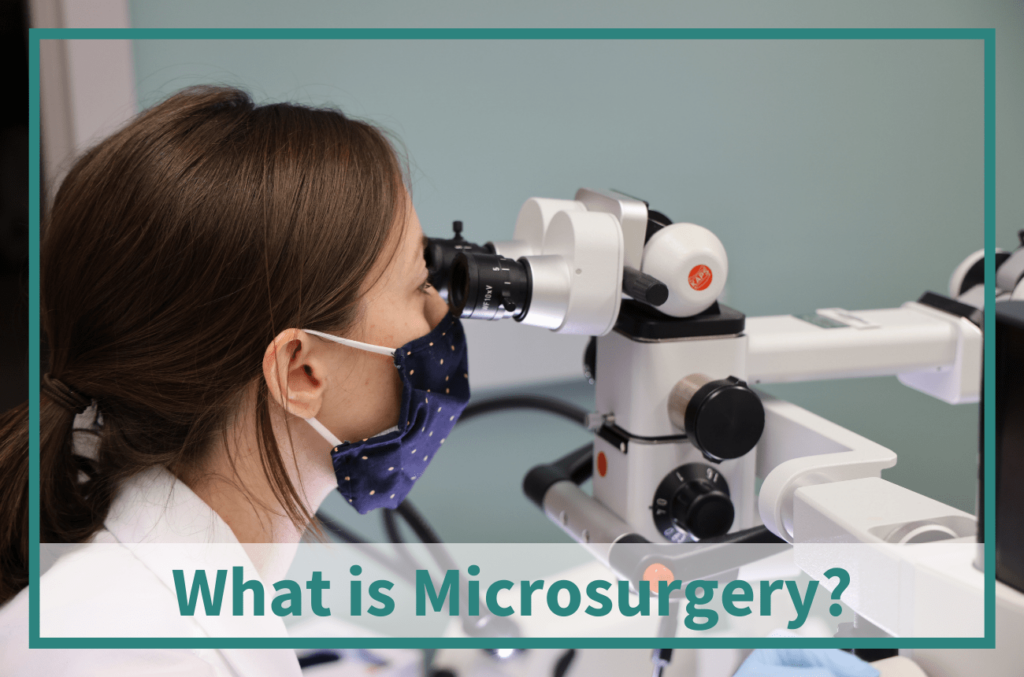
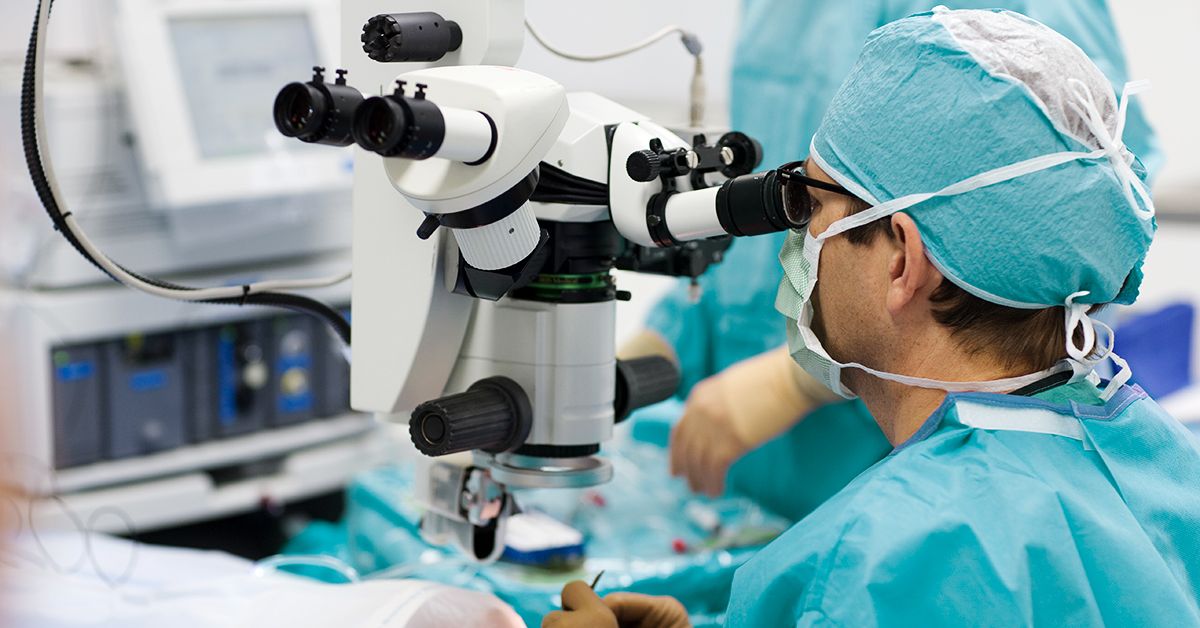
The operating microscope is the centerpiece of microsurgical technology. These sophisticated devices provide binocular vision, allowing surgeons to perceive depth and three-dimensionality, which is critical for fine motor control. Modern surgical microscopes feature variable magnification capabilities, typically ranging from 4x to 40x, though some advanced systems can achieve even higher powers. Beyond simple magnification, these microscopes integrate powerful illumination systems, often employing fiber optics or LED technology, to brightly light the surgical field without casting shadows, ensuring optimal visibility of even the deepest or most occluded areas. The ergonomic design also allows surgeons to maintain comfortable postures during lengthy and demanding procedures, mitigating fatigue.
Evolution of Vision: From Optical to Digital
While traditional optical microscopes remain foundational, the field has witnessed a significant evolution towards digital and hybrid imaging technologies. Modern microscopes often incorporate high-definition cameras that can display the surgical field on large monitors, allowing the entire surgical team to observe the procedure in real-time. This not only aids in training but also facilitates collaboration. Furthermore, digital integration allows for recording, archiving, and live-streaming of surgeries, invaluable for education, peer review, and continuous improvement. Advanced digital processing can also enhance image clarity, contrast, and introduce augmented reality overlays, providing surgeons with additional layers of critical information directly within their field of view.
The Technological Arsenal: Instruments and Equipment
Microsurgery is not just about seeing small; it’s also about working small. The development of specialized micro-instruments, robotic assistance, and advanced imaging has been pivotal in enabling surgeons to translate enhanced vision into precise action. This technological arsenal empowers surgeons to perform tasks requiring millimeter-level manipulation with unwavering stability and control.
Micro-Instruments: Scalpels, Forceps, and Sutures at Millimeter Scale
The tools used in microsurgery are miniature versions of standard surgical instruments, crafted with exquisite precision from high-quality materials like titanium or medical-grade stainless steel. Micro-forceps, for instance, have tips that can be as fine as 0.1 mm, designed for grasping the most delicate tissues or sutures. Micro-scissors are engineered for clean, precise cuts on structures like tiny blood vessels or nerve fascicles. Crucially, the needles and sutures employed are often hair-thin, with diameters ranging from 8-0 to 12-0 (a “12-0” suture being barely visible to the naked eye), requiring extraordinary skill and specialized needle holders for manipulation. The handles of these instruments are often ergonomically designed to be balanced and provide excellent tactile feedback, allowing the surgeon to “feel” the tissues being manipulated despite the magnification.
Robotics and Automation: Enhancing Human Dexterity
The integration of robotics represents a significant technological leap in microsurgery. Robotic surgical systems, such as the da Vinci Surgical System and newer platforms specifically designed for micro-tasks, offer several advantages. They can filter out natural human tremor, provide enhanced dexterity with seven degrees of freedom (surpassing the human wrist), and allow for scaled movements (e.g., a large movement by the surgeon’s hand translates to a tiny, precise movement of the robotic instrument tip). This technology significantly reduces surgeon fatigue during long, complex procedures and can enable operations in confined spaces with unparalleled precision. While still requiring human control, these robotic assistants act as sophisticated interfaces, translating the surgeon’s intent into incredibly fine movements at the surgical site.
Imaging Modalities: Real-time Guidance and Diagnostics
Beyond the primary operating microscope, microsurgery increasingly leverages advanced imaging technologies for real-time guidance and intraoperative diagnostics. Indocyanine green (ICG) angiography, for example, uses a fluorescent dye to visualize blood flow in vessels during surgery, allowing surgeons to assess perfusion and viability of tissues or anastomoses (surgical connections). Optical coherence tomography (OCT) provides high-resolution, cross-sectional imaging of tissue microstructures, particularly valuable in ophthalmology and neurosurgery. Furthermore, integration with pre-operative imaging (MRI, CT) through navigation systems can overlay critical anatomical data onto the live microscopic view, guiding the surgeon through complex anatomical regions and enhancing safety and precision.
Applications Across Medical Specialties: Where Tech Meets Healing
The technological prowess of microsurgery has revolutionized treatment across numerous medical disciplines, offering solutions for complex conditions that were once untreatable or resulted in significant morbidity.
Reconstructive Surgery: Reattaching and Rebuilding with Finesse
Perhaps the most iconic application of microsurgery is in reconstructive procedures, particularly reattachment surgeries (e.g., reattaching severed fingers, limbs, or scalps). Here, microsurgery enables the meticulous repair of tiny blood vessels, nerves, and tendons, restoring both form and function. Free tissue transfer, where tissue (with its blood supply) is harvested from one part of the body and transplanted to another to repair defects (e.g., after cancer removal or trauma), is another cornerstone. This involves connecting arteries and veins, sometimes less than a millimeter in diameter, under the microscope – a procedure that profoundly impacts quality of life.
Ophthalmology: Restoring Sight with Micro-Precision
Ophthalmic microsurgery is crucial for procedures within the delicate structures of the eye. Cataract surgery, corneal transplants, glaucoma surgery, and retinal detachments all rely heavily on microsurgical techniques. The precision required to work on structures like the lens, retina, or optic nerve demands the highest level of magnification and micro-instrumentation to minimize damage and ensure successful visual outcomes. The continuous innovation in ophthalmic surgical equipment, including femtosecond lasers and advanced phacoemulsification devices, constantly refines these sight-restoring procedures.
Neurosurgery: Navigating the Delicate Brain and Spinal Cord
In neurosurgery, the brain and spinal cord represent the ultimate frontier of delicate anatomy. Microsurgery is indispensable for removing tumors, repairing aneurysms, treating vascular malformations, and performing complex spinal procedures. The ability to differentiate between healthy brain tissue and pathology, and to meticulously dissect around vital neural structures, is paramount. Advanced neuro-navigation systems and intraoperative monitoring technologies integrate with microsurgery to ensure maximum resection of disease while preserving neurological function.
Vascular Surgery: Repairing the Body’s Lifelines
Microsurgical techniques are also vital in vascular surgery, especially when dealing with smaller vessels in peripheral limbs or in pediatric cases. The precise anastomosis of blood vessels is critical for maintaining blood flow, preventing ischemia, and ensuring the viability of transplanted tissues or reattached limbs. From bypass grafts for tiny arteries to repairing congenital vascular anomalies, the technological demands for precision are constant.
The Digital Frontier: Innovations and Future Trends
The technological evolution of microsurgery is far from over. The convergence of digital technologies, artificial intelligence, and advanced materials promises even greater precision, accessibility, and transformative patient outcomes.
Augmented Reality (AR) and Virtual Reality (VR) in Training and Planning
AR and VR are rapidly gaining traction in surgical education and pre-operative planning. Surgeons can practice complex microsurgical procedures in highly realistic virtual environments, honing their skills without patient risk. AR overlays can project critical anatomical information, pre-operative scans, or real-time physiological data directly onto the surgical field, providing an “x-ray vision” capability during live surgery, enhancing decision-making and precision.
AI-Powered Diagnostics and Predictive Analytics
Artificial intelligence is poised to play a transformative role. AI algorithms can analyze vast amounts of imaging data to assist in pre-operative diagnosis, tumor segmentation, and even predict potential surgical complications based on patient data. In the operating room, AI could potentially assist in real-time tissue differentiation, instrument tracking, and even semi-autonomous tasks, further enhancing the surgeon’s capabilities and reducing error rates.
Advanced Biomaterials and Nanotechnology Integration
The future of microsurgery will also be shaped by breakthroughs in materials science. Nanotechnology could lead to even finer surgical instruments, drug-delivery systems directly at the surgical site, and bio-scaffolds that promote faster and more effective tissue regeneration. Smart biomaterials that respond to the body’s environment could revolutionize wound healing and implant integration following complex reconstructive procedures.
Tele-Microsurgery: Bridging Distances with Robotics
Tele-microsurgery, enabled by advanced robotics and high-speed networks, holds the promise of extending expert surgical care to remote or underserved areas. A highly skilled surgeon could potentially control robotic instruments in a distant operating room, guided by real-time video and haptic feedback. This technology could democratize access to highly specialized surgical expertise, overcoming geographical barriers and improving global health equity.
The Impact and Challenges of Advanced Surgical Technology
While the technological advancements in microsurgery have profoundly positive impacts, they also bring forth new challenges concerning training, cost, and ethical considerations.
Patient Outcomes: Improved Success Rates and Recovery
The direct benefit of microsurgical technology is undeniably superior patient outcomes. Enhanced precision leads to higher success rates in reattachments, reconstructions, and disease eradication. Less invasive techniques and meticulous tissue handling result in reduced pain, shorter hospital stays, and quicker, more complete functional recovery for patients. The ability to restore complex functions like sensation and motor control after nerve repair is a testament to this impact.
Training and Skill Development: Mastering Complex Tools
The sophistication of microsurgical technology demands an equally high level of training and continuous skill development. Surgeons must not only master traditional surgical techniques but also become proficient in operating complex robotic systems, interpreting advanced imaging, and integrating digital data. Specialized simulation labs, cadaveric training, and structured mentorship programs are crucial for developing the nuanced motor skills and cognitive processing required for effective microsurgery.
Cost and Accessibility: The Economic Equation
Advanced microsurgical equipment, robotic systems, and integrated digital platforms represent significant capital investments for healthcare institutions. This high cost can limit accessibility, particularly in developing regions or smaller medical centers. Efforts to develop more affordable, yet equally effective, technological solutions and to optimize the utilization of existing equipment are ongoing challenges that impact healthcare equity.

Ethical Considerations in Robotic Autonomy
As robotic systems become more autonomous, ethical questions arise regarding decision-making authority, accountability, and the role of human judgment in the operating room. While current systems are teleoperated, the trajectory towards semi-autonomous functions in specific tasks necessitates careful consideration of the ethical frameworks governing surgical robotics to ensure patient safety and maintain human oversight.
Microsurgery is a magnificent intersection of medical science and cutting-edge technology. From the humble operating microscope to sophisticated robotic assistants and AI-driven insights, technological innovation has continuously expanded the horizons of what is surgically possible. It is a field that epitomizes precision, meticulousness, and the unwavering pursuit of restoring health and function, promising an even more refined and impactful future for patient care.
aViewFromTheCave is a participant in the Amazon Services LLC Associates Program, an affiliate advertising program designed to provide a means for sites to earn advertising fees by advertising and linking to Amazon.com. Amazon, the Amazon logo, AmazonSupply, and the AmazonSupply logo are trademarks of Amazon.com, Inc. or its affiliates. As an Amazon Associate we earn affiliate commissions from qualifying purchases.