
The question “what is Michael Myers’ motive?” has haunted audiences for over four decades, becoming a fundamental part of the horror icon’s mystique and a cornerstone of the Halloween franchise’s brand identity. Far from being a mere narrative detail, the ambiguity and occasional redefinition of Myers’ motivations offer a compelling case study in brand strategy, character development, and the long-term management of a significant intellectual property within the entertainment industry. The deliberate cultivation of his inscrutable nature has not only shaped his persona as “The Shape” but has also directly influenced the enduring appeal and marketability of the entire Halloween brand.
The Strategic Ambiguity: Crafting a Brand of Inscrutability
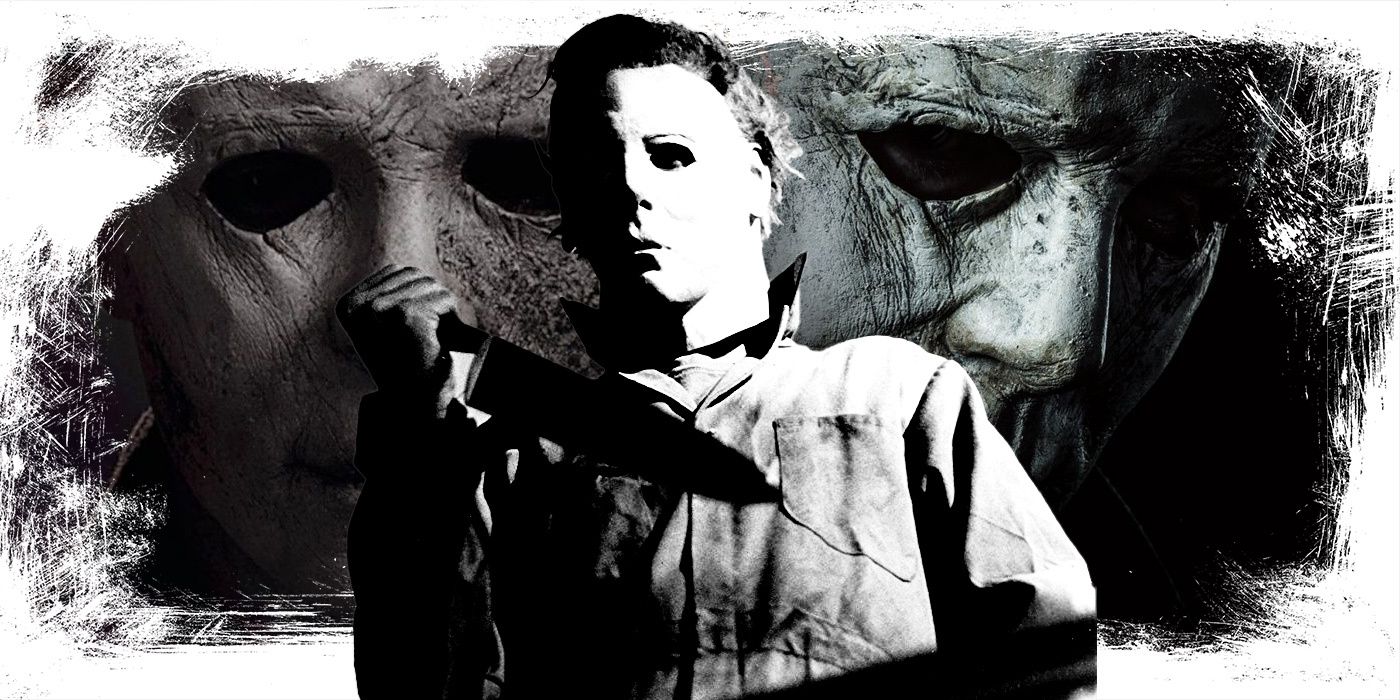
From his inaugural appearance in John Carpenter’s 1978 original, Michael Myers was intentionally devoid of a clear, relatable motive. Dr. Loomis famously describes him as “pure evil,” “the embodiment of evil,” and “the boogeyman.” This lack of a conventional antagonist’s backstory or psychological driver was a radical departure from many horror villains of the time and became a defining characteristic that elevated Myers beyond a mere slasher to an almost mythological entity. This strategic ambiguity was not a narrative oversight but a deliberate branding choice that imbued the character with immense power and longevity.
Establishing the Brand’s Core Mystery
The initial Halloween film positioned Michael Myers not as a disturbed individual with a tragic past or a specific vendetta, but as an elemental force. His motive wasn’t revenge, lust, or a desire for wealth; it was simply to kill. This lack of explanation forced audiences to project their own fears and interpretations onto him, making him more terrifying because he was unknowable. This “brand of unknowability” ensured that Myers wasn’t just another cinematic villain but a potent symbol of dread. It created a blank canvas for terror, allowing the brand to tap into primal anxieties about random, unprovoked violence.
The Power of the Unknown in Brand Longevity
In an entertainment landscape increasingly saturated with detailed backstories and complex character arcs, the Michael Myers brand initially thrived on its simplicity and mystery. This enduring question of “why?” served as a constant hook, inviting repeated engagement from audiences and critics alike. Much like a classic logo that remains instantly recognizable despite minimal detail, Myers’ simple, mask-clad figure and silent, relentless pursuit became iconic precisely because his internal world was left to the imagination. This branding decision has allowed the character to transcend specific plots and remain relevant across generations, making the Halloween brand synonymous with essential, unadulterated horror.
Consumer Engagement Through Interpretive Space
The ambiguity of Myers’ motive actively engages the audience, transforming them from passive viewers into active interpreters. Fans continually debate theories, dissecting every frame for clues or creating their own explanations. This communal engagement is invaluable for any brand, fostering a loyal community that feels invested in the narrative. By leaving a significant “interpretive space,” the Halloween brand empowered its audience, ensuring that the conversation around Michael Myers—and thus the franchise itself—never truly ceased. This organic, fan-driven engagement is a powerful marketing tool that no amount of traditional advertising can replicate.
Evolving Brand Narratives and Character Identity
While the initial success of the Michael Myers brand stemmed from his undefined evil, the pressures of a long-running franchise inevitably led to attempts at further explanation. These efforts to unpack his motive, however, often highlighted the delicate balance between expanding a brand’s lore and diluting its core identity.
Early Brand Foundations: The Shape of Evil
In the early sequels, the brand’s foundation of pure, motiveless evil began to shift. Halloween II introduced the revelation that Laurie Strode was Michael’s sister, providing a specific, albeit still primal, reason for his fixation. This established a familial link, subtly altering the brand from an indiscriminate force of evil to a more targeted, albeit still relentless, killer. While offering a concrete, albeit disturbing, logic, this move initiated a long-standing debate among fans about whether defining his motive diminished his impact.
Deviations and Revisions: Exploring/Rejecting Specific Motives
Later iterations of the Halloween brand ventured even further into explaining Myers’ pathology. Halloween: The Curse of Michael Myers introduced the “Curse of Thorn,” a supernatural explanation rooted in an ancient Druid curse compelling him to kill his family members. This was a significant departure, attempting to ground his evil in mystical ritual rather than intrinsic malevolence. From a branding perspective, this complex lore was largely seen as a misstep, complicating the character without enhancing his terrifying presence. It moved too far from the original, effective “boogeyman” brand, alienating a segment of the fan base that preferred his simpler, unexplainable horror. Similarly, Rob Zombie’s reboots delved deeply into Myers’ traumatic childhood and psychological development, aiming to provide a humanized, if still monstrous, explanation for his actions. While offering a different take, this explicit exploration of his psyche was perceived by many as stripping away the very mystery that made the character an iconic brand.
Retaining Brand Essence Across Reboots

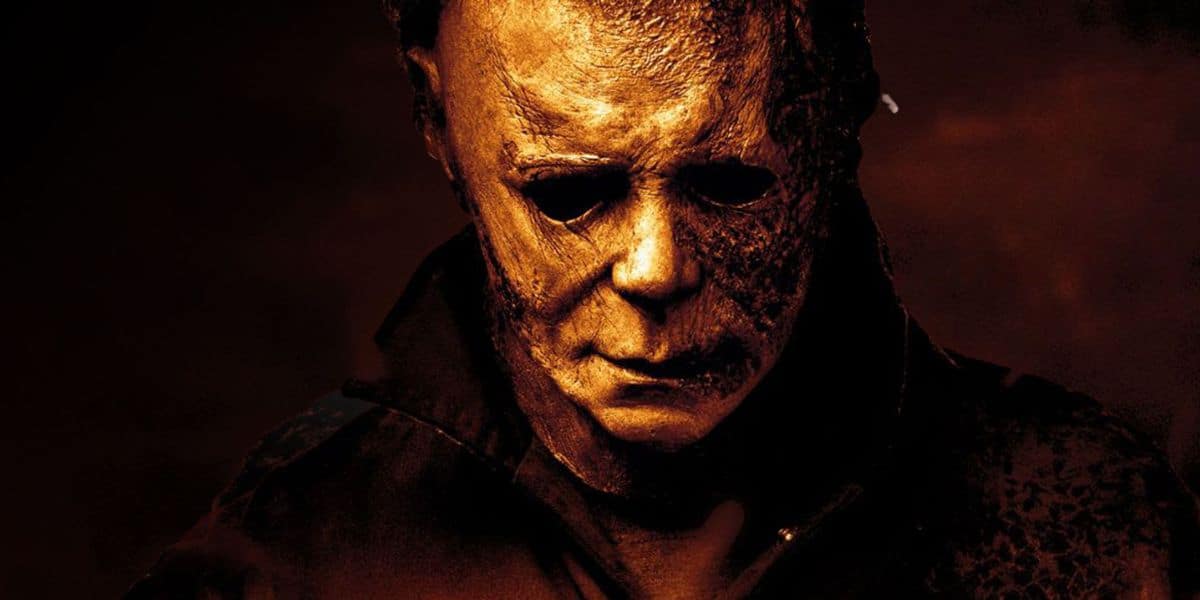
The most recent trilogy, beginning in 2018, meticulously returned to the original brand essence. It explicitly retconned all previous sequels, re-establishing Myers as a pure, inexplicable force of evil with no discernible motive beyond an instinct to kill. This strategic decision was a powerful affirmation of the original brand identity. It demonstrated an acute understanding of what made Michael Myers resonate with audiences: his unyielding, silent, and enigmatic presence. By discarding the complex backstories, the brand managers for the modern Halloween films effectively streamlined the product, returning to the core offering that proved most successful and terrifying. This strategic “back to basics” approach revitalized the franchise and reaffirmed Michael Myers’ status as a paramount horror figure.
Michael Myers as a Brand Pillar: Impact on Franchise Value
The deliberate crafting of Michael Myers’ motive (or lack thereof) has profoundly impacted the value and longevity of the entire Halloween franchise. He is not just a character; he is the central brand pillar around which all other elements revolve.
The “Brand” of Pure Evil: Consistency and Recognition
Michael Myers’ consistent portrayal as an unstoppable, silent force of evil has cultivated a strong, recognizable brand. His iconic mask, boiler suit, and kitchen knife are instantly identifiable. More importantly, his underlying character brand—that of the relentless, motiveless killer—provides a consistent consumer expectation. Audiences know what they are getting with a Michael Myers film: pure, unadulterated terror driven by an unknowable force. This consistency builds trust and recognition, essential elements for any successful brand in a competitive market.
Driving Franchise Longevity and Market Appeal
The enduring mystery and iconic status of Michael Myers are primary drivers of the Halloween franchise’s remarkable longevity. Each new film, whether a sequel or a reboot, taps into this well-established brand, leveraging the character’s legacy to generate interest and box office revenue. The periodic attempts to answer “what is Michael Myers’ motive?” (and subsequent rejections of those answers) act as cyclical brand refreshes, keeping the character and franchise relevant. The discussions and debates among fans about his nature also contribute to sustained market appeal, creating continuous buzz around the brand.
Licensing, Merchandise, and Transmedia Storytelling
Beyond films, the Michael Myers brand extends into a vast array of merchandise, from masks and costumes to collectibles and video games. His image and the core tenets of his character (the mystery, the evil, the relentlessness) are easily transferable across different media. The ambiguity of his motive ensures he remains a versatile icon, adaptable to various marketing campaigns and product lines. This robust transmedia presence is a testament to the strength and adaptability of the Michael Myers brand, proving that a compelling character identity, even a minimalist one, can be a powerful engine for commercial success.
Lessons in Brand Building from Haddonfield’s Boogeyman
The complex journey of defining (or refusing to define) Michael Myers’ motive offers invaluable lessons for brand strategists in any industry.
The Value of a Strong, Recognizable Identity
Michael Myers’ success underscores the importance of a clear, strong brand identity. Whether that identity is built on transparency or deliberate ambiguity, consistency is key. His silent, unyielding nature, combined with his iconic visual design, created an identity that is both powerful and instantly recognizable, serving as the bedrock for the entire Halloween brand.
Managing Narrative Continuity and Brand Evolution
The Halloween franchise’s experience demonstrates the delicate balance between evolving a brand and preserving its core essence. While innovation and new narratives can keep a brand fresh, deviating too far from what made it successful can dilute its impact. The most successful modern iterations understood the power of returning to Michael’s original, motiveless terror, showcasing that sometimes, the most effective brand strategy is to reinforce the foundational principles that captured consumer attention in the first place.
Cultivating a Dedicated Fan Base
By allowing for interpretive space and fostering ongoing discussion about Michael Myers’ true nature, the Halloween brand has cultivated an incredibly loyal and engaged fan base. This community actively participates in the brand’s narrative, debating its intricacies and celebrating its enduring power. For any brand, building such a dedicated following is paramount, as these loyalists become powerful advocates and ensure long-term viability and cultural relevance. The mystery of Michael Myers’ motive, therefore, isn’t just a plot device; it’s a masterful stroke of brand strategy, proving that sometimes, what you don’t say is more powerful than what you do.
aViewFromTheCave is a participant in the Amazon Services LLC Associates Program, an affiliate advertising program designed to provide a means for sites to earn advertising fees by advertising and linking to Amazon.com. Amazon, the Amazon logo, AmazonSupply, and the AmazonSupply logo are trademarks of Amazon.com, Inc. or its affiliates. As an Amazon Associate we earn affiliate commissions from qualifying purchases.