
Methacholine, a synthetic cholinergic agonist, is a pharmaceutical compound primarily recognized for its critical role in diagnosing bronchial hyperresponsiveness, a hallmark of asthma. While its chemical properties and physiological effects are central to its medical application, understanding “what is methacholine” from a financial and market perspective reveals its significant economic footprint within the global healthcare landscape. This compound, and the diagnostic procedures it enables, represent a specific market segment with its own cost structures, investment opportunities, and implications for healthcare systems and patients alike.
The Economic Footprint of Respiratory Diagnostics
The prevalence of respiratory conditions, particularly asthma, continues to rise globally, creating an ongoing demand for accurate and timely diagnostic tools. Methacholine plays a pivotal role here, offering a standardized method for assessing airway sensitivity. The economic value of methacholine is therefore intrinsically linked to the market for asthma diagnostics, a sector influenced by demographic shifts, environmental factors, and advancements in medical science.
Methacholine’s Position in the Asthma Diagnosis Market
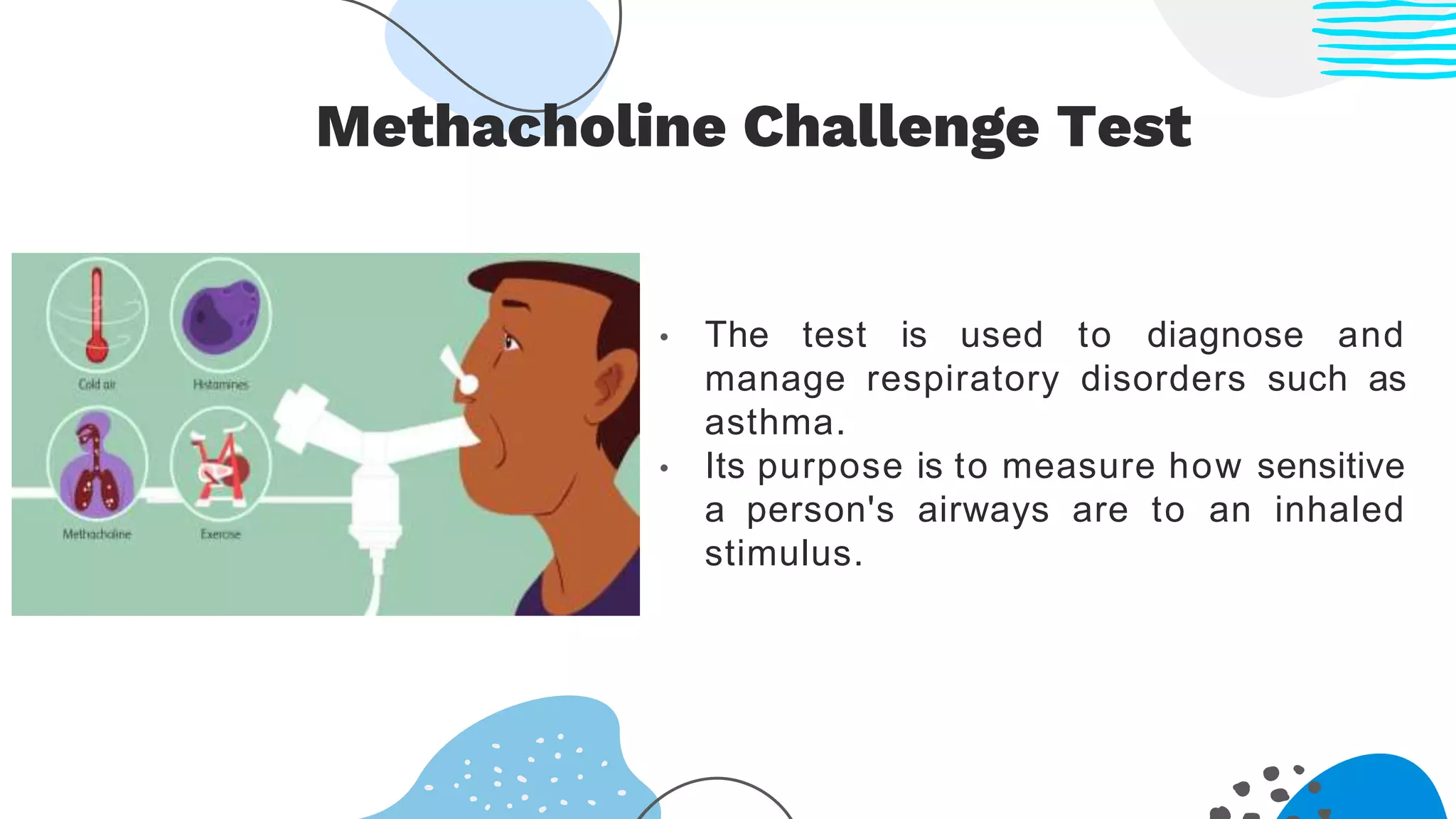
Asthma affects hundreds of millions worldwide, imposing substantial economic burdens through healthcare costs, lost productivity, and diminished quality of life. Accurate diagnosis is crucial for effective management, preventing exacerbations, and minimizing long-term healthcare expenditures. The methacholine challenge test (MCT), using inhaled methacholine, is a provocative diagnostic procedure designed to objectively measure airway hyperresponsiveness. It provides quantifiable data that can help differentiate asthma from other respiratory conditions, guide treatment decisions, and monitor disease progression.
From a market standpoint, the MCT represents a segment within the broader respiratory diagnostics market. This market includes spirometry equipment, peak flow meters, fractional exhaled nitric oxide (FeNO) measurements, and other specialized tests. While some of these tools offer complementary information, the MCT stands out for its specific ability to induce bronchoconstriction in hyperresponsive airways, making it a definitive diagnostic tool in many clinical scenarios. The demand for methacholine is directly proportional to the number of MCTs performed globally, which is driven by asthma prevalence, physician referral patterns, and healthcare accessibility.
The Cost Structure of Methacholine Challenge Testing
Analyzing the economics of the MCT involves assessing various cost components, from the raw pharmaceutical ingredient to the complete diagnostic procedure. Understanding these costs is crucial for healthcare providers, policymakers, and investors.
- Cost of Methacholine Product: The methacholine itself is produced by specialized pharmaceutical manufacturers. Its cost can vary based on purity, formulation (e.g., powder for reconstitution, nebulized solution), packaging, and supplier. While the per-dose cost of the compound might appear modest, economies of scale in production and global distribution networks influence its wholesale price. Manufacturers invest in quality control, regulatory compliance (e.g., FDA, EMA approvals), and supply chain management, all of which contribute to the final product cost.
- Equipment and Facility Costs: Performing an MCT requires specialized equipment, primarily a spirometer to measure lung function and a nebulizer to administer the methacholine. Spirometers range from portable devices to sophisticated hospital-grade systems, each with varying acquisition, maintenance, and calibration costs. Facilities must also allocate space, ensure proper ventilation, and maintain emergency protocols, all incurring overhead expenses.
- Personnel Costs: Highly trained healthcare professionals, including pulmonologists, respiratory therapists, and nurses, are required to administer the test, monitor patients for adverse reactions, and interpret results. Their salaries, benefits, and ongoing training represent a significant portion of the overall cost. The labor intensity of the MCT, with its sequential dose administration and close patient monitoring, contributes significantly to this component.
- Reimbursement and Insurance Dynamics: For healthcare providers, the ability to recoup costs and generate revenue from MCTs depends on reimbursement rates set by government payers (e.g., Medicare, Medicaid) and private insurance companies. These rates are determined through complex negotiations and coding systems (e.g., CPT codes in the US). Variances in reimbursement policies across different regions and insurance plans can significantly impact the financial viability of offering MCTs, influencing access for patients and investment decisions for clinics.
- Cost-Effectiveness and Clinical Value: While MCTs incur direct costs, their ability to provide an accurate diagnosis can lead to significant long-term savings. Early and precise asthma diagnosis enables appropriate treatment initiation, reducing emergency room visits, hospitalizations, and the costs associated with poorly controlled asthma. From a societal perspective, the cost-effectiveness of methacholine testing is evaluated against its contribution to improved patient outcomes and reduced overall healthcare burden.
Investment Opportunities in Respiratory Pharma and Diagnostics
The stable demand for asthma diagnostics and the essential role of methacholine present compelling investment opportunities within the pharmaceutical and medical device sectors. Investors look at companies involved in the production of methacholine, spirometry equipment, and related software solutions.
Key Players and Market Share
Several pharmaceutical companies produce and distribute methacholine, often as part of a broader portfolio of respiratory medications and diagnostic agents. Identifying these companies, analyzing their financial performance, market share, and research and development (R&D) pipelines is crucial for investors. Similarly, companies specializing in respiratory function testing equipment (spirometers, nebulizers) are integral to the methacholine market ecosystem. Consolidation, mergers, and acquisitions within this space are common as companies seek to expand their product offerings and geographical reach. Growth in emerging markets, coupled with increasing healthcare infrastructure, also presents opportunities for market penetration.
Market Trends and Future Growth Drivers

The respiratory diagnostics market is characterized by several key trends:
- Rising Disease Prevalence: The increasing incidence of asthma and other chronic respiratory diseases globally ensures a sustained demand for diagnostic tools.
- Technological Advancements: While methacholine itself is a well-established compound, innovations in spirometry technology, nebulizer efficiency, and digital health platforms that integrate diagnostic data are continually evolving. Investment in companies at the forefront of these innovations can yield significant returns.
- Aging Population: An aging global population often experiences a higher incidence of chronic conditions, including respiratory issues, further driving demand.
- Personalized Medicine: The push towards personalized medicine means more precise diagnostics are needed to tailor treatments. Methacholine, with its objective measure of airway hyperresponsiveness, fits well into this paradigm, supporting targeted therapeutic strategies.
However, challenges also exist, including competition from alternative diagnostic methods, pricing pressures from healthcare payers, and stringent regulatory requirements for new medical products. Companies that can demonstrate superior cost-effectiveness, clinical utility, and efficient supply chain management are best positioned for long-term financial success.
Healthcare System Costs and Patient Financial Impact
Beyond the immediate market for methacholine and related products, its use has broader financial implications for national healthcare systems and individual patients.
Impact on Healthcare Budgets
Healthcare systems constantly grapple with budget constraints while striving to provide high-quality care. Diagnostic tests like the MCT contribute to overall healthcare expenditure. However, their strategic deployment can lead to significant savings by preventing more expensive interventions down the line. Investing in accurate diagnosis helps shift spending from reactive emergency care to proactive disease management, which is generally more cost-effective. Policymakers often evaluate the balance between diagnostic costs and potential future treatment savings when developing healthcare policies and coverage guidelines.
Patient Out-of-Pocket Expenses and Access
For individual patients, the financial burden of an MCT can vary widely based on their insurance coverage, deductibles, co-pays, and whether they are treated within public or private healthcare systems. High out-of-pocket expenses can act as a barrier to diagnosis and treatment, particularly for underserved populations. Advocates for healthcare access emphasize the importance of affordable diagnostic services to ensure equitable care. Understanding these patient-level financial impacts is critical for healthcare providers and policymakers aiming to improve public health outcomes. Financial tools and assistance programs can sometimes mitigate these burdens, ensuring that essential diagnostics like the MCT are accessible to all who need them.
Regulatory and Reimbursement Frameworks in Detail
The journey of any pharmaceutical product, including methacholine, from development to widespread clinical use is heavily influenced by regulatory bodies and reimbursement policies, both of which have significant financial implications.
Navigating Approvals and Pricing Strategies
Pharmaceutical manufacturers must navigate complex regulatory pathways (e.g., FDA in the US, EMA in Europe) to obtain approval for their products. This involves extensive clinical trials, quality assurance protocols, and detailed documentation, all of which incur substantial R&D costs. Once approved, pricing strategies for methacholine are influenced by several factors: the cost of goods, market demand, competitor pricing, and the perceived clinical value. In many regions, government agencies or national health systems play a direct role in negotiating drug prices, aiming to balance affordability with manufacturer profitability and innovation incentives.

The Role of Insurance Coverage and Payment Models
Reimbursement for diagnostic procedures like the MCT is dictated by specific medical billing codes and the payment models adopted by insurance providers and national health services. These models can range from fee-for-service, where providers are paid for each service rendered, to bundled payments or capitation, where a fixed amount is paid for a broader set of services. These models significantly impact how healthcare providers factor the cost of methacholine and its administration into their financial planning and service delivery. Changes in these frameworks, such as shifts towards value-based care, can alter the financial incentives surrounding diagnostic testing and potentially influence the adoption and accessibility of MCTs.
In summary, while methacholine is fundamentally a medical compound, its journey from chemical synthesis to patient diagnosis is deeply interwoven with financial markets, business strategies, and healthcare economics. Understanding its role involves appreciating not only its medical utility but also its profound impact on investment, healthcare budgeting, and patient access within the global respiratory health sector.
aViewFromTheCave is a participant in the Amazon Services LLC Associates Program, an affiliate advertising program designed to provide a means for sites to earn advertising fees by advertising and linking to Amazon.com. Amazon, the Amazon logo, AmazonSupply, and the AmazonSupply logo are trademarks of Amazon.com, Inc. or its affiliates. As an Amazon Associate we earn affiliate commissions from qualifying purchases.