
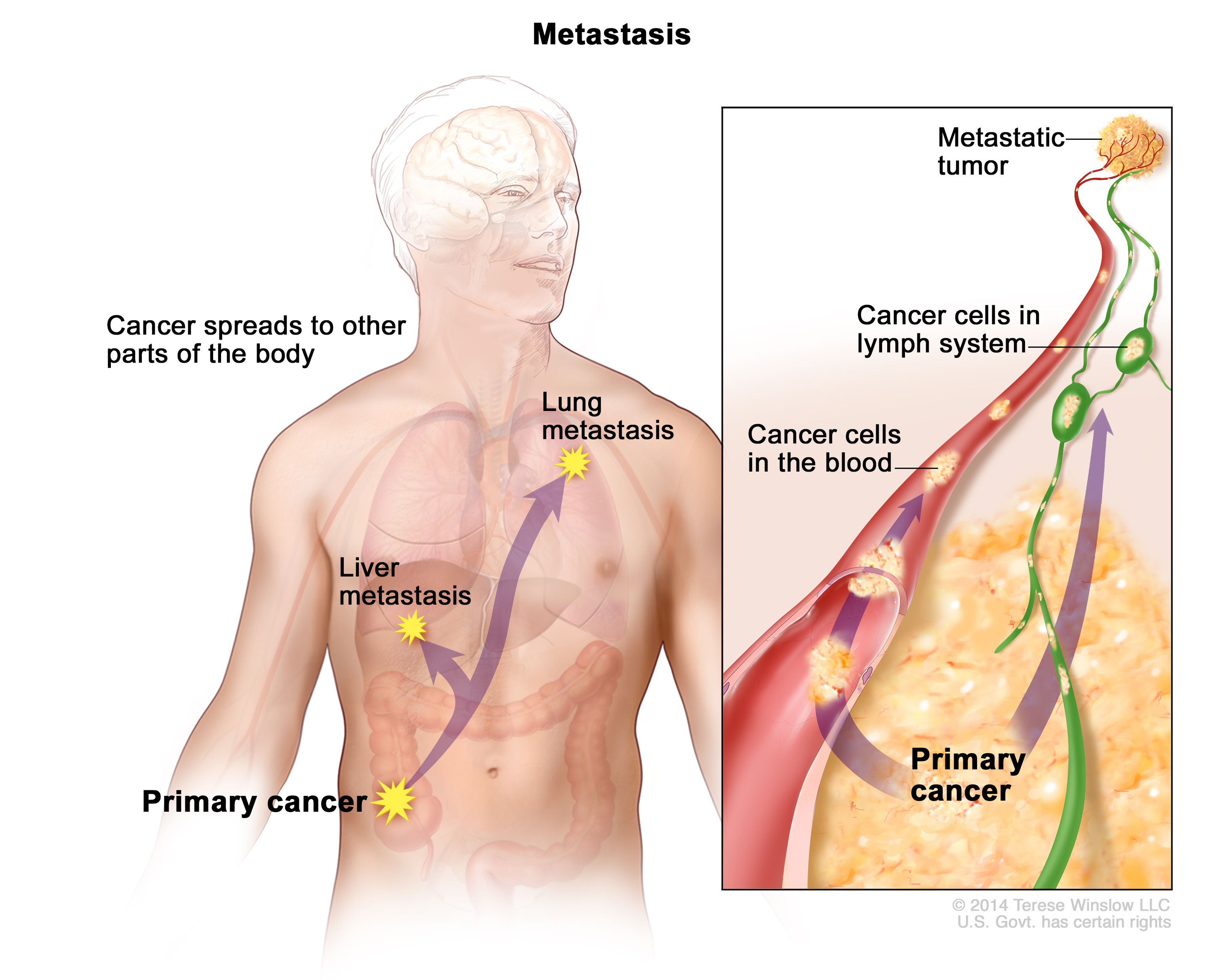
Metastatic lung cancer, also known as Stage IV lung cancer, occurs when malignant cells spread from the lungs to distant parts of the body, such as the brain, liver, or bones. Historically, this diagnosis was viewed through a purely clinical lens, often associated with a grim prognosis and limited intervention options. However, in the modern era, the narrative surrounding “what is metastatic lung cancer” is being fundamentally rewritten not by medicine alone, but by a sophisticated convergence of technology, software, and data science. From artificial intelligence (AI) in radiology to the precision of genomic sequencing, the tech industry is providing the tools necessary to transform a terminal diagnosis into a manageable chronic condition.

The AI Revolution in Early Detection and Imaging Analysis
The most critical factor in managing metastatic lung cancer is the speed and accuracy of detection. Digital imaging technologies have evolved from basic X-rays to high-resolution CT and PET scans, but the real breakthrough lies in the software used to interpret these images.
AI-Powered Imaging: Beyond the Human Eye
Artificial Intelligence, specifically computer vision and deep learning algorithms, is now capable of identifying micro-metastases that are often invisible to the naked eye. In a traditional clinical setting, a radiologist may review hundreds of slices of a chest scan. AI software, trained on millions of historical images, can flag anomalies with a degree of sensitivity that significantly reduces false negatives. By integrating these AI tools into hospital ecosystems, tech developers are helping clinicians identify the spread of cancer earlier, allowing for more aggressive and targeted technological interventions.
Predictive Analytics and Progression Mapping
Beyond mere detection, machine learning models are being utilized to predict the “pathway” of metastasis. By analyzing historical patient data and real-time imaging, predictive software can estimate which organs are most at risk of secondary tumors. This proactive approach allows for preventive monitoring of the brain or skeletal system, effectively using data as a shield against the sudden complications often associated with late-stage lung cancer.
Precision Medicine: The Role of Genomic Sequencing and Bioinformatics
When we ask “what is metastatic lung cancer” in a technological context, the answer lies in the genetic code. No two metastatic cancers are identical at the molecular level. This reality has birthed the field of precision medicine, which relies heavily on high-throughput hardware and complex bioinformatics software.
Next-Generation Sequencing (NGS) Platforms
The backbone of modern oncology tech is Next-Generation Sequencing (NGS). These machines are capable of sequencing a patient’s entire genome or specific tumor panels in a matter of hours. The “tech” here is twofold: the physical hardware that handles the chemistry of sequencing and the cloud-based software that processes the massive datasets generated. By identifying specific mutations—such as EGFR, ALK, or ROS1—technology enables the creation of a digital “fingerprint” of the cancer.
Software-Driven Targeted Therapies
Once a genomic profile is established, sophisticated databases and matching algorithms are used to pair patients with specific targeted therapies. This is a far cry from the “one-size-fits-all” approach of traditional chemotherapy. Digital platforms now aggregate data from global clinical trials, using AI to match a patient’s unique genetic markers with the most effective drug molecules currently available. This digital matchmaking is significantly increasing the efficacy of treatments while reducing unnecessary side effects.
The Internet of Medical Things (IoMT) and Remote Patient Monitoring

For those living with metastatic lung cancer, the burden of frequent hospital visits can be taxing. The Internet of Medical Things (IoMT) is bridging the gap between the clinic and the home, ensuring that patients are monitored continuously through a network of connected devices.
Wearable Tech and Real-Time Data Streams
Modern wearables have moved far beyond simple step-counting. Specialized medical-grade sensors can now track oxygen saturation (SpO2), heart rate variability, and respiratory patterns in real-time. For a patient with lung cancer, a sudden drop in oxygen levels or an irregular heart rate can be an early warning sign of pulmonary distress or treatment complications. This data is streamed directly to a central monitoring software used by the medical team, allowing for “virtual wards” where intervention happens the moment a digital threshold is crossed.
Telemedicine and Virtual Care Ecosystems
The software infrastructure supporting telemedicine has become more robust, integrating high-definition video, secure messaging, and digital health records into a single interface. For metastatic patients, this means access to world-class oncologists regardless of geographical location. Digital health platforms allow for the seamless sharing of massive imaging files and genomic reports, fostering a collaborative tech environment where a specialist in New York can consult on a case in rural Asia in real-time.
Digital Security and Ethical Considerations in Oncology Tech
As the management of metastatic lung cancer becomes increasingly digitized, the focus on the “tech stack” must include a rigorous examination of digital security and the ethical implications of AI-driven care.
Safeguarding Sensitive Health Data
The data generated by genomic sequencing and continuous monitoring is incredibly sensitive. As oncology moves to the cloud, cybersecurity becomes a primary concern. Healthtech companies are now employing advanced encryption protocols and blockchain technology to ensure that a patient’s genetic blueprint and diagnostic images are protected from breaches. Ensuring HIPAA compliance and international data protection standards is no longer just a legal requirement; it is a fundamental component of the technology’s reliability.
The Ethical Integration of AI in Clinical Decision-Making
As we rely more on algorithms to determine treatment paths for metastatic lung cancer, the tech industry faces the challenge of “black box” AI. It is essential that the software remains transparent and that the final decision rests with the human clinician. Tech developers are currently working on “Explainable AI” (XAI)—tools that not only provide a recommendation but also map out the logical steps and data points used to reach that conclusion. This transparency is vital for maintaining trust between the technology, the physician, and the patient.
The Future: Liquid Biopsies and Computational Oncology
The horizon of metastatic lung cancer technology is dominated by the concept of “computational oncology.” This field seeks to create a “digital twin” of a patient—a virtual model that can be used to simulate how a specific tumor will react to various technological interventions before they are applied in the real world.
Furthermore, the rise of “liquid biopsy” technology—detecting circulating tumor DNA (ctDNA) in a simple blood draw—is being powered by ultra-sensitive digital sensors and signal-processing software. This tech promises a future where the progression of metastatic cancer is monitored not through invasive biopsies or radiation-heavy scans, but through a constant, digital stream of molecular data.
In conclusion, understanding “what is metastatic lung cancer” today requires an understanding of the vast technological ecosystem supporting the patient. From the AI that spots the first sign of spread to the genomic software that tailors the cure, and the IoMT devices that guard the patient’s daily life, technology has become the most powerful weapon in the oncological arsenal. As these tools continue to evolve, the focus shifts from merely treating a disease to digitally managing a complex biological system, offering hope and precision in a field where it was once most needed.
aViewFromTheCave is a participant in the Amazon Services LLC Associates Program, an affiliate advertising program designed to provide a means for sites to earn advertising fees by advertising and linking to Amazon.com. Amazon, the Amazon logo, AmazonSupply, and the AmazonSupply logo are trademarks of Amazon.com, Inc. or its affiliates. As an Amazon Associate we earn affiliate commissions from qualifying purchases.