
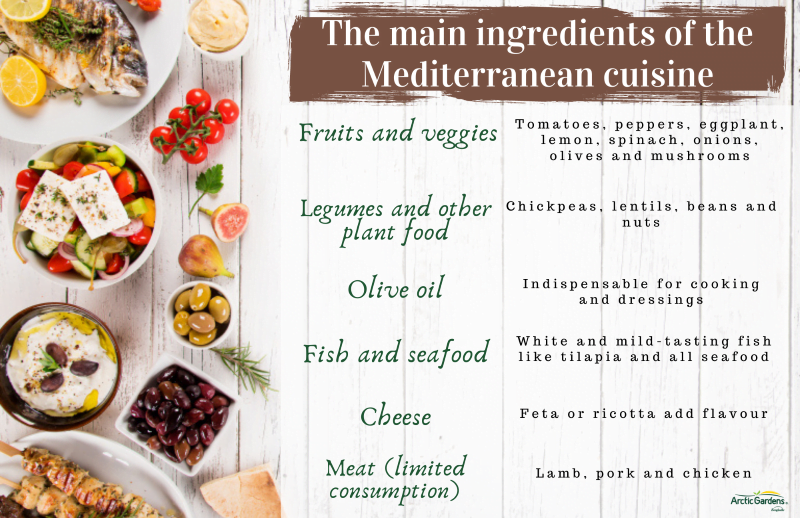
Mediterranean cuisine is far more than a collection of recipes; it is a global phenomenon that has successfully cultivated a powerful and enduring brand identity. Spanning diverse cultures, geographies, and historical traditions, this culinary style has transcended its origins to become a highly coveted lifestyle brand, synonymous with health, vitality, and a certain joie de vivre. Understanding “what is Mediterranean cuisine” fundamentally requires an appreciation of its sophisticated brand architecture—from its core pillars and emotional resonance to its global recognition and strategic market positioning.
At its heart, the Mediterranean brand evokes images of sun-drenched landscapes, vibrant markets, and shared meals with family and friends. It’s a brand built not just on ingredients, but on an entire way of life, promising not just nourishment but an enriched experience. This article dissects the brand elements that have elevated Mediterranean cuisine from a regional diet to a universally recognized and celebrated global brand.
The Brand Identity of Mediterranean Cuisine
A successful brand is defined by its core identity—what it stands for, what it promises, and how it is perceived. Mediterranean cuisine possesses a remarkably coherent and compelling brand identity, built on foundational principles that resonate deeply with consumers worldwide. This identity is not a manufactured construct but has evolved organically from centuries of culinary practice and cultural values, giving it an unparalleled authenticity that modern brands often strive to emulate.
Core Pillars of its Brand Promise: Freshness, Health, Simplicity
The foundational promise of the Mediterranean cuisine brand is built upon three unwavering pillars: freshness, health, and simplicity. These attributes form the bedrock of its brand messaging and are consistently communicated through every dish, ingredient, and cultural association.
-
Freshness: The brand is intrinsically linked to the concept of fresh, seasonal, and locally sourced ingredients. Think sun-ripened tomatoes, crisp greens, freshly caught seafood, and just-harvested olives. This emphasis on freshness isn’t merely a culinary preference; it’s a core brand value that promises vibrant flavors and superior quality. For consumers, it signifies a connection to nature and a departure from processed foods, reinforcing a sense of purity and natural goodness.
-
Health: Perhaps the most potent brand differentiator, the “health halo” surrounding Mediterranean cuisine is immense. Backed by extensive scientific research, its association with longevity, heart health, and reduced risk of chronic diseases is a powerful selling proposition. This health benefit is not an add-on; it’s woven into the very fabric of the brand, making it an aspirational choice for wellness-conscious consumers. The brand promises not just a meal, but an investment in one’s well-being, leveraging its reputation as one of the world’s healthiest diets.
-
Simplicity: Despite its rich flavors and sophisticated palate, the Mediterranean brand champions simplicity in preparation and presentation. It eschews elaborate techniques and heavy sauces in favor of allowing high-quality ingredients to shine. This simplicity communicates accessibility, authenticity, and an unpretentious approach to dining. It makes the brand approachable, suggesting that a healthy, delicious meal doesn’t require culinary acrobatics but rather a thoughtful selection of good ingredients.
Visual and Sensory Branding: Colors, Flavors, Aromas
Beyond its conceptual pillars, the Mediterranean brand boasts a rich tapestry of sensory attributes that form its distinctive visual and olfactory identity. These elements are critical in creating an immersive brand experience and fostering strong recall.
-
Visual Branding: The color palette of Mediterranean cuisine is vibrant and appealing. Deep reds of ripe tomatoes, the lush greens of olive oil and herbs, the golden hues of grains and pasta, and the shimmering blues of the sea all contribute to a vivid and enticing visual identity. These colors are not random; they reflect the natural bounty of the region and are consistently depicted in marketing materials, restaurant décor, and food photography, reinforcing the brand’s association with natural beauty and abundance.
-
Sensory Branding (Flavors and Aromas): The flavor profile is complex yet harmonious, characterized by the pungency of garlic, the herbaceousness of oregano and basil, the zest of lemon, the earthiness of olive oil, and the salinity of sea salt. These recurring flavors create a recognizable taste signature that forms a crucial part of the brand’s sensory experience. Similarly, the aromas—the scent of grilling meats, roasting vegetables, and fresh herbs—are instantly evocative, transporting consumers to a Mediterranean setting. These sensory cues are powerful brand assets, creating a multi-dimensional identity that engages all the senses.
Emotional Connection: The Lifestyle Appeal
Ultimately, the Mediterranean brand’s greatest strength lies in its ability to forge a deep emotional connection with its audience. It transcends mere sustenance to offer a compelling lifestyle narrative. It’s about slowing down, savoring meals, connecting with loved ones, and embracing a holistic approach to life. This emotional resonance is a key differentiator, as it speaks to universal desires for community, well-being, and enjoyment. The brand promises an escape from the fast-paced modern world, offering a taste of an idyllic, sun-drenched existence.
Brand Equity and Global Recognition
The brand equity of Mediterranean cuisine is immense, built over centuries and solidified through modern recognition and scientific validation. It has achieved a level of global recognition that many corporate brands aspire to, transcending language barriers and cultural divides.
From Regional Dishes to a Global Phenomenon
What began as a diverse collection of regional culinary practices across countries bordering the Mediterranean Sea—from Spain, Italy, and Greece to Turkey, Lebanon, and Morocco—has coalesced into a unified, globally recognized brand. The distinct cultural variations, rather than diluting the brand, enrich it, providing a broad spectrum of authentic expressions under a single, overarching umbrella. This evolution into a global phenomenon speaks to the strength of its core brand values and its universal appeal. The brand manages to be both specific enough to be identifiable and broad enough to accommodate regional diversity, a rare and powerful combination.
Cultural Resonance and Authenticity as Brand Assets
The deep cultural roots of Mediterranean cuisine imbue its brand with an unparalleled sense of authenticity. It is not a manufactured trend but a living tradition, passed down through generations. This authenticity is a highly valuable brand asset in an age where consumers increasingly seek genuine experiences and products. The narratives surrounding Mediterranean food—of family gatherings, ancient olive groves, and traditional fishing villages—are powerful storytelling tools that reinforce its legitimacy and emotional depth. This cultural resonance makes the brand aspirational and trustworthy, fostering a loyal following.
Health Halo: The Ultimate Brand Differentiator
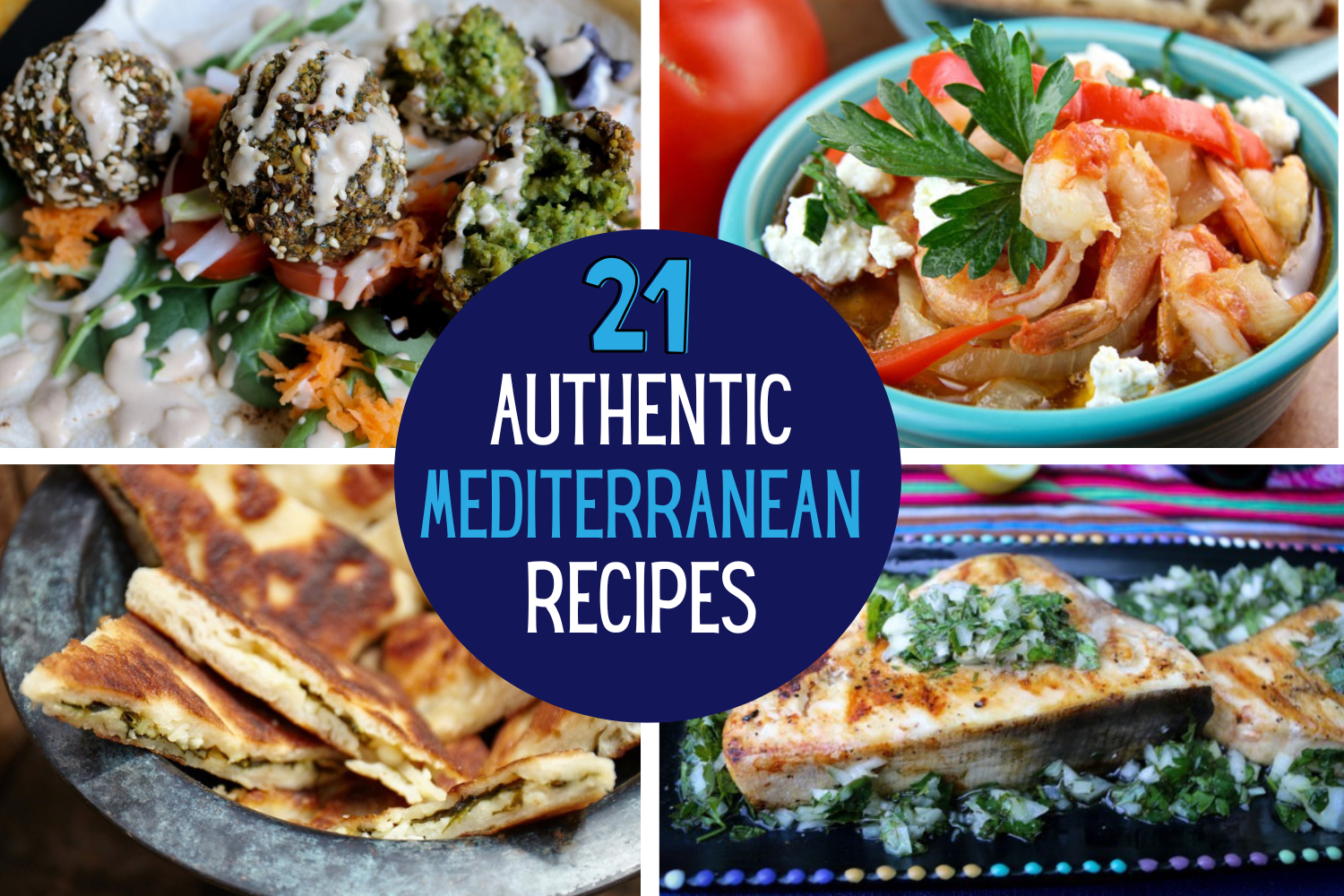
The consistent scientific endorsement of the Mediterranean diet’s health benefits has been the single most significant factor in cementing its brand equity. The “health halo” is not merely a marketing claim but a validated truth, providing a concrete, verifiable benefit that sets it apart from other culinary traditions. This evidence-based differentiation has propelled Mediterranean cuisine into the mainstream, making it a preferred choice for health-conscious consumers and positioning it as a benchmark for healthy eating worldwide. This unchallenged health benefit is a unique and potent brand differentiator that continually reinforces its value proposition.
Marketing and Communication Strategies
While Mediterranean cuisine didn’t have a marketing department in its nascent stages, its evolution into a global brand showcases effective, albeit often organic, communication strategies. Modern businesses and individuals continue to leverage these inherent strengths in contemporary marketing efforts.
Leveraging Traditional Narratives in Modern Marketing
The brand narrative of Mediterranean cuisine is inherently rich with tradition, heritage, and a sense of timelessness. Modern marketing capitalizes on these traditional narratives, focusing on themes of family, community, simplicity, and connection to nature. Restaurants, food brands, and tourism boards consistently use imagery of sun-drenched villas, communal tables, and ancient olive trees to evoke this powerful sense of heritage. Cookbooks and culinary shows often feature “authentic” recipes and stories, reinforcing the brand’s cultural roots and promise of genuine experience. This strategic use of storytelling taps into a universal longing for authenticity and connection.
Digital Branding and Influencer Engagement
In the digital age, Mediterranean cuisine thrives through dynamic online presence. Food bloggers, Instagram influencers, and YouTube chefs frequently feature Mediterranean recipes, travelogs, and lifestyle content. Hashtags like #MediterraneanDiet, #HealthyEating, and #Foodie travel broad, generating organic engagement and reinforcing the brand’s image. Social media platforms provide a visual feast of vibrant dishes and picturesque settings, perfectly aligned with the brand’s visual identity. This widespread digital endorsement acts as peer-to-peer marketing, leveraging the credibility of trusted voices to expand the brand’s reach and influence.
Product Extensions and Brand Partnerships
The strength of the Mediterranean brand has led to numerous successful product extensions and brand partnerships. This includes a proliferation of Mediterranean-themed restaurants, specialty food stores, and product lines ranging from olive oils and artisanal cheeses to hummus and spice blends. Travel agencies offer “Mediterranean diet” tours, and wellness retreats incorporate Mediterranean cooking classes. These extensions capitalize on the brand’s established reputation, allowing it to penetrate new markets and diversify its offerings. Furthermore, collaborations with health organizations, chefs, and lifestyle brands further solidify its standing and expand its audience, leveraging cross-promotional opportunities.
Challenges and Future of the Mediterranean Brand
Despite its robust brand equity, Mediterranean cuisine faces ongoing challenges in a rapidly changing global landscape. Maintaining its authenticity and adapting to new consumer demands while protecting its core identity are critical for sustained success.
Maintaining Authenticity in a Globalized Market
As Mediterranean cuisine gains global popularity, the challenge of maintaining authenticity intensifies. The risk of dilution, “gourmet washing,” or the appropriation of its core elements without understanding their cultural context is ever-present. For the brand to retain its integrity, there’s a continuous need to emphasize traditional ingredients, cooking methods, and cultural values. Brands within this niche must carefully navigate the balance between innovation and preservation, ensuring that new interpretations still honor the spirit of the original. Consumer education about genuine Mediterranean ingredients and practices is crucial to counteract ersatz versions.
Adapting to New Consumer Trends
The global food landscape is constantly evolving, with new trends emerging around sustainability, plant-based diets, and convenience. While Mediterranean cuisine inherently aligns with many of these trends (e.g., its emphasis on vegetables, grains, and legumes), it must actively adapt and communicate its relevance. Highlighting its plant-forward nature or its inherent sustainability through local sourcing can reinforce its contemporary appeal. Furthermore, adapting traditional recipes for modern, time-pressed consumers (e.g., through meal kits or ready-to-eat options) without compromising quality or authenticity presents both a challenge and an opportunity for brand growth.
Protecting Brand Integrity and Origin
Protecting the integrity and origin of Mediterranean cuisine is vital, particularly concerning specific ingredients with Protected Designation of Origin (PDO) or Protected Geographical Indication (PGI) status, such as certain olive oils, cheeses, or wines. These designations act as a form of brand protection, ensuring that products bearing these names meet strict quality and geographical criteria. Educating consumers and combating fraudulent claims are ongoing efforts to safeguard the brand’s reputation for quality and authenticity. This intellectual property protection is essential for maintaining trust and preventing exploitation of the “Mediterranean” name.
In conclusion, Mediterranean cuisine stands as a compelling case study in successful brand building. Its journey from diverse regional fare to a global lifestyle brand is a testament to the power of a coherent identity, strong core values, undeniable health benefits, and deep cultural roots. By continually reinforcing its commitment to freshness, health, and simplicity, while strategically adapting to modern challenges, the Mediterranean brand is poised to retain its esteemed position as a beacon of healthy, vibrant, and emotionally resonant living for generations to come. Understanding its brand architecture offers valuable insights not only into the world of food but into the dynamics of global branding itself.
aViewFromTheCave is a participant in the Amazon Services LLC Associates Program, an affiliate advertising program designed to provide a means for sites to earn advertising fees by advertising and linking to Amazon.com. Amazon, the Amazon logo, AmazonSupply, and the AmazonSupply logo are trademarks of Amazon.com, Inc. or its affiliates. As an Amazon Associate we earn affiliate commissions from qualifying purchases.