
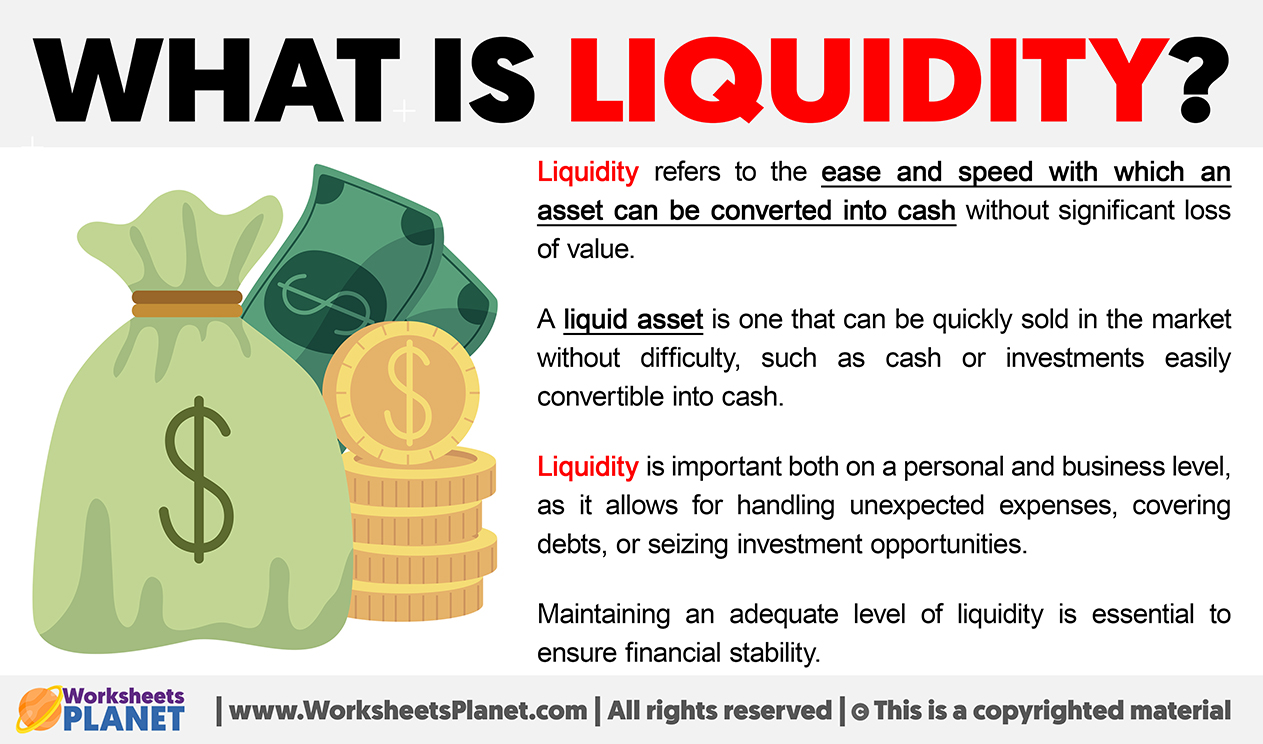
Liquidity is a cornerstone concept in the world of money, influencing decisions from personal budgeting to corporate finance and global investment strategies. At its core, liquidity refers to the ease with which an asset, or even an entire market, can be converted into ready cash without significantly affecting its market price. This definition contains two critical components: speed and price. A truly liquid asset can be sold quickly and for a value close to its true market worth. Understanding liquidity is paramount for anyone navigating financial landscapes, whether they are managing household finances, running a business, or making investment decisions.
Defining Liquidity: The Core Concept
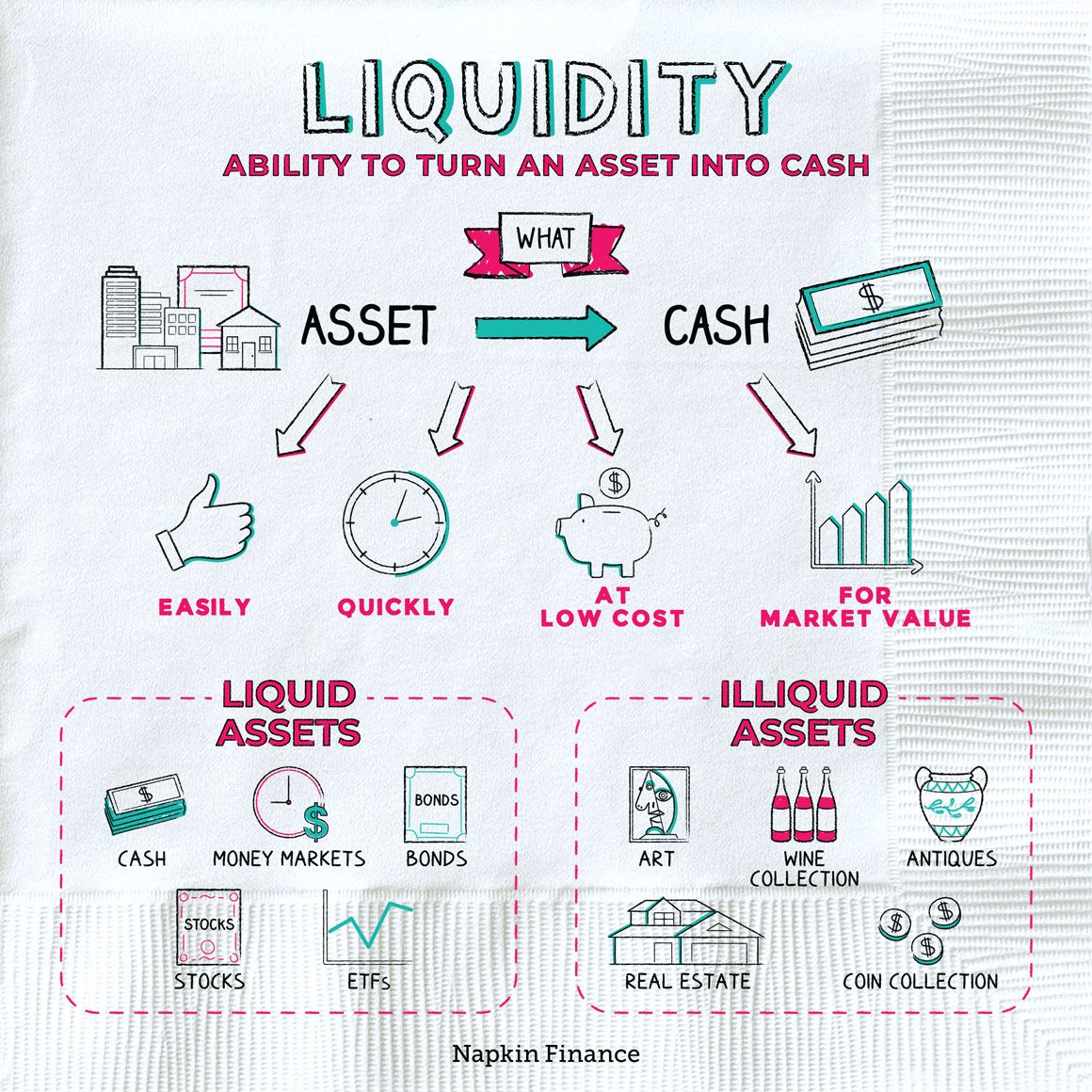
To grasp liquidity, consider the spectrum of assets. On one end, you have highly liquid assets like physical cash, funds in a checking or savings account, or shares of major publicly traded companies. These can be converted into spendable money almost instantaneously, or within a day, without impacting their value. A dollar is always worth a dollar, and a share of Apple stock can be sold on a major exchange within seconds at its prevailing market price.
On the other end of the spectrum are illiquid assets. Examples include real estate, private business equity, antique collections, or exotic artwork. While these assets may hold significant value, converting them into cash often takes considerable time – weeks, months, or even longer – and the process may incur transaction costs or necessitate selling at a discount if a quick sale is required. For instance, selling a house in a slow market might require dropping the asking price significantly to attract a buyer quickly, thereby impacting the asset’s realized value.
The practical implication of liquidity is crucial. It dictates an individual’s or entity’s ability to meet immediate financial obligations, seize unexpected opportunities, or weather unforeseen financial shocks. Without sufficient liquidity, even a wealthy individual or a profitable company can face severe financial distress if their assets are tied up in forms that cannot be readily accessed.
Types of Liquidity: Market, Accounting, and Personal
While the fundamental definition remains consistent, liquidity manifests in different forms depending on the context. Distinguishing between these types offers a more nuanced understanding of its role in various financial scenarios.
Market Liquidity
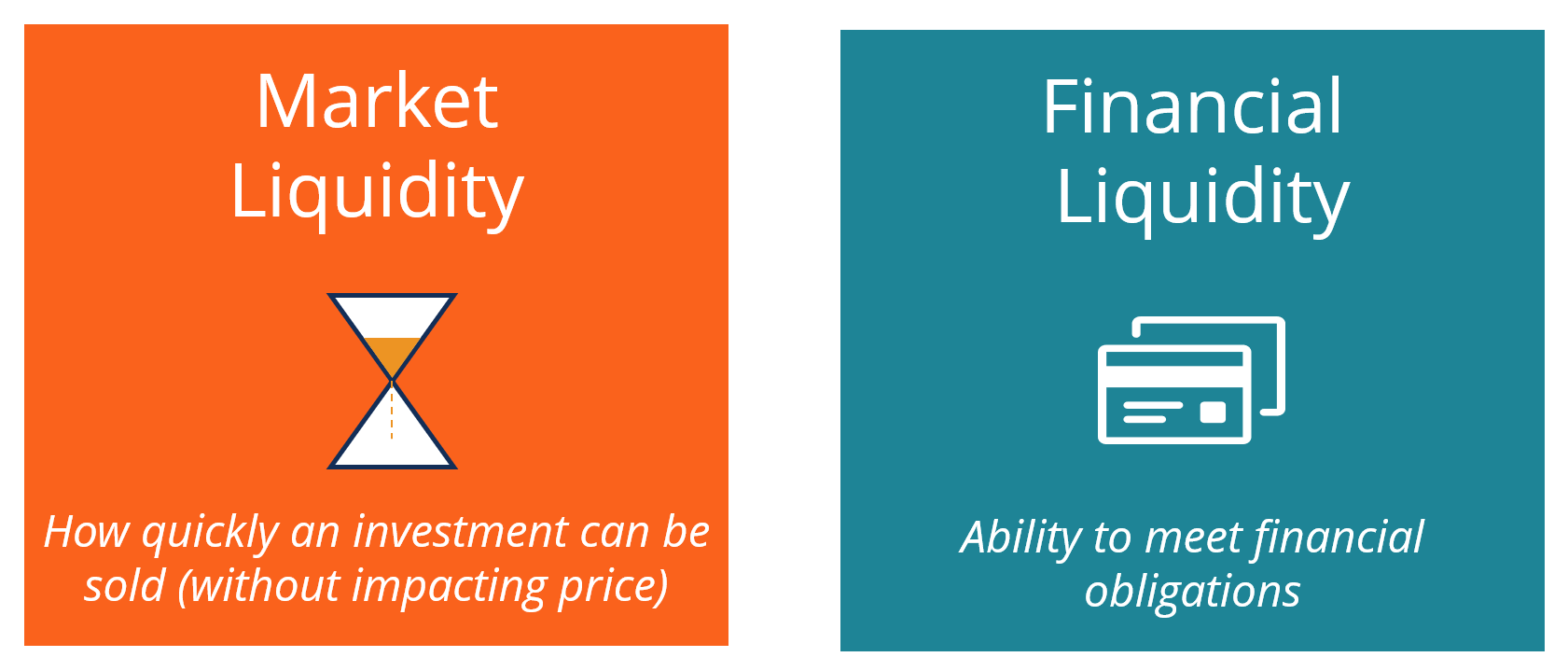
Market liquidity refers to the ease with which a security or commodity can be bought or sold in the market without causing a significant change in its price. A deep and active market with many buyers and sellers facilitates high market liquidity. For example, major stock exchanges are highly liquid; you can buy or sell millions of shares of a blue-chip company without moving its price much. Conversely, the market for a thinly traded small-cap stock might be illiquid; even a relatively small order could push its price up or down dramatically due to a lack of willing participants on the other side of the trade. Market liquidity is vital for investors seeking to enter or exit positions efficiently and for the overall stability of financial markets.
Accounting Liquidity (or Funding Liquidity)
This type of liquidity primarily concerns businesses and refers to a company’s ability to meet its short-term financial obligations. It’s often assessed through a company’s balance sheet, specifically by comparing its current assets (assets expected to be converted into cash within one year, like cash, accounts receivable, inventory) to its current liabilities (obligations due within one year, like accounts payable, short-term debt). A company with high accounting liquidity has enough current assets to cover its current liabilities, indicating a strong ability to pay its bills on time. Key accounting ratios, such as the current ratio (current assets / current liabilities) and the quick ratio (liquid current assets / current liabilities), are used to measure a company’s short-term solvency and financial health.
Personal Liquidity
For individuals, personal liquidity refers to their ability to cover immediate living expenses and unexpected financial emergencies. This is typically measured by the amount of cash and highly liquid assets (like savings accounts or money market funds) an individual has readily available relative to their monthly expenditures and potential emergency needs. A robust emergency fund, often recommended to cover three to six months of living expenses, is the cornerstone of good personal liquidity. It provides a financial cushion against job loss, medical emergencies, or unforeseen home repairs, preventing the need to sell long-term investments or incur high-interest debt.
Why Liquidity Matters: For Individuals and Businesses
The importance of liquidity cannot be overstated, as it underpins financial stability and flexibility for both personal and corporate entities.
For Personal Finance
For individuals, sufficient liquidity provides peace of mind and financial resilience. An adequate emergency fund is a non-negotiable component of sound personal finance, acting as a buffer against life’s unpredictable events. Without liquid assets, an unexpected car repair, medical bill, or job loss can quickly spiral into a financial crisis, forcing individuals to borrow at high interest rates, liquidate long-term investments prematurely at a loss, or even default on other obligations. Furthermore, good personal liquidity allows individuals to seize opportunities, such as making a down payment on a property, investing in a promising venture, or taking advantage of market dips, without disrupting their long-term financial plans.
For Business Finance
For businesses, liquidity is synonymous with survival and operational efficiency. A company must maintain enough liquid assets to cover its day-to-day operating expenses, pay suppliers, meet payroll, and service its short-term debt. A lack of liquidity, even for a profitable company, can lead to insolvency, missed growth opportunities, or even bankruptcy. Imagine a successful business with significant inventory and accounts receivable (money owed by customers) but insufficient cash to pay its employees next week. This cash flow problem, a liquidity issue, can quickly bring operations to a halt. Strong liquidity also enhances a company’s creditworthiness, making it easier and cheaper to secure loans and lines of credit, which are crucial for expansion and managing cash flow fluctuations.
Managing Liquidity: Strategies and Tools
Effective liquidity management is a proactive process that requires careful planning and strategic decision-making.
For Individuals
- Build an Emergency Fund: The primary step is to accumulate cash reserves equivalent to at least three to six months of essential living expenses in a readily accessible, interest-bearing account, such as a high-yield savings account or a money market fund.
- Budgeting and Cash Flow Management: Regularly tracking income and expenses helps identify patterns and ensures that enough cash is available for upcoming needs. A well-structured budget prevents overspending and allows for consistent saving.
- Diversify Asset Allocation: While some long-term investments are inherently illiquid (e.g., real estate, retirement accounts), it’s important to balance a portfolio with readily tradable assets like publicly listed stocks, bonds, and exchange-traded funds (ETFs) that can be converted to cash if needed, albeit typically not for emergencies.
- Access to Credit (Used Responsibly): A pre-approved line of credit or a credit card (used for convenience and paid off monthly) can serve as a secondary, short-term liquidity buffer, but should not replace a cash emergency fund.
For Businesses
- Cash Flow Forecasting: Businesses must accurately predict their incoming and outgoing cash flows. This involves forecasting sales, expenses, and capital expenditures to anticipate potential shortfalls or surpluses.
- Working Capital Management: Efficiently managing current assets and liabilities is key. This includes optimizing inventory levels (avoiding excessive stock that ties up cash), managing accounts receivable (collecting payments promptly), and managing accounts payable (optimizing payment terms with suppliers).
- Establish Lines of Credit: Revolving lines of credit with banks provide a flexible source of short-term funding that can be drawn upon as needed to cover temporary cash flow gaps.
- Short-Term Investments: Excess cash can be temporarily invested in highly liquid, low-risk instruments like commercial paper, Treasury bills, or money market funds to earn a small return while maintaining accessibility.
- Monitor Liquidity Ratios: Regularly calculating and analyzing ratios like the current ratio and quick ratio provides a snapshot of the company’s short-term financial health and helps identify potential issues early.
Liquidity Risks and Considerations
While crucial, liquidity management is a balancing act. Both too little and too much liquidity can present financial challenges.
Insufficient Liquidity
The most obvious risk is not having enough liquid assets. For individuals, this means financial stress during emergencies, reliance on high-interest debt, or forced selling of long-term investments at inopportune times. For businesses, insufficient liquidity can lead to missed payrolls, inability to pay suppliers, damaged credit ratings, and ultimately, operational failure. This risk is particularly acute during economic downturns or unexpected market shocks, when access to credit may tighten.
Overly Liquid
Conversely, holding excessive amounts of cash or highly liquid assets can also be detrimental. This is often referred to as “opportunity cost.” Cash, while safe and accessible, loses purchasing power over time due to inflation, especially in a low-interest-rate environment. For businesses, holding too much cash means missing out on potential returns from productive investments, capital expenditures that could drive growth, or even returning capital to shareholders. The goal is to find the optimal level of liquidity that provides safety and flexibility without sacrificing significant potential returns.
Market Events and Systemic Risk
Liquidity is not static; it can fluctuate dramatically with market conditions. During financial crises or periods of high uncertainty, even typically liquid assets can become illiquid. For example, in times of market panic, investors might struggle to sell certain bonds or even large blocks of seemingly liquid stocks without significantly impacting their prices, as buyers become scarce. This phenomenon, known as “flight to safety” or “liquidity crunch,” can have systemic implications, affecting entire financial systems.
In conclusion, understanding what is meant by liquidity is foundational to sound financial management. Whether for personal financial planning, investment strategy, or corporate operations, maintaining an appropriate level of liquidity is a critical determinant of financial health, resilience, and the ability to capitalize on future opportunities. It’s a dynamic concept that requires ongoing attention and adaptation to changing economic landscapes.
aViewFromTheCave is a participant in the Amazon Services LLC Associates Program, an affiliate advertising program designed to provide a means for sites to earn advertising fees by advertising and linking to Amazon.com. Amazon, the Amazon logo, AmazonSupply, and the AmazonSupply logo are trademarks of Amazon.com, Inc. or its affiliates. As an Amazon Associate we earn affiliate commissions from qualifying purchases.