
In Vitro Fertilization, commonly known as IVF, is more than just a medical procedure; it is a profound testament to human ingenuity and technological prowess applied to the most fundamental aspect of life: reproduction. For millions worldwide struggling with infertility, IVF stands as a beacon of hope, made possible by decades of relentless scientific inquiry, engineering marvels, and the continuous evolution of medical technology. At its core, IVF is a complex series of procedures used to help with fertility or prevent genetic problems and assist with the conception of a child. It involves retrieving eggs from the ovaries and a sperm sample, and then manually combining an egg and sperm in a laboratory dish. The embryo(s) is then transferred to the uterus.
Understanding “what is meant by IVF” requires delving into the intricate blend of biology, chemistry, and advanced engineering that orchestrates this delicate process outside the human body. From micro-manipulation tools that handle individual cells to sophisticated imaging systems and genetic screening technologies, IVF exemplifies how cutting-edge technology can extend the boundaries of what is medically possible, offering solutions to age-old human challenges. This article will explore the technological backbone of IVF, examining its scientific foundations, the step-by-step procedures, the advanced technologies that enhance its success, and the ethical considerations that accompany such powerful innovations.
The Scientific Foundation and Technological Underpinnings of IVF
The journey of IVF began not with a sudden discovery, but with a gradual accumulation of scientific knowledge about human reproduction and the development of tools to manipulate biological processes at a microscopic level. The ability to perform fertilization outside the body, in a ‘glass’ (in vitro), required a deep understanding of cellular biology, endocrinology, and genetics, coupled with the creation of highly specialized laboratory environments and instruments.
The Reproductive Process and Fertility Challenges
Before understanding IVF, it’s crucial to grasp the natural reproductive process. Typically, an egg is released from the ovary, travels down the fallopian tube, and is fertilized by sperm. The resulting embryo then implants in the uterus. Infertility arises when any part of this complex pathway is disrupted. This can be due to various factors: blocked fallopian tubes, male factor infertility (low sperm count or motility), ovulation disorders, endometriosis, or unexplained causes. IVF directly addresses many of these issues by bypassing natural barriers and controlling the environment for conception. The technological innovation here lies in the ability to replicate and optimize these biological conditions artificially.
Early Inception and Evolution of IVF Techniques
The concept of in vitro fertilization dates back to scientific experiments in the early 20th century, but it wasn’t until 1978 that the first “test-tube baby,” Louise Brown, was born. This landmark achievement was the culmination of decades of research by British scientists Robert Edwards and Patrick Steptoe. Their success wasn’t just a biological triumph; it was a technological one, requiring precise hormonal control, meticulous egg retrieval techniques, the development of suitable culture media for gametes and embryos, and sterile laboratory conditions. Early IVF procedures were rudimentary by today’s standards, but they laid the groundwork for the exponential technological advancements that followed, transforming it from an experimental procedure into a widely available and increasingly successful treatment.
Key Laboratory Technologies and Equipment
The heart of IVF is the embryology laboratory, a highly controlled environment equipped with an arsenal of specialized technologies. Incubators maintain precise temperature, humidity, and CO2 levels to mimic the uterine environment, essential for egg, sperm, and embryo survival. Micromanipulation tools, including highly sensitive microscopes, micro-injectors, and micromanipulators, allow embryologists to handle individual cells with incredible precision for procedures like Intracytoplasmic Sperm Injection (ICSI), where a single sperm is injected directly into an egg. Air filtration systems ensure a sterile, particulate-free atmosphere, while advanced imaging systems allow for detailed observation of embryo development. Each piece of equipment is a testament to the engineering and material science required to facilitate life at a microscopic scale.
The Step-by-Step IVF Procedure: A High-Tech Journey
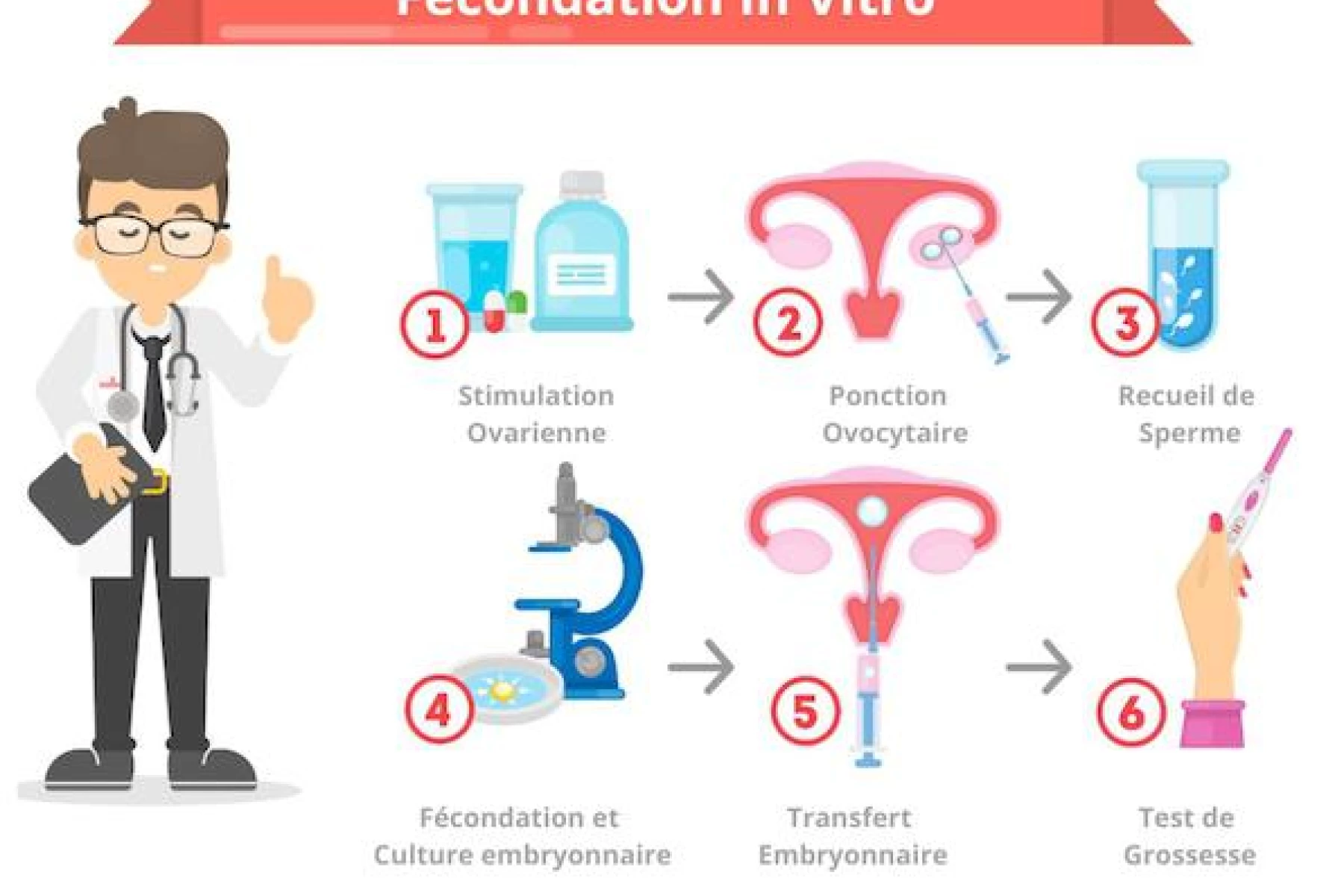
The IVF process is a carefully orchestrated sequence of medical and laboratory steps, each relying on specific technologies and protocols to maximize success. It is a journey that highlights the marriage of medical science with technological precision.
Ovarian Stimulation and Monitoring Technologies
The first clinical step in IVF involves stimulating the ovaries to produce multiple eggs, rather than the single egg typically released in a natural cycle. This is achieved using carefully calibrated hormonal medications, often administered through advanced auto-injectors. The response of the ovaries is meticulously monitored using ultrasound technology, specifically transvaginal ultrasonography, which provides real-time images of the developing follicles (sacs containing eggs). Blood tests, processed by automated immunoassay machines, measure hormone levels to guide medication dosages and determine the optimal time for egg retrieval. These diagnostic technologies are crucial for customizing treatment plans and ensuring patient safety.
Egg Retrieval and Sperm Collection: Precision Robotics and Micro-manipulation
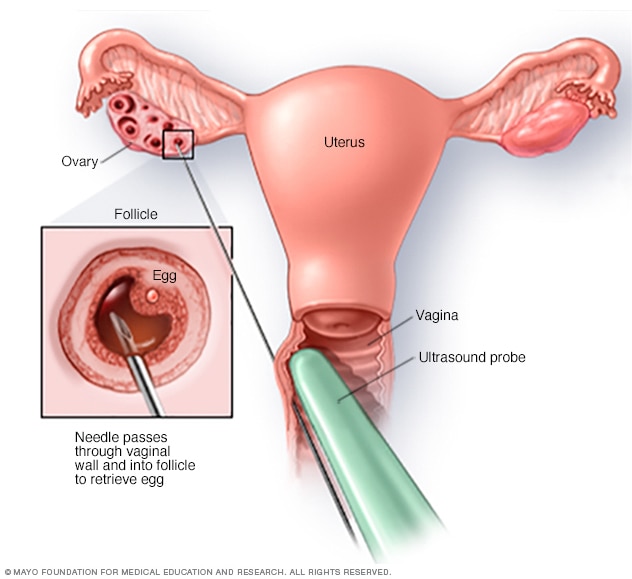
Once the follicles have matured, eggs are retrieved in a minor surgical procedure. This involves using a thin needle guided by ultrasound imaging, often equipped with suction, to aspirate eggs from the ovaries. The precision required for this procedure benefits from advanced imaging and, in some cases, robotic assistance for enhanced stability and accuracy. Concurrently, a sperm sample is collected, often through conventional means, but for cases of severe male factor infertility, advanced techniques like testicular sperm extraction (TESE) or epididymal sperm aspiration (PESA) are employed, requiring specialized micro-surgical instruments. The collected sperm then undergoes processing in the lab, utilizing techniques like density gradient centrifugation to isolate the healthiest, most motile sperm.
Fertilization in Vitro: The Embryology Lab’s Role
The actual “in vitro” fertilization takes place in the embryology lab. In conventional IVF, prepared eggs and sperm are placed together in a culture dish, allowing fertilization to occur naturally. However, for many cases, particularly those involving male factor infertility or previous fertilization failures, Intracytoplasmic Sperm Injection (ICSI) is performed. ICSI is a groundbreaking technological advancement where a single sperm is meticulously injected into each egg using sophisticated micromanipulation tools under a high-power microscope. This procedure demands extraordinary skill from embryologists and relies on the precision engineering of the micro-injection system. The culture media used during this phase are scientifically formulated solutions, constantly refined through research, to provide optimal nutrients and conditions for gamete survival and early embryo development.
Embryo Culture and Selection: Advanced Imaging and AI Potential
After fertilization, the resulting embryos are cultured in specialized incubators for several days, typically up to five or six days until they reach the blastocyst stage. During this period, their development is closely monitored. Time-lapse imaging systems, a relatively recent technological innovation, provide continuous, non-invasive observation of embryos without removing them from the stable incubator environment. These systems capture images at regular intervals, creating a video of the embryo’s development, which can aid embryologists in selecting the healthiest embryos for transfer. The immense data generated by time-lapse imaging is also paving the way for the integration of Artificial Intelligence (AI) and machine learning algorithms to assist in predicting embryo viability, minimizing subjective human assessment, and potentially improving success rates.

Embryo Transfer: Guiding the New Life
The final step in the IVF cycle is the embryo transfer, a delicate procedure where one or more selected embryos are transferred into the patient’s uterus. This is typically done using a fine, flexible catheter, guided by ultrasound imaging, to ensure precise placement of the embryo(s) into the uterine cavity. The catheter itself is a product of sophisticated material science, designed to be biocompatible and minimally invasive, ensuring the safety and comfort of the patient while maximizing the chances of successful implantation.
Advanced Technologies Enhancing IVF Success and Scope
The field of IVF is continuously evolving, with new technologies emerging that push the boundaries of what’s possible, improving success rates, expanding accessibility, and addressing more complex fertility challenges.
Preimplantation Genetic Testing (PGT): Screening for Genetic Health
One of the most significant technological advancements in IVF is Preimplantation Genetic Testing (PGT). This involves taking a tiny biopsy from an embryo (usually at the blastocyst stage) and sending it for genetic analysis. PGT-A (for aneuploidy) screens for chromosomal abnormalities, which are a major cause of miscarriage and IVF failure. PGT-M (for monogenic/single gene defects) screens for specific genetic diseases when one or both parents are carriers. PGT-SR (for structural rearrangements) is used when a parent carries a chromosomal structural rearrangement. This sophisticated molecular diagnostic technology empowers parents to make informed decisions and significantly reduces the risk of passing on genetic conditions, representing a major leap in reproductive health.
Cryopreservation: Freezing for Future Possibilities
Cryopreservation technology allows for the freezing and long-term storage of eggs, sperm, and embryos. Vitrification, a rapid freezing technique, has revolutionized embryo and egg freezing, dramatically improving survival rates compared to older slow-freeze methods. This technology offers immense flexibility, allowing patients to undergo multiple transfers from a single retrieval, preserve fertility before medical treatments (like chemotherapy), or delay childbearing. The ability to bank genetic material provides unparalleled control and options for family planning, made possible by precise control over temperature and cryoprotectant agents.
AI and Machine Learning in Embryo Selection and Lab Optimization
As mentioned, AI and machine learning are rapidly making inroads into IVF. Beyond time-lapse imaging analysis, AI algorithms are being developed to optimize culture conditions, predict treatment outcomes based on patient data, and even assist in the design of personalized stimulation protocols. By processing vast amounts of data—from morphological characteristics of embryos to hormonal profiles and genetic information—AI can identify subtle patterns that human embryologists might miss, leading to more objective and effective decision-making in the lab. This represents a paradigm shift from subjective assessment to data-driven precision medicine within reproductive technology.
Robotics and Automation in IVF Labs
The highly repetitive and precise tasks within an embryology lab are ripe for automation and robotics. Robotic systems are being developed for tasks like micro-injection (ICSI), embryo biopsy for PGT, and even embryo transfer. Automation not only reduces human error and standardizes procedures but also frees up highly skilled embryologists to focus on more complex decision-making and patient interaction. Automated liquid handling systems, robotic manipulators, and digitally integrated workstations are becoming increasingly common, streamlining workflows and enhancing throughput while maintaining stringent quality control.
Ethical Considerations and Future Technological Horizons
As IVF technology continues to advance, it inevitably raises complex ethical questions that society must grapple with, even as it opens up exciting new possibilities for the future of reproductive medicine.
Balancing Innovation with Ethical Responsibility
The power to manipulate the very beginnings of life comes with significant ethical responsibilities. Debates around embryo research, the selection of embryos based on genetic traits (“designer babies”), the use of donor gametes, and the rights of frozen embryos are constant companions to IVF’s technological progress. Clinics and regulatory bodies worldwide strive to establish guidelines that balance scientific advancement with moral and societal values. Technologies like mitochondrial replacement therapy (three-parent babies) or the potential for artificial wombs push these ethical boundaries even further, demanding careful consideration of their long-term implications for individuals, families, and humanity.
Emerging Technologies: Uterine Transplants, Gamete Generation
Beyond existing IVF capabilities, the horizon of reproductive technology holds even more transformative potential. Uterine transplantation, though still highly experimental, offers a path to motherhood for women without a functional uterus. Research into generating gametes (eggs and sperm) from induced pluripotent stem cells (iPSCs) could revolutionize fertility treatment for individuals unable to produce their own, offering hope to those with severe infertility or same-sex couples wishing for biologically related children. These nascent technologies, while years away from widespread clinical application, showcase the relentless pursuit of solutions through technological innovation.
The Role of Digital Health and Telemedicine in Fertility Care
The broader tech ecosystem, including digital health and telemedicine, is also impacting IVF. Apps for fertility tracking, AI-powered chatbots for patient support, and virtual consultations are making initial fertility assessments and pre-treatment planning more accessible. Secure digital platforms for managing patient data and communicating lab results enhance efficiency and patient experience. This integration of digital tools not only improves the patient journey but also helps to demystify a complex medical process, making IVF more understandable and manageable for those undertaking it.
Conclusion
In Vitro Fertilization is a monumental achievement in medical technology, offering a pathway to parenthood for millions worldwide. What is meant by IVF is a sophisticated synthesis of biological understanding and advanced engineering, characterized by precision, innovation, and an unwavering commitment to overcoming human infertility. From its humble beginnings to today’s highly refined procedures, IVF has continually evolved through the integration of cutting-edge technologies—from micro-manipulation and advanced imaging to genetic screening and the burgeoning application of AI.
As we look to the future, the technological trajectory of IVF promises even more breakthroughs. However, with this power comes the profound responsibility to navigate the ethical landscape with care and wisdom. Ultimately, IVF stands as a powerful emblem of human aspiration, demonstrating how science and technology, when guided by compassion and ethical considerations, can address some of the most profound human desires and transform lives. It is a field where every technological advancement not only pushes scientific boundaries but also brings the miracle of life a step closer for countless families.
aViewFromTheCave is a participant in the Amazon Services LLC Associates Program, an affiliate advertising program designed to provide a means for sites to earn advertising fees by advertising and linking to Amazon.com. Amazon, the Amazon logo, AmazonSupply, and the AmazonSupply logo are trademarks of Amazon.com, Inc. or its affiliates. As an Amazon Associate we earn affiliate commissions from qualifying purchases.