
In the architecture of modern commerce, motivation serves as the invisible bridge between a brand’s promise and the consumer’s action. While traditional definitions of motivation often center on individual psychology or biological drives, in the context of brand strategy and corporate identity, the term takes on a much more strategic dimension. It represents the catalyst for engagement, the fuel for brand loyalty, and the internal engine that drives organizational performance. Understanding the meaning of motivation through the lens of branding is not merely about understanding why people buy; it is about understanding how values, identity, and aspirations align to create a sustainable ecosystem of growth.
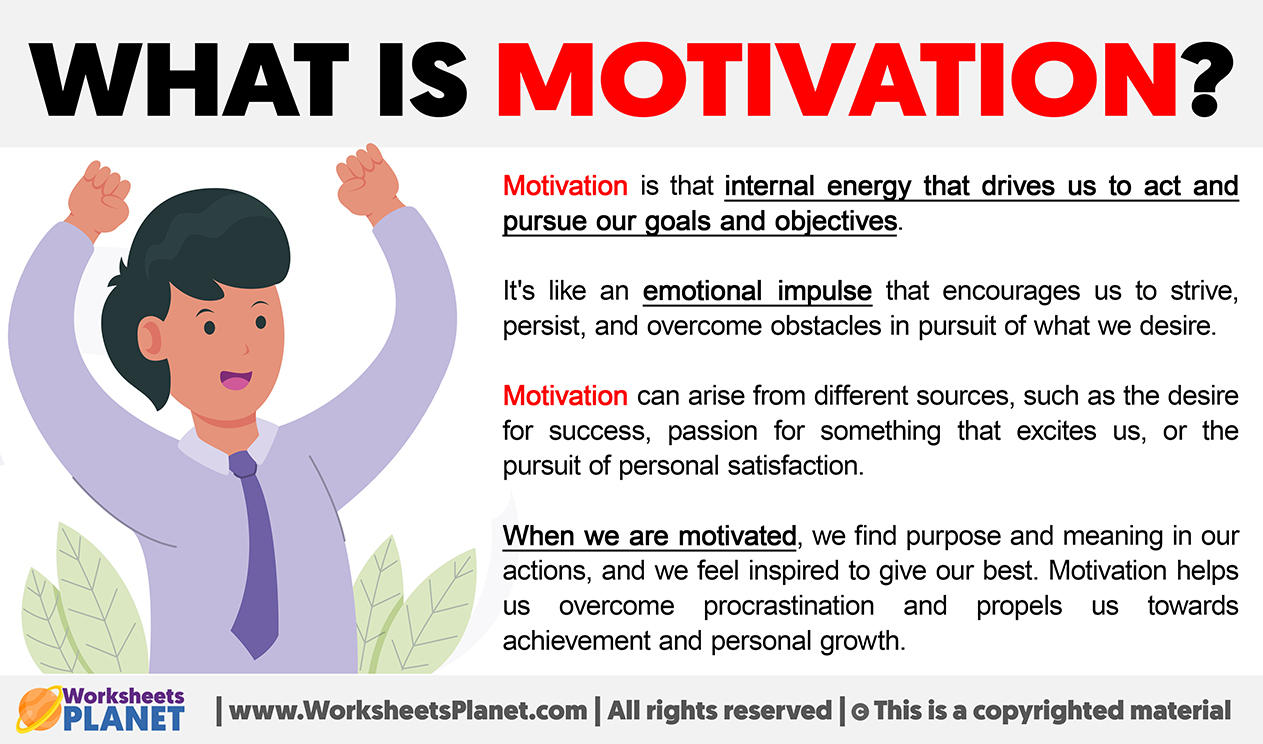
For a brand, motivation is the “why” that precedes the “what.” It is the reason a customer chooses a specific logo over a cheaper alternative and the reason an employee remains committed to a corporate vision during a market downturn. By deconstructing the mechanics of motivation, brand strategists can move beyond transactional interactions and toward deep-seated relational equity.
The Psychology of Consumer Motivation: Why We Choose Brands
To understand motivation within brand strategy, one must first look at the psychological forces that dictate consumer behavior. Motivation in this sphere is rarely about utility alone; it is about the fulfillment of psychological needs. When a brand successfully motivates a consumer, it has identified a gap between the consumer’s current state and their desired state and positioned itself as the bridge to close that gap.
Maslow’s Hierarchy in the Modern Marketplace
Abraham Maslow’s hierarchy of needs remains a foundational tool for brand strategists. At the base, brands that provide essential utilities—like food, water, or basic security—address physiological and safety motivations. However, the most successful global brands operate at the higher tiers of the hierarchy: belonging, esteem, and self-actualization.
A premium automotive brand like Mercedes-Benz or Tesla does not simply motivate a purchase through transport utility. Instead, it taps into the motivation for esteem and status. Similarly, community-centric brands like Harley-Davidson or Lululemon leverage the motivation for belonging. In these instances, the “meaning of motivation” is the desire for a social identity. The brand becomes a badge that signals to the world who the consumer is and what they value.
Emotional Connection and Brand Archetypes
Motivation is often more emotional than rational. Brand archetypes—based on Jungian psychology—allow companies to tap into universal narratives that naturally motivate human beings. Whether it is the “Hero” archetype (Nike) motivating consumers to overcome personal obstacles, or the “Explorer” archetype (Patagonia) motivating them to discover the natural world, these frameworks provide a shortcut to the consumer’s subconscious.
When a brand aligns its identity with a specific archetype, it provides a consistent motivational framework. Consumers are drawn to these brands because the brand’s narrative mirrors their own internal journey. The motivation to engage with the brand becomes an act of self-expression. In this context, the brand does not “sell” a product; it facilitates the consumer’s personal narrative.
Internal Branding: Motivating the Team Behind the Identity
While external marketing captures the public’s attention, the internal brand identity is what sustains a company’s longevity. Here, the meaning of motivation refers to the alignment between a company’s core values and its employees’ personal missions. A brand is only as strong as the people who represent it, and a disengaged workforce is the quickest path to a diluted brand identity.
Purpose-Driven Culture as a Performance Catalyst
Modern employees, particularly in the tech and creative sectors, are increasingly motivated by purpose rather than just compensation. This is where “Brand Purpose” becomes a critical internal tool. If a brand exists solely to generate profit, the motivation of its workforce will remain transactional. However, if the brand defines itself through a mission—such as “accelerating the world’s transition to sustainable energy”—it creates a powerful intrinsic motivator.
Intrinsic motivation occurs when an employee finds the work itself inherently rewarding. By weaving the brand’s story into the daily operations of the company, leadership can foster an environment where employees feel they are part of something larger than themselves. This alignment creates “brand ambassadors” who deliver better customer service, innovate more effectively, and stay with the company longer, directly impacting the brand’s market value.
The Role of Shared Values in Employee Retention
In a competitive talent market, branding serves as a filter. A clear corporate identity motivates the right people to join the organization while deterring those whose values do not align. When an organization’s internal culture matches its external brand promise, it creates “cultural integrity.”
This integrity is a primary motivator for high-level talent. When employees see that the company’s actions match its marketing, it builds trust. Trust, in turn, is a prerequisite for motivation. Without it, even the most sophisticated incentive structures will fail to produce long-term commitment. In the realm of personal branding and corporate strategy, motivation is the byproduct of authenticity.
Marketing as Motivation: Crafting Messages that Compel Action
Marketing is the tactical application of motivational theory. Every advertisement, social media post, and email campaign is designed to trigger a specific motivational response. However, the modern landscape has shifted from “interruption” marketing to “attraction” marketing, changing the way brands must motivate their audiences.
Narrative Branding and the Call to Adventure
Effective marketing utilizes storytelling to frame the consumer as the hero and the brand as the guide. This structure is inherently motivating because it invites the consumer to embark on a journey. The “Call to Action” (CTA) is essentially a “Call to Adventure.”
To motivate action, a brand must clearly communicate the stakes: what does the consumer stand to gain (the reward) and what do they stand to lose (the cost of inaction)? By framing the brand’s offering as a solution to a specific conflict, marketing transforms a passive viewer into a motivated actor. This requires a deep understanding of the consumer’s pain points and aspirations—the fundamental ingredients of motivation.
Incentives vs. Inspiration: The Longevity of Brand Loyalty
There is a critical distinction between extrinsic motivation (discounts, rewards programs, sales) and intrinsic motivation (brand love, shared values, inspiration). While extrinsic motivators like “buy one get one free” are effective for short-term sales spikes, they do not build brand equity. In fact, over-reliance on discounts can devalue a brand, training consumers to wait for a sale rather than valuing the brand for what it is.
Strategic branding seeks to move consumers toward intrinsic motivation. This is achieved through inspiration—showing the consumer what is possible. Brands like Apple or Dyson do not frequently use discounts to motivate purchases. Instead, they motivate through design excellence and the promise of a superior experience. This type of motivation is far more durable and allows for premium pricing, as the consumer is motivated by the perceived value of the brand itself rather than a temporary price reduction.
Measuring the Impact of Motivation on Brand Equity
For a brand to manage motivation, it must be able to measure it. While motivation is a qualitative psychological state, its effects are quantifiable in the form of brand equity. High levels of consumer and employee motivation manifest in specific, measurable business outcomes.
Sentiment Analysis and Behavioral Metrics
In the digital age, brands can use sentiment analysis and social listening tools to gauge the motivational health of their audience. Are people talking about the brand in a way that suggests an emotional connection? Is there a high level of “Brand Advocacy,” where consumers are motivated to defend or promote the brand without being paid to do so?
Behavioral metrics, such as Net Promoter Scores (NPS), Customer Lifetime Value (CLV), and employee turnover rates, provide a data-driven look at how motivation is functioning within the brand ecosystem. A high NPS indicates that the brand has successfully motivated its customers to become marketers on its behalf. High CLV suggests that the brand has created a lasting motivational loop that keeps customers coming back.
The Future of Brand Engagement in a Saturated Market
As the marketplace becomes increasingly saturated, the meaning of motivation will shift further toward personalization. AI and big data now allow brands to understand individual motivational profiles at scale. Instead of broad campaigns, brands can now deliver hyper-relevant messages that speak directly to an individual’s specific goals and challenges.
However, the core principles remain the same. To motivate is to move. Whether through a compelling brand story, a purpose-driven corporate culture, or an inspired product design, the goal of brand strategy is to provide the movement that brings the consumer and the brand closer together. In an era of infinite choice, the brands that win will be those that provide the most meaningful motivation—transforming passive consumption into active participation.
Ultimately, the meaning of motivation in a branding context is the art and science of alignment. It is the synchronization of what a company does, how it does it, and why it matters to the world. When these elements are in harmony, motivation becomes a self-sustaining force that drives the brand toward long-term success and cultural relevance.
aViewFromTheCave is a participant in the Amazon Services LLC Associates Program, an affiliate advertising program designed to provide a means for sites to earn advertising fees by advertising and linking to Amazon.com. Amazon, the Amazon logo, AmazonSupply, and the AmazonSupply logo are trademarks of Amazon.com, Inc. or its affiliates. As an Amazon Associate we earn affiliate commissions from qualifying purchases.