
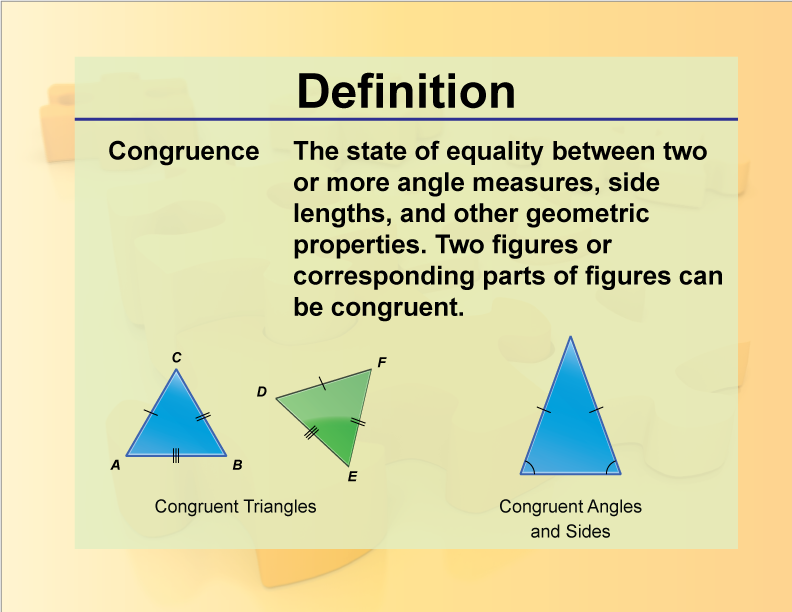
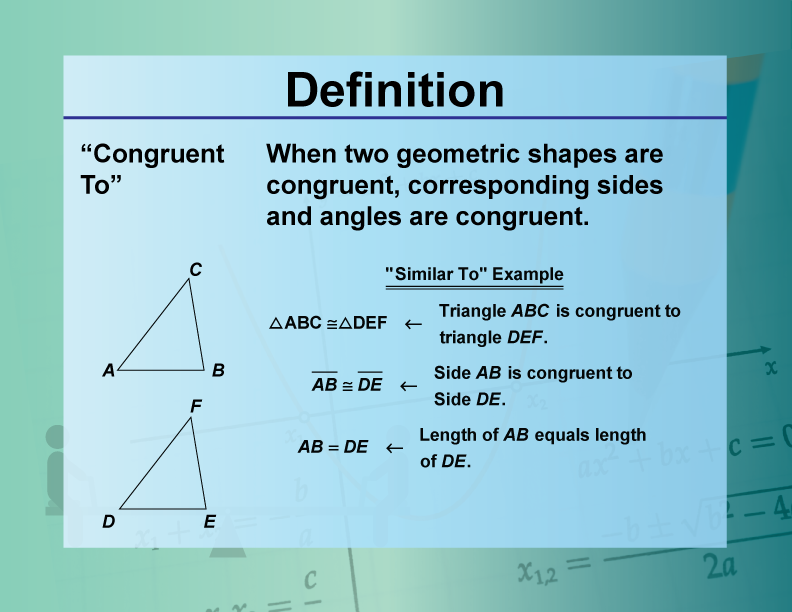
In the dynamic realm of branding, the concept of “congruent” extends far beyond its geometric origins, taking on a profound significance that underpins successful brand building and sustained market relevance. At its core, congruence in branding refers to the state of agreement, harmony, and consistency across all facets of a brand. It is the seamless alignment between a brand’s internal identity, its external expressions, and the experiences it delivers to its audience. When a brand is congruent, every touchpoint – from its visual identity and messaging to its product performance and customer service – tells a unified and coherent story, reinforcing its core essence and promises without deviation. This intrinsic alignment is not merely a desirable trait; it is a fundamental requirement for establishing trust, fostering loyalty, and achieving enduring impact in a crowded marketplace.

The Core Concept of Congruence in Branding
To fully grasp the meaning of congruent in a branding context, one must consider it as a state of deep internal and external consistency. It means that what a brand says, what it does, and what it stands for are all in perfect sync. Imagine a brand that proclaims itself as a leader in sustainability, but its supply chain practices contradict this claim, or its packaging is environmentally irresponsible. Such a brand would be incongruent, leading to confusion, skepticism, and ultimately, a breakdown of trust with its audience. Conversely, a congruent brand operates with a singular, clear vision that permeates every decision and interaction.
This consistency extends to multiple dimensions:
- Internal Identity: This encompasses the brand’s mission, vision, values, culture, and strategic objectives. A congruent brand has a clearly defined purpose that guides its internal operations and employee behavior.
- External Expression: This includes all observable elements such as the brand’s name, logo, color palette, typography, imagery, tone of voice, advertising campaigns, and public relations efforts. These elements must visually and verbally communicate the brand’s core identity accurately and consistently.
- Customer Experience: This refers to every interaction a customer has with the brand, from initial awareness to post-purchase support. Product quality, service delivery, online usability, and physical store environments must all reflect the brand’s promised values and identity.
When these three dimensions are in harmony, the brand presents a powerful, unified front, making it easier for consumers to understand, connect with, and ultimately trust the brand. Congruence, therefore, is not about rigidity but about authenticity—a commitment to being true to one’s brand identity in every manifestation.
Why Congruence is Non-Negotiable for Brand Success
In today’s hyper-connected and transparent world, consumers are more discerning and critical than ever before. Brands that exhibit inconsistency or hypocrisy are quickly exposed and lose credibility. This makes congruence an indispensable element for any brand aiming for long-term success.
Building Trust and Credibility
Trust is the bedrock of any strong relationship, including that between a brand and its customers. When a brand consistently delivers on its promises, visually, verbally, and experientially, it builds a reservoir of trust. Congruence assures customers that the brand is reliable, authentic, and stands by its word. Inconsistency, on the other hand, erodes trust, leading consumers to question the brand’s motives and integrity. A congruent brand, through its predictable reliability and transparent operations, cultivates a reputation for honesty and dependability, which are invaluable assets.
Enhancing Recognition and Recall
A congruent brand is a memorable brand. By consistently employing the same visual cues, messaging style, and brand personality across all platforms, a brand creates a distinct identity that is easy for consumers to recognize and recall. Imagine the iconic golden arches of McDonald’s or the minimalist design of Apple products; these elements are instantly recognizable because they are consistently applied. Congruence ensures that every interaction reinforces the brand’s identity, strengthening its presence in the consumer’s mind and making it stand out amidst a sea of competitors. This familiarity fosters a sense of comfort and predictability, which can significantly influence purchase decisions.
Driving Customer Loyalty
Beyond initial recognition, congruence plays a critical role in fostering deep, lasting customer loyalty. When a brand consistently aligns its actions with its stated values and promises, it creates a sense of reliability and genuine connection. Customers feel understood and valued when a brand’s offerings and service continually reflect its core identity. This sustained positive experience builds emotional attachment and reinforces the belief that the brand truly cares about its customers. Loyal customers are not just repeat purchasers; they are also advocates who champion the brand, contributing to organic growth and enhanced brand equity.
Fostering Internal Alignment
Congruence isn’t just an external marketing tool; it’s also vital for internal organizational health. When a brand’s mission, values, and vision are clearly defined and consistently communicated, employees gain a clear understanding of their role in achieving the brand’s objectives. This internal alignment fosters a sense of purpose, boosts morale, and encourages employees to embody the brand’s values in their daily work. A workforce that is congruent with the brand’s identity becomes its most effective ambassador, delivering authentic experiences that resonate with customers and reinforcing the brand’s external image.
Dimensions of Brand Congruence
Achieving full brand congruence requires attention to several interconnected dimensions, each playing a critical role in shaping how the brand is perceived and experienced.
Visual Identity Congruence
This dimension ensures that all visual elements associated with the brand are consistent and reflective of its core identity. This includes the logo, color palette, typography, imagery, and overall graphic design style. A brand aiming for a premium, luxurious image, for example, would use elegant fonts, sophisticated color schemes, and high-quality photography consistently across all its marketing materials, packaging, and digital platforms. Any deviation in these elements can create visual dissonance, making the brand appear unprofessional or confused. Visual congruence is often the first point of contact and leaves a lasting impression.
Messaging Congruence
Messaging congruence demands that the brand’s voice, tone, and key messages remain consistent across all communication channels. Whether it’s an advertisement, a social media post, a press release, or a customer service script, the language used must reflect the brand’s personality and values. A brand positioning itself as innovative and forward-thinking would use dynamic, aspirational language, while a brand focused on reliability and tradition might adopt a more formal and reassuring tone. Inconsistent messaging can confuse the audience about the brand’s personality and what it truly stands for, diluting its overall impact.
Experiential Congruence
This is perhaps the most critical dimension, as it relates to the actual experience customers have with the brand. Experiential congruence means that the product or service delivery, customer support, in-store experience, and online interactions all align with the brand’s promises and identity. If a brand touts its exceptional customer service but provides slow or unhelpful support, it creates a significant disconnect. Similarly, if a brand promises premium quality but delivers an inferior product, the experience becomes incongruent. Every touchpoint is an opportunity to reinforce the brand’s identity, and consistency here builds trust and loyalty.
Value Congruence
At the deepest level, value congruence ensures that the brand’s actions, policies, and corporate behavior align with its stated mission, vision, and ethical principles. This involves everything from its environmental practices and social responsibility initiatives to its internal HR policies and supply chain ethics. For example, a brand that promotes sustainability must demonstrate genuine commitment through its operations, materials sourcing, and waste management. In an era where consumers increasingly scrutinize corporate ethics, value congruence is paramount for maintaining authenticity and attracting purpose-driven customers.
Achieving and Maintaining Brand Congruence
Building a congruent brand is an ongoing process that requires strategic planning, meticulous execution, and continuous monitoring. It’s not a one-time task but a commitment to perpetual alignment.
Define Your Core Identity Clearly
The foundation of congruence is a clear, concise definition of the brand’s core identity. This involves articulating its mission, vision, values, unique selling proposition, target audience, and brand personality. These elements serve as the guiding principles for all brand decisions. Without a well-defined identity, efforts toward congruence will lack direction and consistency. This foundational work acts as the North Star for the entire organization.
Implement Consistent Brand Guidelines
Once the core identity is established, formal brand guidelines are essential. These comprehensive documents outline the rules for using the brand’s visual assets (logo usage, color palettes, typography), messaging (voice, tone, approved phrases, legal disclaimers), and experiential standards (customer service protocols, product presentation). These guidelines ensure that everyone involved in creating brand touchpoints – from internal marketing teams to external agencies – adheres to a unified standard, preventing fragmentation and maintaining consistency.
Regular Audits and Feedback Loops
To maintain congruence, brands must regularly audit their internal and external communications and experiences. This involves analyzing marketing campaigns, website content, social media interactions, customer service logs, and product reviews to identify any inconsistencies or deviations from the brand’s core identity. Gathering feedback from customers and employees is also crucial. These insights can reveal disconnects that might otherwise go unnoticed, allowing the brand to make timely adjustments and reinforce its congruent image.
Empowering Employees as Brand Ambassadors
Employees are the living embodiment of a brand. To achieve true congruence, organizations must educate and empower their employees to understand and embody the brand’s values, mission, and personality. Training programs, internal communications, and a supportive company culture can transform employees into authentic brand ambassadors who consistently deliver experiences aligned with the brand’s promises. Their daily interactions, attitudes, and behaviors directly contribute to the perceived congruence of the brand.
Adaptability with Core Consistency
While consistency is key, congruence does not mean rigidity. Brands must be adaptable to market changes, technological advancements, and evolving consumer preferences. The goal is to maintain the core identity and values while allowing for evolution in how they are expressed. A brand can update its visual style or refine its messaging to stay relevant, provided these changes remain true to its fundamental essence. The underlying meaning and promise of the brand should remain congruent, even as its outward presentation might evolve over time to better connect with its audience.
In essence, congruence is the hallmark of a strong, authentic brand. It simplifies understanding, builds unwavering trust, and creates meaningful connections that transcend mere transactions, solidifying a brand’s position as a truly impactful entity in the minds and hearts of its audience.
aViewFromTheCave is a participant in the Amazon Services LLC Associates Program, an affiliate advertising program designed to provide a means for sites to earn advertising fees by advertising and linking to Amazon.com. Amazon, the Amazon logo, AmazonSupply, and the AmazonSupply logo are trademarks of Amazon.com, Inc. or its affiliates. As an Amazon Associate we earn affiliate commissions from qualifying purchases.