
The digital transformation journey for many organizations is increasingly reliant on robust and integrated systems that can manage the complex lifecycle of physical assets. In this landscape, IBM Maximo has emerged as a leading solution, often referred to as the “Maximo System.” Far more than just a piece of software, Maximo represents a comprehensive enterprise asset management (EAM) platform designed to optimize the performance, reliability, and longevity of an organization’s most critical physical assets. This article will delve into the core functionalities, strategic advantages, and the fundamental role Maximo plays within the modern technological ecosystem.
Understanding the Core of IBM Maximo
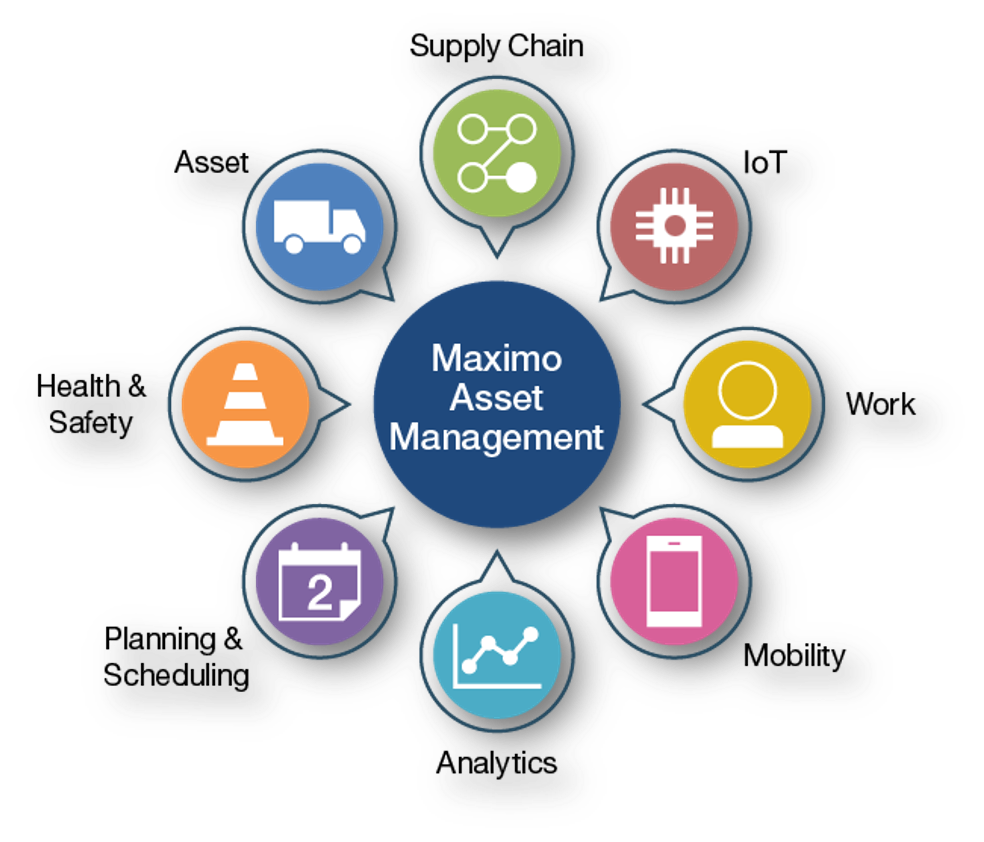
At its heart, IBM Maximo is a sophisticated EAM system. This means its primary purpose is to track, manage, and maintain physical assets throughout their entire lifecycle. These assets can range from tangible items like buildings, machinery, vehicles, and infrastructure (e.g., bridges, pipelines) to less tangible but equally vital components like IT hardware and even software licenses. The “system” aspect highlights its integrated nature, bringing together various modules and functionalities to provide a holistic view of asset management.
The Pillars of Enterprise Asset Management
To truly grasp what Maximo is, we must understand the fundamental pillars of EAM that it addresses:
Asset Tracking and Inventory Management
Before any management can occur, an organization needs to know what assets it possesses, where they are located, and their current condition. Maximo excels at creating and maintaining a detailed inventory of all assets. This includes capturing critical information such as asset ID, serial number, manufacturer, model, installation date, location, and current status. This foundational data is crucial for everything that follows, from maintenance scheduling to financial depreciation. Effective inventory management also extends to spare parts and materials required for maintenance, ensuring that the right components are available when needed, thereby minimizing downtime.
Work Management and Planning
A significant portion of EAM revolves around managing the work required to keep assets operational. Maximo provides a robust framework for planning, scheduling, and executing maintenance tasks. This encompasses:
- Preventive Maintenance (PM): Proactively scheduling maintenance activities based on time intervals, meter readings, or usage statistics to prevent failures before they occur. This is a cornerstone of reducing reactive repairs and extending asset life.
- Condition-Based Maintenance (CBM): Utilizing sensor data and real-time monitoring to trigger maintenance only when an asset’s condition deteriorates to a certain point, optimizing resource allocation and avoiding unnecessary interventions.
- Corrective Maintenance (CM): Managing unplanned repairs that arise from asset failures or breakdowns. Maximo streamlines the process of creating work orders, assigning technicians, tracking parts usage, and recording labor, ensuring that repairs are handled efficiently and that lessons learned are captured for future prevention.
- Inspections: Facilitating scheduled and ad-hoc inspections to assess asset condition, identify potential issues, and ensure compliance with safety and regulatory standards.
Service Request and Work Order Management
Maximo provides a centralized platform for initiating, tracking, and managing all types of maintenance requests. Users can submit service requests, which are then reviewed and converted into work orders if necessary. Work orders are the backbone of maintenance execution in Maximo, detailing the tasks to be performed, the resources (labor, parts, tools) required, safety procedures, and the estimated completion time. The system facilitates the assignment of work orders to appropriate technicians or teams, tracks progress, and documents all activities and costs associated with the repair or maintenance task. This granular level of detail is essential for performance analysis and cost control.
Procurement and Inventory Integration
Effective asset management is intrinsically linked to the supply chain. Maximo integrates with procurement and inventory systems to ensure that spare parts and materials are readily available for maintenance activities. This includes managing purchase requisitions, purchase orders, receiving, and stock adjustments. By aligning maintenance needs with procurement processes, organizations can avoid stockouts of critical parts, optimize inventory levels, and reduce holding costs, directly impacting operational efficiency and financial performance.
Health, Safety, and Environment (HSE)
Modern asset management systems must prioritize the safety of personnel and the protection of the environment. Maximo incorporates HSE functionalities to help organizations manage risks associated with maintenance activities. This includes:
- Permit to Work Systems: Ensuring that hazardous tasks are properly authorized and that all necessary safety precautions are in place before work begins.
- Incident Reporting and Investigation: Providing a mechanism for reporting safety incidents, near misses, and environmental spills, and facilitating thorough investigations to prevent recurrence.
- Regulatory Compliance: Helping organizations meet industry-specific and governmental regulations related to asset operation, maintenance, and environmental impact.
The Technological Foundation of Maximo
While the functionalities are paramount, the technological underpinnings of Maximo are what enable its robust capabilities.
Scalability and Flexibility
Maximo is designed to be a highly scalable solution, capable of managing assets for organizations of all sizes, from small businesses to large multinational corporations. Its modular architecture allows organizations to implement only the functionalities they need and to expand their deployment as their requirements evolve. This flexibility ensures that Maximo can adapt to changing business needs and technological advancements.
Integration Capabilities
In today’s interconnected business environment, no system operates in isolation. Maximo offers extensive integration capabilities, allowing it to connect with other enterprise systems such as ERP (Enterprise Resource Planning), SCADA (Supervisory Control and Data Acquisition), GIS (Geographic Information Systems), IoT (Internet of Things) platforms, and financial management systems. This interoperability ensures a seamless flow of data across the organization, providing a unified view of operations and enabling more informed decision-making. For example, integrating with SCADA systems allows for the real-time monitoring of asset performance, which can then trigger automated work orders in Maximo for proactive maintenance.
Advanced Analytics and Reporting
A key differentiator of Maximo is its ability to leverage data for actionable insights. The system provides powerful reporting and analytics tools that enable organizations to:
- Monitor Key Performance Indicators (KPIs): Track metrics such as asset uptime, maintenance costs, work order completion rates, and mean time between failures (MTBF).
- Identify Trends and Root Causes: Analyze historical data to understand recurring issues, identify the root causes of asset failures, and implement targeted corrective actions.
- Optimize Maintenance Strategies: Use data-driven insights to refine preventive maintenance schedules, improve resource allocation, and reduce overall maintenance expenditures.
- Predictive Maintenance: With the integration of IoT data and advanced analytics, Maximo can move beyond preventive and condition-based maintenance towards truly predictive capabilities, forecasting potential failures with greater accuracy.
User Experience and Accessibility
IBM has continually focused on improving the user experience of Maximo. Modern versions offer intuitive interfaces, mobile capabilities, and role-based dashboards, making it easier for different user groups – from field technicians to maintenance managers – to access and utilize the system effectively. Mobile access is particularly critical for field technicians, allowing them to receive work orders, update task status, capture data, and access asset information directly from their mobile devices, significantly improving efficiency and data accuracy.
The Strategic Advantages of Implementing Maximo
Adopting an EAM system like Maximo is not merely a technological upgrade; it’s a strategic business decision with far-reaching benefits. Organizations that effectively implement and utilize Maximo often realize substantial improvements across several key areas.
Enhancing Operational Efficiency and Reliability
One of the most immediate and tangible benefits of Maximo is its impact on operational efficiency. By streamlining maintenance processes, organizations can reduce asset downtime, minimize production interruptions, and ensure that operations run more smoothly and reliably.
Minimizing Unplanned Downtime
Unplanned asset failures can be incredibly costly, leading to lost production, missed delivery deadlines, and emergency repair expenses. Maximo’s focus on preventive and condition-based maintenance significantly reduces the likelihood of these disruptive events. By proactively addressing potential issues, organizations can maintain a higher level of operational availability.
Optimizing Resource Allocation
Maximo provides visibility into labor availability, skills, and current workloads, enabling maintenance managers to assign tasks to the most qualified personnel and to balance workloads effectively. This prevents over-allocation of resources on one task while others are delayed, leading to more efficient utilization of the maintenance workforce. Similarly, managing spare parts inventory ensures that necessary components are available without excessive stock, freeing up capital and warehouse space.
Streamlining Workflows
The structured approach of Maximo to work order management, from request initiation to completion and closure, standardizes maintenance processes. This reduces confusion, minimizes the chances of tasks being overlooked, and ensures that all necessary steps are followed. The digital nature of these workflows also speeds up communication and approval processes.
Driving Cost Savings and Financial Control
Beyond operational improvements, Maximo offers significant financial benefits by providing better control over maintenance expenditures and contributing to the overall profitability of the organization.
Reducing Maintenance Costs
While there is an upfront investment in implementing and maintaining an EAM system, the long-term cost savings are substantial. By preventing major failures, optimizing PM schedules, and improving the efficiency of repair tasks, organizations can significantly reduce overall maintenance spend. This includes lower costs for emergency repairs, reduced overtime, and more efficient use of parts and labor.
Improving Budgeting and Forecasting
Maximo’s detailed historical data on maintenance activities, parts usage, and labor hours provides a solid basis for more accurate budgeting and forecasting of future maintenance expenses. This financial predictability allows for better financial planning and resource allocation.
Enhancing Asset Lifecycle Value
By extending the useful life of assets through effective maintenance and by optimizing the timing of replacements, Maximo contributes to maximizing the return on investment for each asset. This holistic view of asset value, from acquisition through disposal, is a critical component of strategic financial management.
Supporting Strategic Decision-Making and Compliance
The data and insights generated by Maximo extend beyond the maintenance department, informing strategic decisions across the organization and ensuring adherence to critical standards.
Informed Capital Planning
By analyzing asset performance, remaining useful life, and total cost of ownership, Maximo provides valuable data to support decisions regarding capital expenditures for asset replacement or upgrades. Instead of relying on guesswork, organizations can make data-driven choices about when and where to invest in new assets.
Ensuring Regulatory Compliance
Many industries are subject to strict regulations regarding asset safety, environmental impact, and operational standards. Maximo’s robust tracking and reporting capabilities help organizations demonstrate compliance, generate audit trails, and proactively manage risks associated with non-compliance, thereby avoiding potential fines and reputational damage.
Enhancing Safety Culture
By integrating HSE functionalities, Maximo helps organizations foster a stronger safety culture. The ability to manage permits to work, report and investigate incidents, and track safety-related training contributes to a safer working environment for all personnel involved in asset operation and maintenance.
The Evolution and Future of Maximo
The Maximo system is not static; it has continuously evolved to meet the changing demands of industries and the advancements in technology. Its journey reflects the broader trends in enterprise software and asset management.
From On-Premise to Cloud and Hybrid Models
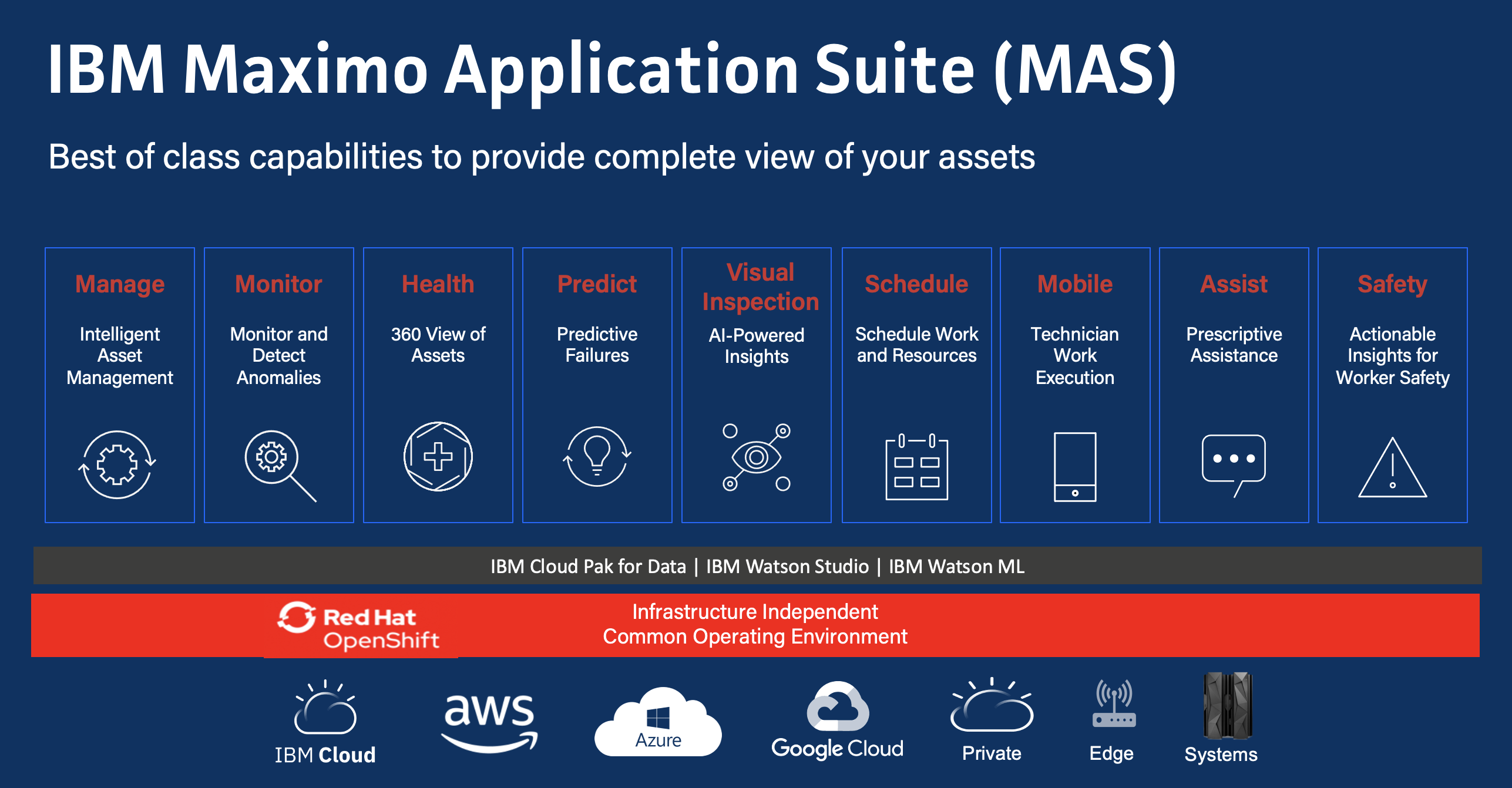
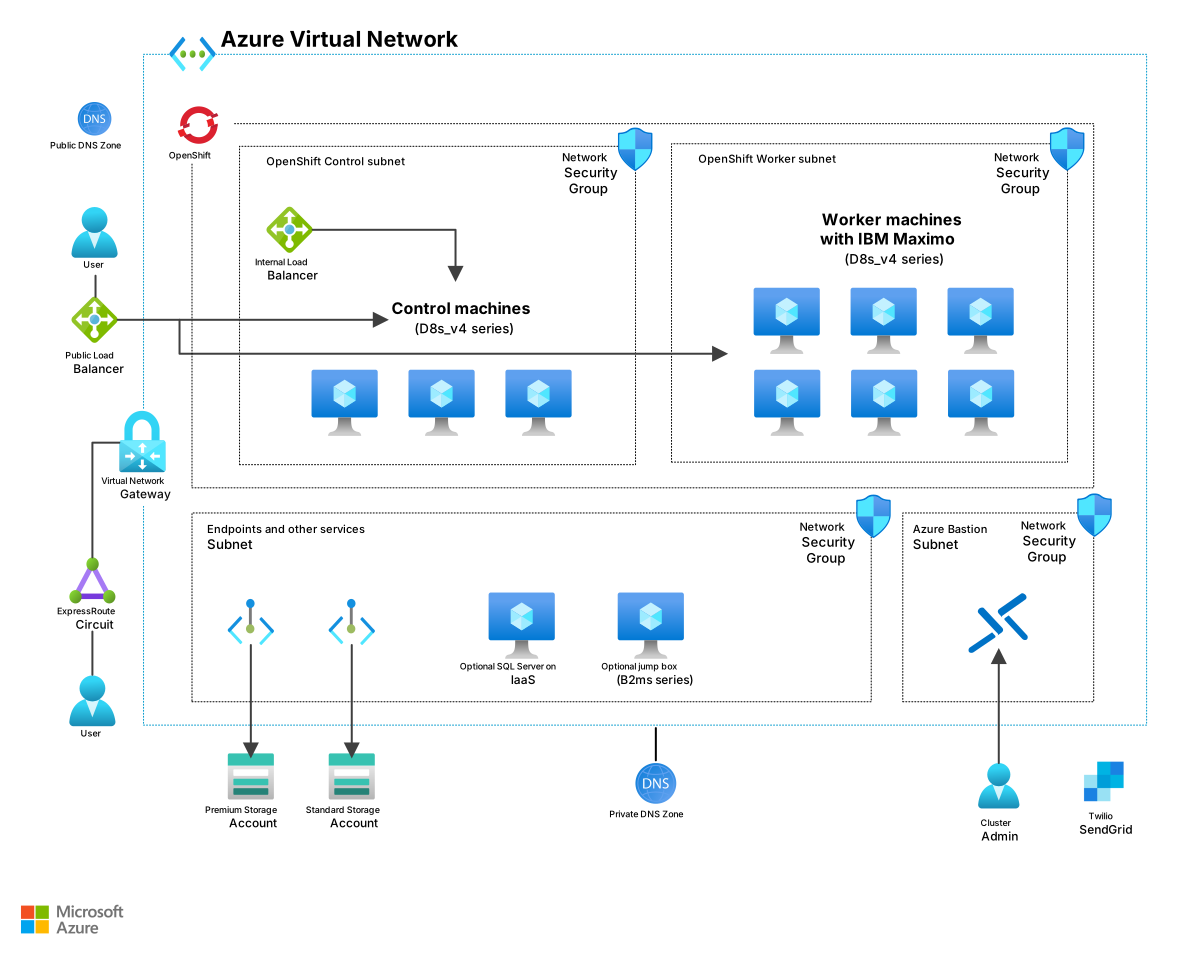
Historically, Maximo was primarily deployed on-premises, requiring significant IT infrastructure and management. However, with the advent of cloud computing, IBM has embraced a range of deployment options. Organizations can now choose between on-premises installations, fully cloud-hosted solutions (SaaS – Software as a Service), or hybrid models that combine elements of both. Cloud deployments offer greater agility, scalability, and reduced IT overhead, allowing organizations to focus on core business functions rather than system maintenance.
The Impact of IoT and AI on Maximo
The integration of the Internet of Things (IoT) and Artificial Intelligence (AI) is profoundly reshaping EAM. Maximo is at the forefront of this evolution:
- IoT Integration: Sensors embedded in assets can continuously stream real-time data about their condition, performance, and operating environment. Maximo can ingest this data, enabling advanced monitoring and triggering maintenance actions based on actual operational parameters rather than just scheduled intervals. This moves EAM from a reactive or preventive model to a truly proactive and predictive one.
- AI and Machine Learning: AI and machine learning algorithms can analyze vast datasets from IoT devices and historical maintenance records to identify subtle patterns, predict potential failures with greater accuracy, and even recommend optimal maintenance strategies. AI can also automate routine tasks, assist technicians with troubleshooting through AI-powered knowledge bases, and optimize work order scheduling.
Expanding Beyond Traditional EAM
While its core remains EAM, Maximo’s capabilities have expanded to encompass broader areas of asset lifecycle management and operational intelligence. This includes:
- Field Service Management: Enhanced mobile capabilities and workflow management for field service operations, improving technician productivity and customer satisfaction.
- Asset Performance Management (APM): Moving beyond just managing maintenance to actively improving the performance and reliability of assets through advanced analytics and predictive insights.
- Integration with Digital Twins: As digital twin technology matures, Maximo is poised to integrate with these virtual replicas of physical assets, allowing for simulation, analysis, and optimization in a virtual environment that directly informs real-world maintenance and operational decisions.
Conclusion
In essence, the “Maximo System” is a comprehensive and powerful Enterprise Asset Management platform that empowers organizations to take control of their physical assets. It moves beyond basic tracking to provide sophisticated tools for planning, executing, and optimizing maintenance, ensuring operational efficiency, driving cost savings, and supporting strategic decision-making. As technology continues to advance, particularly with the integration of IoT and AI, Maximo is set to remain a critical component of how businesses manage their most valuable physical resources, ensuring their reliability, longevity, and optimal performance in an increasingly complex and demanding operational landscape.
aViewFromTheCave is a participant in the Amazon Services LLC Associates Program, an affiliate advertising program designed to provide a means for sites to earn advertising fees by advertising and linking to Amazon.com. Amazon, the Amazon logo, AmazonSupply, and the AmazonSupply logo are trademarks of Amazon.com, Inc. or its affiliates. As an Amazon Associate we earn affiliate commissions from qualifying purchases.