
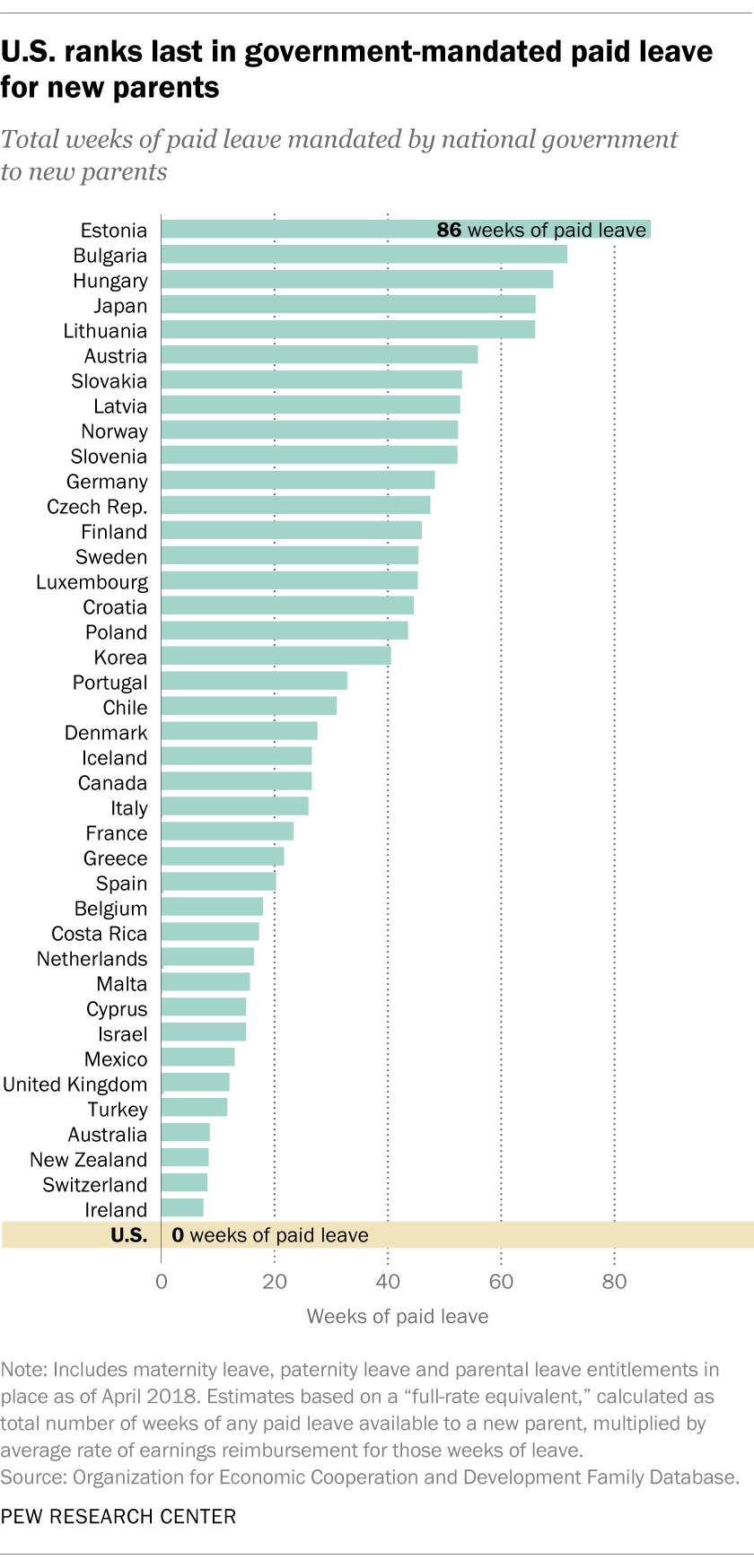
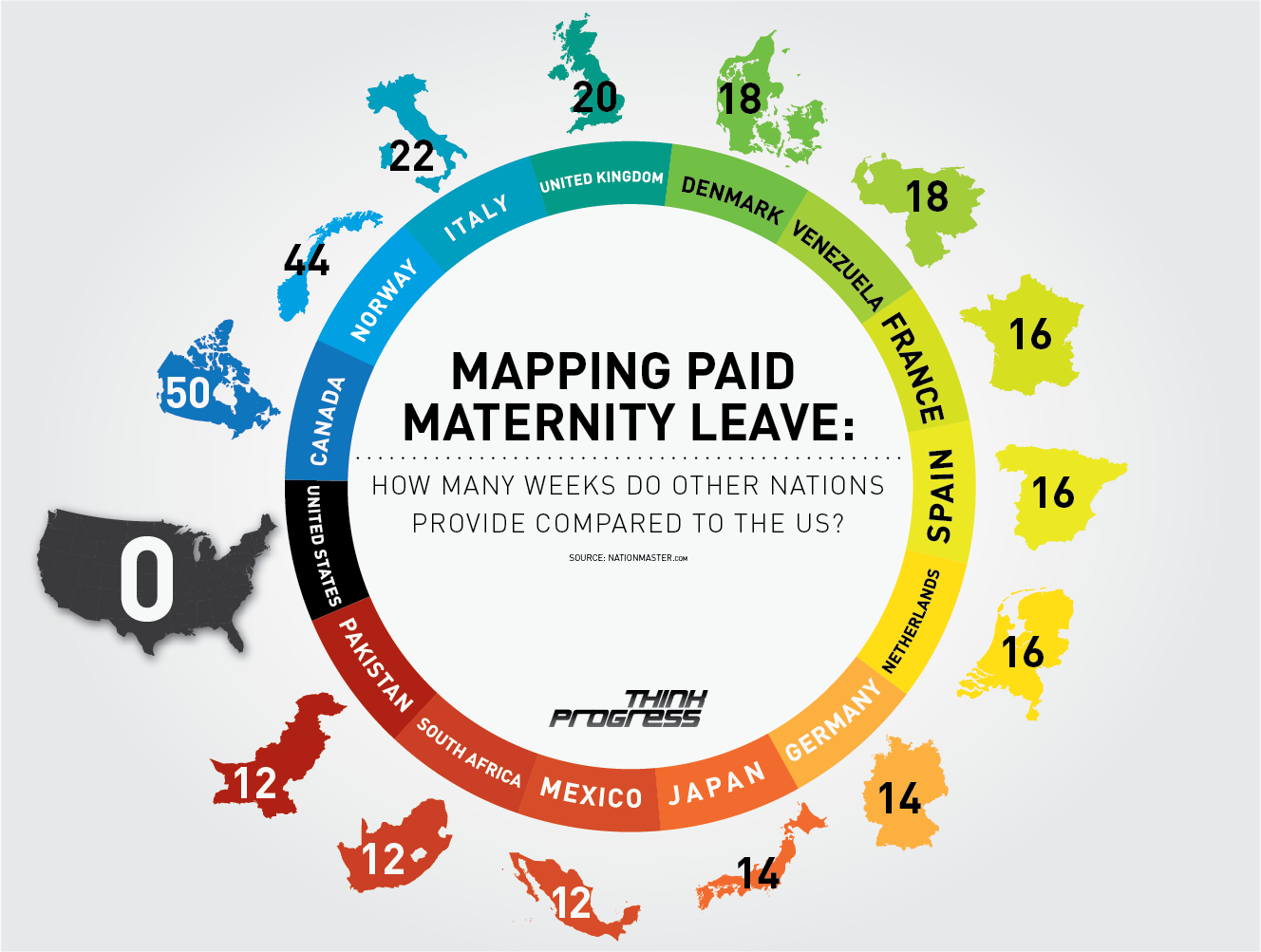
Maternity leave in the United States is a complex and often misunderstood aspect of financial planning for new parents. Unlike many developed nations that guarantee robust paid parental leave at the federal level, the U.S. system is a patchwork of federal, state, and employer-specific policies. For individuals and families, understanding these intricate layers is crucial for navigating the significant financial implications of welcoming a new child. From lost income to healthcare costs and long-term financial stability, the monetary impact of maternity leave demands careful consideration and proactive planning.
Understanding the Financial Landscape of Parental Leave
The financial reality of maternity leave in the U.S. begins with understanding the core legal frameworks that govern it. While job protection is paramount, income replacement remains a significant challenge for many.
The Federal Framework: FMLA and Unpaid Leave
At the federal level, the primary legislation addressing parental leave is the Family and Medical Leave Act (FMLA) of 1993. This act provides eligible employees with up to 12 weeks of unpaid, job-protected leave for specific family and medical reasons, including the birth of a child and to care for the newborn. While FMLA ensures that an employee’s job, and often their health benefits, are protected during this period, it explicitly does not mandate paid leave.
To be eligible for FMLA, an employee must meet several criteria:
- Work for a covered employer (typically private-sector employers with 50 or more employees within 75 miles, and all public agencies).
- Have worked for the employer for at least 12 months.
- Have worked at least 1,250 hours during the 12 months prior to the leave.
The critical takeaway for financial planning is that FMLA, while vital for job security, offers no direct income stream. Families relying solely on FMLA must prepare for a complete absence of wages during their leave, necessitating substantial savings or alternative income sources.
State-Level Initiatives: Paid Family Leave Programs
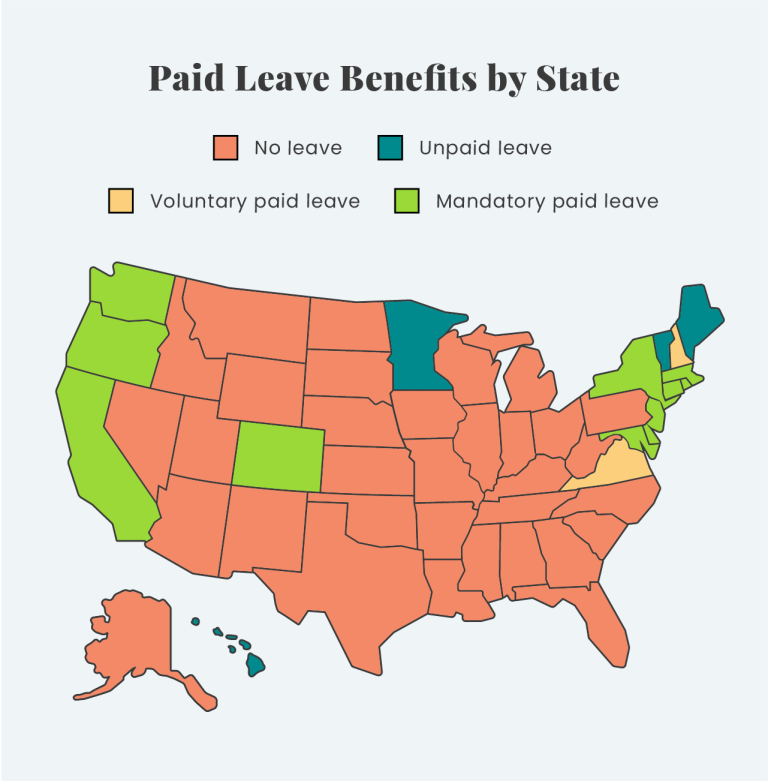
Recognizing the financial gap left by FMLA, several U.S. states have implemented their own paid family leave (PFL) programs. These state-level initiatives aim to provide partial wage replacement for eligible workers taking time off for family reasons, including maternity leave. As of early 2024, states like California, New Jersey, New York, Rhode Island, Washington, Massachusetts, Oregon, Colorado, Delaware, Maryland, and Connecticut have enacted such programs, with more states considering similar legislation.
Each state program varies in its specifics, but common characteristics include:
- Funding: Typically funded through small employee payroll deductions (similar to unemployment or disability insurance) or employer contributions.
- Benefit Amount: Provides a percentage of the employee’s regular wages, often capped at a maximum weekly amount. This percentage can range from 60% to over 90% of an individual’s average weekly wage, up to the cap.
- Duration: The length of paid leave varies by state, ranging from 8 to 12 weeks or more for bonding with a new child.
- Eligibility: Criteria often include a minimum amount earned in a base period, employment with a covered employer, and state residency.
For residents in these states, understanding the specifics of their PFL program is paramount. It can significantly offset income loss during maternity leave, though it rarely covers 100% of wages, still requiring families to budget for a reduced income.
Navigating Employer-Provided Benefits and Private Options
Beyond federal and state mandates, a significant portion of the financial support for maternity leave comes from individual employers and private insurance options. These benefits often bridge the gap between job protection and sufficient income replacement.
Company Policies: The Role of Employer-Sponsored Leave
Many employers, particularly larger corporations, offer their own paid maternity leave benefits that can supplement or even surpass state and federal provisions. These policies are a critical component of a company’s benefits package, designed to attract and retain talent. Employer-provided leave can take various forms:
- Dedicated Paid Parental Leave: A specific number of weeks fully or partially paid by the company.
- Short-Term Disability (STD): For birth parents, short-term disability insurance is a common mechanism for income replacement. If offered as an employer-sponsored benefit, it typically covers a percentage of the employee’s salary (e.g., 60% to 100%) for a specified period (e.g., 6-8 weeks for a vaginal birth, longer for a C-section), treating childbirth as a temporary disability.
- Use of Accumulated PTO/Sick Days: Employees may be required or allowed to use accrued vacation, sick, or personal time to cover portions of their leave, particularly if other paid options are exhausted or insufficient.
The availability and generosity of employer-sponsored leave vary dramatically by company size, industry, geographic location, and even job role. Researching and understanding your company’s specific policies well in advance of a planned pregnancy is crucial for financial planning.
Private Short-Term Disability Insurance for Income Protection
For individuals whose employers do not offer robust paid leave, or who do not qualify for state-level PFL programs, private short-term disability insurance can serve as a vital financial safety net. These policies are purchased directly by the individual and provide a predetermined income replacement for a period when they are unable to work due to illness, injury, or childbirth.
Key considerations for private STD policies include:
- Premiums: The cost of the policy, which can vary based on age, health, income, and the level of coverage desired.
- Waiting Periods: A period after the policy takes effect and before benefits begin (e.g., 14 days for illness, but often waived for childbirth if the policy was in force for a sufficient period before conception).
- Benefit Period: The maximum duration for which benefits will be paid (e.g., 6 weeks, 12 weeks, or longer).
- Coverage Amount: The percentage of pre-disability income the policy will replace, typically ranging from 50% to 70%.
Purchasing a private STD policy usually requires planning far in advance, as most insurers will not cover pregnancies that are pre-existing conditions at the time of purchase. Evaluating the cost of premiums against the potential financial risk of lost income is an essential part of financial preparedness.
The Financial Impact and Planning for Maternity Leave
The financial impact of maternity leave extends beyond immediate income replacement. It encompasses budgeting for new expenses, strategic use of existing resources, and considering long-term career and financial trajectories.
Budgeting for Reduced or Lost Income
The most immediate financial challenge of maternity leave is the potential for reduced or lost income. Proactive budgeting is non-negotiable.
- Pre-Leave Budget Assessment: Create a detailed budget identifying all current income and expenses. Pinpoint areas where spending can be reduced.
- Savings Strategy: Prioritize building an emergency fund that can cover several months of essential living expenses, especially if your leave will be unpaid or partially paid. Many financial advisors recommend saving enough to cover at least 3-6 months of expenses, with more for significant life changes.
- Anticipate New Expenses: Beyond reduced income, new parents face a cascade of new expenses, including baby supplies (diapers, formula, clothing), medical co-pays, and potentially increased utility bills. Critically, plan for future childcare costs, which can be one of the largest ongoing expenses for families.
Maximizing Financial Resources During Leave
Strategically combining available leave types can help optimize financial stability.
- Stacking Benefits: Understand if you can combine different forms of leave. For instance, can you use FMLA concurrently with state PFL? Can you supplement paid STD benefits with accrued vacation days to reach a higher percentage of your income?
- Tax Implications: Be aware that different forms of leave income may be taxed differently. PFL benefits, for example, are often considered taxable income, while employer-sponsored benefits might be subject to different withholding rules. Consult with a tax professional to understand your obligations.
- Exploring Flexible Work Options: Discuss with your employer the possibility of a phased return to work, part-time work, or remote work arrangements following your leave. Even a partial return can significantly alleviate financial pressure.
Long-Term Financial Planning and Career Impact
The financial implications of maternity leave can extend far beyond the leave period, influencing a parent’s long-term earning potential and retirement savings.
- The “Motherhood Penalty”: Research indicates that mothers often experience a “motherhood penalty,” which can include reduced wages, fewer promotions, and lower lifetime earnings compared to women without children or men. This is often due to career breaks, reduced hours, or perceived reduced commitment.
- Mitigating Impact: To counter this, consider strategies like maintaining professional networks during leave, planning for skill refreshers, and negotiating flexible work arrangements that support career progression while managing family responsibilities.
- Retirement and Investments: During periods of reduced income, it’s tempting to pause retirement contributions or investment activities. While sometimes necessary, try to maintain some level of contribution, even if reduced, to benefit from compound interest over the long term. Re-evaluate your financial goals and adjust investment strategies as needed post-leave.
Emerging Trends and Future Outlook in Parental Leave
The landscape of maternity leave in the U.S. is not static. Evolving societal expectations and economic realities continue to shape policies and practices, offering a glimpse into future financial support for families.
The Push for Federal Paid Leave Legislation
There is an ongoing and significant political push for a national paid family and medical leave program in the United States. Various proposals have been debated in Congress, aiming to provide a federal baseline for paid leave, often through a national fund or tax credit system. If such legislation were to pass, it would fundamentally alter the financial planning for maternity leave across all states, potentially offering a more consistent and reliable income stream for new parents nationwide. This would represent a monumental shift, easing the financial burden on millions of families and potentially reducing the reliance on disparate state and employer policies.
Expanding Definitions and Inclusivity
The conversation around “maternity leave” is increasingly broadening to “parental leave” or “family leave.” This shift reflects a growing recognition of the role of all parents—fathers, adoptive parents, and non-birth parents—in caring for a new child. Many progressive companies and state programs are now offering gender-neutral parental leave benefits, allowing both parents to take paid time off. From a financial perspective, this inclusivity allows families to strategically distribute leave, potentially maximizing overall household income during the bonding period and fostering more equitable financial and caregiving responsibilities.
The Business Case for Comprehensive Leave Policies
Beyond legal mandates and social equity, there’s a growing understanding of the strong business case for comprehensive parental leave policies. Companies that offer robust paid leave often report benefits such as:
- Improved Employee Retention: Employees are more likely to return to their jobs after leave, reducing recruitment and training costs.
- Enhanced Recruitment: Generous leave policies are a significant differentiator in a competitive job market.
- Increased Employee Morale and Productivity: Employees who feel supported by their employers are generally more engaged and productive.
- Reduced Turnover Costs: The cost of replacing an employee can be substantial, often exceeding 100% of their annual salary. Investing in paid leave can be a more cost-effective strategy than dealing with high turnover.
As businesses increasingly recognize these financial advantages, the trend toward more comprehensive and inclusive parental leave benefits is likely to continue, offering better financial stability for new parents.
Understanding maternity leave in the U.S. is a financial endeavor that requires diligence, foresight, and a comprehensive awareness of federal, state, and employer-specific resources. For expecting parents, knowledge and preparation are the most powerful tools in navigating this complex financial journey.
aViewFromTheCave is a participant in the Amazon Services LLC Associates Program, an affiliate advertising program designed to provide a means for sites to earn advertising fees by advertising and linking to Amazon.com. Amazon, the Amazon logo, AmazonSupply, and the AmazonSupply logo are trademarks of Amazon.com, Inc. or its affiliates. As an Amazon Associate we earn affiliate commissions from qualifying purchases.