
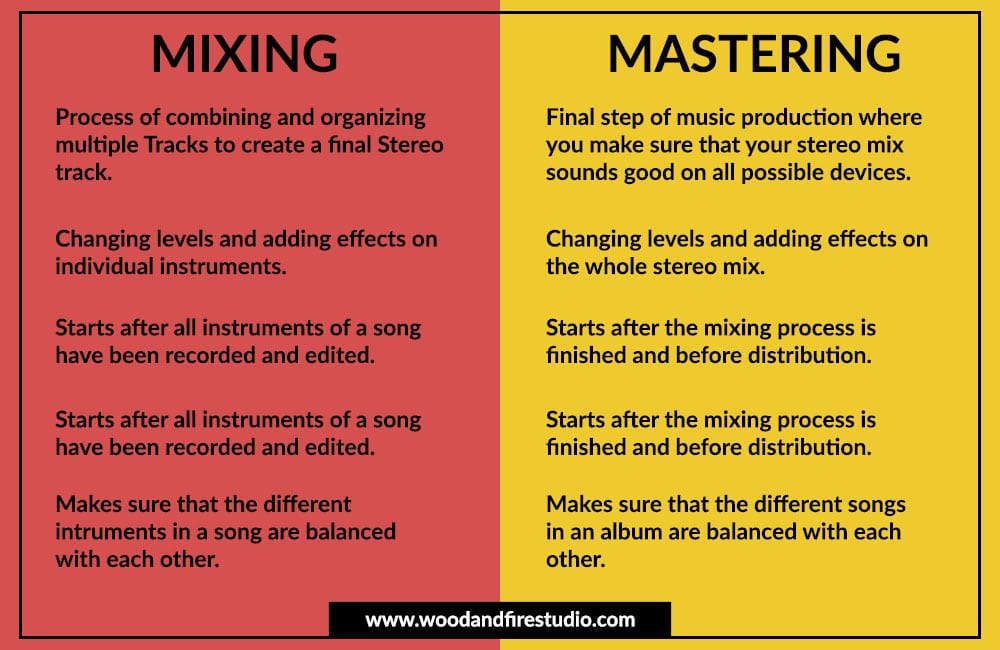
Mastering a song represents the final, crucial technical stage in audio production, transforming a mixed track into a polished, commercially ready product. It’s the process that ensures your music sounds its absolute best on any playback system, from high-fidelity studio monitors to earbuds, car stereos, and club sound systems. Far beyond simply making a track louder, mastering is a meticulous blend of technical expertise and artistic ear, leveraging advanced technology to optimize a song’s sonic characteristics for distribution and consumption across diverse platforms. This technological endeavor involves specialized software, sophisticated hardware, and a deep understanding of acoustics and psychoacoustics to achieve a professional, competitive sound.

The Crucial Role of Mastering in Audio Production
Mastering acts as the bridge between the creative mixing process and the final listener experience, a critical technical gatekeeper that addresses both the artistic and technical demands of modern audio distribution. Without proper mastering, even a brilliantly mixed song can sound amateurish, unbalanced, or lack the necessary impact and clarity when placed alongside professionally mastered tracks.
Bridging the Gap Between Mix and Release
The primary function of mastering is to take the stereo mixdown—the culmination of all individual tracks, instruments, and vocals blended together—and enhance it to meet professional broadcast and commercial standards. A mastering engineer scrutinizes the mix for subtle imperfections, inconsistencies, and areas that could benefit from a final layer of sonic refinement. This often involves correcting tonal imbalances, optimizing dynamics, enhancing clarity, and ensuring a cohesive sound across an entire album or EP. The goal is to maximize the song’s sonic potential, ensuring it translates well across different playback environments while preserving the artistic intent of the mix engineer and artist. It’s about achieving a balance of loudness, punch, spaciousness, and overall fidelity that is both pleasing to the ear and technically compliant with industry standards.
Ensuring Consistency and Quality Across Platforms
In today’s diverse media landscape, music is consumed on an unprecedented array of devices and streaming services, each with its own technical specifications and playback characteristics. Mastering addresses this challenge head-actively, preparing tracks to sound consistent and impactful whether streamed on Spotify, downloaded from iTunes, played on a CD, or broadcast on radio. This involves optimizing the loudness level to comply with various streaming platform requirements (e.g., LUFS standards), ensuring that the dynamic range is appropriate for the genre and target audience, and meticulously checking for any potential technical anomalies or artifacts that might become apparent during distribution. The mastering engineer, through the application of sophisticated digital signal processing (DSP) and analog hardware, ensures that the audio remains clean, articulate, and powerful, maintaining its sonic integrity regardless of the playback medium or format.
Key Technical Processes and Tools in Mastering
The mastering chain involves a suite of highly specialized technical processes, each executed with precision using dedicated software plugins, standalone applications, or high-end analog equipment. These processes are not applied in isolation but work synergistically to sculpt the final sound.
Equalization and Tonal Balance
Equalization (EQ) in mastering is about refining the overall tonal balance of a track. Unlike mixing EQ, which targets individual instruments, mastering EQ addresses the entire stereo field. This could involve subtle adjustments to enhance clarity in the midrange, add warmth to the low end, or bring sparkle to the high frequencies. Engineers use highly transparent, phase-coherent EQs, often employing digital linear-phase EQs for surgical precision or high-quality analog EQs for their distinctive sonic character. The aim is to create a balanced frequency spectrum that translates well across systems, avoiding harshness, muddiness, or a lack of presence. Analytical tools like spectrum analyzers are crucial here, providing visual feedback on the frequency distribution.
Dynamics Processing: Compression and Limiting
Dynamics processing is perhaps the most defining aspect of modern mastering. Compressors are used to subtly reduce the dynamic range, making quieter parts louder and louder parts softer, thereby increasing perceived loudness and glueing elements of the mix together. Limiters, on the other hand, are an extreme form of compression, acting as a “brick wall” to prevent audio signals from exceeding a certain amplitude (0 dBFS in digital audio), thereby maximizing the overall loudness without introducing clipping distortion. Mastering engineers employ highly transparent and often multi-band compressors and limiters to achieve a competitive loudness while preserving the song’s punch and transient detail. The careful application of these tools is critical to achieving a powerful, impactful sound without crushing the life out of the music.
Stereo Imaging and Widening
Stereo imaging refers to the perceived width and depth of the soundstage. In mastering, engineers may subtly adjust the stereo image to enhance spaciousness, focus the center elements (like vocals and kick/snare), or widen the overall presentation. This is achieved using techniques like M/S (Mid/Side) processing, which allows independent manipulation of the center (mid) and side (stereo difference) components of the audio. Specialized stereo widening plugins can also be employed, but these are used judiciously to avoid phase issues or a loss of mono compatibility, which is crucial for radio play and many playback systems.
Dithering and Noise Shaping
When reducing the bit depth of an audio file (e.g., from 24-bit to 16-bit for CD release), a process called “quantization error” occurs, which can manifest as audible distortion. Dithering is the process of adding a small amount of random noise to the audio signal to mask this quantization error, effectively pushing it below the threshold of human hearing. Noise shaping is a related technique that strategically moves the energy of this dither noise to less audible frequency ranges. These processes are vital for maintaining the highest possible fidelity when converting to lower bit depths, ensuring that subtle details are preserved without introducing digital artifacts.
Reference Tracks and Analytical Tools
Mastering engineers heavily rely on a carefully curated selection of reference tracks—professionally mastered songs in the same genre—to guide their decisions. These references provide a sonic benchmark for loudness, tonal balance, dynamics, and overall feel. Alongside their ears, engineers use an array of analytical software tools. Spectrograms visualize the frequency content over time, correlation meters check for phase coherence, vectorscopes display stereo image information, and loudness meters (like those measuring LUFS) ensure compliance with target levels for streaming and broadcast. These tools provide objective data that complements subjective listening, ensuring technical accuracy and competitive quality.
Software and Hardware at the Core of a Mastering Studio
A modern mastering studio is a sophisticated technical environment, blending high-end digital audio workstations (DAWs), specialized plugins, and often, a selection of revered analog equipment, all anchored by an uncompromising monitoring system. The synergy of these technologies allows for unparalleled precision and sonic fidelity.
Digital Audio Workstations (DAWs) for Mastering
While many DAWs can handle audio, specialized software environments are often preferred for mastering due to their precision, processing power, and specific feature sets. Applications like Steinberg Wavelab, iZotope Ozone Advanced (which is an all-in-one suite but often integrates into other DAWs), and often Pro Tools with specific mastering plugins, are industry staples. These DAWs offer robust editing capabilities, sophisticated metering, CD burning (DDP image creation), and the ability to chain high-quality plugins with minimal latency and maximal fidelity. They provide a stable and accurate platform for critical listening and precise sonic manipulation.
Essential Mastering Plugins and Effects
The digital realm offers an extensive array of mastering-grade plugins designed to perform tasks like equalization, compression, limiting, multi-band dynamics, and stereo imaging. Leading developers like FabFilter (Pro-Q, Pro-L), Plugin Alliance (various emulations), Waves (linear phase EQ, L-series limiters), and Brainworx create tools that replicate the sonic characteristics of classic analog gear or offer innovative digital solutions. These plugins are built with ultra-high fidelity algorithms, often operating at higher sample rates and bit depths internally to ensure maximum transparency and minimal artifacting. The choice of plugin often depends on the specific sonic character desired and the engineer’s workflow, but the emphasis is always on sonic transparency and precision.
The Importance of High-Quality Monitoring
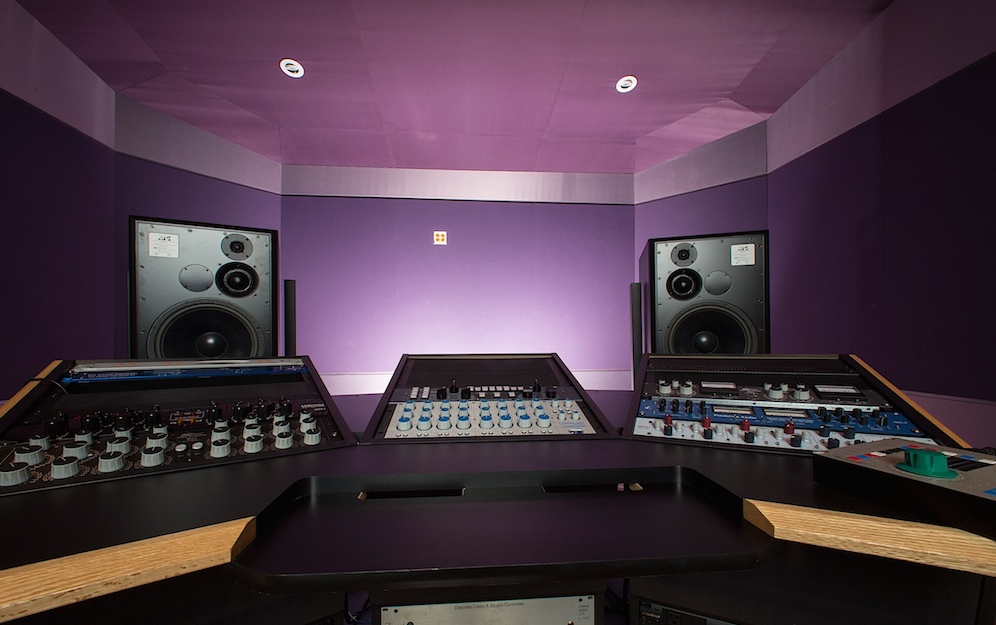
Perhaps the single most critical technological component in a mastering studio is its monitoring system. This includes exceptionally accurate, full-range studio monitors (speakers) and an acoustically treated room. The monitors must offer an uncolored, truthful representation of the audio, allowing the engineer to hear every nuance, every potential problem, and the subtle impact of every processing decision. Paired with a meticulously calibrated listening environment, which minimizes reflections and standing waves, this setup ensures that decisions made in the studio will translate accurately to the outside world. Without an accurate monitoring chain, even the most advanced software and hardware become ineffective, as the engineer cannot reliably perceive the changes they are making.
Analog vs. Digital Approaches
The debate between analog and digital mastering continues, with many modern studios employing a hybrid approach. Analog mastering gear—vintage compressors, EQs, and tape machines—is prized for its unique warmth, harmonic richness, and often, a pleasing non-linear character that digital emulations strive to replicate. Engineers might pass audio through high-end analog processors to impart a specific “mojo” or sonic sheen before digitizing it for final digital processing. Digital mastering, on the other hand, offers unparalleled precision, recallability, and the ability to execute extremely surgical corrections without introducing additional noise or coloration. The hybrid approach leverages the best of both worlds: the distinctive sonic qualities of analog hardware for character and the pristine accuracy and flexibility of digital tools for fine-tuning and compliance.
Emerging Technologies and the Future of Mastering
The field of audio mastering is continuously evolving, driven by advancements in digital signal processing, artificial intelligence, and new audio formats. These emerging technologies promise to reshape workflows and expand creative possibilities for both engineers and artists.
AI and Machine Learning in Automated Mastering
The rise of artificial intelligence and machine learning is profoundly impacting audio production, with automated mastering services gaining traction. Platforms like LANDR, eMastered, and iZotope Ozone’s Master Assistant utilize AI algorithms trained on vast databases of professionally mastered tracks. These tools can analyze a song’s sonic characteristics, identify genre-specific norms, and apply automated processing (EQ, compression, limiting) to achieve a “mastered” output. While these services offer convenience and accessibility, particularly for independent artists on a budget, they currently serve more as a starting point or a quick solution. The nuanced artistic choices and critical listening skills of a human mastering engineer, especially for complex or highly artistic material, remain irreplaceable, though AI will undoubtedly continue to improve and become a more sophisticated co-pilot.
Immersive Audio Formats and Mastering Challenges
The emergence of immersive audio formats like Dolby Atmos and Sony 360 Reality Audio presents significant new challenges and opportunities for mastering. Unlike traditional stereo, which is a two-dimensional experience, immersive audio places sounds at specific points in a 3D space, requiring a fundamentally different approach to mixing and mastering. Mastering for these formats involves optimizing spatial placement, ensuring consistent loudness and clarity across a much wider and deeper soundfield, and adapting traditional mastering techniques to a multi-channel environment. This demands new software tools for spatial processing, multi-channel metering, and specialized monitoring setups (e.g., speaker arrays or binaural headphone rendering) to accurately perceive the immersive experience.
Cloud-Based Mastering Solutions
Beyond AI-driven automation, the broader trend of cloud computing is influencing mastering workflows. Cloud-based platforms are enabling collaborative mastering sessions, remote access to specialized processing power, and secure asset management. This shift allows engineers and artists to work together more efficiently across geographical distances, utilizing shared resources and real-time feedback mechanisms. The security and low-latency demands for professional audio in the cloud are still evolving, but the potential for flexible, scalable mastering solutions is significant, especially for distributed teams and independent artists looking to access high-end processing without significant upfront investment in local hardware.
Practical Considerations for Aspiring Mastering Engineers and Artists
For anyone looking to engage with the mastering process, understanding the technical underpinnings and practical realities is paramount. It’s a field that demands both artistic sensitivity and rigorous technical acumen.
Understanding Technical Specifications for Distribution
One of the most critical aspects of mastering from a technical perspective is ensuring that the final output adheres to the various technical specifications dictated by different distribution platforms. This includes target loudness levels (e.g., -14 LUFS for many streaming services), sample rates (e.g., 44.1 kHz, 48 kHz, 96 kHz), bit depths (e.g., 16-bit, 24-bit), and file formats (e.g., WAV, FLAC, AIFF, MP3, AAC). Mastering engineers are adept at preparing different versions of a master for various uses—a “master for iTunes,” a “master for CD,” a “master for vinyl,” etc.—each with its own specific technical requirements. Failing to meet these specifications can lead to songs being rejected by distributors, or worse, being audibly degraded by automatic processing upon upload.
The Continuous Learning Curve and Tool Proficiency
The world of audio technology is dynamic, with new software, hardware, algorithms, and industry standards emerging regularly. For mastering engineers, continuous learning is not just beneficial but essential. This involves staying abreast of the latest advancements in DSP, understanding new audio codecs, experimenting with emerging plugins and analog gear, and adapting to changes in streaming platform requirements. Proficiency with a diverse set of mastering tools—both analog and digital—and an ongoing commitment to refining one’s ear and technical skills are hallmarks of a successful mastering professional. It’s a field where technical mastery directly translates into sonic excellence.
aViewFromTheCave is a participant in the Amazon Services LLC Associates Program, an affiliate advertising program designed to provide a means for sites to earn advertising fees by advertising and linking to Amazon.com. Amazon, the Amazon logo, AmazonSupply, and the AmazonSupply logo are trademarks of Amazon.com, Inc. or its affiliates. As an Amazon Associate we earn affiliate commissions from qualifying purchases.