
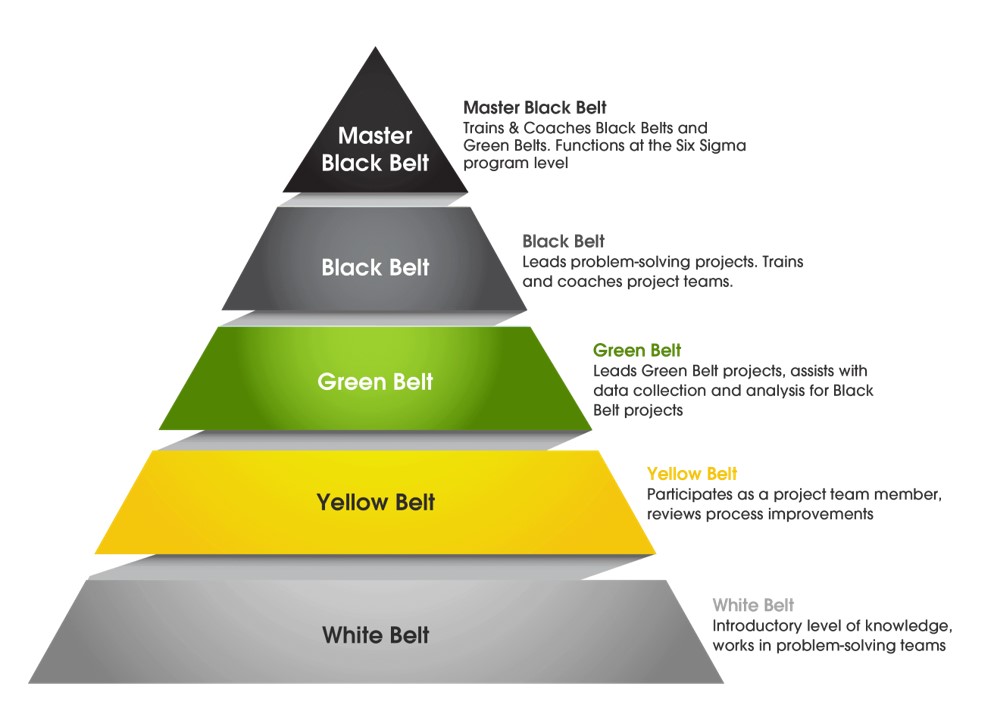
In the sophisticated hierarchy of Lean Six Sigma, the Master Black Belt (MBB) stands at the pinnacle of operational excellence. While a Green Belt focuses on project execution and a Black Belt leads complex, data-driven initiatives, the Master Black Belt functions as the architect of an organization’s continuous improvement culture. They are the strategic advisors, the technical mentors, and the primary conduits between executive leadership and the operational floor. Understanding what it means to be an MBB requires looking beyond technical certification to the core of organizational transformation and business finance optimization.
The Strategic Role of the Master Black Belt
The MBB is not merely a practitioner; they are a catalyst for organizational change. In the context of business finance and operational efficiency, an MBB is responsible for ensuring that improvement initiatives are not just isolated wins, but are aligned with the company’s bottom line. By translating complex statistical outcomes into financial vernacular, they empower leadership to make data-backed investments.

Bridging the Gap Between C-Suite and Operations
The most critical function of a Master Black Belt is their role as a translator. Executives often view process improvement through the lens of EBITDA, cost of goods sold, and shareholder value. Conversely, operational teams view it through the lens of cycle time, defect rates, and resource availability. The MBB sits in the middle, ensuring that the improvements generated on the shop floor or in back-office workflows contribute directly to the financial KPIs that keep the business profitable.
Setting the Strategic Direction
Master Black Belts help define the organizational roadmap. They identify which business units require immediate intervention, which processes are bleeding capital, and where capital investment should be directed to yield the highest Return on Investment (ROI). They act as internal consultants who scrutinize the financial health of processes, ensuring that the cost of implementing a solution never exceeds the financial gain of the improved process.
Technical Mastery and Mentorship
Becoming a Master Black Belt requires a level of statistical and methodological expertise that few achieve. They must have an exhaustive understanding of DMAIC (Define, Measure, Analyze, Improve, Control) and DFSS (Design for Six Sigma). However, their value is realized most effectively through their ability to mentor Black Belts and Green Belts.
Developing Internal Capabilities
A Master Black Belt is responsible for the curriculum and training protocols within an organization. By vetting the projects led by Black Belts, they ensure that the methodology is applied correctly and that the financial impact is accurately calculated. If a Black Belt project claims a $500,000 cost saving, the MBB is the one who audits the math, verifies the P&L impact, and ensures that the savings are “hard” dollars—realized financial gains that reflect in the company’s financial statements—rather than “soft” dollars that offer no tangible benefit to the balance sheet.
Statistical Rigor and Business Analytics
MBBs are the final authority on complex statistical problems. When teams hit a wall with data noise or correlation issues, the MBB applies advanced analytical techniques to extract truth from the data. Their mastery of predictive modeling and multivariate analysis allows them to forecast potential risks in new business ventures, providing a risk-mitigation framework that preserves capital and stabilizes long-term earnings.
Driving Organizational ROI and Financial Sustainability
For an organization, the Master Black Belt is a profit-generating asset. Every minute they spend optimizing a process or mentoring a team is aimed at increasing efficiency and reducing waste, which translates directly into better margins.
Quantifying the Impact of Process Improvement
One of the most vital aspects of an MBB’s work is the validation of financial impact. In any business finance environment, “project savings” can often be a contentious metric. The MBB acts as the auditor of value. They ensure that the improvements made are reflected in the operational budget. For example, if a process improvement reduces headcount requirements or raw material usage, the MBB works with the finance department to capture those savings, ensuring they are documented and realized in the quarterly earnings report.
Eliminating Waste and Reducing Cost of Poor Quality (COPQ)
The Cost of Poor Quality is a hidden drain on business finance. It includes the cost of scrap, rework, warranty claims, and lost customer loyalty. The MBB identifies these “hidden factories” where capital is being burned. By systematically attacking the root causes of COPQ, the MBB transforms expense centers into profit centers. Their ability to visualize the financial impact of a 1% shift in a yield rate allows companies to make smarter, more profitable decisions regarding resource allocation.
The Evolution of the MBB in Modern Business
As organizations move toward more digitized workflows and automated environments, the role of the Master Black Belt has expanded. They are no longer just looking at manufacturing lines; they are looking at financial processes, customer acquisition funnels, and supply chain logistics.
Adapting to Data-Driven Financial Environments
Modern Master Black Belts are increasingly becoming proficient in data visualization tools and automated business intelligence dashboards. By integrating Six Sigma methodology with real-time financial data, they provide leadership with a “command center” view of the company’s financial health. This evolution allows them to pivot strategies rapidly when market conditions fluctuate, ensuring that the business remains agile and financially resilient.
Cultivating a Culture of Fiscal Responsibility
Beyond the technical, an effective MBB fosters a culture of fiscal responsibility across all levels of the workforce. When employees understand how their specific task impacts the company’s financial bottom line, they become more engaged and motivated. The MBB helps demystify financial targets, showing the shop-floor worker that a reduction in defect rates isn’t just a quality metric—it’s a direct contribution to the company’s ability to remain competitive and profitable.
Leadership and Influence
Ultimately, the Master Black Belt is a leader who influences without necessarily having formal hierarchical authority. They must navigate corporate politics, influence project funding decisions, and advocate for long-term investments that might not show immediate returns.
Navigating Corporate Hurdles
In many companies, short-term pressure for quarterly results often clashes with the long-term nature of continuous improvement. The MBB must be a skilled diplomat, capable of explaining to senior management why a six-month investment in a systemic process change will generate superior long-term compound interest compared to a quick, shallow fix. Their credibility is earned through years of successful project delivery, precise financial reporting, and an unwavering commitment to the company’s fiscal health.

The Standard-Bearer for Excellence
The MBB sets the standard for how the organization solves problems. By maintaining high barriers to entry for Black Belt and Green Belt certification, they ensure that only those who can demonstrate a real, measurable impact on the business finance of the firm are leading projects. This gatekeeping function is essential for maintaining the integrity of the improvement program. When the MBB puts their stamp of approval on a project, stakeholders in finance and operations can trust that the data is sound and the economic benefit is real.
In conclusion, the Master Black Belt is a critical pillar of any high-performing, data-driven organization. By combining deep technical proficiency with a keen understanding of business finance, they ensure that every improvement initiative contributes to the overall profitability and sustainability of the firm. They turn abstract statistical data into concrete financial outcomes, guiding organizations toward higher efficiencies and stronger financial health. For any business serious about scaling operations and maximizing ROI, the Master Black Belt is not just an expert—they are an indispensable financial strategist.
aViewFromTheCave is a participant in the Amazon Services LLC Associates Program, an affiliate advertising program designed to provide a means for sites to earn advertising fees by advertising and linking to Amazon.com. Amazon, the Amazon logo, AmazonSupply, and the AmazonSupply logo are trademarks of Amazon.com, Inc. or its affiliates. As an Amazon Associate we earn affiliate commissions from qualifying purchases.