
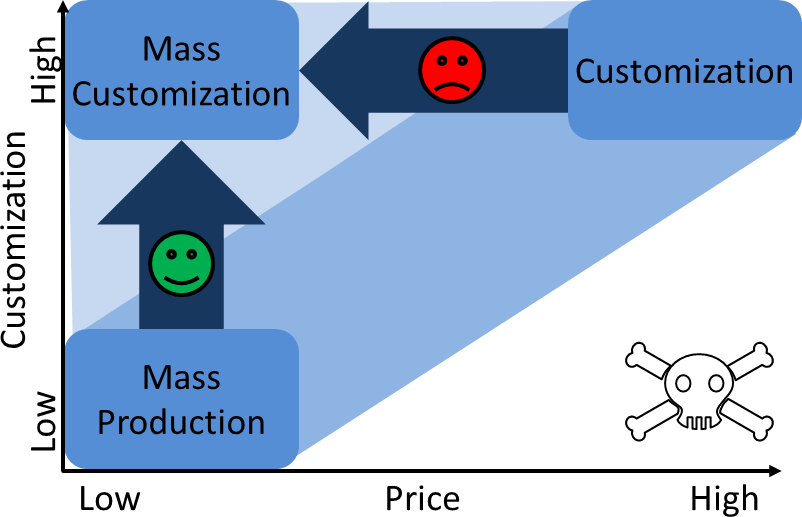
In the traditional landscape of commerce, brands were built on the foundations of scale and uniformity. The industrial age was defined by the efficiency of the assembly line, where the goal was to produce millions of identical products at the lowest possible cost. This era, famously encapsulated by Henry Ford’s quip that customers could have a car in any color as long as it was black, prioritized the brand’s ability to dominate through volume. However, the modern marketplace has undergone a radical shift. Today, the most successful brand strategies are no longer built on “one size fits all.” Instead, they revolve around mass customization—a sophisticated marketing and manufacturing paradigm that combines the low unit costs of mass production with the flexibility and individual resonance of custom-made goods.
Mass customization is more than a logistical feat; it is a powerful brand strategy. It allows companies to treat every customer as a unique segment of one, fostering a level of brand loyalty and emotional connection that traditional mass marketing can rarely achieve. By inviting the consumer into the creative process, brands transform from mere vendors into partners in self-expression.
The Strategic Pillars of Mass Customization in Branding
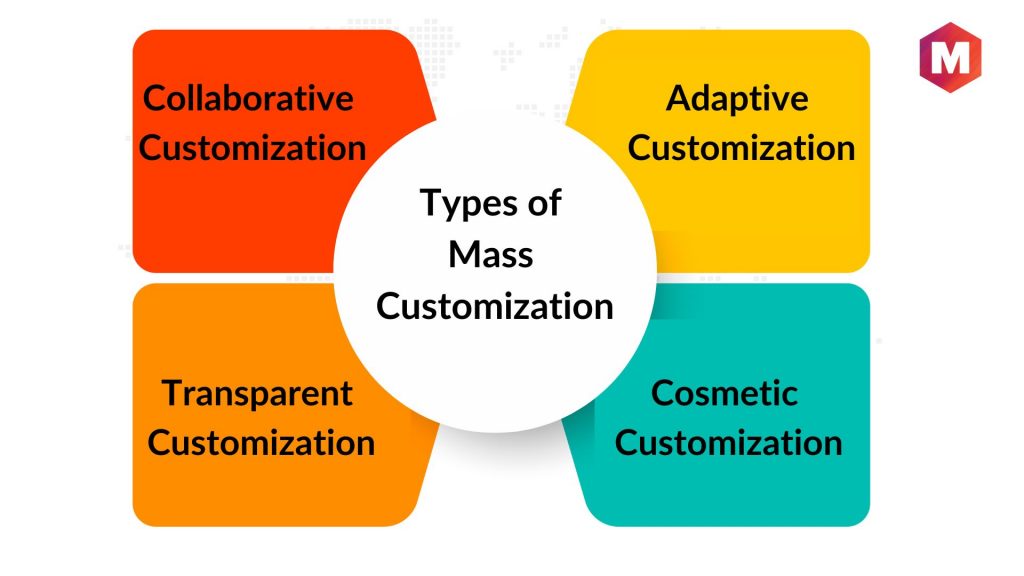
To understand mass customization, one must look past the factory floor and into the psychology of the brand-consumer relationship. At its core, mass customization is about delivering value through choice without overwhelming the consumer or compromising the brand’s operational efficiency. This is achieved through four primary strategic pillars.
Collaborative Customization
This is the most visible form of mass customization. Here, the brand engages in a dialogue with the customer to help them identify their specific needs and then creates a product to match. In a branding context, this is a high-engagement touchpoint. For example, a luxury footwear brand might offer an online “configurator” where a customer can choose the leather, stitching, and sole of their shoes. This collaboration ensures the customer gets exactly what they want while the brand collects invaluable data on consumer preferences.
Adaptive Customization
In this model, the brand produces a standardized product, but that product is designed to be altered or adjusted by the user in the field. From a brand strategy perspective, this positions the product as a versatile tool. Think of high-performance athletic gear or smart home systems that “learn” a user’s habits. The brand identity here is built on empowerment and intelligence, suggesting that the product is smart enough to evolve with the user’s lifestyle.
Cosmetic Customization
Cosmetic customization occurs when the physical product remains the same, but the packaging or presentation is unique to the individual. This is a common tactic in high-volume retail and marketing campaigns. A classic case study is Coca-Cola’s “Share a Coke” campaign, where standard bottles were printed with individual names. The product—the beverage—did not change, but the brand experience became deeply personal, sparking a global phenomenon of social sharing and brand affinity.
Transparent Customization
This is the most subtle form of customization. The brand observes customer behavior and provides a customized experience without the customer explicitly asking for it or even realizing it is happening. This is frequently seen in digital branding and subscription services. By using data to curate a unique “storefront” for every user, the brand provides a seamless, personalized experience that reduces friction and builds a sense of being “understood” by the brand.
Building Brand Loyalty Through the “Endowment Effect”
One of the primary reasons mass customization is such an effective brand strategy is rooted in behavioral economics, specifically the “Endowment Effect.” This principle suggests that people value products more highly simply because they own them or have played a role in creating them. When a brand allows a customer to customize a product, the customer invests their time, effort, and creative energy into that item.
The Psychology of Co-Creation
When a consumer designs their own sneaker or selects the specific ingredients for their skincare regimen, they are no longer just buying a commodity; they are buying a manifestation of their own identity. This “IKEA Effect”—the psychological phenomenon where consumers place a disproportionately high value on products they partially created—builds an emotional moat around the brand. It becomes much harder for a competitor to lure that customer away with a standard, off-the-shelf product because the competitor’s product lacks the personal history and investment of the customized one.
Reducing Brand Churn
Mass customization also serves as a powerful retention tool. In industries where brand switching is common, offering a customized solution creates a higher “switching cost.” If a customer has spent months refining their personalized profile on a fitness brand’s app or has a wardrobe of custom-fitted suits from a specific tailor, moving to a new brand requires a significant loss of personal data and physical comfort. Customization turns a transactional relationship into a long-term partnership.
Operational Excellence as a Brand Promise
While the front-end of mass customization is about marketing and design, the back-end is about operational agility. For a brand to successfully implement this strategy, it must harmonize its marketing promises with its supply chain capabilities. In this context, the efficiency of the “back office” becomes a key component of the brand’s reputation.
The Choice Paradox
A critical challenge in brand strategy is avoiding the “choice paradox.” Providing too many options can lead to consumer anxiety and “decision paralysis,” where the customer becomes so overwhelmed that they choose nothing at all. Sophisticated brands solve this by using “guided selling.” They offer a curated selection of choices that feel infinite but are actually constrained within a framework that ensures the final product always aligns with the brand’s aesthetic and quality standards.
Maintaining Brand Consistency
A potential risk of mass customization is the dilution of brand identity. If a brand allows users to create products that are aesthetically unpleasing or off-brand, it can hurt the brand’s overall image. Successful customization strategies implement “guardrails.” For instance, a high-end watch brand may allow customization of the dial and strap but will limit the color palette to shades that maintain the brand’s prestigious look. This ensures that every customized product is still recognizably a product of that brand, protecting the brand’s visual equity.
Case Studies: Brands That Mastered the Customization Game
Several global brands have set the gold standard for how to integrate customization into a cohesive brand identity, proving that this strategy works across diverse price points and industries.
Nike: The Pioneer of Digital Personalization
Nike’s “Nike By You” (formerly NikeID) is perhaps the most famous example of mass customization. By allowing enthusiasts to customize their footwear, Nike transformed from a mass-market manufacturer into a platform for self-expression. This strategy didn’t just sell more shoes; it positioned Nike as a tech-forward, customer-centric leader. It also provided Nike with a massive “R&D lab” of consumer data, allowing them to see which colors and styles were trending in real-time, which then informed their mass-market designs.
Dell: Efficiency as Identity
In the technology sector, Dell revolutionized the PC industry by building computers to order. While this was an operational masterstroke that reduced inventory costs, it was also a brilliant branding move. Dell branded itself as the “smart” choice for savvy consumers and businesses who knew exactly what they needed. Their brand promise was built on the idea that you shouldn’t pay for features you don’t want, and you should have exactly the power you need.
Luxury and the Return to Bespoke
In the luxury sector, brands like Louis Vuitton and Longchamp have used mass customization to bring the feeling of “Old World” bespoke tailoring to a global audience. By offering monogramming or custom color-blocking on iconic bag silhouettes, these brands maintain their aura of exclusivity while scaling their operations. They have successfully bridged the gap between the mass-produced luxury market and the highly personal heritage of their origins.
The Future: AI, Digital Twins, and Hyper-Personalization
As we look toward the future of branding, mass customization is evolving into “hyper-personalization.” The rise of Artificial Intelligence (AI) and digital modeling is allowing brands to take customization to a level previously thought impossible.
Predictive Customization
Instead of waiting for a customer to choose their options, brands are increasingly using AI to predict what a customer will want before they even realize it. By analyzing past behavior, social trends, and even biometric data, brands can present a “customized” offer that feels intuitive. This shifts the brand’s role from a reactive provider to a proactive curator.
The Rise of the Digital Twin
In the near future, the concept of the “digital twin”—a virtual representation of a physical object or person—will revolutionize how we interact with brands. Imagine a fashion brand that maintains a 3D digital twin of your body. Customization would no longer be about selecting “Medium” or “Large,” but about a garment being digitally cut to your exact measurements and visualized on your avatar before a single stitch is sewn. This level of precision will become the new benchmark for brand excellence, moving mass customization from a “premium feature” to a baseline expectation.
Mass customization represents the ultimate synthesis of brand strategy and industrial capability. It acknowledges that in a world of infinite choice, the most valuable thing a brand can offer is a sense of individuality. By leveraging technology to deliver personal relevance at scale, brands can move beyond the limitations of the assembly line and build deep, enduring relationships with their customers. In the end, mass customization isn’t just about the product—it’s about the brand’s ability to make the customer feel like the center of the universe.
aViewFromTheCave is a participant in the Amazon Services LLC Associates Program, an affiliate advertising program designed to provide a means for sites to earn advertising fees by advertising and linking to Amazon.com. Amazon, the Amazon logo, AmazonSupply, and the AmazonSupply logo are trademarks of Amazon.com, Inc. or its affiliates. As an Amazon Associate we earn affiliate commissions from qualifying purchases.