
Mardi Gras, French for “Fat Tuesday,” is far more than just a single day of celebration; it is a meticulously crafted, multi-faceted brand experience that encapsulates centuries of tradition, vibrant cultural identity, and astute marketing strategy. At its core, Mardi Gras represents a powerful case study in cultural branding, where a festive period, culminating on the day before Ash Wednesday, has been transformed into a global phenomenon, particularly synonymous with New Orleans, Louisiana. Understanding “what is Mardi Gras” through a branding lens reveals layers of strategic design, identity formation, marketing narratives, and community engagement that create an unforgettable, highly recognizable, and economically significant entity.

The Cultural Brand Identity of Mardi Gras
The foundational strength of the Mardi Gras brand lies in its deeply entrenched cultural identity. This isn’t merely an event; it’s a living tradition with a potent visual, auditory, and experiential identity that has been consistently cultivated over generations.
Origins and Evolution of a Global Phenomenon
The roots of Mardi Gras stretch back to ancient pagan spring and fertility rites, evolving through Christian observances into the festive period we recognize today. Its introduction to the Americas by French colonists in the late 17th and early 18th centuries laid the groundwork for its eventual brand proliferation. Over centuries, various cities, most notably New Orleans, Mobile, and St. Louis, began to formalize celebrations, parades, and social organizations, known as krewes. This organic evolution, spanning hundreds of years, gave the Mardi Gras brand an unparalleled sense of authenticity and heritage—critical pillars for any enduring brand. The brand narrative isn’t static; it constantly adapts, incorporating new themes, technologies, and social commentaries, yet always remains anchored to its core celebratory purpose. This blend of tradition and dynamic adaptation ensures its relevance and appeal across changing demographics and times.
Core Brand Elements: Colors, Symbols, and Sound
Like any successful brand, Mardi Gras possesses instantly recognizable core elements that form its visual and auditory identity. The official colors—purple (justice), green (faith), and gold (power)—are not arbitrary; they were officially adopted in 1872 by the Rex organization, one of New Orleans’ oldest krewes, specifically to define its brand. These colors are ubiquitous, appearing on everything from beads and costumes to decorations and official merchandise, serving as an immediate visual cue that evokes the Mardi Gras spirit.
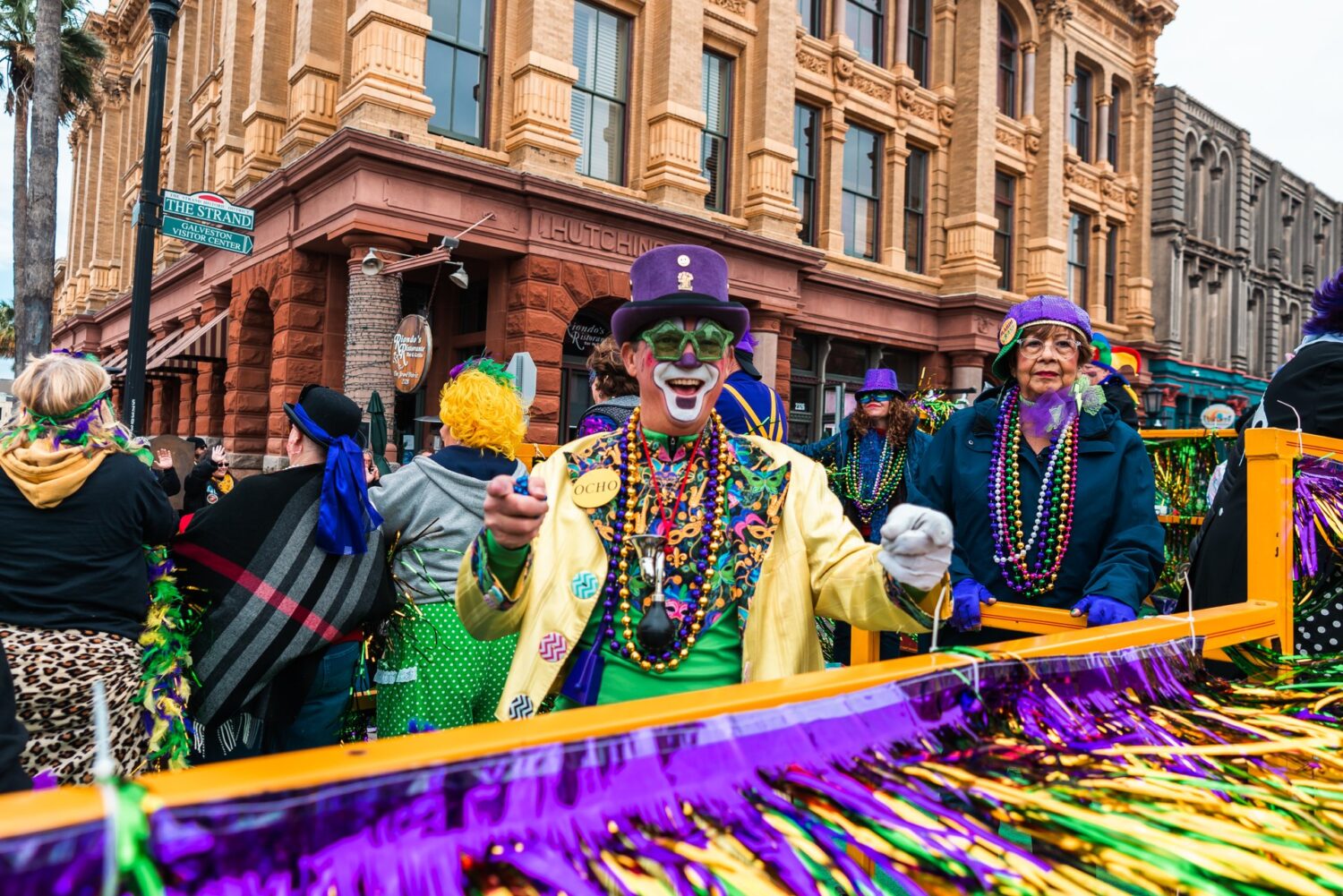
Beyond colors, specific symbols like masks, fleurs-de-lis, jesters, and crowns are integral to the brand’s iconography. They communicate mystery, royalty, and revelry. The throwing of “throws” (beads, doubloons, cups) from floats is a unique brand ritual, fostering interaction and creating a tangible memento of the experience. The sounds of brass bands, lively jazz, and the cheers of the crowd further reinforce the immersive brand experience, creating an emotional connection that resonates deeply with participants and spectators alike. These elements are not just decorative; they are strategic assets that have been consistently applied and reinforced, creating a cohesive and powerful brand image that is instantly recognized worldwide.
Marketing the Spectacle: From Local Tradition to Tourist Destination
The transition of Mardi Gras from a local cultural tradition to a global tourist destination is a masterclass in destination branding and strategic marketing. It involves careful promotion, digital engagement, and managing perceptions to attract millions annually.
Strategic Promotion and Destination Branding
For cities like New Orleans, Mardi Gras is the quintessential destination brand. Marketing efforts focus on highlighting the unique cultural experience, the historical significance, and the unmatched atmosphere that differentiates it from other festivals globally. Official tourism boards, local businesses, and krewes collaborate to craft compelling narratives that emphasize inclusivity, joy, and the distinct local flavor. Promotional materials often showcase iconic imagery—parade floats, costumed revelers, historic architecture—to evoke a sense of wonder and excitement. The communication strategy carefully balances the celebration’s spirited nature with messaging that ensures visitor safety and community respect, a critical aspect of managing brand reputation for such a large-scale public event. This strategic promotion isn’t just about selling tickets; it’s about selling an experience and a story that guests will carry with them long after the confetti settles.
Digital Engagement and Social Media Presence
In the modern era, the Mardi Gras brand thrives on digital platforms. Social media acts as both a promotional tool and a live broadcast channel. From Instagram feeds showcasing elaborate costumes and float designs to live streams of parades on Facebook and YouTube, digital channels extend the reach of Mardi Gras far beyond its physical locations. Content marketing strategies involve sharing behind-the-scenes glimpses of float construction, krewe preparations, and historical facts, deepening engagement and fostering a sense of anticipation. Influencer marketing, through partnerships with travel bloggers and cultural commentators, further amplifies the brand’s reach. Hashtags become central to organizing user-generated content, allowing millions to share their personal Mardi Gras brand experiences, which, in turn, fuels viral marketing and organic growth for the festival’s global reputation.
Design and Aesthetic: Crafting the Mardi Gras Experience
The aesthetic component of Mardi Gras is paramount to its brand identity. Every element, from the grand floats to individual costumes, is a deliberate design choice that contributes to the overall immersive experience and communicates the brand’s essence.
Float Design and Thematic Storytelling
Mardi Gras floats are not merely decorative vehicles; they are monumental pieces of mobile art that tell stories and embody specific themes chosen by each krewe. These themes, often satirical, mythological, or culturally significant, are meticulously translated into elaborate designs, vibrant colors, and dynamic sculptural elements. The design process for floats begins months in advance, involving skilled artists, sculptors, and builders who work to bring the krewe’s vision to life. Each float acts as a visual chapter in the parade’s narrative, contributing to the overall brand story of spectacle and creativity. The consistent commitment to intricate and imaginative float design reinforces the Mardi Gras brand’s reputation for grandeur, artistry, and unparalleled visual spectacle, year after year.
Costume as Personal and Group Branding
Costumes are a cornerstone of the Mardi Gras brand, serving multiple functions—from anonymity and playful disguise to elaborate self-expression and group identity. For individuals, a costume is an act of personal branding, allowing them to embody a character, make a statement, or simply revel in transformative play. For krewes and walking groups, costumes serve as a powerful form of corporate identity. Uniformity in design, color, and theme reinforces group cohesion and makes a distinct brand statement. For instance, the “Skull and Bones Gang” with their haunting attire, or the “Molly’s at the Market” Irish Channel St. Patrick’s Day Parade’s use of green and shamrocks, immediately convey their brand through their sartorial choices. This widespread adoption of costume design, both individual and collective, strengthens the immersive nature of the Mardi Gras brand, inviting active participation rather than mere observation.
Corporate Identity and Economic Impact through Branding
Mardi Gras is a significant economic engine, and its brand identity plays a crucial role in leveraging this impact. The event itself, the krewes, and even the host cities operate with distinct corporate identities.
Krewes as Micro-Brands
The krewes—social organizations that organize parades and balls—are, in essence, micro-brands within the larger Mardi Gras ecosystem. Each krewe, such as Rex, Zulu, Bacchus, or Muses, has its own unique history, traditions, emblem, colors, and specific throws. These distinct identities allow them to attract members, secure sponsorships, and build loyal followings. For example, the Zulu Social Aid & Pleasure Club is famous for its hand-painted coconuts, a highly coveted throw that is unique to its brand. The Krewe of Muses is known for its decorated high-heel shoes. These specific brand differentiators not only enhance the overall Mardi Gras experience but also create internal competition and innovation, pushing each krewe to continually refine its “product” and strengthen its brand appeal.
City Branding and Economic Leverage
For cities like New Orleans, the Mardi Gras brand is inextricably linked to its overall city brand. It is a primary driver of tourism, generating hundreds of millions of dollars in economic activity annually. The city effectively leverages the Mardi Gras brand to attract visitors who, in turn, spend on hospitality, dining, retail, and transportation. The brand’s power extends beyond the festival period; the allure of Mardi Gras contributes to New Orleans’ identity as a cultural hub year-round, influencing perceptions of its music, food, and arts scene. This powerful association allows the city to market itself as a unique, vibrant, and culturally rich destination, demonstrating how a strong event brand can elevate and sustain an entire regional economy and enhance a city’s global corporate identity.
Preserving the Brand: Authenticity and Evolution
Maintaining the integrity and allure of the Mardi Gras brand requires a delicate balance between preserving its authentic traditions and embracing necessary evolution.
Navigating Commercialization
As a major cultural and economic force, Mardi Gras faces the constant challenge of commercialization. While sponsorships and merchandise sales are crucial for funding the elaborate festivities, over-commercialization can dilute the brand’s authenticity. Brand strategists and krewe leaders work to integrate commercial interests in ways that align with the spirit of the celebration, ensuring that corporate logos and promotional messaging do not overshadow the organic, community-driven nature of the event. This involves careful vetting of partners and crafting marketing campaigns that resonate with the brand’s core values rather than merely exploiting its popularity.

Ensuring Brand Longevity
The longevity of the Mardi Gras brand hinges on its ability to remain relevant and engaging to new generations while honoring its past. This involves continuous innovation in float design, theme selection, and parade routes, alongside efforts to make the event more inclusive and accessible. Educational initiatives that highlight the history and cultural significance of Mardi Gras play a vital role in passing down the brand’s narrative. By consistently investing in its traditions, adapting to modern societal values, and engaging its audience effectively, the Mardi Gras brand continues to solidify its position as one of the world’s most enduring and captivating cultural spectacles, ensuring its powerful identity persists for centuries to come.
aViewFromTheCave is a participant in the Amazon Services LLC Associates Program, an affiliate advertising program designed to provide a means for sites to earn advertising fees by advertising and linking to Amazon.com. Amazon, the Amazon logo, AmazonSupply, and the AmazonSupply logo are trademarks of Amazon.com, Inc. or its affiliates. As an Amazon Associate we earn affiliate commissions from qualifying purchases.