
Understanding the Martian atmosphere is a monumental technological feat, pivotal for robotic exploration and future human missions. Far from Earth’s hospitable blanket, Mars possesses a thin, cold, and chemically distinct atmosphere that presents both immense challenges and opportunities for advanced engineering. The insights gleaned from a myriad of sophisticated instruments orbiting and traversing the Red Planet not only describe its ethereal shroud but also inform the innovative technologies necessary for human survival and scientific advancement beyond our home world.
Pioneering Atmospheric Exploration with Advanced Instrumentation
Our current knowledge of Mars’ atmosphere is largely a testament to decades of technological innovation in space exploration. Specialized instruments, developed with cutting-edge materials science, precision engineering, and robust software, have allowed us to remotely sense, analyze, and model the complex dynamics of this alien environment.
Orbiters and Remote Sensing Technologies
Orbital spacecraft are the frontline of Martian atmospheric surveillance, equipped with an array of remote sensing technologies that gather data from hundreds of kilometers above the surface. Missions like NASA’s Mars Reconnaissance Orbiter (MRO) with its Mars Climate Sounder (MCS) and the Context Imager (CTX), ESA’s Mars Express with its Planetary Fourier Spectrometer (PFS), and the UAE’s Hope Probe, are instrumental. These orbiters employ highly sensitive spectrometers, radiometers, and imagers to map atmospheric temperature profiles, dust and water ice concentrations, cloud formations, and the distribution of trace gases like methane. The data captured by these instruments are processed using advanced algorithms to construct three-dimensional models of atmospheric circulation, predict weather patterns, and monitor long-term climate change on Mars. The sheer volume and complexity of data necessitate robust telemetry systems and ground-based supercomputing capabilities to translate raw sensor readings into actionable scientific understanding.
Rover-Based Atmospheric Science
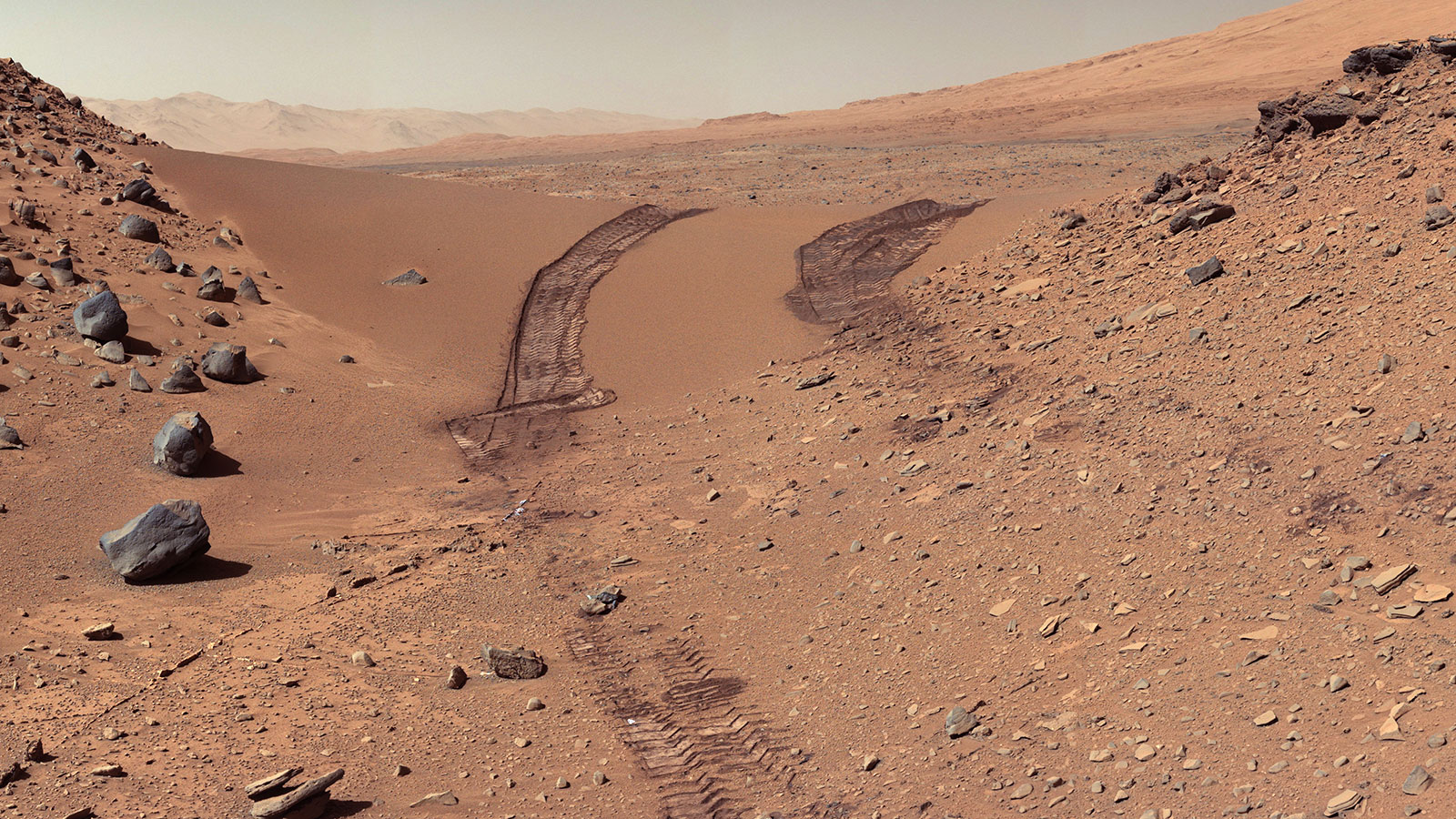
While orbiters provide a macroscopic view, surface rovers offer invaluable in-situ measurements, grounding remote observations with direct data. NASA’s Curiosity rover, equipped with the Rover Environmental Monitoring Station (REMS), and the Perseverance rover, carrying the Mars Environmental Dynamics Analyzer (MEDA), are prime examples of mobile atmospheric laboratories. REMS has continuously monitored atmospheric pressure, temperature, humidity, and UV radiation at Gale Crater since 2012, providing an unprecedented long-term climate record. MEDA builds upon this legacy with enhanced sensors for wind speed and direction, atmospheric pressure, relative humidity, air temperature, and radiation, providing critical context for helicopter flights and sample collection. These instruments are marvels of miniaturization and resilience, designed to operate autonomously in harsh radiation environments and extreme temperature swings, transmitting data back to Earth via orbital relays. The development of robust power sources, radiation-hardened electronics, and self-calibrating sensors are pivotal technological achievements enabling these sustained surface operations.
Spectrometry and Gas Analysis Tools
The ability to identify and quantify specific gases in the Martian atmosphere is crucial for understanding its chemical evolution and potential for past or present life. Spectrometers onboard orbiters and rovers detect absorption and emission lines unique to different molecular species. For instance, the Tunable Laser Spectrometer (TLS) within Curiosity’s Sample Analysis at Mars (SAM) instrument suite has precisely measured atmospheric components like CO2, argon, and nitrogen, and searched for methane. This instrument operates by directing a laser beam through a sample of atmospheric gas and analyzing how much light is absorbed at specific wavelengths. The exquisite precision required for such measurements, coupled with the need for ultra-clean gas handling systems in a vacuum environment, represents significant engineering challenges. These technologies allow scientists to detect subtle atmospheric changes, providing clues about geological activity, water cycles, and the potential for atmospheric exchange with the Martian subsurface.
Technological Challenges of a Thin, Cold Atmosphere
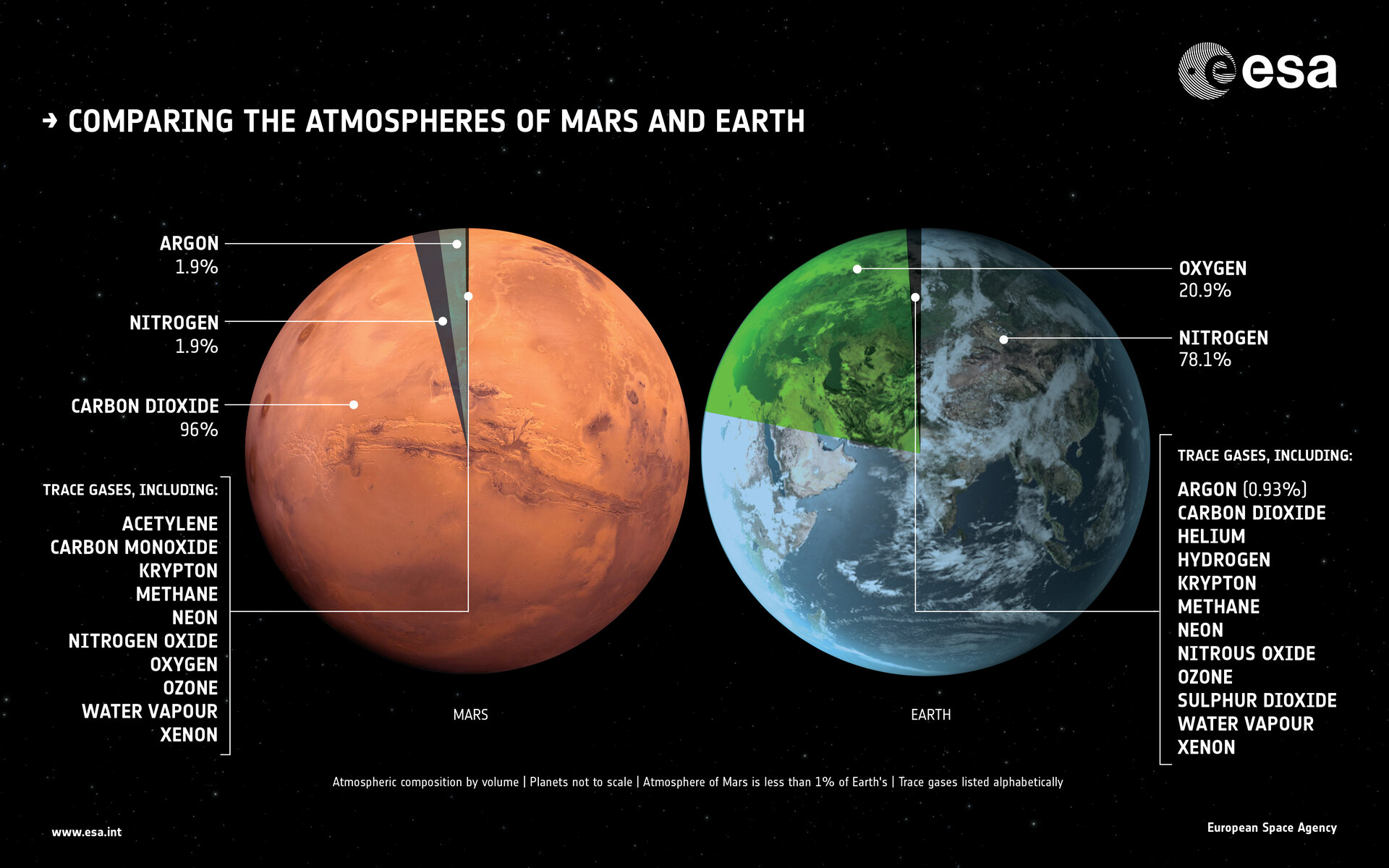
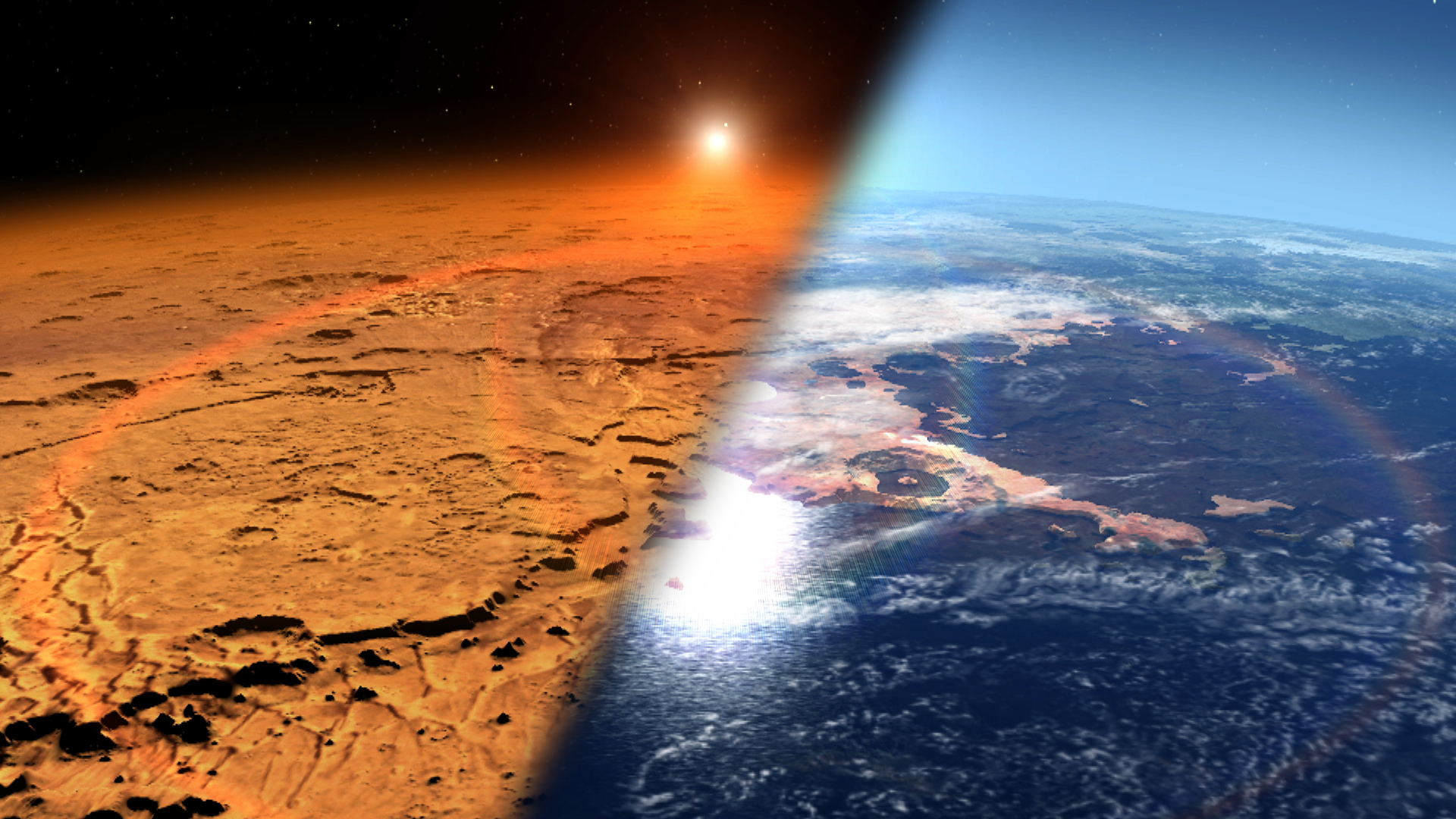
The characteristics of the Martian atmosphere — predominantly carbon dioxide, exceedingly thin (less than 1% of Earth’s atmospheric pressure), and extremely cold — pose profound technological hurdles for any mission aiming for sustained presence. Overcoming these challenges drives innovation in materials science, propulsion, and life support.
Radiation Shielding and Habitation Technology
With only a tenuous atmosphere and no global magnetic field, Mars is bathed in solar and cosmic radiation. This necessitates advanced radiation shielding technologies for both spacecraft and future human habitats. Engineers are developing novel materials and structural designs that can attenuate harmful radiation while remaining lightweight enough for space transport. This includes experimenting with regolith (Martian soil) as a local shielding material, requiring technologies for automated excavation and construction. Habitation modules must also be designed to maintain stable internal pressure and temperature despite external atmospheric conditions that can swing from -100°C to 0°C at the equator. Advanced insulation, active heating and cooling systems, and robust pressure vessel designs are critical technological components.
Atmospheric Entry, Descent, and Landing (EDL) Innovations
The thin Martian atmosphere, while offering some drag, is insufficient for a gentle parachute-only landing of large payloads. This “thin atmosphere problem” has historically been the primary engineering challenge for reaching the Martian surface. The evolution of EDL technologies, from airbags to sky cranes and supersonic retropropulsion, showcases incredible innovation. Systems like the Mars Science Laboratory’s sky crane, which precisely lowered the Curiosity rover, and Perseverance’s guided entry, using a combination of parachutes, retrorockets, and Terrain Relative Navigation (TRN) to avoid hazards, represent pinnacle achievements. Future missions aiming for even heavier payloads or human landings will require even more powerful retrorockets, potentially inflatable aerodynamic decelerators, and AI-driven autonomous navigation systems capable of making real-time decisions during the hypersonic descent phase.
Propellant Production and In-Situ Resource Utilization (ISRU) for Oxygen
The Martian atmosphere, being over 95% carbon dioxide, is an invaluable resource for future missions through In-Situ Resource Utilization (ISRU). Technologies that can extract usable materials directly from the Martian environment are game-changers for reducing mission costs and increasing sustainability. The Mars Oxygen In-Situ Resource Utilization Experiment (MOXIE) onboard the Perseverance rover is a groundbreaking demonstration of this concept. MOXIE electrochemically splits CO2 molecules to produce oxygen and carbon monoxide. The oxygen produced can be used for breathing by astronauts or, critically, as rocket propellant for the return journey to Earth. Developing robust, energy-efficient, and long-duration oxygen production plants that can operate autonomously on Mars is a major technological focus, involving advancements in solid oxide electrolysis cells, power management systems, and thermal control.
Engineering Future Human Presence: Atmospheric Management Systems
Moving beyond robotic exploration, establishing a sustained human presence on Mars demands sophisticated atmospheric management systems, integrating multiple technologies to create habitable environments and enable long-term sustainability.
Life Support Systems in a Martian Environment
Human habitats on Mars require closed-loop life support systems that can recycle air, water, and waste with minimal resupply from Earth. These systems must contend with the unique challenges posed by the Martian atmosphere. Air processing units will need to remove CO2 more efficiently than on Earth, while supplementing habitats with oxygen produced via ISRU or stored supplies. Dust filtration systems are paramount, as Martian dust is pervasive, abrasive, and potentially toxic. Advanced environmental controls will regulate pressure, temperature, and humidity, ensuring astronaut comfort and safety. This involves high-reliability sensors, self-repairing mechanisms, and AI-driven diagnostics to prevent system failures in an extremely remote outpost.
Developing Self-Sustaining Habitats
The vision for a permanent human settlement on Mars centers on self-sustaining habitats. This requires not just life support but also technologies for producing food (e.g., hydroponics or aeroponics in controlled environments), generating power (e.g., advanced solar arrays optimized for dust resistance and low light, or small modular nuclear fission reactors), and managing waste. These technologies are heavily influenced by the Martian atmospheric conditions. For example, solar panel efficiency is impacted by atmospheric dust and the reduced solar flux due to distance from the sun, driving the need for higher-efficiency cells and autonomous dust-clearing mechanisms. Building materials, whether imported or manufactured from Martian regolith, must be engineered to withstand the atmospheric pressure differential and extreme temperatures.
Early-Stage Terraforming Concepts and Atmospheric Modification Tech
While full-scale terraforming is a distant, if not impossible, prospect with current technology, conceptual and early-stage atmospheric modification technologies are being explored. These include strategies to thicken the atmosphere, increase its temperature, or introduce greenhouse gases. For instance, technologies to release trapped CO2 from polar ice caps or subsurface reservoirs, or deploy orbital mirrors to warm specific regions, are part of long-term speculative engineering discussions. The development of advanced robotics capable of large-scale infrastructure deployment and atmospheric monitoring over vast areas would be foundational to any such endeavor, demonstrating the ultimate technological ambition related to Mars’ atmosphere.
AI and Data Analytics in Martian Atmospheric Modeling
The vast amounts of data collected by Martian missions necessitate powerful computational tools, with Artificial Intelligence (AI) and machine learning playing an increasingly critical role in understanding and predicting atmospheric phenomena.
Predicting Weather and Dust Storms
Martian weather, especially global dust storms, poses significant threats to missions, reducing solar power generation and obscuring views. AI models, trained on decades of atmospheric data from orbiters and rovers, are becoming increasingly sophisticated at predicting these events. Machine learning algorithms can identify complex patterns in atmospheric pressure, temperature fluctuations, and dust concentrations that precede major storms, providing early warnings for mission controllers. This involves developing robust data pipelines, parallel processing techniques, and neural networks capable of handling spatio-temporal datasets. Accurate predictions allow missions to prepare by, for example, charging batteries, optimizing solar panel angles, or rescheduling rover activities to minimize risk.
Simulating Atmospheric Interactions for Mission Planning
Beyond prediction, AI and advanced simulation tools are crucial for modeling the interaction of spacecraft and habitats with the Martian atmosphere. Computational Fluid Dynamics (CFD) simulations, enhanced by machine learning, are used to refine EDL trajectories, optimize parachute designs, and predict aerodynamic heating. These models can simulate the complex flow of the thin Martian atmosphere around landers and habitats, providing critical data for structural integrity and thermal management. Furthermore, AI helps in refining atmospheric correction algorithms for imaging data, ensuring that observations of the Martian surface and atmosphere are as clear and accurate as possible, free from atmospheric interference. This integration of AI and high-fidelity simulations is indispensable for mitigating risks and maximizing the scientific return of future missions.
aViewFromTheCave is a participant in the Amazon Services LLC Associates Program, an affiliate advertising program designed to provide a means for sites to earn advertising fees by advertising and linking to Amazon.com. Amazon, the Amazon logo, AmazonSupply, and the AmazonSupply logo are trademarks of Amazon.com, Inc. or its affiliates. As an Amazon Associate we earn affiliate commissions from qualifying purchases.