
In an increasingly competitive and dynamic marketplace, the success of a brand hinges not merely on what it sells, but on how deeply it understands and responds to the world around it. This fundamental strategic approach is known as market orientation. Far from being a fleeting buzzword, market orientation represents a core philosophy that places the customer at the epicenter of all organizational activities, while simultaneously keeping a keen eye on competitors and fostering internal collaboration. It’s a holistic commitment to gathering, disseminating, and acting upon market intelligence to create superior customer value and, in turn, cultivate a strong, resilient brand.
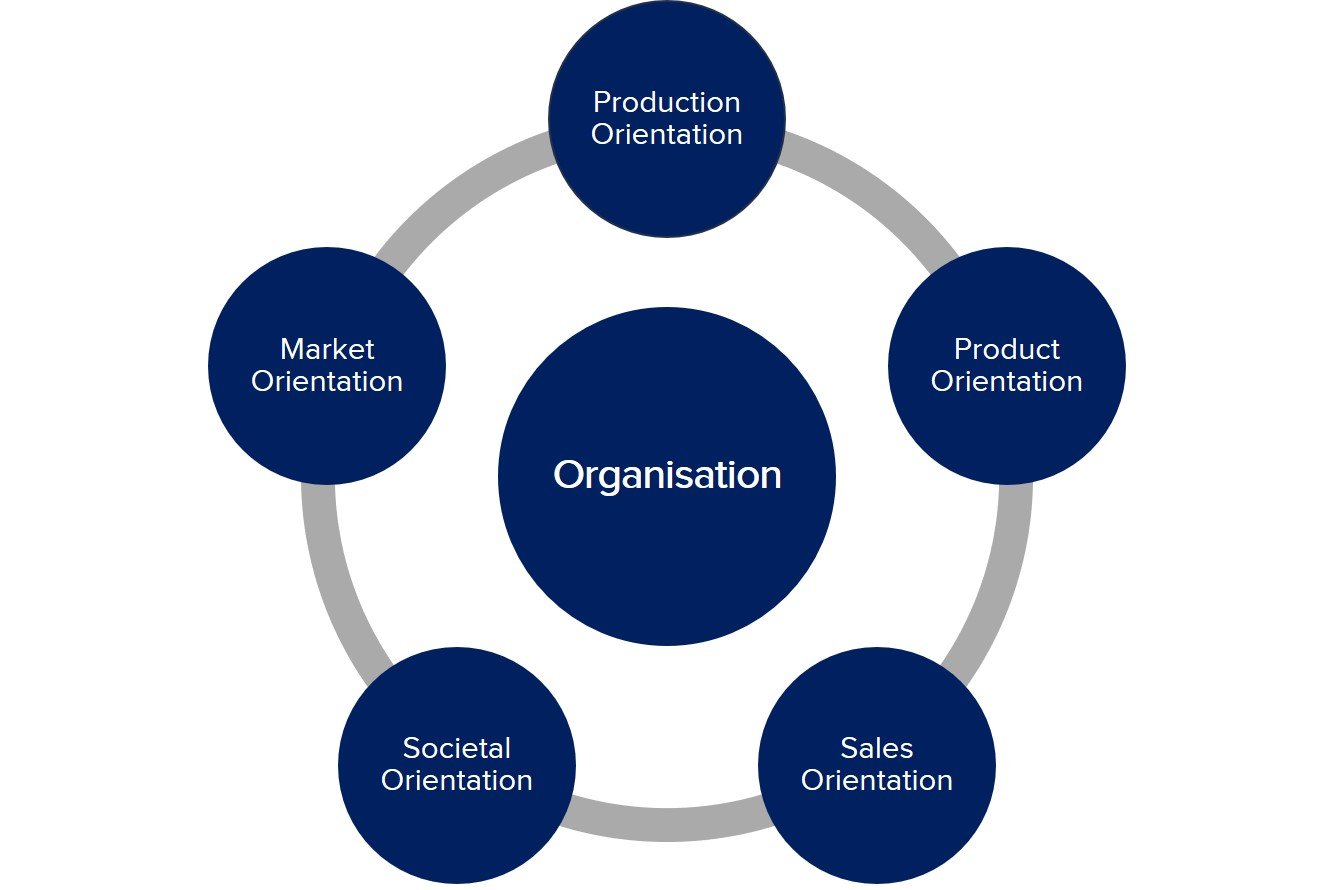
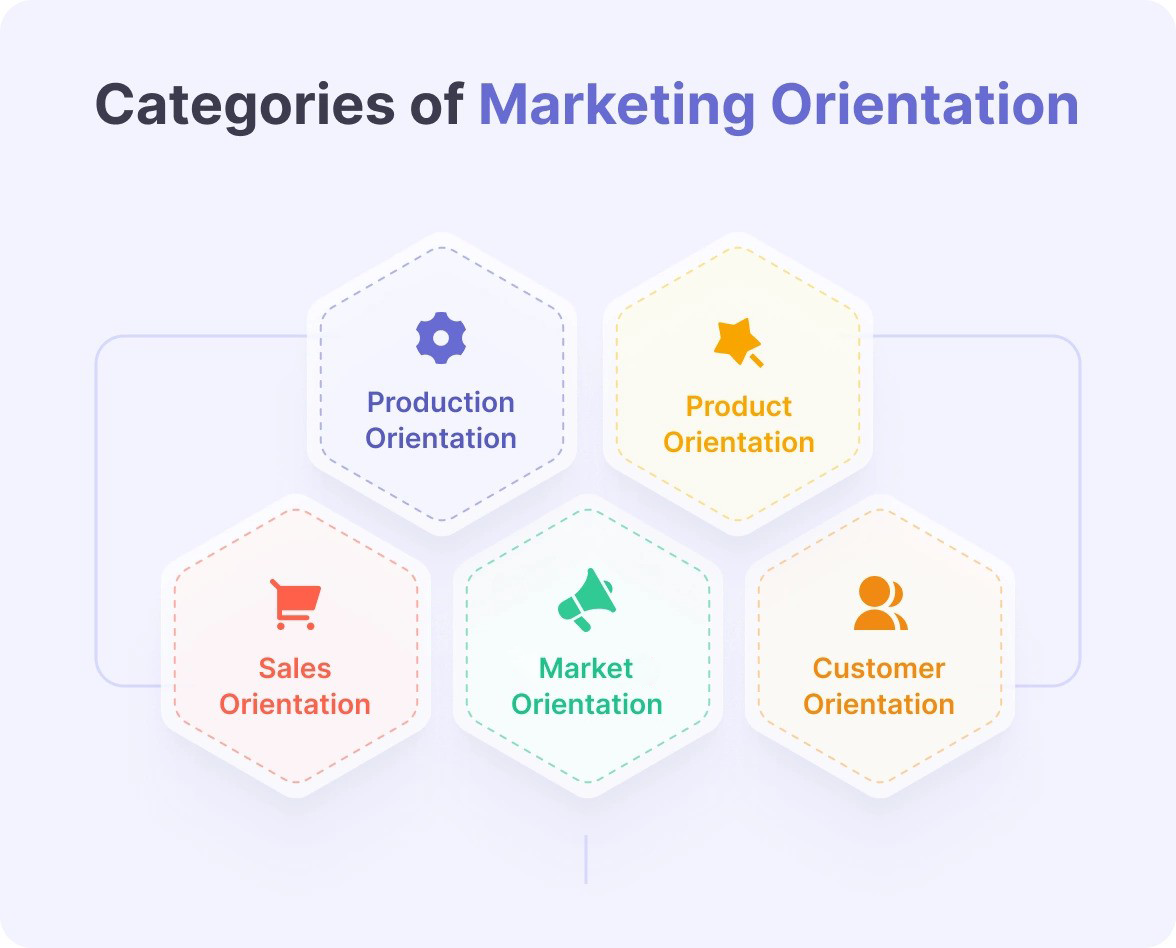
At its heart, market orientation contrasts sharply with product orientation (focusing solely on creating the best possible product without sufficient market input) or sales orientation (prioritizing aggressive selling regardless of customer fit). A market-oriented brand understands that sustainable growth and enduring relevance stem from a continuous dialogue with the market, shaping everything from product development and service delivery to marketing communications and corporate identity.
The Foundational Pillars of a Market-Oriented Brand
True market orientation isn’t a singular act but a continuous process built upon three interconnected pillars that guide a brand’s strategic decisions and operational execution.
Customer Focus: Listening to the Market’s Voice
The first and most critical pillar is an unwavering customer orientation. This goes beyond merely satisfying existing customer needs; it involves proactively anticipating future desires, preferences, and pain points. A market-oriented brand invests significantly in understanding its target audience through various avenues, including qualitative and quantitative market research, feedback mechanisms, behavioral analytics, and direct engagement.
This deep understanding allows brands to not only tailor their offerings but also to craft compelling brand narratives and experiences that resonate on an emotional level. By truly listening to the market’s voice, brands can identify unmet needs, uncover emerging trends, and design solutions that deliver exceptional value, thereby fostering loyalty and advocacy. It’s about seeing the world through the customer’s eyes and aligning every touchpoint – from product design to after-sales support – with their expectations and aspirations. A brand that truly understands its customers can speak their language, address their concerns, and become an indispensable part of their lives, moving beyond transactional relationships to build lasting emotional bonds.
Competitor Insight: Navigating the Competitive Landscape
While customer focus is paramount, a market-oriented brand never operates in a vacuum. The second pillar involves a robust competitor orientation, which means systematically gathering and analyzing intelligence about present and potential competitors. This includes understanding their strategies, strengths, weaknesses, capabilities, and future intentions. It’s not about imitation, but about intelligent differentiation.
By continually monitoring the competitive landscape, a brand can identify threats, uncover opportunities, and develop unique value propositions that stand out. This insight allows a brand to refine its positioning, anticipate competitive moves, and proactively adapt its strategies to maintain a distinct advantage. Understanding where competitors excel—and where they fall short—provides invaluable context for a brand to carve out its unique space, articulate its distinct benefits, and build a corporate identity that is both authentic and powerfully differentiated in the minds of consumers. A brand cannot truly know itself without understanding its context within the broader market ecosystem.
Inter-functional Synergy: Aligning Internal Engines for External Value
The third, often overlooked, but equally vital pillar is inter-functional coordination. Market intelligence about customers and competitors is only valuable if it is effectively disseminated throughout the entire organization and acted upon collaboratively. This pillar emphasizes the importance of breaking down internal silos and fostering cross-functional collaboration. Marketing, product development, sales, customer service, operations, and even HR must work in concert, sharing insights and aligning their efforts to create superior customer value.
For instance, customer insights gathered by the marketing team must inform product design; competitor analysis should guide sales strategies; and feedback received by customer service must be communicated back to product development for continuous improvement. When departments function as an integrated unit, guided by shared market understanding, a brand can deliver a consistent, coherent, and highly valued experience across all customer touchpoints. This internal alignment ensures that the brand’s external promise is consistently met, reinforcing its identity and building trust.
Why Market Orientation is Indispensable for Brand Success
Embracing market orientation is not just a strategic choice; it’s a foundational requirement for any brand aiming for sustained growth and enduring influence in today’s dynamic global economy. Its impact permeates every facet of brand development and management.
Building Unwavering Brand Loyalty and Trust
A market-oriented approach fundamentally shifts a brand’s focus from internal capabilities to external needs. By deeply understanding and consistently delivering on customer expectations, brands cultivate a powerful sense of loyalty and trust. When consumers perceive that a brand genuinely understands them, anticipates their needs, and consistently delivers solutions that truly matter, they are more likely to become repeat customers, advocates, and brand evangelists. This strong emotional connection translates into resilience during challenging times, as loyal customers are more forgiving and less susceptible to competitive overtures. The brand’s identity becomes synonymous with reliability, relevance, and genuine care for its community.
Fueling Innovation and Competitive Differentiation
Market orientation is the engine of meaningful innovation. Rather than innovating in a vacuum, market-oriented brands base their new product development, service enhancements, and feature upgrades on concrete market insights. This significantly reduces the risk of developing products or services that no one wants or needs. By staying attuned to unarticulated customer desires and monitoring competitor gaps, brands can identify white spaces in the market and create truly differentiated offerings. This constant cycle of listening, learning, and innovating allows a brand to stay ahead of the curve, build a unique value proposition, and establish a clear competitive edge that is difficult for rivals to replicate. Such innovation strengthens the brand’s image as a leader and a forward-thinker.
Optimizing Marketing Effectiveness and Brand Messaging
For market-oriented brands, marketing is not merely about promotion; it’s about intelligent communication rooted in deep understanding. By knowing their target audience intimately—their values, aspirations, pain points, and preferred communication channels—brands can craft highly relevant, impactful, and resonant marketing messages. This precision ensures that marketing investments are optimized, as campaigns speak directly to the customer’s needs and desires, cutting through the noise. Furthermore, understanding competitors allows a brand to position its messaging effectively, highlighting its unique advantages and carving out a distinct brand voice. This targeted approach strengthens the brand’s identity, making its communications more authentic and persuasive.
Strengthening Corporate Identity and Reputation
Ultimately, market orientation shapes the very essence of a brand’s corporate identity and its public reputation. A brand that consistently demonstrates its commitment to understanding and serving its market builds a reputation for being customer-centric, responsive, and reliable. This positive perception extends beyond its products and services to its overall corporate image, attracting top talent, fostering positive investor relations, and enhancing its standing within the broader community. The alignment of internal operations with external market demands creates an authentic brand story that resonates deeply, reinforcing the brand’s values and purpose in the eyes of all stakeholders.
Strategies for Cultivating a Market-Oriented Brand Culture
Transforming an organization into a truly market-oriented entity requires deliberate strategic effort and a cultural shift. It’s about embedding the principles of customer and competitor focus into the very DNA of the brand.
Continuous Market Intelligence Gathering
A market-oriented brand never stops learning. It establishes robust systems for continuous market intelligence gathering. This includes not only traditional market research (surveys, focus groups, ethnography) but also leveraging digital tools for social listening, sentiment analysis, web analytics, and customer relationship management (CRM) data. Sales teams, customer service representatives, and even employees in non-customer-facing roles can serve as valuable sensors for market feedback. The key is to transform raw data into actionable insights that inform strategic decisions across all departments. This ongoing influx of information keeps the brand attuned to subtle shifts in customer behavior, emerging competitive threats, and new market opportunities.
Fostering a Customer-First Organizational Mindset
True market orientation is a cultural phenomenon. It requires leadership to champion a customer-first mindset from the top down, ensuring that every employee understands their role in delivering superior customer value. This involves regular communication about market insights, celebrating customer success stories, and tying individual and team performance metrics to customer satisfaction and loyalty. Training programs should equip employees with the skills to interact effectively with customers, understand their needs, and act as advocates for their experience. When every employee views their work through the lens of how it impacts the customer, the entire organization becomes a coherent force driving brand excellence.
Empowering Employees as Brand Ambassadors and Market Sensors
Employees are often the closest to the customer and the market. A market-oriented brand empowers its employees, regardless of their role, to not only represent the brand faithfully but also to act as critical market sensors. This means providing channels for employees to share customer feedback, competitive observations, and ideas for improvement without bureaucratic hurdles. By valuing these ground-level insights, brands can tap into a rich source of real-time market intelligence that might otherwise be missed. Empowered employees feel a greater sense of ownership and responsibility, becoming more effective brand ambassadors who understand how their contributions directly impact the customer experience and the brand’s reputation.
Agile Adaptation and Strategic Responsiveness
The market is fluid, and a market-oriented brand must be agile and responsive. This means establishing organizational structures and processes that allow for rapid adaptation to new market insights. It could involve agile product development methodologies, flexible marketing campaign planning, and efficient decision-making frameworks that enable quick pivots when market conditions demand it. The ability to quickly integrate new information, assess its implications, and adjust strategies and offerings accordingly is crucial for maintaining relevance and competitive advantage. Brands that can learn, adapt, and execute swiftly based on market intelligence are those that build enduring legacies.
Overcoming Obstacles to Deepening Market Orientation
While the benefits of market orientation are clear, implementing and sustaining it can present challenges that brands must proactively address.
Avoiding Analysis Paralysis
One common pitfall is collecting vast amounts of data without effectively translating it into actionable insights. Market orientation isn’t about data accumulation; it’s about intelligence and action. Brands must invest in robust analytical capabilities and foster a culture where data is regularly reviewed, debated, and used to inform concrete strategic and tactical decisions. The goal is to move from “what happened” to “why it happened” and “what we should do next.”
Bridging Internal Silos
Despite efforts towards inter-functional coordination, departmental silos can stubbornly persist. This often stems from differing priorities, metrics, and communication breakdowns. Leadership must continuously emphasize shared goals related to customer value, establish cross-functional teams for key initiatives, and create incentives that reward collaborative behavior. Tools and platforms that facilitate seamless information sharing across departments are also essential.

Balancing Short-Term Gains with Long-Term Vision
Sometimes, immediate market demands or quarterly financial pressures can tempt brands away from their long-term market-oriented vision. Responding to every fleeting trend might dilute the brand’s core identity and strategic direction. A truly market-oriented brand finds a balance, using its deep market understanding to differentiate between superficial fads and fundamental shifts, ensuring that short-term adaptations align with and reinforce its long-term brand equity and strategic objectives. This requires strong leadership and a clear brand strategy that acts as a guiding star amidst market fluctuations.
In essence, market orientation is not just a strategy; it is a philosophy that underpins enduring brand success. By fostering a culture that prioritizes deep customer understanding, sharp competitor insight, and seamless internal collaboration, brands can build stronger connections, drive meaningful innovation, and cultivate an identity that resonates powerfully in the hearts and minds of their target audience.
aViewFromTheCave is a participant in the Amazon Services LLC Associates Program, an affiliate advertising program designed to provide a means for sites to earn advertising fees by advertising and linking to Amazon.com. Amazon, the Amazon logo, AmazonSupply, and the AmazonSupply logo are trademarks of Amazon.com, Inc. or its affiliates. As an Amazon Associate we earn affiliate commissions from qualifying purchases.