
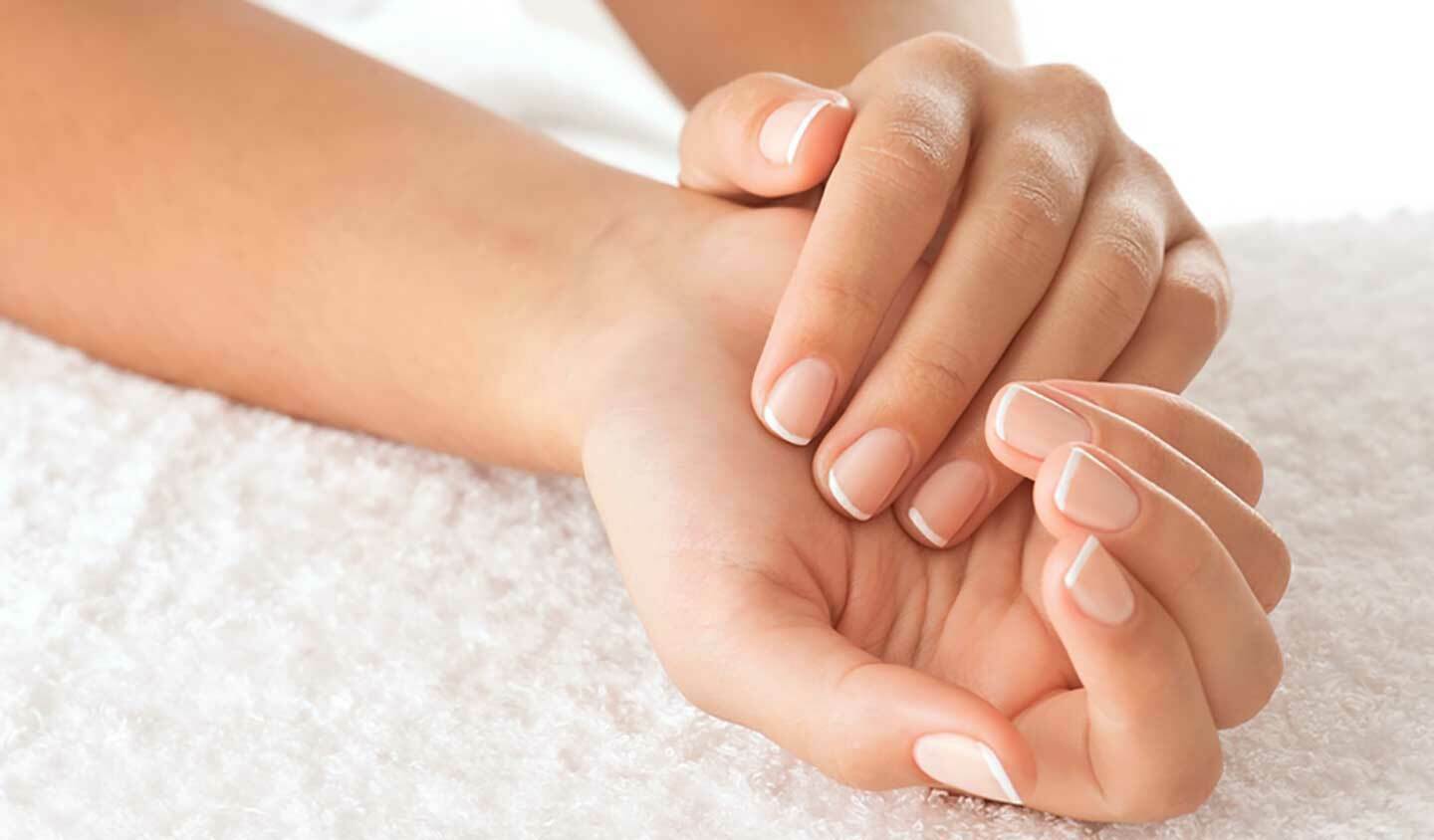
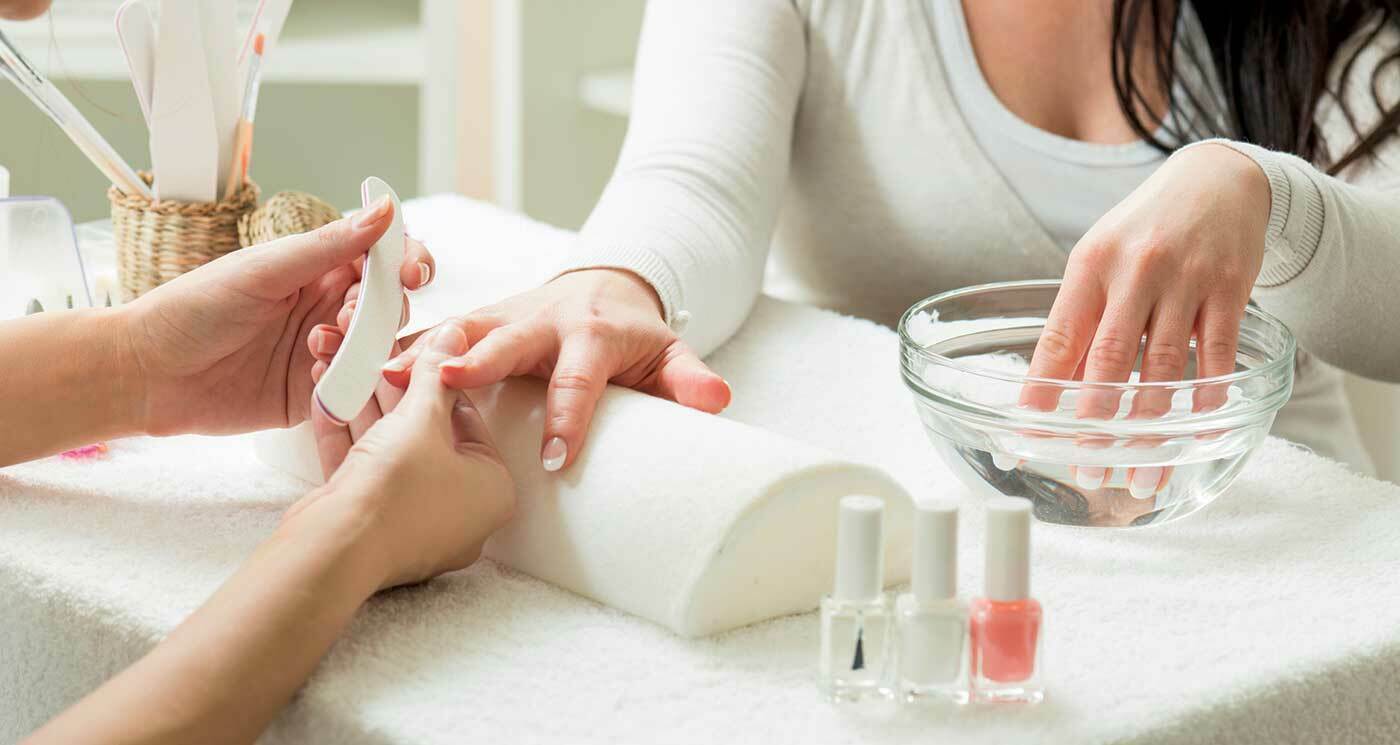
In the traditional sense, a manicure has long been defined as a cosmetic beauty treatment for the hands and fingernails, involving shaping, painting, and cuticle care. However, as we move deeper into the 2020s, the definition of a “manicure” is undergoing a radical digital transformation. No longer confined to the manual skills of a technician and a bottle of lacquer, the modern manicure is becoming a sophisticated intersection of robotics, augmented reality (AR), and smart biotechnology.
To understand what a manicure is today, one must look past the emery board and toward the high-tech innovations reshaping the multi-billion-dollar beauty industry. This evolution represents a shift from a purely aesthetic service to a technology-driven experience that emphasizes precision, personalization, and digital integration.
1. The Automation Revolution: Robotics and Precision Hardware
The most significant shift in the definition of a manicure involves the introduction of automation. For decades, the quality of a manicure depended entirely on the steady hand of a human professional. Today, hardware startups are disrupting this manual workflow with robotic systems designed to deliver a perfect coat of polish in a fraction of the time.
Automated Nail Art Printing and Application
One of the most visible technological leaps is the emergence of robotic manicure stations. Companies like Clockwork have pioneered “Minicure” robots that use 3D scanning and sophisticated AI algorithms to identify the edges of a user’s nail with sub-millimeter precision. These machines can apply polish to ten nails in under ten minutes, a feat that traditional methods cannot match. This hardware utilizes computer vision to adjust to the unique topography of each finger, ensuring a level of consistency that eliminates human error.
Advanced UV and LED Curing Systems
Beyond application, the “tech manicure” relies on advanced curing hardware. Traditional UV lamps have been replaced by smart LED systems that use specific wavelengths to harden gel polishes more efficiently while minimizing skin exposure to radiation. These devices now feature integrated sensors that adjust intensity based on the thickness of the gel layer, a technological refinement that ensures the structural integrity of the manicure and prevents heat spikes, which were a common complaint in legacy systems.
Sonic and Laser Tooling
Even the foundational steps of a manicure—shaping and cuticle care—are seeing tech upgrades. Sonic-powered filing tools offer higher precision and less trauma to the natural nail plate compared to traditional manual files. Furthermore, some high-end clinical settings are experimenting with low-level laser therapy (LLLT) during the manicure process to stimulate nail growth and repair damaged nail beds, merging tech-driven recovery with aesthetic maintenance.
2. The Software Layer: AI, AR, and the Digital Try-On
Before a single drop of polish is applied, the modern manicure begins in the digital realm. Software is now the primary tool for discovery and customization, allowing consumers to bridge the gap between imagination and execution.
Augmented Reality and Virtual Try-Ons
The “what” of a manicure is now frequently determined by AR-powered mobile applications. Major beauty tech firms have developed sophisticated virtual try-on (VTO) tools that use a smartphone’s camera to overlay different colors, finishes, and nail shapes onto a user’s hand in real-time. This software uses deep learning to track hand movement and lighting conditions, providing a hyper-realistic preview of the final result. This reduces the “trial and error” phase of personal grooming, making the manicure a more data-driven decision.
Generative AI for Bespoke Nail Art
Artificial Intelligence is also being used to generate custom nail art patterns that were previously impossible to design by hand. Through generative adversarial networks (GANs), users can input specific themes or color palettes into software that then produces unique, intricate patterns. These designs can then be sent directly to a digital nail printer, which “prints” the art onto the nail or a specialized wrap. This shift represents the democratization of complex nail art, moving it from the realm of high-priced artisan work to an accessible, software-generated commodity.

The Rise of Beauty SaaS and Booking Ecosystems
From a technical infrastructure perspective, a manicure is now managed through specialized Software-as-a-Service (SaaS) platforms. These systems do more than just book appointments; they utilize predictive analytics to manage inventory, track client preferences via CRM (Customer Relationship Management) tools, and even use machine learning to suggest the best time for a “fill” or a new set based on the user’s past behavior and nail growth patterns. The manicure has become a data point in a broader digital lifestyle ecosystem.
3. Wearable Tech and the “Smart” Manicure
Perhaps the most futuristic interpretation of what a manicure is involves the integration of functional technology directly onto or into the nail. The nail plate is increasingly being viewed as prime real estate for wearable technology and bio-hacking.
NFC-Embedded Manicures
Near Field Communication (NFC) chips are now being embedded within gel or acrylic manicures. This transformation turns the fingernail into a functional tool. By embedding a tiny, paper-thin NFC tag under a layer of protective polish, a user can “swipe” their hand to make contactless payments, unlock smart doors, or share a digital business card. In this context, the manicure is no longer just a fashion choice; it is a piece of hardware that enhances the user’s digital interaction with their environment.
Health Monitoring and Bio-Sensors
Researchers are currently developing smart nail sensors that can monitor health metrics through the nail bed. Because nails are fixed structures, they provide a stable platform for sensors that can track UV exposure, blood oxygen levels, or even glucose levels. Future manicures may include a layer of “smart ink” that changes color based on the wearer’s hydration levels or exposure to harmful environmental pollutants. This shifts the definition of a manicure from cosmetic vanity to a vital component of a personal health-tech stack.
Structural Tech: Nanotechnology in Polish
The chemistry of the polish itself is becoming a field of nanotechnology. “Smart” polishes are being engineered with self-healing properties—polymers that can bridge scratches or chips when exposed to heat or light. Furthermore, tech-enhanced base coats are using nano-particles to deliver vitamins and strengthening agents deep into the nail plate over a 14-day period, utilizing a time-release mechanism governed by the chemical breakdown of the polish layer.
4. Digital Security and Privacy in the Beauty Tech Space
As the manicure becomes more digitized, the conversation around it must include digital security. When we use AI to scan our hands or use NFC chips for payments, the manicure enters the realm of cybersecurity.
Data Privacy in Biometric Scanning
The 3D scanning technology used by manicure robots collects biometric data regarding the shape and size of a user’s hands. As this technology becomes more prevalent, the companies providing these services must implement robust data encryption and privacy protocols. Users are essentially trading their biometric information for a precision service, necessitating a professional and secure approach to data handling that mirrors that of any other tech-focused industry.
Security of Embedded Devices
For those choosing NFC-embedded manicures, the “security” of the manicure becomes a literal concern. Ensuring that embedded chips cannot be skimmed or accessed by unauthorized devices is a new challenge for the beauty tech industry. This involves the use of shielded layers or software-level authentication (such as a companion app) to “unlock” the nail’s functionality, proving that the manicure of the future requires as much IT support as it does aesthetic skill.
Conclusion: The New Definition of the Manicure
So, what is a manicure in the age of technology? It is no longer a simple act of grooming. It is a sophisticated synergy of automated hardware, AI-driven design, and wearable functionality. It is a process where computer vision ensures precision, where augmented reality facilitates choice, and where the physical nail becomes a platform for digital interaction.
As we look forward, the manicure will continue to drift away from its manual roots. We are entering an era where your “nails” might be your wallet, your health monitor, or a canvas for AI-generated masterpieces. For the tech-savvy consumer, the manicure is the ultimate expression of personal branding meeting functional technology—a small but powerful intersection of the physical and digital worlds. In this landscape, the “technician” of the future may very well be a software engineer or a robotics specialist, and the “salon” may be as much a tech hub as it is a place of relaxation.
aViewFromTheCave is a participant in the Amazon Services LLC Associates Program, an affiliate advertising program designed to provide a means for sites to earn advertising fees by advertising and linking to Amazon.com. Amazon, the Amazon logo, AmazonSupply, and the AmazonSupply logo are trademarks of Amazon.com, Inc. or its affiliates. As an Amazon Associate we earn affiliate commissions from qualifying purchases.