
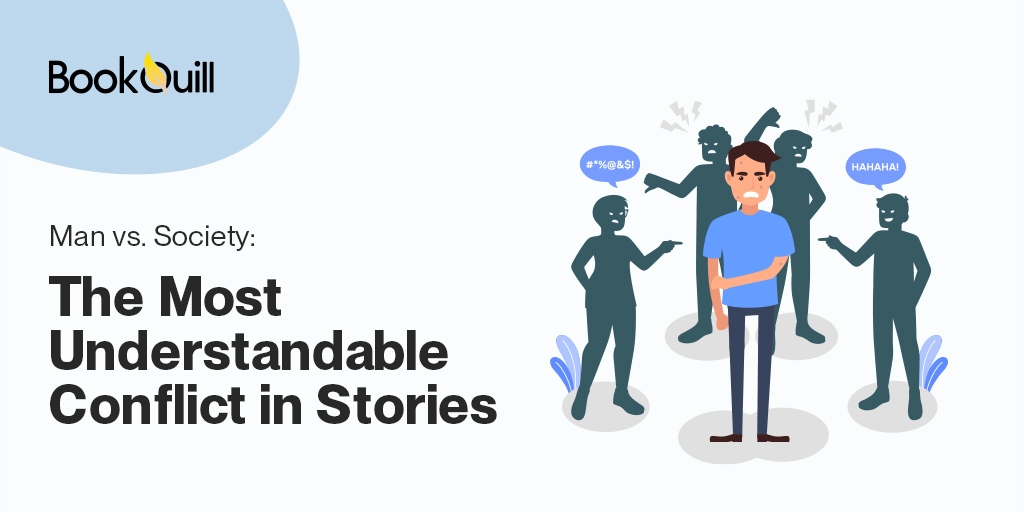
In the realm of literary theory, “Man vs. Society” is one of the foundational types of external conflict. It occurs when a protagonist finds themselves at odds with the laws, beliefs, or traditions of the surrounding community. While this may seem like a concept reserved for classic novels or cinematic dramas, it has become one of the most potent tools in modern brand strategy. In a saturated market where product features are easily replicated, the ability to frame a brand as a protagonist fighting against a societal status quo is what creates deep-seated loyalty and a distinct corporate identity.

For a brand, the “society” represents the outdated norms, the inefficient industry standards, or the stagnant corporate giants that the brand seeks to disrupt. By adopting this narrative framework, a company moves beyond being a mere service provider; it becomes a symbol of change.
The Anatomy of Conflict: Why Brands Embrace the Outsider Narrative
The human brain is wired for storytelling. We interpret our lives through narratives, and conflict is the engine that drives those narratives forward. In brand strategy, identifying a “Man vs. Society” conflict allows a brand to tap into the collective frustrations of its target audience. When a brand positions itself against a societal norm, it invites the consumer to join a movement rather than simply make a purchase.
The Psychology of the Underdog
There is a universal psychological affinity for the underdog. When a brand identifies a societal “giant”—whether that is a monopoly, a harmful social expectation, or a generic way of living—it positions itself as the relatable protagonist. This creates an immediate emotional connection. Consumers are not just buying a product; they are casting a vote against the status quo. This “us versus them” dynamic is the cornerstone of brand communities that feel more like subcultures than customer bases.
Defining the “Enemy”
In a “Man vs. Society” brand strategy, the “enemy” is rarely a specific competitor. Instead, it is an abstract concept or a widespread behavior. For a financial tech brand, the enemy might be the “traditional banking bureaucracy.” For a sustainable fashion label, the enemy is “fast-fashion culture.” By defining what the brand stands against, the brand’s identity becomes much clearer in terms of what it stands for. This clarity is essential for building a brand strategy that resonates in a noisy digital environment.
Identifying the “Society”: Defining the Status Quo
To successfully execute a “Man vs. Society” narrative, a brand must first define the societal forces it intends to challenge. This requires a deep understanding of cultural shifts and consumer pain points. If the “society” defined by the brand feels authentic to the consumer’s experience, the brand strategy will hold weight.
Challenging Industry Standards
The most common application of this narrative is challenging “how things have always been done.” When a brand enters a stagnant market with a disruptive model, it is playing out the Man vs. Society trope. Think of how direct-to-consumer (DTC) brands in the early 2010s challenged the retail middleman. Their narrative was one of the “individual consumer” versus the “overpriced retail establishment.” This conflict provided a clear reason for the brand to exist beyond just profit.
Subverting Cultural Norms
Modern branding often takes a more socio-cultural approach. Brands today are increasingly taking stands on issues like body positivity, environmental stewardship, or mental health. In these cases, the “society” is a set of harmful or outdated cultural expectations. When a brand chooses to highlight and dismantle these norms through its marketing and product design, it positions itself as a progressive leader. This strategy is highly effective for building a personal brand or a corporate identity that appeals to younger demographics who prioritize values-based consumption.
The Rebel Archetype: Building a Brand Around the Protagonist
In branding, archetypes are used to give a company a human personality. The “Rebel” or “Outlaw” archetype is the natural inhabitant of the Man vs. Society narrative. This archetype is defined by a desire for revolution, a disdain for rules, and a commitment to authenticity.

The Power of Apple’s “1984”
Perhaps the most famous example of Man vs. Society in brand history is Apple’s “1984” commercial. By using imagery inspired by George Orwell’s dystopian novel, Apple positioned the Macintosh as a tool for individual empowerment against a grey, soul-crushing corporate society (symbolized by IBM). Apple wasn’t just selling a computer; they were selling a rebellion. Decades later, the “Think Different” campaign continued this narrative, aligning the brand with historical figures who were at odds with their societies. This established Apple not just as a tech company, but as a brand for the misfits and the rebels.
Liquid Death and the Rebellion Against Health Branding
A more contemporary example is Liquid Death. The bottled water industry has traditionally been defined by imagery of serene mountains, purity, and soft aesthetics. Liquid Death chose to fight against this “society” of soft health branding by using heavy metal aesthetics, the slogan “Murder Your Thirst,” and tallboy cans that look like beer. Their conflict is Man vs. the Boring Beverage Industry. By being the “anti-brand” in a space filled with generic labels, they have built a massive following and a multi-billion dollar valuation.
Strategic Implementation: Communicating the Conflict
Identifying the conflict is only the first step. To make it a core part of a brand strategy, the “Man vs. Society” narrative must be integrated into every touchpoint of the brand’s existence. This includes visual identity, tone of voice, and community engagement.
Visual Identity as Resistance
The visual components of a brand—its logo, color palette, and typography—should reflect its stance against society. If a brand is challenging corporate sterility, its design should be organic, vibrant, or intentionally “lo-fi.” If it is challenging the chaos of modern life, its design should be radically minimalist. Every visual choice should serve as a contrast to the “society” the brand is pushing back against.
Tone of Voice: The Language of Dissent
The way a brand speaks is its most direct way of signaling its narrative. A “Man vs. Society” brand often uses a tone that is bold, provocative, or highly transparent. It avoids corporate jargon and “marketing speak,” which are the hallmarks of the society it opposes. Instead, it uses direct language that speaks to the consumer as a peer. This transparency builds trust and reinforces the idea that the brand and the consumer are on the same side of the conflict.
Community Building: The “Coalition”
In this narrative framework, customers are more than users; they are part of a coalition. Brands can foster this by creating spaces for their audience to interact, share their own struggles with the “society” in question, and participate in the brand’s mission. This could be through social media movements, exclusive memberships, or real-world events. When the consumer feels that their struggle is mirrored by the brand’s struggle, the brand becomes an essential part of their identity.
The Risks and Evolutions of Counter-Culture Branding
While the Man vs. Society narrative is powerful, it is not without risks. For a brand to successfully position itself against society, it must remain authentic and consistent.
The Authenticity Gap
The greatest threat to this strategy is the “authenticity gap.” If a brand claims to be a rebel against corporate greed but is discovered to have unethical supply chains, the narrative collapses. In the age of digital transparency, consumers are quick to spot performative rebellion. To maintain the Man vs. Society narrative, a brand’s internal operations must align with its external messaging. The conflict must be reflected in the company’s policies, culture, and long-term goals.
The Paradox of Success
A unique challenge for brands using this strategy is what happens when they become successful. When a “rebel” brand grows to a certain size, it risks becoming the very “society” it once opposed. This is often seen in the tech industry, where startups that began as disruptors eventually face criticism for becoming monolithic. To avoid this, brands must continually evolve their narrative. They must find new “societal” challenges to tackle or double down on their original mission in a way that proves they haven’t lost their soul to the status quo.
Adapting to a Changing Society
“Society” is not a static entity; it is constantly shifting. What was a radical stance ten years ago may be the boring norm today. A brand that stays stagnant in its conflict will eventually become irrelevant. Successful brand strategy involves keeping a pulse on cultural shifts and understanding how the “Man vs. Society” dynamic is changing. The brand must remain the protagonist of a story that is still worth telling.
By understanding “Man vs. Society” not just as a literary trope but as a strategic framework, brands can create deep emotional resonance. This narrative turns a product into a purpose, a customer into a collaborator, and a company into a cultural icon. In a world of infinite choices, the brand that stands for something—and against the right things—is the one that endures.
aViewFromTheCave is a participant in the Amazon Services LLC Associates Program, an affiliate advertising program designed to provide a means for sites to earn advertising fees by advertising and linking to Amazon.com. Amazon, the Amazon logo, AmazonSupply, and the AmazonSupply logo are trademarks of Amazon.com, Inc. or its affiliates. As an Amazon Associate we earn affiliate commissions from qualifying purchases.