
In today’s hyper-connected world, email remains a cornerstone of communication, both personal and professional. We rely on it to send and receive everything from critical business proposals to cherished family photos. But have you ever stopped to consider the intricate journey an email takes from your “send” button to your recipient’s inbox? Often, this complex process involves a crucial, yet often invisible, component: mail relay.
While the term “mail relay” might sound technical and perhaps even a little intimidating, understanding its function is fundamental to appreciating the reliability and efficiency of modern email systems. This article will delve into the world of mail relay, exploring its core purpose, how it works, and its significant implications across various domains, particularly within the realms of technology, brand reputation, and even financial implications.
The Fundamental Role of Mail Relay in Email Communication
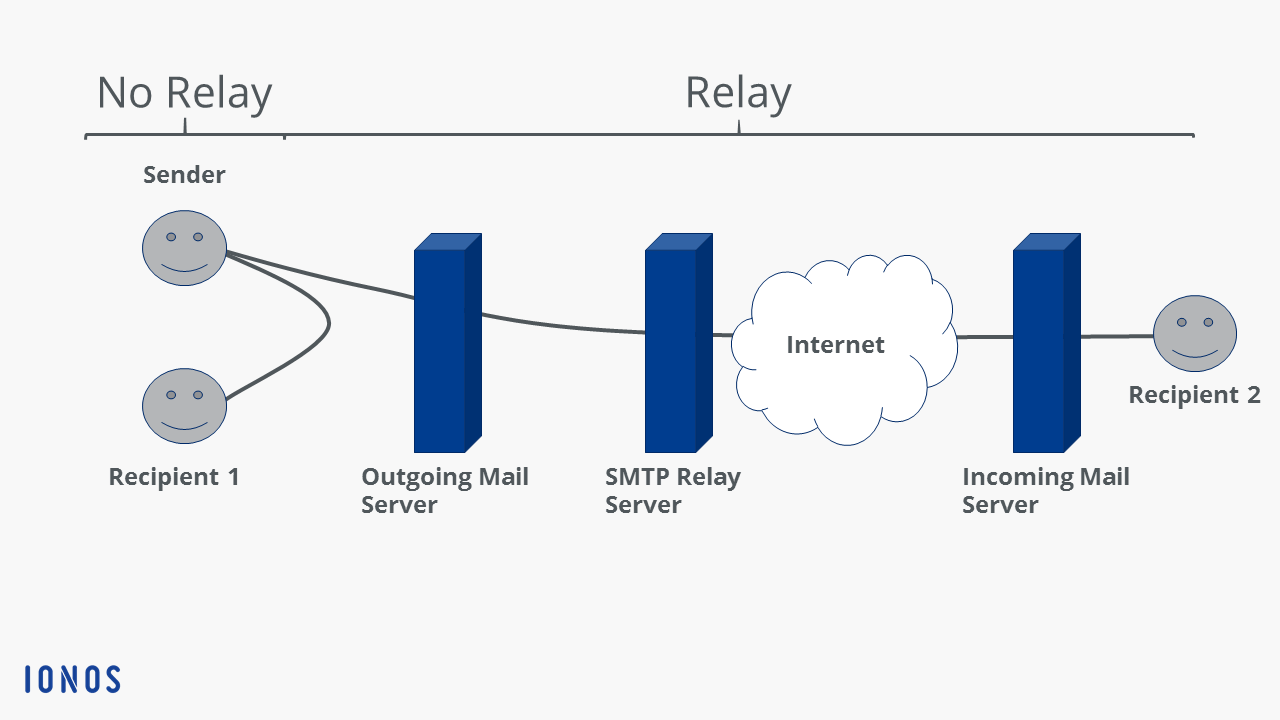
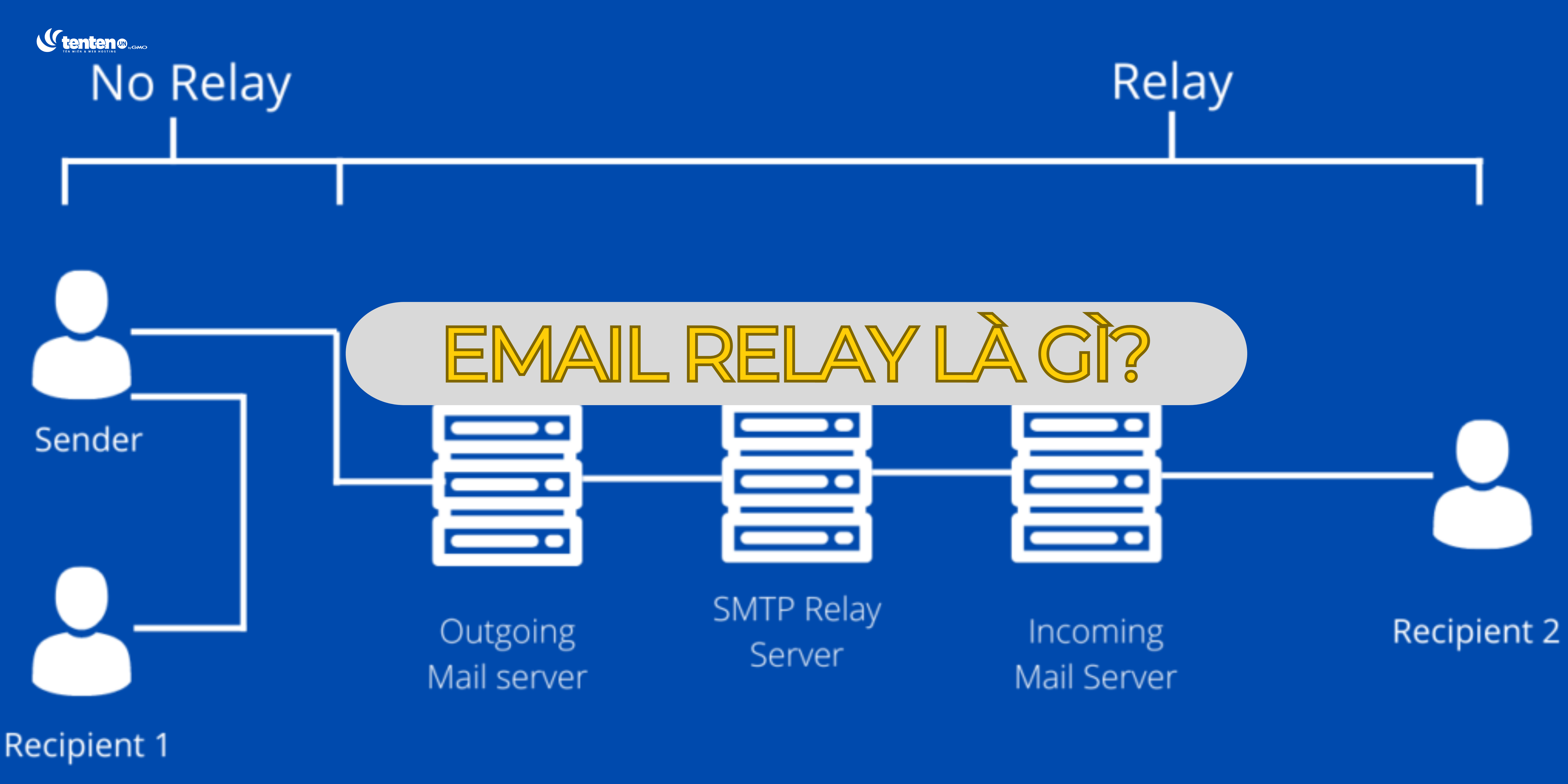
At its heart, a mail relay is an intermediary server or system that facilitates the transmission of email messages between different mail servers. Think of it as a highly efficient postal sorting and forwarding service, but for digital information. Without mail relay, sending an email directly from one mail server to another, especially across different networks or domains, would be a far more complex and often impossible endeavor.
How Emails Travel: The Journey Through Mail Servers
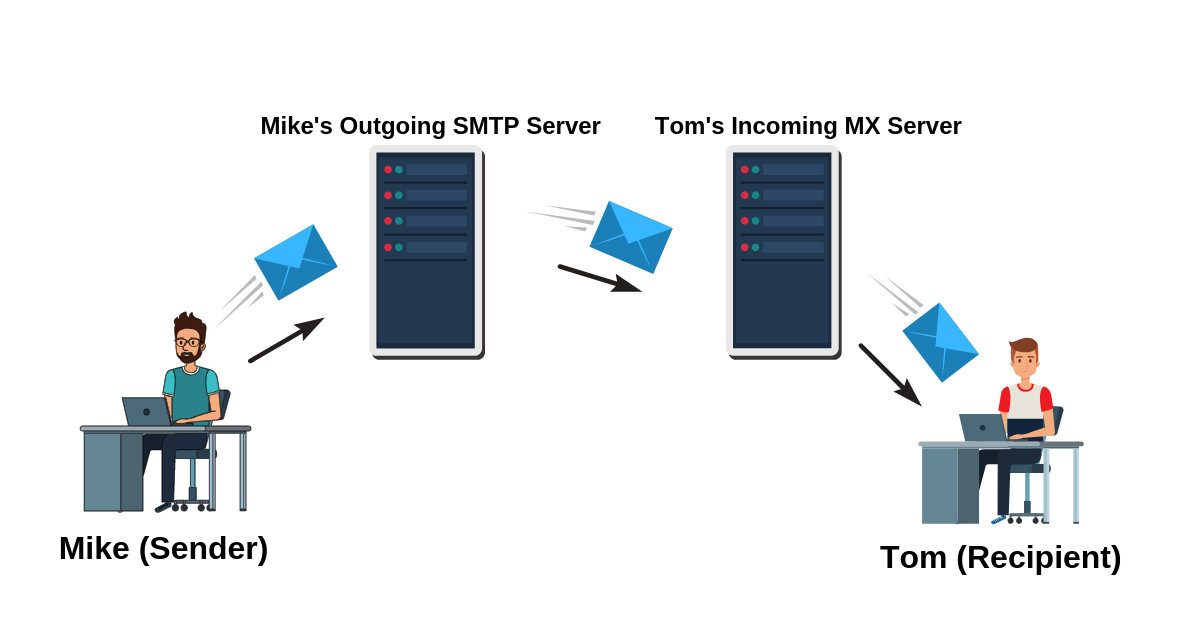
To grasp the concept of mail relay, it’s essential to briefly understand the basic flow of an email:
- Composition and Sending: You compose an email in your email client (like Outlook, Gmail, or Apple Mail) and hit “send.”
- Submission to Sender’s Mail Server (MTA): Your email client transmits the message to your outgoing mail server, also known as a Mail Transfer Agent (MTA). This server is responsible for processing your outgoing mail.
- DNS Lookup: The sender’s MTA then needs to find the recipient’s mail server. It does this by performing a Domain Name System (DNS) lookup. Specifically, it looks for the MX (Mail Exchanger) record associated with the recipient’s domain. The MX record tells the sending server which server(s) are responsible for receiving mail for that domain.
- Connection and Delivery: Once the recipient’s mail server is identified, the sender’s MTA establishes a connection with it, typically using the Simple Mail Transfer Protocol (SMTP). The sender’s MTA then transfers the email to the recipient’s MTA.
- Inbox Placement: The recipient’s MTA receives the email and places it in the recipient’s mailbox, where their email client can then retrieve and display it.
Where Mail Relay Fits In: The Crucial Intermediary
The mail relay comes into play in step 4, but it’s more nuanced than a single transfer. Often, the sender’s MTA doesn’t directly connect to the recipient’s MTA. Instead, it might send the email to one or more intermediary servers, which then relay the message further along the path. This relaying process is essential for several reasons:
- Network Topology: The internet is a vast and complex network. Direct connections between every single mail server are impractical and inefficient. Mail relay servers act as strategic nodes, streamlining the flow of email traffic.
- Security and Filtering: Relay servers can be configured to perform crucial security functions, such as scanning for viruses, spam, and phishing attempts before the email reaches its final destination. This helps protect both the sender’s and recipient’s systems.
- Load Balancing and Redundancy: In large email systems, multiple relay servers can be used to distribute the workload, ensuring faster delivery and providing redundancy in case one server fails.
- Protocol Translation/Adaptation: In some scenarios, relay servers might facilitate communication between servers using different versions or configurations of SMTP, ensuring broader compatibility.
- Internal vs. External Mail: Organizations often use internal mail relay servers to manage the flow of emails within their own network and then external relay servers to send emails out to the internet.
Types of Mail Relay and Their Technical Implementations
The concept of mail relay isn’t monolithic. Depending on the context and the specific requirements, different types of mail relay mechanisms are employed. Understanding these distinctions can shed light on how email systems are architected.
Open Relay: A Risky Practice
Historically, a concept known as an “open relay” existed. This was a mail server configured to accept and relay mail from any sender to any recipient, regardless of whether the sender was authenticated or the recipient was on a designated list.
The Dangers of Open Relays
Open relays became a significant problem in the early days of the internet because they were heavily exploited by spammers. Malicious actors could use open relay servers as anonymous gateways to send vast quantities of unsolicited bulk email (spam) without revealing their true origin. This not only clogged inboxes but also wasted bandwidth and server resources.
Modern Prevention
Today, open relays are almost universally considered a security vulnerability and are strictly avoided. Mail servers are configured with robust authentication mechanisms and access controls to prevent unauthorized relaying. Techniques like RBLs (Real-time Blackhole Lists) and SPF (Sender Policy Framework) records are used to identify and block emails originating from servers exhibiting open relay characteristics.
SMTP Relays for Application and Service Integration
Beyond the core email infrastructure, SMTP relays play a vital role in allowing applications and services to send emails. Think about a website that sends you a password reset email, or an e-commerce platform that confirms your order. These applications often don’t have their own dedicated mail servers. Instead, they utilize an SMTP relay service.
How Applications Use SMTP Relays
- Outbound Mail Servers (MTA) as Relays: An organization’s own outgoing mail server (MTA) often acts as a relay for internal applications. When an application needs to send an email, it’s configured to send it to the organization’s MTA, which then handles the actual delivery to the external recipient.
- Third-Party SMTP Relay Services: For businesses that don’t want the complexity of managing their own mail infrastructure or require advanced features like high deliverability, tracking, and analytics, third-party SMTP relay services (like SendGrid, Mailgun, Amazon SES) are a popular choice. These services provide robust APIs and infrastructure to send emails reliably on behalf of applications.
Key Features of Application SMTP Relays
- Authentication: Applications authenticate with the relay server using API keys or credentials.
- Scalability: Third-party relays can handle massive volumes of outgoing emails.
- Deliverability: These services often employ advanced techniques to improve email deliverability rates, such as managing IP reputation and engaging in compliance best practices.
- Analytics: They typically provide detailed reporting on email opens, clicks, bounces, and delivery status, which is invaluable for understanding campaign performance.
Mail Relaying in Enterprise Environments
Within large organizations, mail relay configurations are often sophisticated, designed to manage high volumes of internal and external communication securely and efficiently.
Internal Mail Relays
Large companies often have internal mail relay servers that act as a central point for all outgoing email originating from within the company’s network. This allows for:
- Centralized Security Enforcement: All outbound emails can be scanned for malware, spam, and policy violations before leaving the network.
- Content Filtering: Policies can be enforced to prevent sensitive information from being sent externally.
- Logging and Auditing: A central relay can provide comprehensive logs for compliance and troubleshooting purposes.
- Load Distribution: For very large enterprises, multiple internal relay servers can be used to distribute the email load.
Edge Mail Servers (Gateways)
At the perimeter of an organization’s network, edge mail servers (often referred to as mail gateways) act as the primary point of contact for incoming and outgoing mail. These servers perform crucial functions, including:
- Spam and Malware Filtering: They are the first line of defense against malicious emails.
- Anti-Phishing Measures: They employ advanced techniques to detect and block phishing attempts.
- Protocol Enforcement: They ensure that incoming and outgoing emails adhere to SMTP standards.
- Connection Management: They manage the connections with external mail servers, often acting as a relay to internal mail servers.
The Impact of Mail Relay on Brand Reputation and Digital Security
The way an organization handles its email relay infrastructure has a profound impact on its brand reputation and digital security posture. A well-configured and robust mail relay system is a silent guardian of trust, while a poorly managed one can lead to significant damage.
Safeguarding Your Brand: Deliverability and Trust
For businesses, the ability to reliably reach their customers via email is paramount. This is where the concept of “deliverability” becomes critical, and mail relay plays a starring role.
- Preventing Spam Blacklisting: If an organization’s mail servers are misconfigured or used to send spam (even unintentionally), their IP addresses can be added to spam blacklists. This means emails sent from that organization will be rejected or marked as spam by recipient mail servers, severely impacting communication. A properly configured mail relay, with proper authentication and monitoring, helps prevent this.
- Maintaining Sender Reputation: Email providers use complex algorithms to assess the reputation of sending servers. A consistent pattern of legitimate, well-formed emails sent through a reputable relay system builds a positive sender reputation. This translates to higher inbox placement rates for legitimate emails.
- Ensuring Professionalism: Receiving an email that bounces back or lands in a spam folder due to poor relay management is unprofessional and erodes customer confidence. A reliable mail relay ensures that critical communications, such as order confirmations, customer support responses, and marketing outreach, reach their intended recipients.
The Digital Security Nexus: Relay Servers as Gatekeepers
Mail relay servers, particularly at the enterprise level, are integral to a robust digital security strategy.
- First Line of Defense: As mentioned, edge mail servers acting as relays are the primary point where incoming emails are scrutinized. They can quarantine or block malicious attachments, suspicious links, and spoofed emails before they ever reach an employee’s inbox.
- Preventing Malicious Outbound Traffic: A well-configured relay also monitors outbound traffic. If an internal system becomes compromised and starts sending spam or malware, the relay can detect and block this malicious activity, preventing the organization from being associated with further cyber threats.
- Data Loss Prevention (DLP): Advanced mail relay configurations can incorporate DLP features to scan outbound emails for sensitive data, such as credit card numbers or confidential company information, and prevent them from being sent externally without authorization.
Financial Implications: The Cost of Reliable Email Relay
While often overlooked, the financial implications of mail relay extend beyond just the operational costs of servers. The efficiency, security, and deliverability provided by a well-managed mail relay system can have a significant positive impact on a company’s bottom line.
The Cost of Poor Deliverability: Lost Opportunities
- Lost Sales: If marketing emails, promotional offers, or even direct sales outreach fail to reach potential customers due to poor deliverability, those are direct losses in potential revenue.
- Wasted Marketing Spend: If a significant portion of a marketing campaign’s emails are not reaching inboxes, the return on investment for that campaign is drastically reduced.
- Customer Churn: Customers who don’t receive timely order confirmations, shipping updates, or support responses might become frustrated and take their business elsewhere.
The Cost of Security Breaches: Financial and Reputational Damage
- Ransomware and Malware Costs: A compromised internal system that spreads malware via email can lead to costly data breaches, system downtime, and expensive recovery efforts. A robust mail relay with strong security features mitigates these risks.
- Reputational Damage: A data breach originating from a successful phishing attack, facilitated by poor email security at the relay level, can cause irreparable damage to a brand’s reputation, leading to a loss of customer trust and market share. This can have long-term financial repercussions.
- Legal and Regulatory Fines: Depending on the industry and the nature of a breach, organizations can face substantial fines from regulatory bodies for failing to protect sensitive data.
Optimizing Costs with Efficient Relay Solutions
- Scalable Cloud-Based Relays: Utilizing cloud-based SMTP relay services allows businesses to pay only for the volume of emails they send, scaling up or down as needed. This can be more cost-effective than maintaining an on-premises mail infrastructure that might be over-provisioned.
- Reduced IT Overhead: Outsourcing the management of complex mail relay infrastructure to specialized third-party providers can reduce the need for in-house IT expertise and associated labor costs.
- Proactive vs. Reactive Spending: Investing in a secure and reliable mail relay system is a proactive measure that helps prevent far more costly reactive spending associated with security incidents and lost business opportunities.
In conclusion, mail relay is a fundamental technology that underpins the vast majority of email communication. From ensuring seamless delivery and safeguarding digital security to protecting brand reputation and influencing financial outcomes, its role is far-reaching and critically important. Understanding its intricacies empowers individuals and organizations to better navigate the digital landscape and ensure their messages are not only sent but also received.
aViewFromTheCave is a participant in the Amazon Services LLC Associates Program, an affiliate advertising program designed to provide a means for sites to earn advertising fees by advertising and linking to Amazon.com. Amazon, the Amazon logo, AmazonSupply, and the AmazonSupply logo are trademarks of Amazon.com, Inc. or its affiliates. As an Amazon Associate we earn affiliate commissions from qualifying purchases.