
Medical Assistance in Dying (M.A.I.D.) in Canada is a complex and deeply personal subject, primarily framed within legal, ethical, and medical discourse. However, a comprehensive understanding of M.A.I.D. would be incomplete without examining its significant, often overlooked, financial dimensions. For individuals, families, and the broader healthcare system, the journey towards and through M.A.I.D. can intersect with critical financial planning, resource allocation, and economic considerations. This article delves into the monetary aspects surrounding M.A.I.D., exploring how this provision impacts personal finance, insurance, estate planning, and systemic healthcare economics within the Canadian context.
The Economic Context of End-of-Life Decisions
The end-of-life phase, regardless of the medical pathway chosen, often carries substantial financial implications. Terminal illness, in particular, can be a profound financial strain on individuals and their families, even within a publicly funded healthcare system like Canada’s. Understanding these background costs is crucial to appreciating the financial landscape surrounding M.A.I.D.
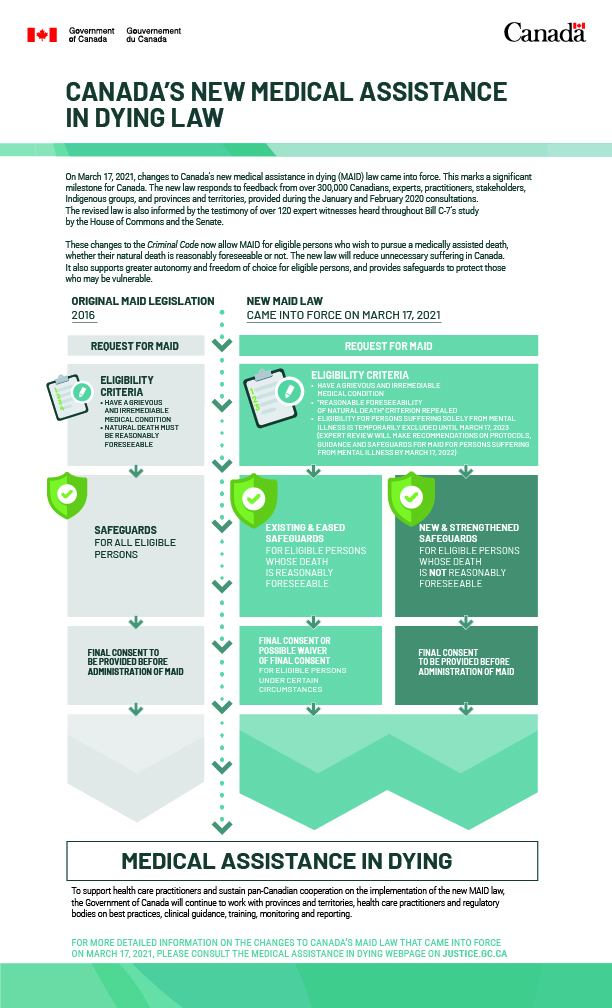
The Cost Burden of Terminal Illness
For many Canadians facing terminal illness, the immediate financial concerns extend beyond direct medical treatment. While provincial healthcare plans cover many medical services, significant out-of-pocket expenses can accrue. These may include:
- Uninsured Medical Costs: Prescriptions not covered by provincial drug plans, specialized equipment (e.g., wheelchairs, hospital beds for home use), certain therapies, and private nursing care.
- Caregiving Costs: Loss of income for family caregivers who reduce or cease employment, or the cost of hiring private home care support.
- Accessibility Modifications: Home renovations to accommodate mobility challenges or specialized equipment.
- Travel and Accommodation: Costs associated with specialized treatment centres far from home, including transportation, lodging, and meals.
- Personal Support Services: Non-medical assistance that falls outside typical provincial coverage, such as meal preparation, cleaning, or personal care.
These accumulated costs can quickly deplete savings, impact retirement funds, and lead to significant debt, creating an additional layer of stress during an already challenging period.
Public Healthcare Funding for Palliative and End-of-Life Care
Canada’s universal healthcare system largely covers physician services and hospital care. However, the extent of coverage for palliative and end-of-life care, including home care and hospice services, varies significantly by province and territory. While efforts are being made to expand access, gaps in coverage can force families to shoulder substantial expenses for extended periods of care. For individuals considering M.A.I.D., the financial trajectory of continued palliative care versus the relatively shorter duration of M.A.I.D. can, for some, become an incidental consideration, although never the primary driver of such a deeply personal decision. The absence of comprehensive, publicly funded palliative care throughout all stages can highlight existing financial vulnerabilities, making decisions about end-of-life care even more complex.
Financial Planning Implications for Individuals and Families
The decision to pursue M.A.I.D. has direct and indirect impacts on an individual’s financial planning, estate management, and the financial well-being of their dependents. Proactive financial planning becomes paramount to ensure that the individual’s wishes are respected and their legacy is managed according to their intent.
Life Insurance and Critical Illness Policies
One of the most frequently asked financial questions concerning M.A.I.D. relates to insurance policies. Generally, most Canadian life insurance policies will pay out benefits in cases of M.A.I.D., provided the policy has been in force for at least two years (the standard contestability period for suicide clauses). However, it is crucial for individuals and their beneficiaries to review their specific policy wording, as terms can vary. Early consultation with an insurance advisor is highly recommended to clarify any potential ambiguities.
Critical illness insurance, designed to provide a lump sum payout upon diagnosis of a covered critical illness, is typically not directly impacted by a subsequent M.A.I.D. decision. The benefit is usually paid out upon diagnosis, well before M.A.I.D. might be considered. Income replacement insurance might also be relevant, providing payments if an illness prevents someone from working, which would cease upon death. Understanding these provisions is vital for financial security during illness and for planning for beneficiaries.
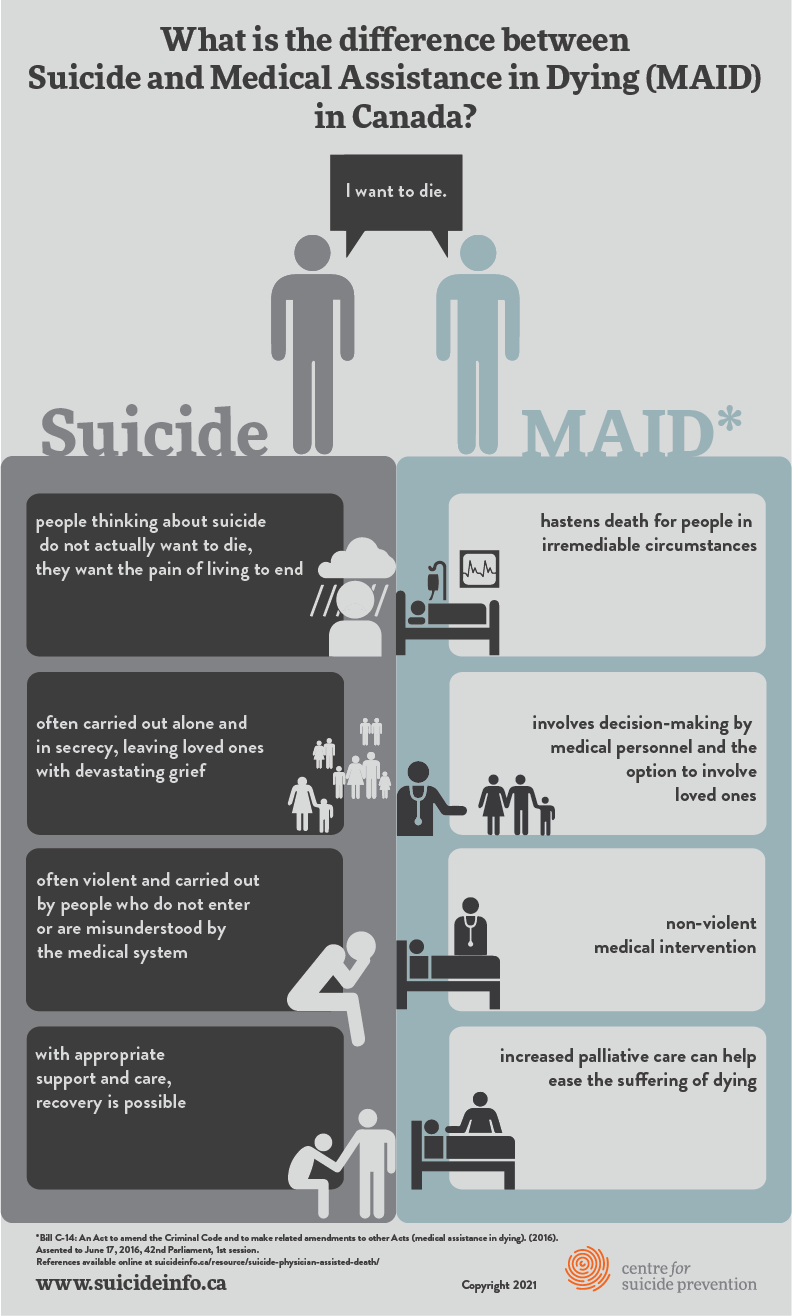
Estate Planning and Asset Distribution
The timing of M.A.I.D. can have implications for estate planning, though perhaps less directly than the manner of death. What is most critical is that an individual’s will and power of attorney documents are current, legally sound, and reflect their final wishes.
- Will Execution: Ensuring the will is updated to reflect current assets, beneficiaries, and wishes is fundamental. This process should ideally be completed well in advance of M.A.I.D. to avoid any questions of capacity or undue influence.
- Power of Attorney: Having a valid Power of Attorney for personal care and property in place allows a trusted individual to manage financial and health decisions should the person lose capacity, which is crucial for those navigating advanced illness.
- Asset Liquidation and Debt Management: Before death, individuals may wish to make specific financial arrangements, such as liquidating certain assets, settling outstanding debts, or making final charitable donations. These decisions, made with full capacity, ensure financial affairs are in order, reducing the burden on executors and beneficiaries.
- Beneficiary Designations: Reviewing and updating beneficiary designations on registered accounts (RRSPs, RRIFs, TFSAs) and insurance policies is critical, as these often bypass the will and are paid directly to named beneficiaries.
Managing Debts and Financial Obligations
Navigating M.A.I.D. also brings into focus the management of personal debts and ongoing financial obligations. It’s important to understand how debts are handled after death in Canada. Generally, an estate is responsible for settling debts before distributing assets to beneficiaries. This means that if debts exceed assets, beneficiaries may receive less, or nothing at all.
- Mortgages and Loans: For jointly held debts, the surviving co-borrower becomes solely responsible. For individual debts, the estate assets are used to repay creditors.
- Credit Cards: Any outstanding credit card balances become a liability of the estate.
- Taxes: Final tax returns must be filed, and any outstanding taxes paid from the estate.
Proactive debt management and clear communication with family members and executors can mitigate potential financial stress for those left behind.
Systemic Financial Considerations and Policy Intersections
Beyond individual financial planning, M.A.I.D. also touches upon broader systemic financial considerations within the Canadian healthcare and social support infrastructure. While the primary intent of M.A.I.D. is never financial, its existence within a publicly funded system inherently invites an examination of resource allocation and economic impacts.
Healthcare Resource Allocation and Cost Efficiency
From a purely economic perspective, M.A.I.D. can influence healthcare resource allocation. The provision of M.A.I.D. is typically a shorter, more defined process compared to prolonged, intensive palliative care for some terminal illnesses. While the direct costs of M.A.I.D. itself are minimal (physician time, medications), the potential indirect impact on healthcare spending by reducing the demand for long-term critical care, hospital stays, or extensive palliative services is a complex area for analysis. This is not to suggest M.A.I.D. is a cost-saving measure, but rather to acknowledge the economic realities of various end-of-life care pathways within a resource-constrained system. Health economists continue to study these intersections, emphasizing that patient choice and quality of life remain paramount.
Impact on Social Support Programs
The trajectory of a terminal illness often involves reliance on various social support programs, such as disability benefits, income support, and caregiver allowances. The cessation of life through M.A.I.D. will naturally cease these benefits. For families, this can mean a sudden stop to financial support that may have been crucial for maintaining household stability. Understanding the timelines for benefit cessation and planning for this transition is an important part of a holistic financial strategy. Furthermore, the provision of M.A.I.D. influences the demand for different types of social services, potentially shifting resources from long-term care to support for bereavement and grief counselling.
The Intersection with Poverty and Financial Vulnerability
It is imperative to address the concern that financial hardship could unduly influence a person’s decision to pursue M.A.I.D. While Canadian legislation mandates that M.A.I.D. must be a voluntary request, free from external pressure, and based on informed consent, the reality of financial precarity cannot be ignored. For individuals facing catastrophic illness, the prospect of financial ruin from extended care costs, loss of income, and depletion of assets can exacerbate distress. Robust social safety nets, comprehensive palliative care funding, and accessible financial counselling are critical to ensure that no individual feels coerced or pressured into considering M.A.I.D. due to financial vulnerability rather than genuine, autonomous choice regarding their end-of-life care.

Navigating Financial Decisions Around M.A.I.D.
Engaging with financial planning and legal professionals early is crucial for anyone considering M.A.I.D. This ensures that personal finances are in order, legal documents are current, and beneficiaries are protected. These conversations, while sensitive, empower individuals to maintain control over their financial legacy and provide peace of mind for themselves and their loved ones during an incredibly challenging time. The financial aspects of M.A.I.D. are interwoven with its profound human elements, necessitating a compassionate yet pragmatic approach to economic planning in the context of end-of-life choices.
aViewFromTheCave is a participant in the Amazon Services LLC Associates Program, an affiliate advertising program designed to provide a means for sites to earn advertising fees by advertising and linking to Amazon.com. Amazon, the Amazon logo, AmazonSupply, and the AmazonSupply logo are trademarks of Amazon.com, Inc. or its affiliates. As an Amazon Associate we earn affiliate commissions from qualifying purchases.