
A MagSafe case is a specialized protective accessory for iPhones that incorporates Apple’s proprietary MagSafe technology, first reintroduced with the iPhone 12 series. Far more than just a simple shell, these cases are engineered with a precise internal ring of magnets designed to perfectly align with the MagSafe components embedded within compatible iPhones. This integration allows for a secure, instant attachment of a variety of MagSafe accessories, most notably for optimized wireless charging, but also for wallets, mounts, and battery packs, significantly enhancing the iPhone’s functionality and user experience.
The Core Technology Behind MagSafe
At its heart, MagSafe is a sophisticated magnetic attachment system developed by Apple. While the concept of magnetic charging has roots in Apple’s MacBook power connectors, its application to iPhones represents a significant leap in mobile accessory integration. A MagSafe case is essentially the conduit that extends and enhances this intrinsic capability, ensuring compatibility and often adding an extra layer of protection.
Magnetic Array and Wireless Charging
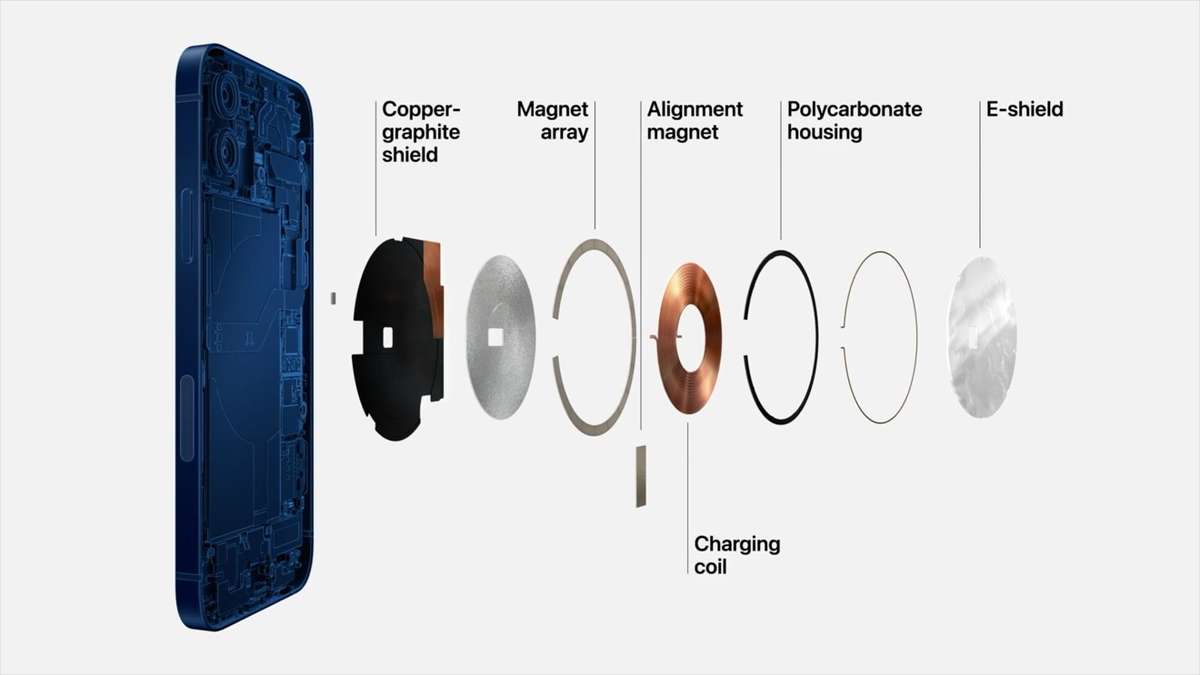
The defining feature of MagSafe technology in iPhones and, by extension, MagSafe cases, is its circular array of magnets. Within the back of a compatible iPhone lies a carefully arranged ring of magnets, along with a charging coil and an NFC component. A genuine MagSafe case replicates this magnetic architecture, typically by embedding a similar magnetic ring directly into the case material. When a MagSafe-compatible charger or accessory is brought near the phone (or the MagSafe case), these magnets snap into perfect alignment.
This precise magnetic alignment is crucial for several reasons, particularly concerning wireless charging. Traditional Qi wireless charging can be inefficient if the device isn’t perfectly centered on the charging pad. Misalignment leads to slower charging speeds, heat generation, and wasted energy. MagSafe eliminates this guesswork. The magnetic lock ensures that the iPhone’s charging coil and the charger’s coil are always optimally positioned. This allows for faster and more consistent wireless charging, with iPhones able to receive up to 15W of power from certified MagSafe chargers, double the 7.5W typically achieved with standard Qi charging on iPhones. The NFC chip within the phone and the accessory also communicates, allowing the iPhone to identify the accessory and, in some cases, trigger unique animations or provide specific feedback.
Secure Attachment and Alignment
Beyond charging, the magnetic array provides a remarkably secure and satisfying attachment mechanism for other accessories. The magnets are strong enough to hold accessories firmly in place during daily use, yet gentle enough to allow for easy detachment. This secure connection isn’t just about preventing accessories from falling off; it’s about providing a consistent, repeatable user experience. Whether it’s a wallet, a car mount, or a kickstand, the MagSafe system ensures that the accessory is always in the correct orientation and position. This precision also extends to accessories that might require specific alignment, such as external cameras or specialized sensors.
Evolution from MacBooks to iPhones
The name “MagSafe” itself harkens back to Apple’s original magnetic power connectors for MacBooks, introduced in 2006. These connectors were designed to safely detach if tugged, preventing the laptop from being pulled off a desk. While the iPhone version uses the magnetic principle, its primary function shifts towards accessory integration and optimized wireless charging, rather than purely a safety disengagement for power cables. This evolution highlights Apple’s strategy of leveraging proven technological principles in new contexts to enhance user convenience and expand device capabilities. The shift to iPhones represents a more advanced, versatile application of magnetic technology, opening up an entire ecosystem of modular accessories.
Features and Advantages of MagSafe Cases
MagSafe cases are not merely protective barriers; they are integral components of the MagSafe ecosystem, designed to maximize the utility of the technology embedded within compatible iPhones. Their construction and functionality offer distinct advantages over standard phone cases.
Enhanced Device Protection
Like any good phone case, MagSafe cases provide essential physical protection against drops, scratches, and everyday wear and tear. They are crafted from a variety of durable materials, including silicone, clear polycarbonate, and leather, each offering different levels of impact resistance and aesthetic appeal. The internal magnetic ring is often encased within the case material itself, ensuring it does not compromise the structural integrity or protective qualities of the case. Many MagSafe cases feature raised bezels around the screen and camera module to further safeguard these vulnerable areas from direct impact.
Seamless Accessory Integration
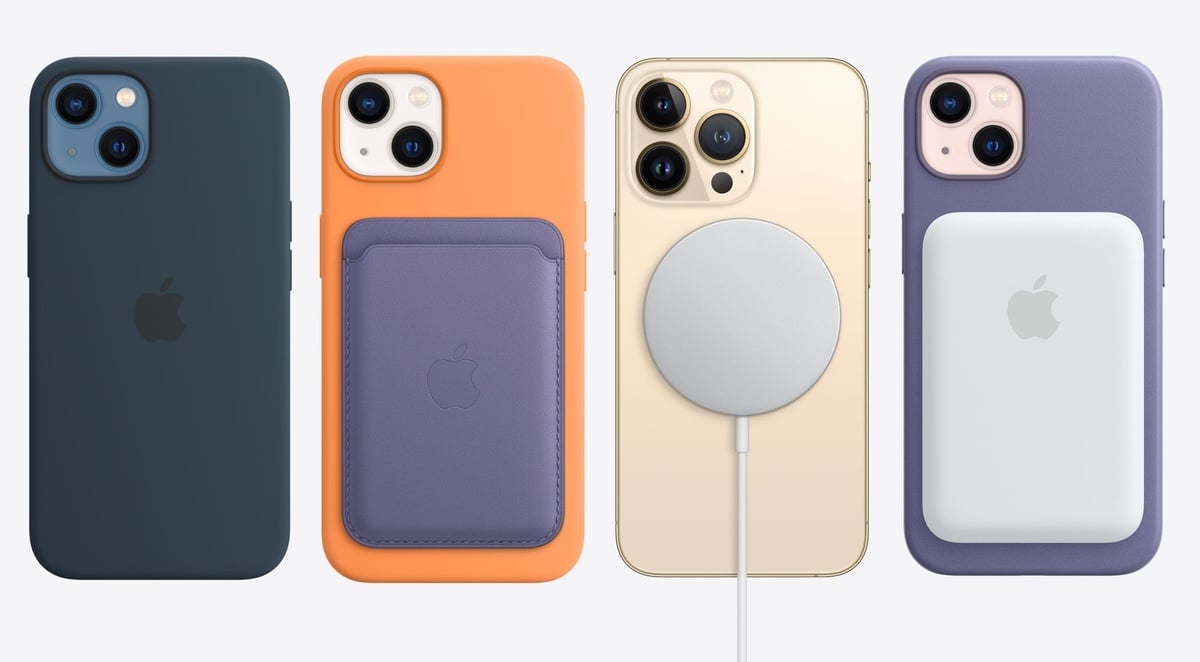
The most significant advantage of a MagSafe case is its ability to facilitate seamless integration with the growing array of MagSafe-compatible accessories. These accessories, which include wallet attachments, battery packs, car mounts, and desk stands, snap onto the back of the case with satisfying precision. This magnetic attachment system allows users to quickly and effortlessly switch between accessories based on their needs, transforming the iPhone’s capabilities on the fly. For instance, a user can attach a MagSafe wallet for an evening out and then swap it for a MagSafe battery pack for extended use without fumbling with clips or adhesives.
Optimized Wireless Charging Performance
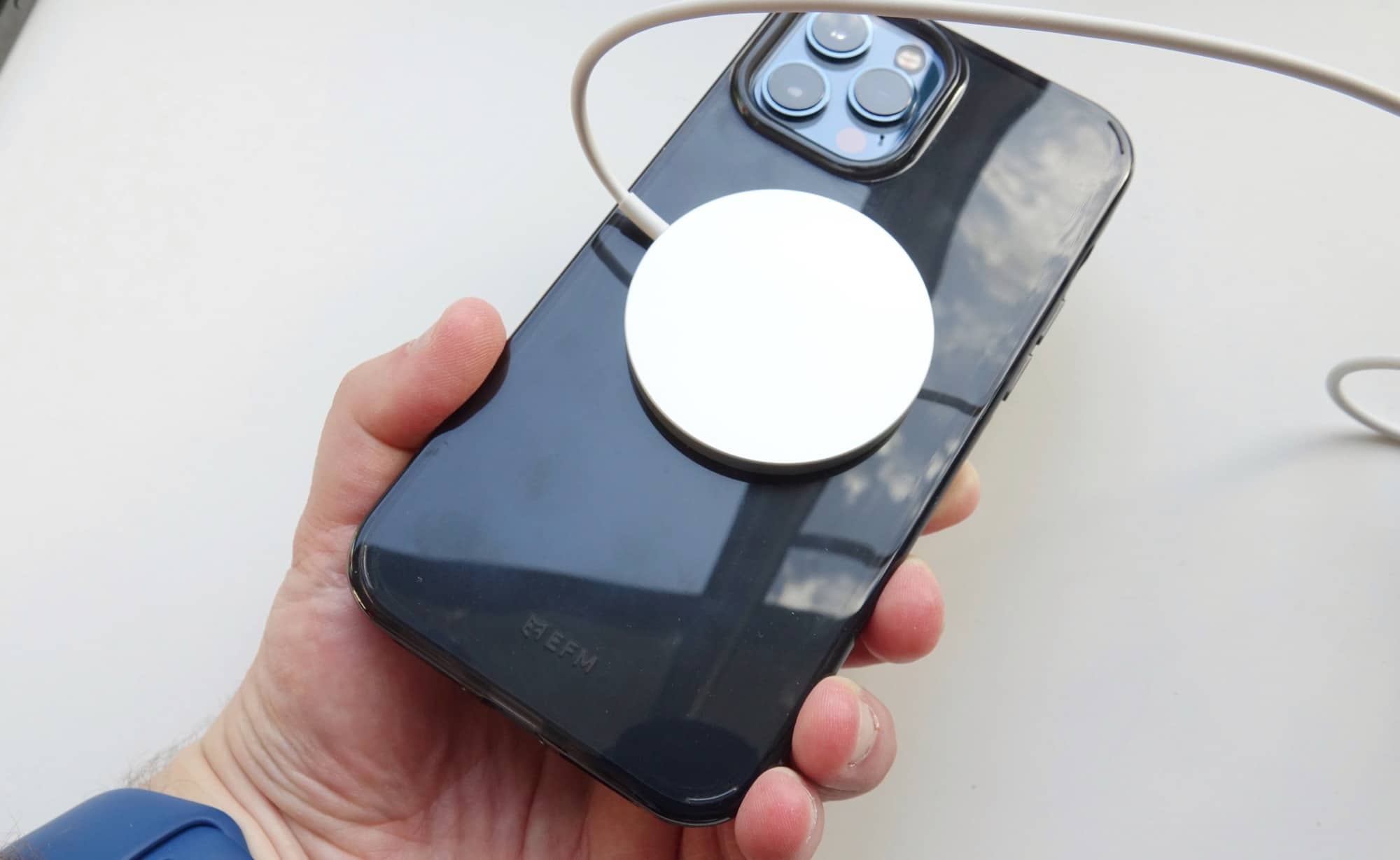
As mentioned, a MagSafe case plays a crucial role in maximizing the efficiency of MagSafe wireless charging. By providing a magnetic interface, the case ensures that the iPhone precisely aligns with a MagSafe charger every time. This guarantees that the charging coils are perfectly superimposed, allowing for the full 15W charging speed (for compatible iPhone models) and minimizing energy loss due to misalignment. This optimization leads to faster charging times and reduced heat generation compared to standard Qi charging through a non-MagSafe case, improving both convenience and battery health over time.
Aesthetic Versatility and Material Choices
MagSafe cases come in a wide range of designs, colors, and materials, allowing users to personalize their device while maintaining full MagSafe functionality. Apple itself offers silicone, clear, and leather MagSafe cases, but numerous third-party manufacturers have also embraced the technology, providing an even broader selection. This variety ensures that users don’t have to sacrifice style or preferred material for functionality, enabling them to choose a case that complements their personal aesthetic and lifestyle while fully leveraging the MagSafe ecosystem. From rugged, protective cases to slim, minimalist designs, the MagSafe standard is integrated without hindering design innovation.
Distinguishing MagSafe Cases from Standard Cases
While both MagSafe and standard cases aim to protect an iPhone, their underlying functionality and the experience they offer differ significantly. Understanding these distinctions is key to appreciating the value proposition of a MagSafe case.
Built-in Magnetic Components
The most fundamental difference lies in the internal construction. A standard phone case is essentially a protective shell, offering impact resistance and scratch protection. It might have cutouts for ports and buttons but contains no active or interactive components. A MagSafe case, conversely, contains a precisely engineered array of magnets embedded within its structure. These magnets are not just arbitrary; they are specifically designed to match and interact with the MagSafe components inside the iPhone itself, creating a secure and functional connection point.
Compatibility and Certification
MagSafe cases are designed and often certified to work seamlessly with Apple’s MagSafe technology. While a standard case might allow for wireless charging to pass through it (if it’s not too thick), it will not provide the magnetic alignment necessary for optimal MagSafe charging speeds or the secure attachment of MagSafe accessories. Using a MagSafe case ensures that accessories snap on correctly and charging occurs at its fastest possible rate. Without the magnetic array in the case, the iPhone’s own magnets are often too weak to firmly hold an accessory through a non-MagSafe case, or the charging alignment will be suboptimal.
Functionality Beyond Protection
The core distinction is functionality. A standard case’s primary role is passive protection. A MagSafe case, however, transforms the iPhone into a more versatile device by actively enabling and enhancing a whole ecosystem of modular accessories. It’s not just about guarding the phone; it’s about expanding its utility. This active role in accessory integration and charging optimization sets MagSafe cases apart, offering a level of convenience and expandability that conventional cases simply cannot provide. It elevates the case from a mere accessory to an essential interface for a connected experience.
Maximizing the MagSafe Ecosystem
Investing in a MagSafe case is often the first step towards fully embracing the MagSafe ecosystem. This technology unlocks a new realm of utility and convenience, extending far beyond just simple phone protection.
Compatible Chargers and Power Delivery
The most direct benefit of a MagSafe case is its synergy with MagSafe chargers. Using a MagSafe charger with a compatible case ensures that the iPhone charges wirelessly at its peak efficiency, delivering up to 15W of power. This is a significant upgrade from standard Qi chargers, which typically offer only 7.5W to iPhones. Beyond Apple’s official MagSafe Charger, many third-party manufacturers produce certified MagSafe-compatible chargers, including multi-device chargers that can simultaneously power an iPhone, Apple Watch, and AirPods. These chargers often feature elegant designs and provide a seamless, click-on charging experience, making power management effortless.
Wallets, Grips, and Mounts
The magnetic attachment system of MagSafe cases opens up a vast array of accessory possibilities. MagSafe wallets, for instance, securely snap onto the back of the case, providing a convenient way to carry cards and ID without adding bulk to pockets. They can be easily removed when not needed or swapped out for other accessories. MagSafe grips and stands offer enhanced ergonomics for holding the phone and versatile viewing angles for media consumption or video calls. Furthermore, MagSafe car mounts provide a stable and intuitive way to secure an iPhone for navigation or hands-free calling, eliminating the need for cumbersome clamps. These accessories leverage the MagSafe case to become truly modular extensions of the iPhone.
Future Potential and Third-Party Innovations
The MagSafe ecosystem is continuously expanding, driven by both Apple and a thriving community of third-party developers. This collaborative environment suggests a future where MagSafe could integrate even more sophisticated accessories. Imagine modular camera lenses that perfectly align, external sensors that enhance data collection, or even small projectors that snap onto the back of your phone. The standardized magnetic array provides a reliable platform for innovation, encouraging brands to develop creative solutions that leverage the secure, high-bandwidth connection potential of MagSafe. As the technology matures, we can anticipate a greater diversity of smart accessories that seamlessly integrate with our devices through MagSafe cases.
Considerations When Choosing a MagSafe Case
Selecting the right MagSafe case involves more than just ensuring compatibility; it requires evaluating various factors to match the case to individual needs and preferences.
Material and Durability
MagSafe cases are available in a range of materials, each offering different characteristics. Silicone cases provide a soft, grippy texture and good shock absorption. Clear cases showcase the iPhone’s original design while offering protection. Leather cases offer a premium feel and develop a unique patina over time. Hard plastic (polycarbonate) cases provide robust protection in a slimmer profile. Consider your lifestyle and how much protection your phone typically needs. If you’re prone to drops, a more rugged design with enhanced corner protection might be advisable. The durability of the magnetic array itself is also a factor, with reputable brands ensuring the magnets are securely embedded and resistant to demagnetization over time.
Design and Ergonomics
Beyond materials, the overall design and ergonomics of the case are crucial. Some MagSafe cases are designed to be ultra-slim, maintaining the iPhone’s sleek profile, while others prioritize maximum protection, resulting in a bulkier feel. Consider how the case feels in your hand – its texture, weight, and how easily you can access buttons and ports. A well-designed MagSafe case should enhance the user experience, not detract from it. For instance, some cases might have slightly raised edges around the screen or camera for added protection, which is a practical design choice.
Price Point and Brand Reputation
MagSafe cases vary widely in price, from budget-friendly options to premium accessories from Apple and established third-party brands. While official Apple MagSafe cases guarantee perfect compatibility and often high-quality materials, many third-party manufacturers offer excellent alternatives at competitive prices. When choosing, consider the brand’s reputation for quality, durability, and customer service. Reading reviews and comparing features can help you find a case that offers the best balance of price, protection, and MagSafe functionality for your specific requirements. Investing in a reputable MagSafe case ensures reliable performance and longevity, maximizing the benefits of this innovative technology.
aViewFromTheCave is a participant in the Amazon Services LLC Associates Program, an affiliate advertising program designed to provide a means for sites to earn advertising fees by advertising and linking to Amazon.com. Amazon, the Amazon logo, AmazonSupply, and the AmazonSupply logo are trademarks of Amazon.com, Inc. or its affiliates. As an Amazon Associate we earn affiliate commissions from qualifying purchases.